Tag: Research
-
Proteins Involved in Blood and Bone Marrow Disease
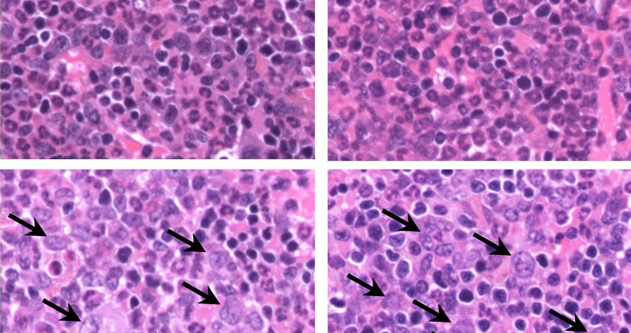
Northwestern Medicine scientists have expanded the understanding of how myelodysplastic syndromes develop.
-

Health of Young Adult Cancer Survivors Compared to Peers
Young adult cancer survivors reported poorer physical and emotional health but better social health in a study by Northwestern Medicine scientists.
-

Accelerating Diabetic Wound Healing
Depleting an enzyme called GM3 synthase with gene therapy may help diabetics heal wounds faster.
-
Model Predicts Better Outcomes for Brain Tumors with Gene Mutation
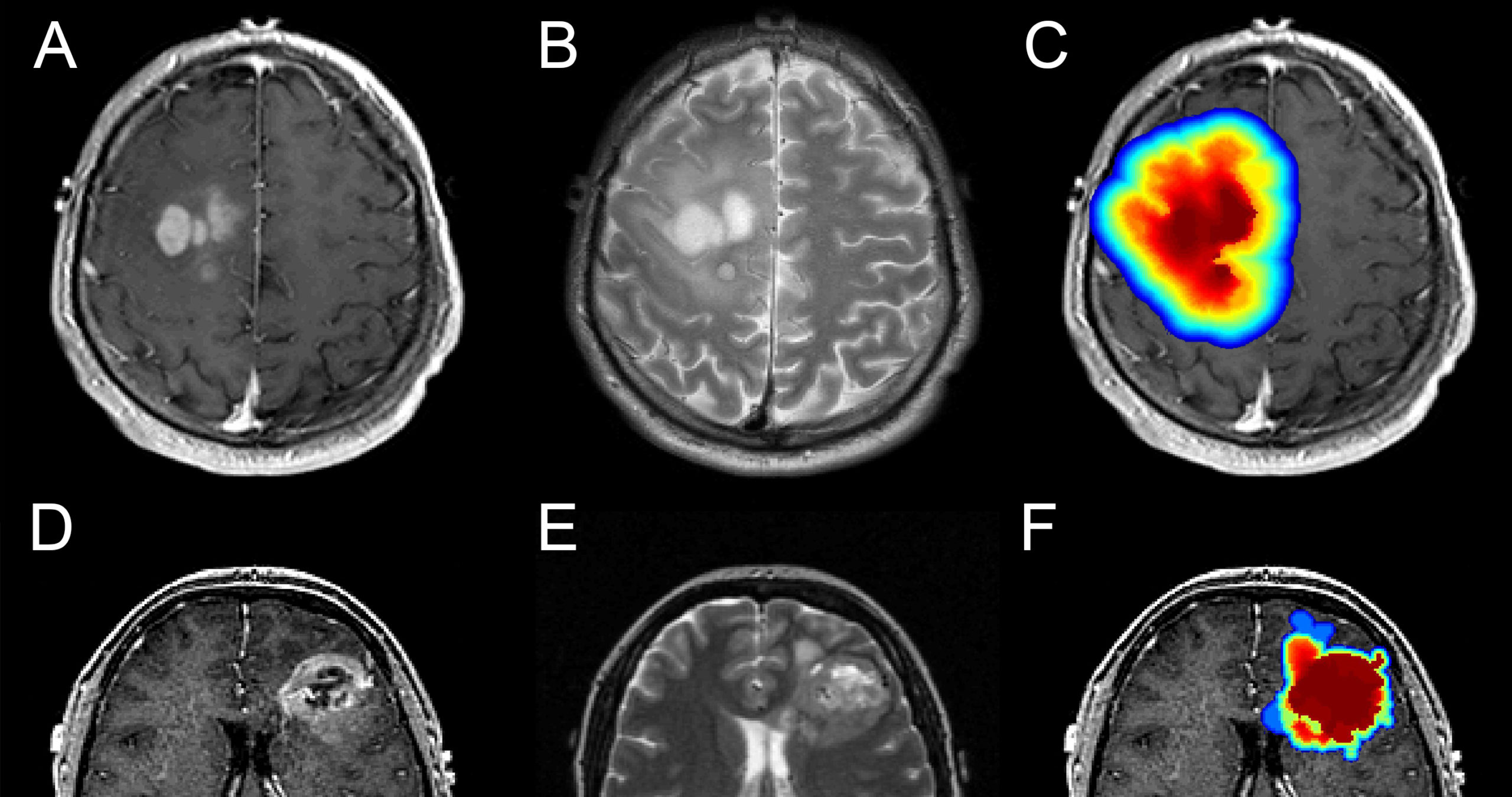
A mathematical model can predict whether a tumor has a gene mutation associated with a favorable prognosis for glioblastoma patients.
-
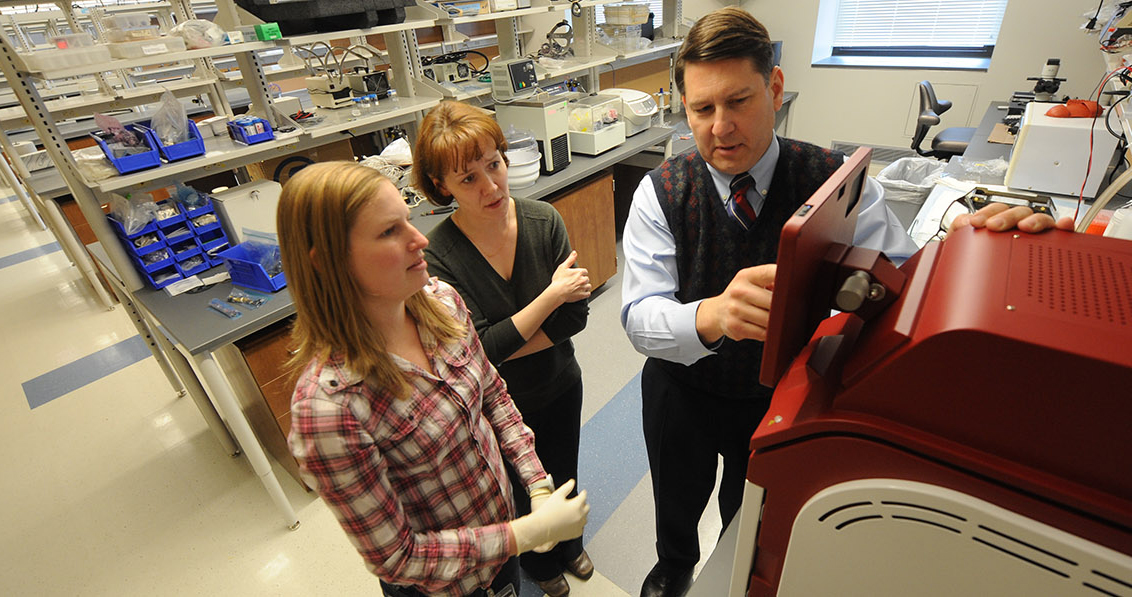
A Place for Drug Discovery
Al George, MD, Melds Genetics, Drug Discovery To Personalize Medicine
-
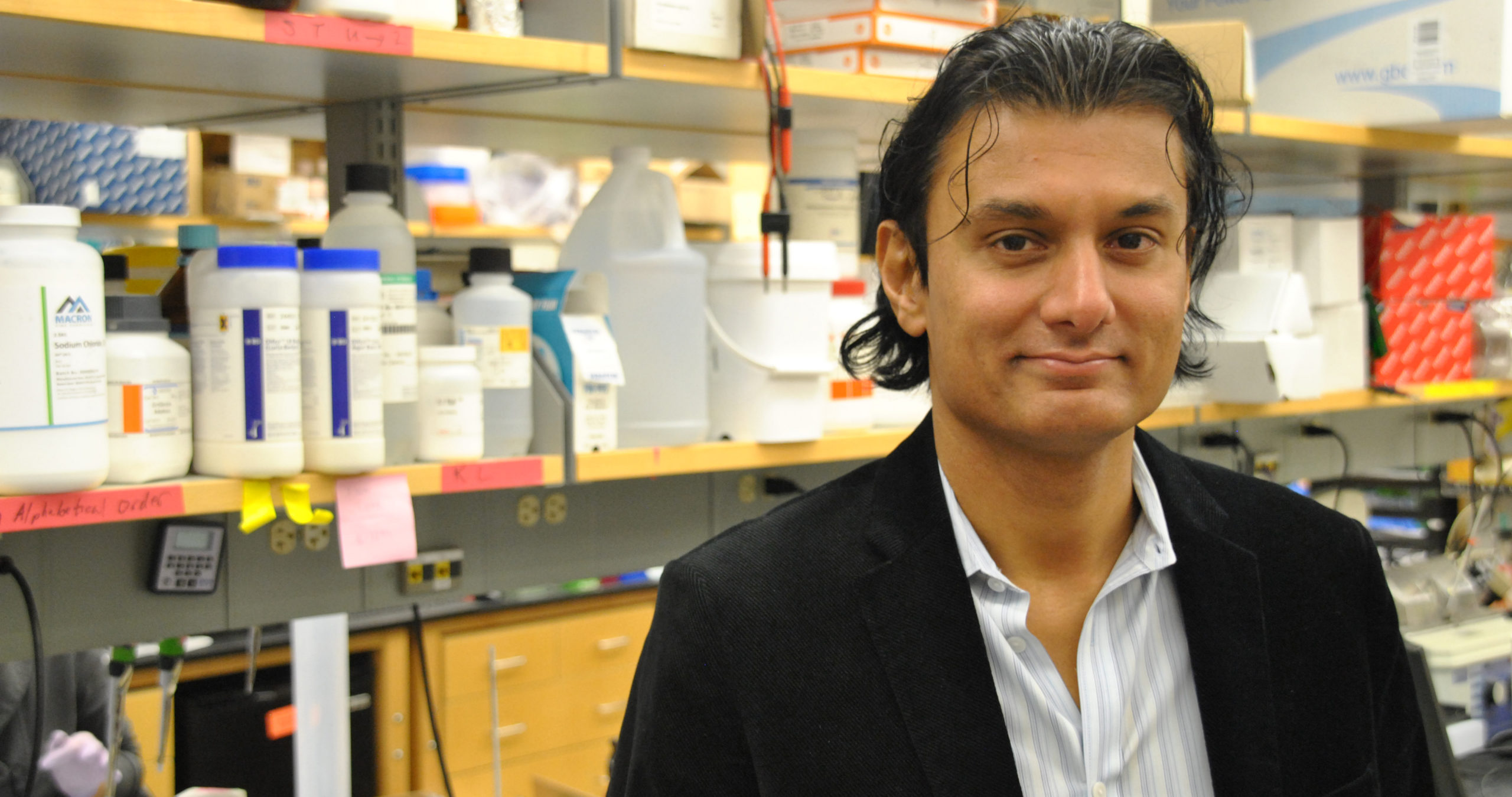
Mighty Mitochondria Make Comeback as Sensitive Communicators
Navdeep Chandel, PhD, David W. Cugell Distinguished Professor in Medicine-Pulmonary and Cell and Molecular Biology, focuses on the role of metabolism and signaling in disease.
-
Predicting Major Blood Transfusion During Spine Surgery
A new model uses variables that can be determined before operating.
-

Future Childbearing Less Likely after Cesarean Deliveries
Women in the United States who have cesarean sections are less likely to continue childbearing than those who deliver vaginally, but this relationship weakens for women living below the poverty line.
-
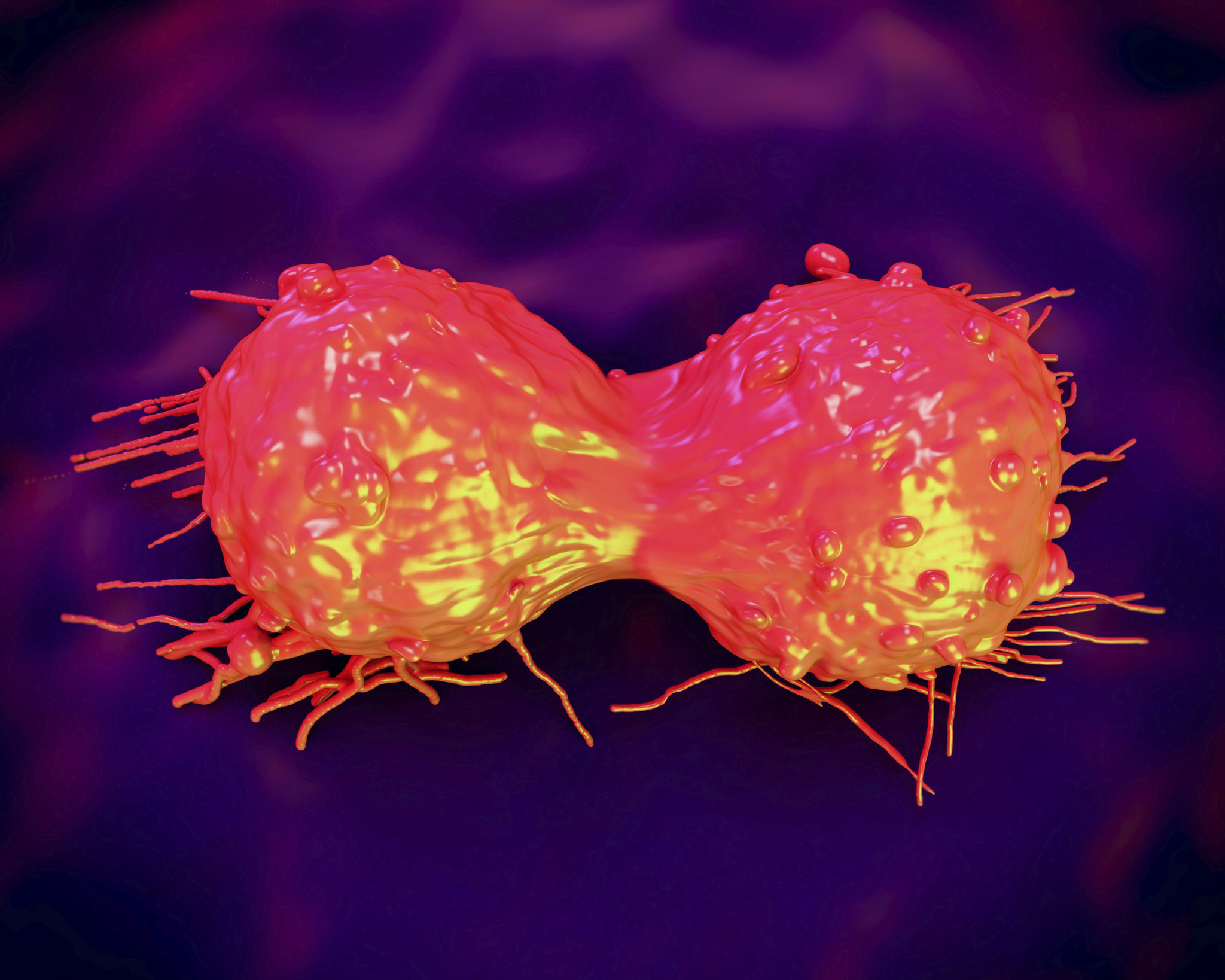
Target Identified to Inhibit Prostate Cancer Cells
Prostate cancer cells producing too much PIM1 are particularly sensitive to the inhibition of a protein called polo-like kinase (PLK1).
-

Air Pollution Shown to Increase Lung Inflammation and Blood Clots
Northwestern Medicine scientists demonstrate that exposure to air pollution causes a stress response characterized by elevation in the level of the stress hormone adrenaline.