Tag: Research
-

Schleimer Wins Tripartite Prize
Robert Schleimer, PhD, chief of Division of Medicine Allergy-Immunology and Roy Patterson Professor of Medicine, has been named the winner of the Tripartite Legacy Faculty Prize in Translational Science and Education.
-
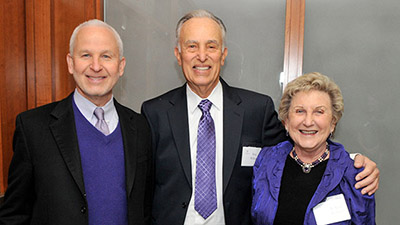
$10 Million Gift Establishes Pioneering Nano Oncology Center
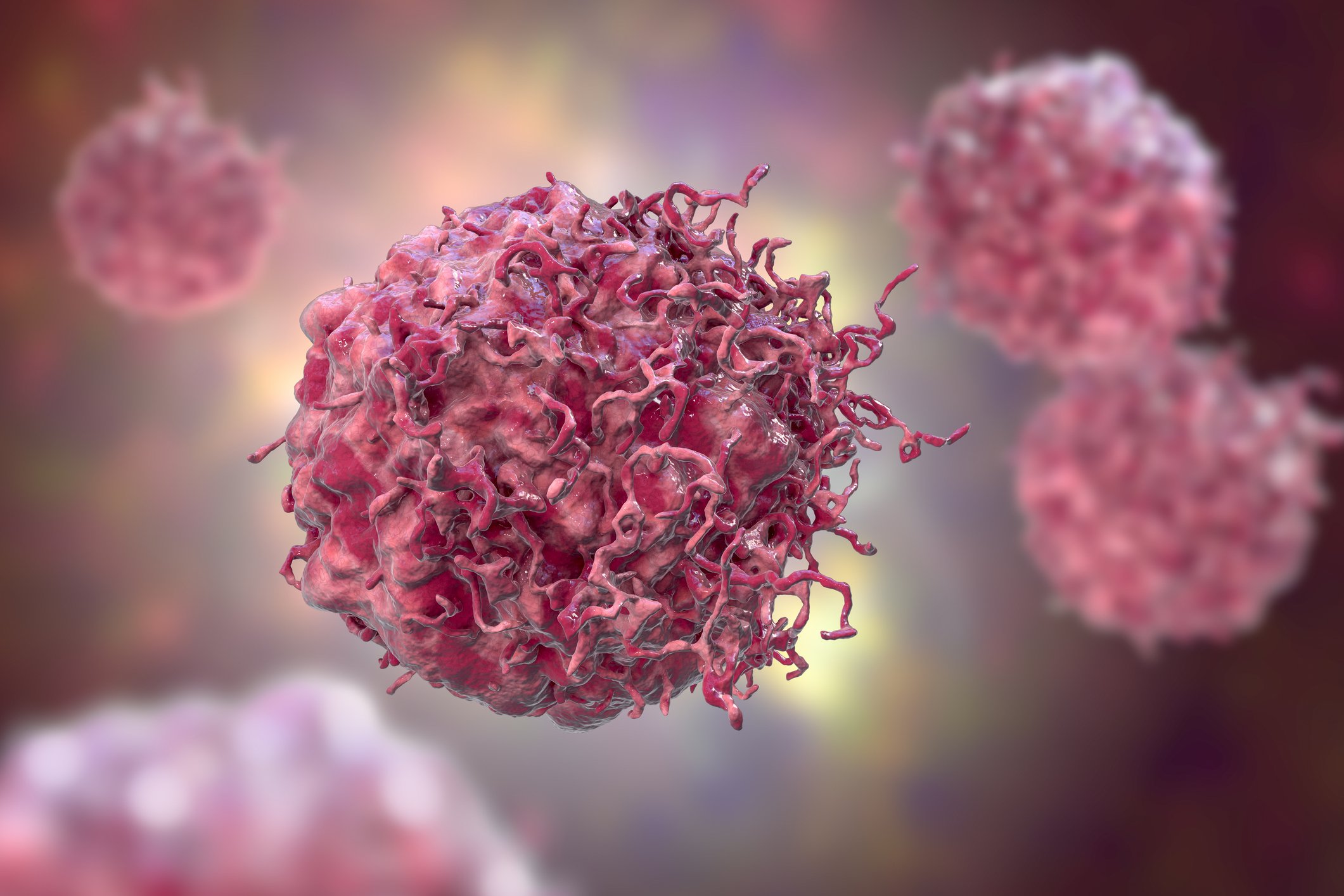
A $10 million gift from Ronald and JoAnne Willens to Northwestern University’s International Institute for Nanotechnology will establish an interdisciplinary research center that will use advances in nanotechnology to develop new cancer treatments.
-

Louis Simpson And Kimberly Querrey Make $92 Million Gift To Northwestern For Biomedical Research
Northwestern University Trustee and alumnus Louis A. Simpson and his spouse Kimberly K. Querrey have made an additional $92 million gift to Northwestern University in support of the University’s biomedical research programs at Northwestern University Feinberg School of Medicine.
-
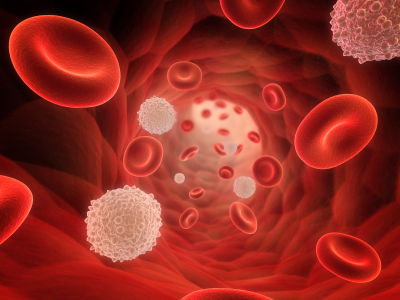
Relief For Diabetics With Painful Condition
A new Northwestern Medicine study shows an experimental gene therapy may have promise for treating painful diabetic neuropathy.
-
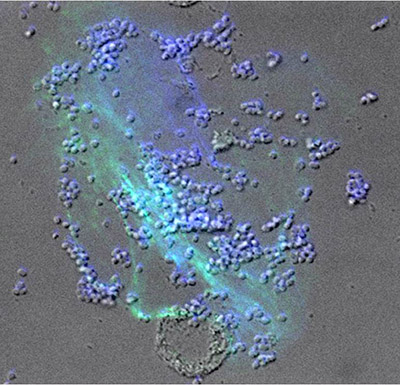
Exploring Bacterial Competition in Reproductive Tract Infections
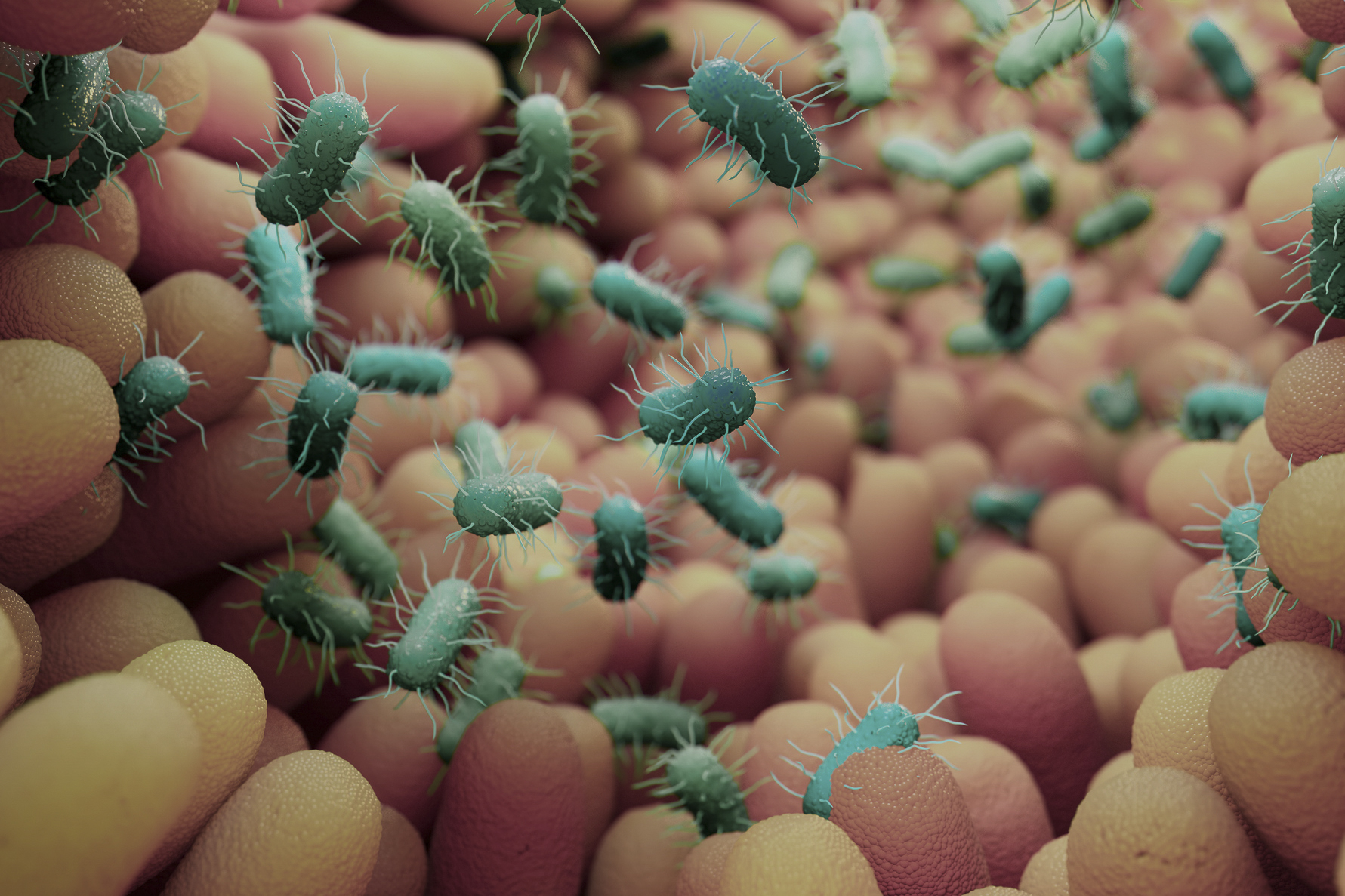
Northwestern Medicine scientists have shown that the bacteria that cause gonorrhea may have evolved mechanisms to stimulate white blood cells into killing other bacteria, promoting the survival of gonorrhea bacteria in the human reproductive tract.
-
Uncovering Genetic Roots of Pediatric Kidney Tumor
A Northwestern Medicine study has identified new genetic mutations in patients with Wilms tumor, the most common kidney tumor in children.
-

Alzheimer Amyloid Clumps Found in Young Adult Brains
A Northwestern medicine study found accumulations of amyloid in young adult brains, the first time accumulation of amyloid has been shown at such a young age.
-

New Executive Director of Communications Announced
Nicole Mladic, currently serving in an interim capacity, has been appointed the executive director of Northwestern University Feinberg School of Medicine.
-

Improving Outcomes After Heart Failure Hospitalization
In a recent review published in Nature Reviews Cardiology, Northwestern Medicine investigators outline strategies to reduce the rate of early postdischarge adverse events among patients with heart failure.
-
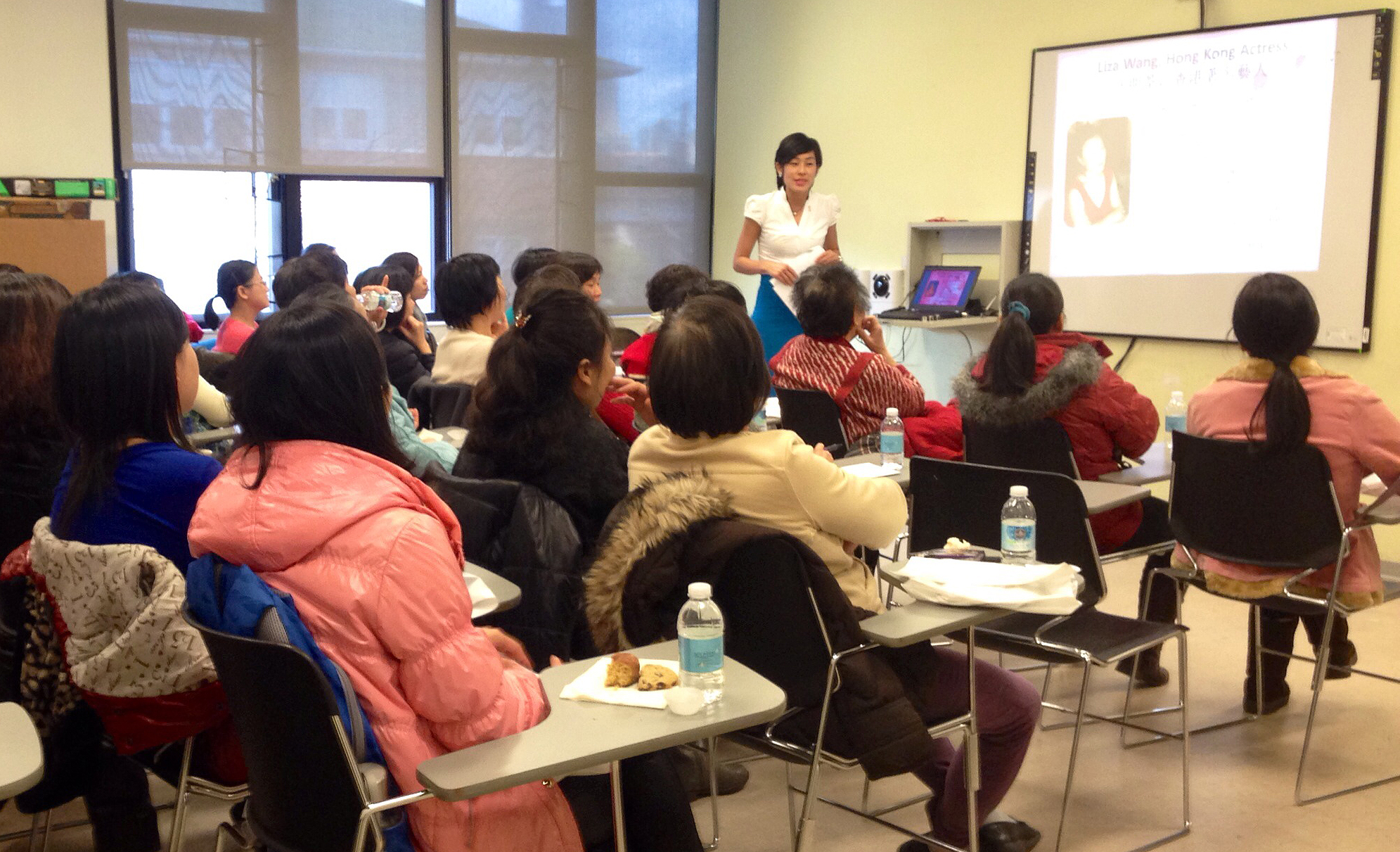
Navigators Help Patients Overcome Healthcare Inequities
Many obstacles hinder vulnerable populations in the United States from seeking and receiving the healthcare they need. A series of studies by Northwestern Medicine investigator Melissa Simon shows that navigator programs can help patients get care despite barriers like income, insurance and language.