Tag: Research
-
Graduate Student Receives Award for Bone Development Research
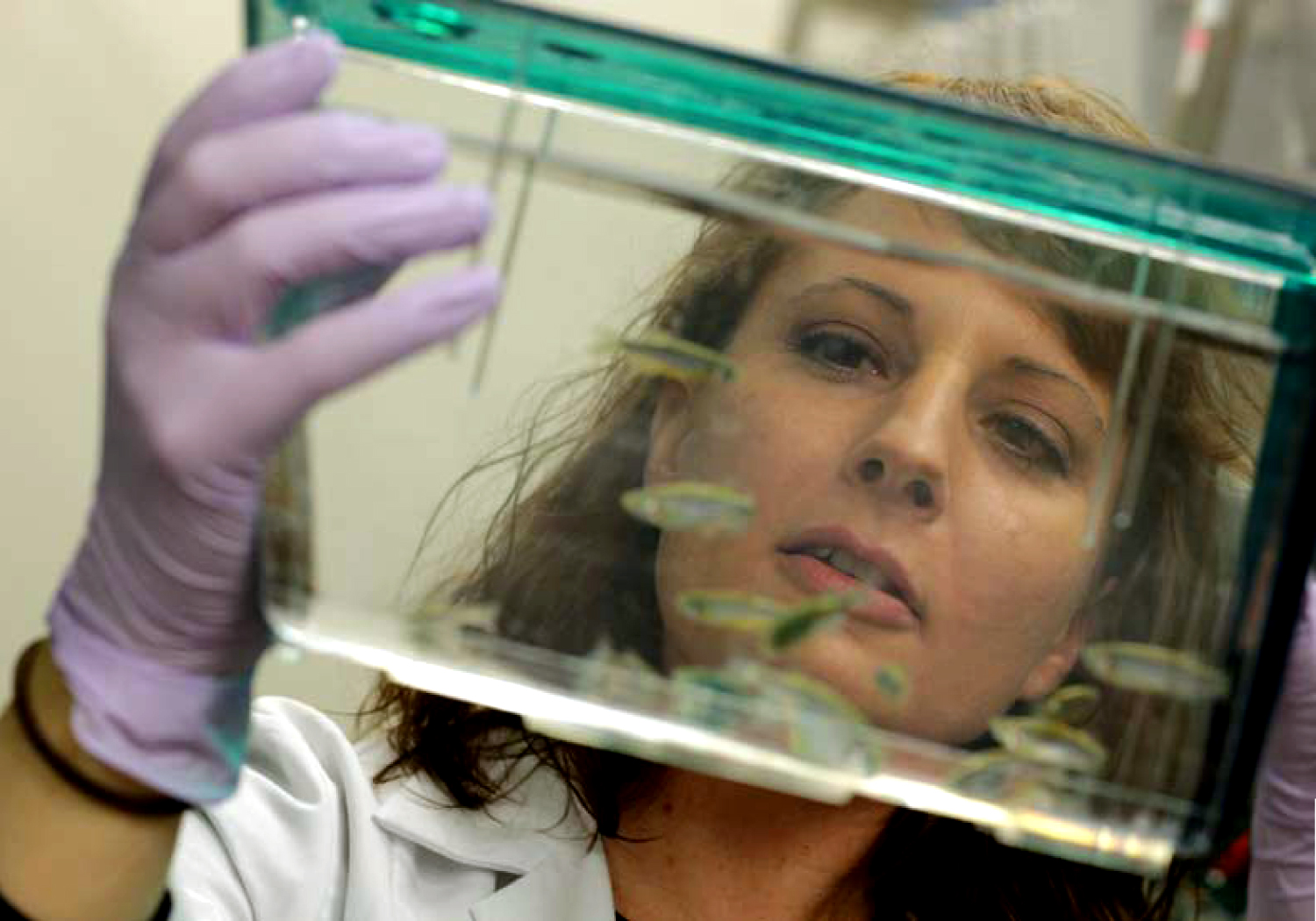
Rebecca Anderson, a graduate student in the Driskill Graduate Program in Life Sciences, received the Graduate Student Award from the Ann & Robert H. Lurie Children’s Hospital of Chicago for her research on bone development to better understand skeletal dysplasia.
-

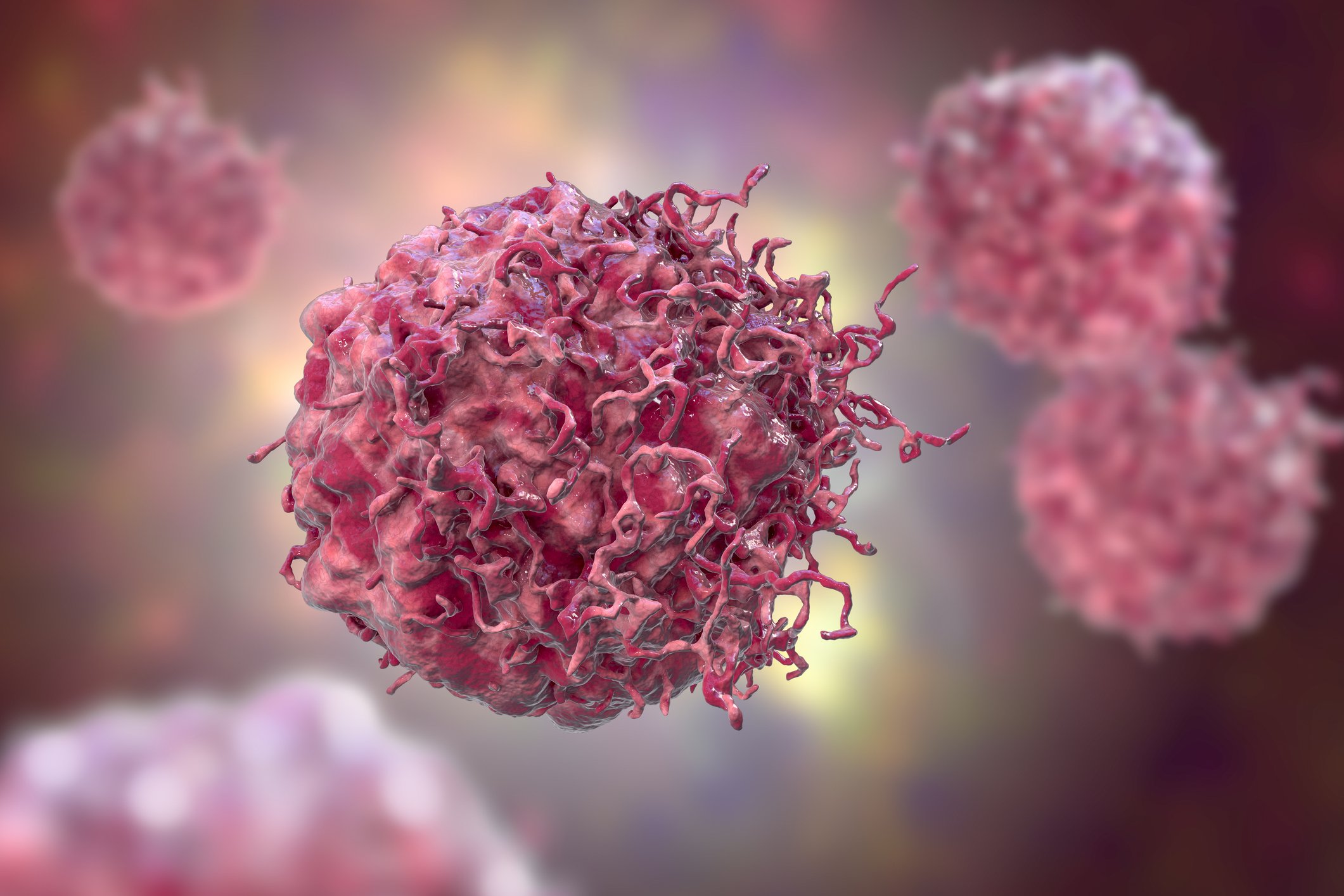
DNA Transcription Sheds Light on Cancer Pathogenesis
In several recent publications, Ali Shilatifard, PhD, chair of Biochemistry and Molecular Genetics, examined how different aspects of transcriptional regulation are involved in cancer development.
-

Study Shows Longer Nicotine Patch Therapy is Safe and Effective
A new study by Northwestern Medicine and the University of Pennsylvania found that extending patch treatment beyond the standard eight-week duration is safe and leads to better smoking cessation rates.
-
Exploring Age-Related Differences in Herpes Encephalitis
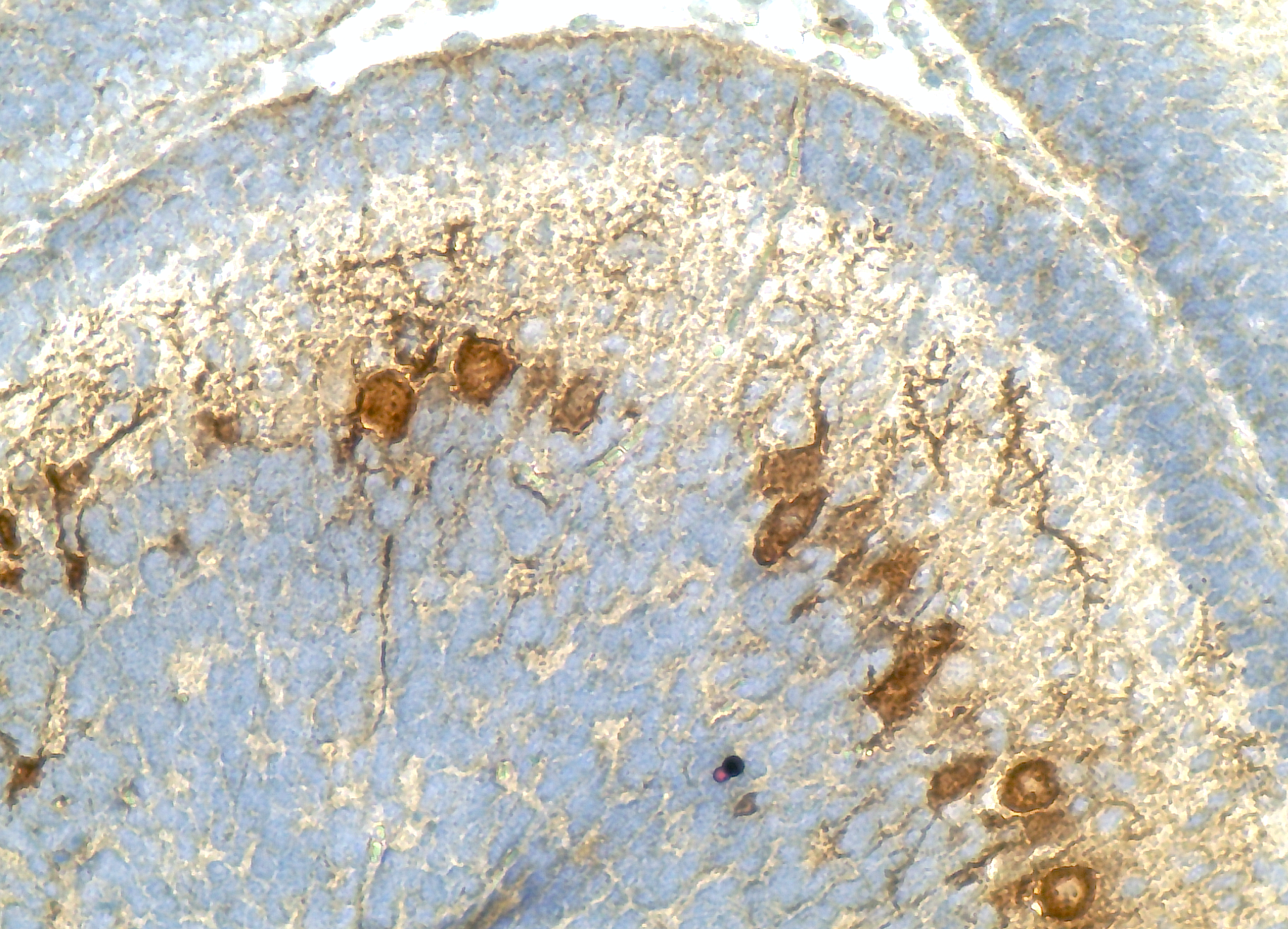
Northwestern Medicine scientists have revealed age-dependent differences in cellular mechanisms for protection from herpes simplex virus encephalitis.
-
Evaluating Drugs to Improve Vision In Diabetic Macular Edema
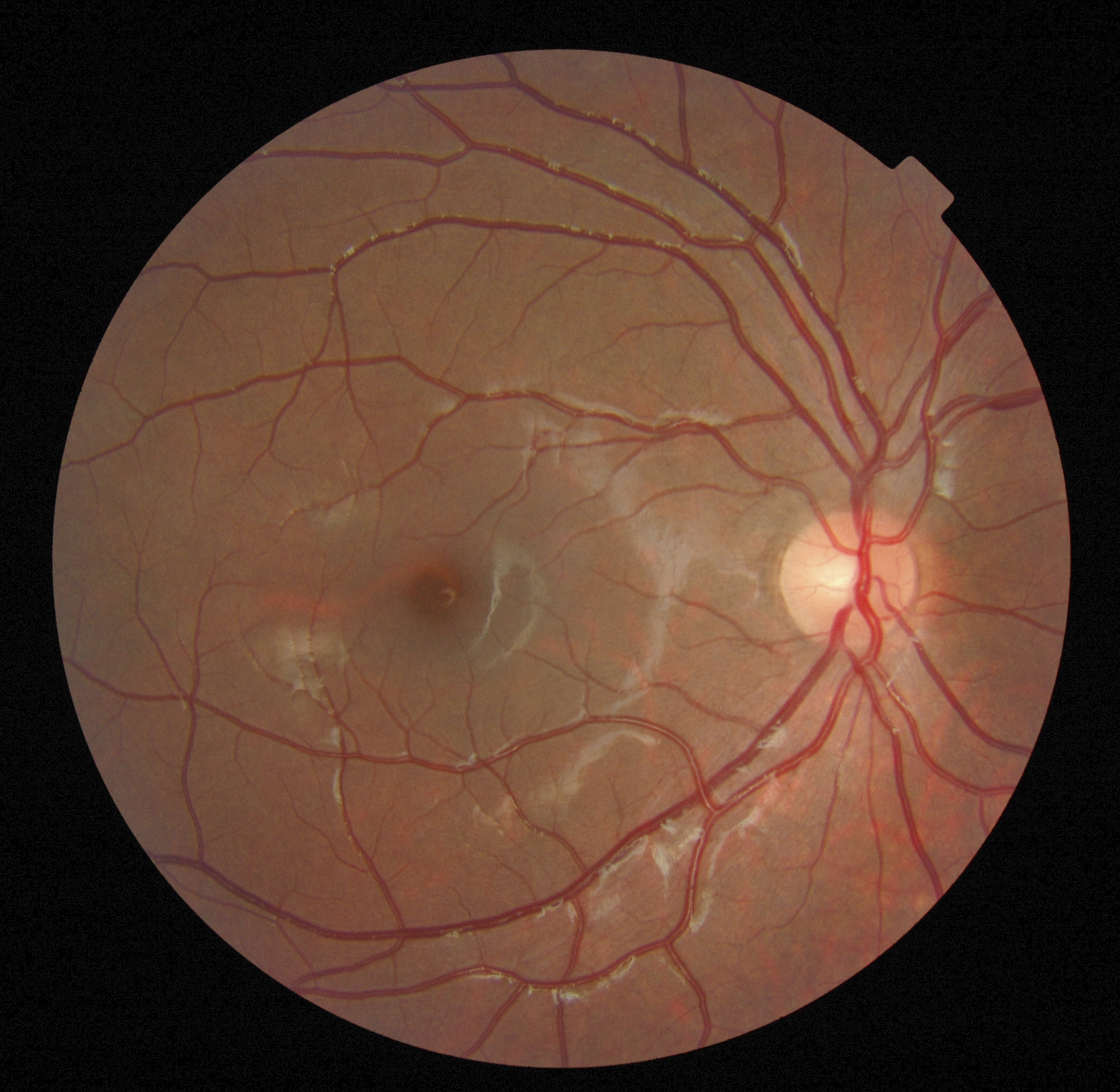
A new Northwestern Medicine study published in the New England Journal of Medicine shows the drug Eylea is superior to other options for improving the eyesight of persons with poor vision due to diabetic macular edema, a major cause of diabetes-related vision loss.
-

Studying the Epidemiology of Coffee
Marilyn Cornelis, PhD, assistant professor in Preventive Medicine-Nutrition, draws on systems epidemiology approaches in her research to understand the potential health consequences of coffee consumption.
-

Auditory Pain Pathway May Protect Against Hearing Loss
Northwestern Medicine scientists have discovered a novel pain pathway in the inner ear that warns of dangerously loud noise and may act as a “bodyguard” for the ears, protecting against hearing loss.
-

Researchers Receive Commercialization Grant to Develop Viral Inhibitors
Jonathan Leis, PhD, professor in Microbiology-Immunology, received a grant to support his research on small molecule inhibitors that block the replication of enveloped viruses such as herpes and HIV.
-
New Human Enzyme Provides Genetic Link to Gestational Diabetes
A new study from Northwestern Medicine and Duke University has identified an enzyme that may be a genetic predictor for whether an expectant mother develops hyperglycemia.
-

Isolated Systolic Hypertension Indicates Heart Disease Risk for Younger Adults
A new Northwestern Medicine study provides evidence suggesting that high systolic blood pressure in younger adults increases their future cardiovascular disease risk.