Tag: Research
-

Comparing Physical Exam Education at U.S. Medical Schools
The resources used to teach the physical exam to pre-clerkship students vary widely across U.S. medical schools, according to a new paper published in Academic Medicine.
-
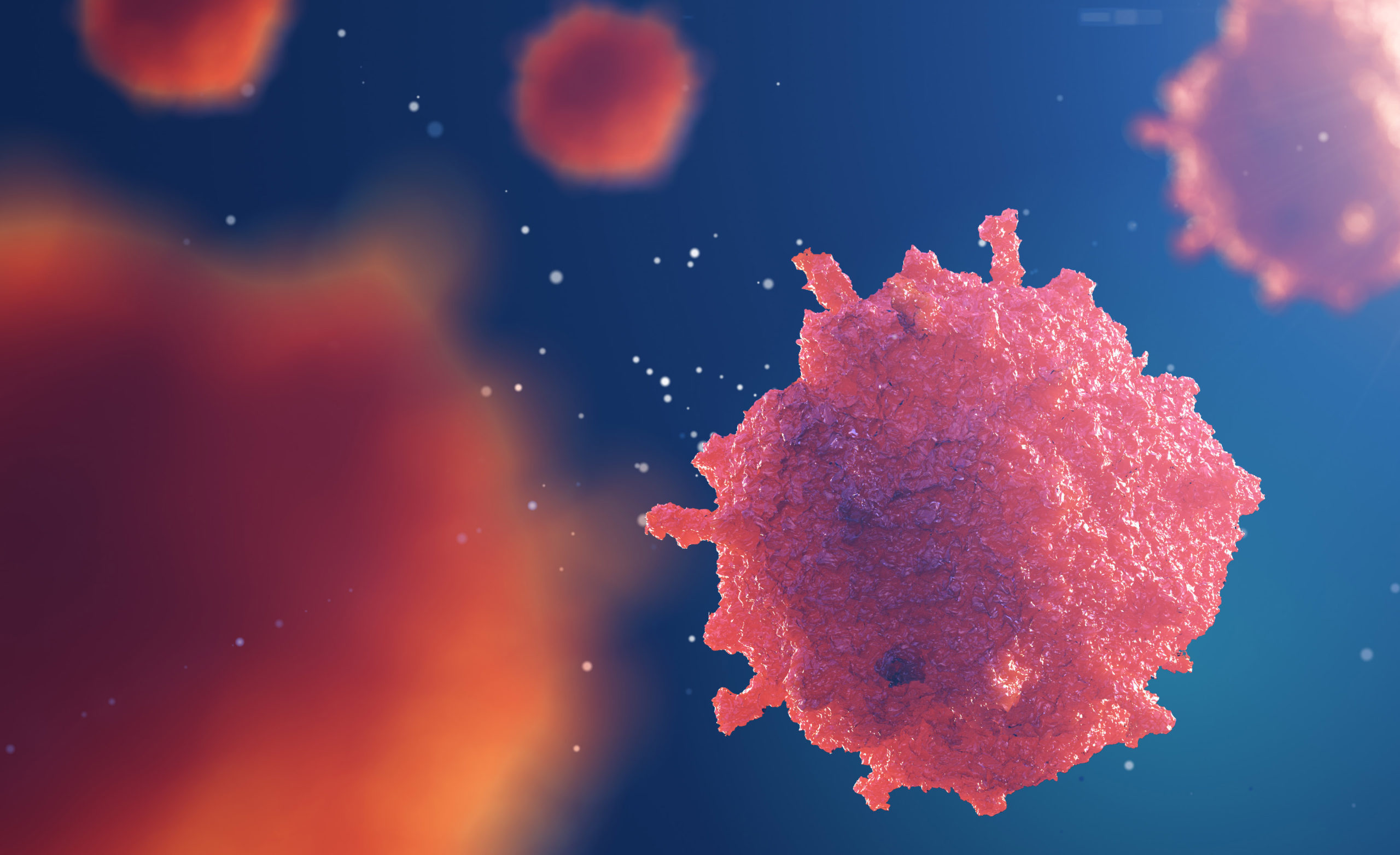
New Insights Into Protein Reveal Potential Therapy for Breast Cancer
Northwestern Medicine scientists have uncovered new findings about a protein called SET1B, which could offer a novel approach to treating triple-negative breast cancer.
-

Regulatory Network Helps Cells Survive in Low Oxygen Environments
Northwestern Medicine scientists identified a complex regulatory system that keeps cells functioning when their oxygen supply is cut off.
-
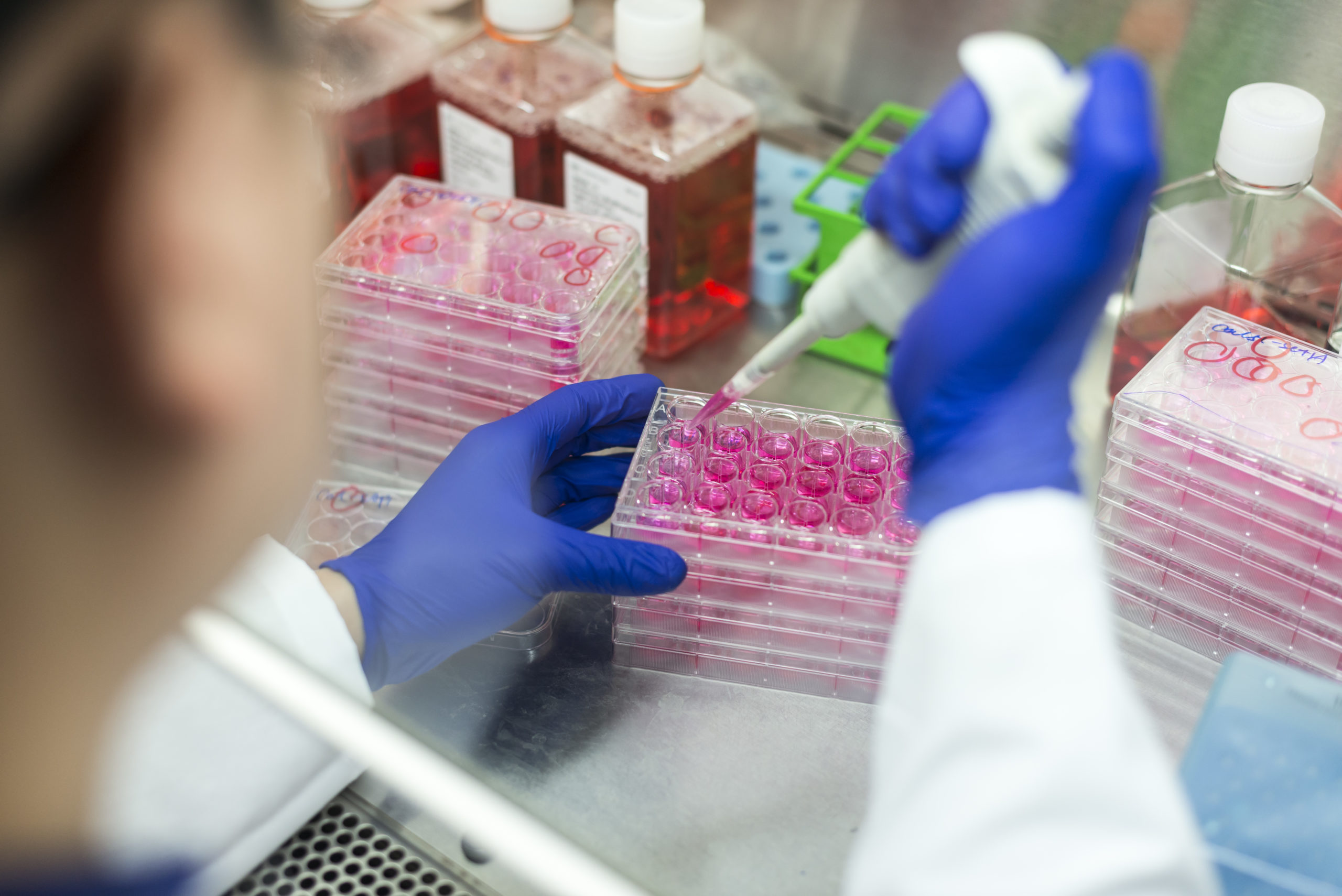
Northwestern Research Funding Breaks Records
Northwestern’s sponsored research awards grew to $676.5 million last fiscal year, the largest amount in the University’s history, including $471.7 million from Feinberg investigators.
-

Northwestern to Advance Our Understanding of the Role of Environment on Genes
A new $10 million gift from University trustees and supporters Louis A. Simpson ’58 and Kimberly K. Querrey will create a center to study the effects of environment on the activation and expression of genes.
-

Amish Longevity May Be Due to Genetic ‘Fountain of Youth’
The first genetic mutation that appears to protect against multiple aspects of biological aging in humans has been discovered in an Amish family in Indiana, according to a new Northwestern Medicine study.
-

Stem Cells Fail to Alleviate Peripheral Artery Disease
A Northwestern Medicine clinical trial found that a stem cell therapy did not improve walking ability in people with peripheral artery disease, although exercise did lead to significant improvements.
-
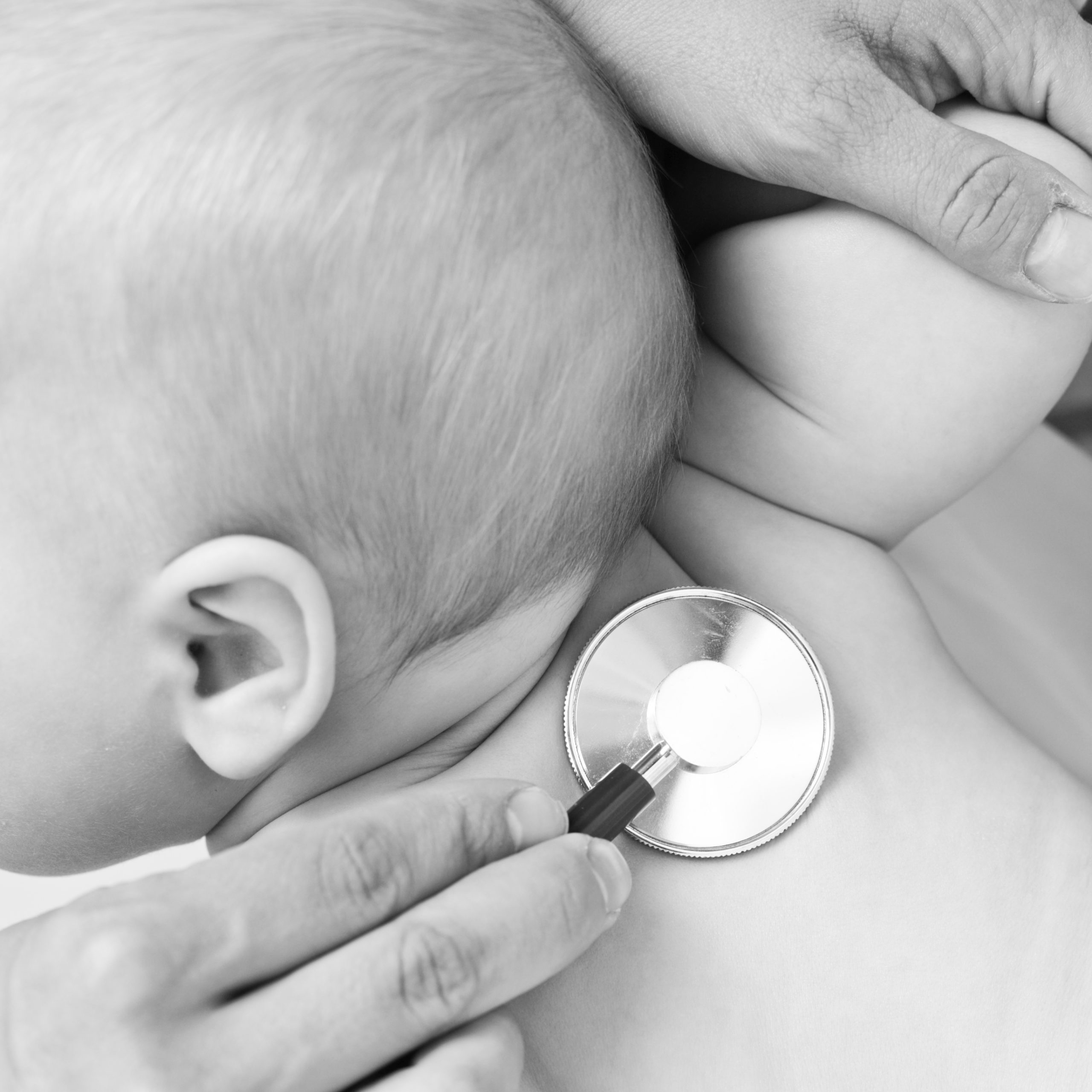
Drug Improves Muscle Function and Survival in Spinal Muscular Atrophy
More than half of infants with infantile-onset spinal muscular atrophy who were treated with nusinersen gained motor milestones, according to a recent Northwestern Medicine trial.
-
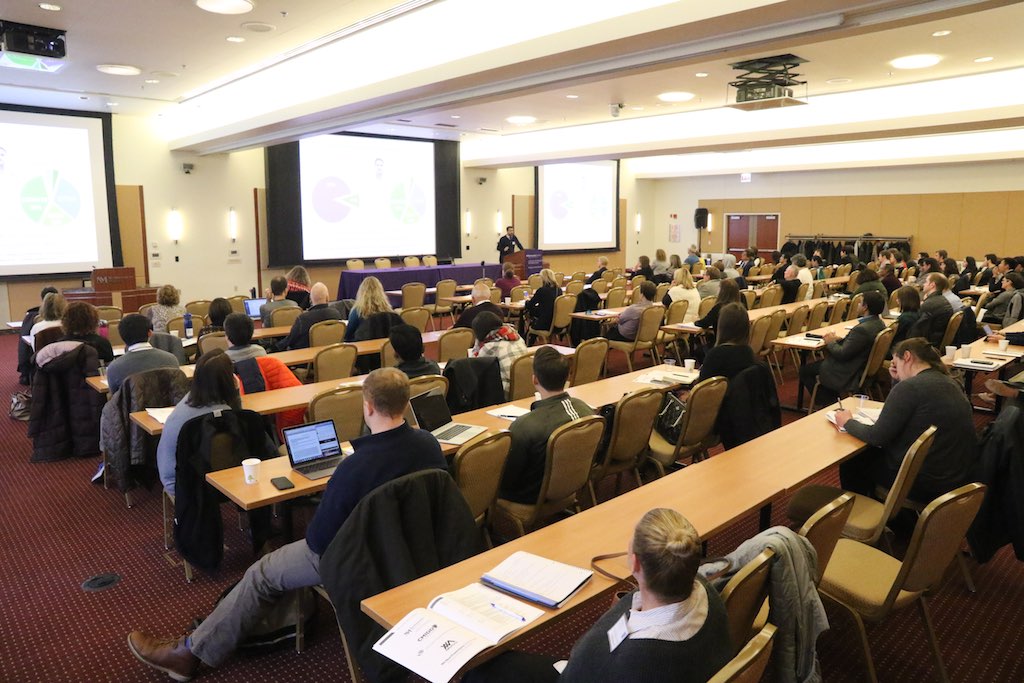
Les Turner ALS Symposium Brings Together Investigators, Clinicians and Patients
The 7th Annual Les Turner Symposium showcased the integration of ALS investigation and clinical care at Northwestern Medicine and the Les Turner ALS Foundation.
-
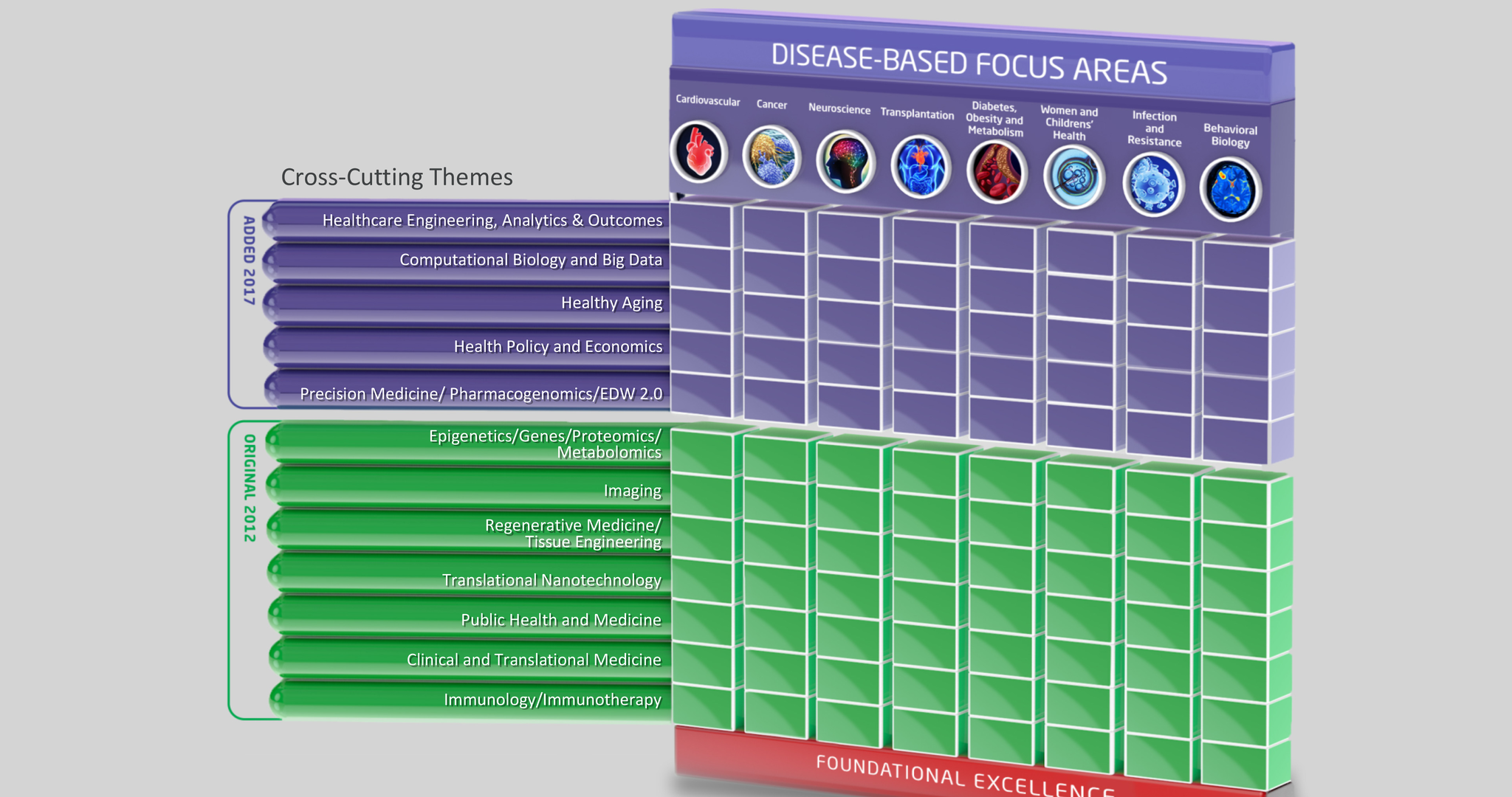
New Strategic Research Plan for Feinberg
New cross-cutting themes and a disease focus area were added to Feinberg’s research strategy, strengthening the vision for years to come.