Author: mrr5831
-
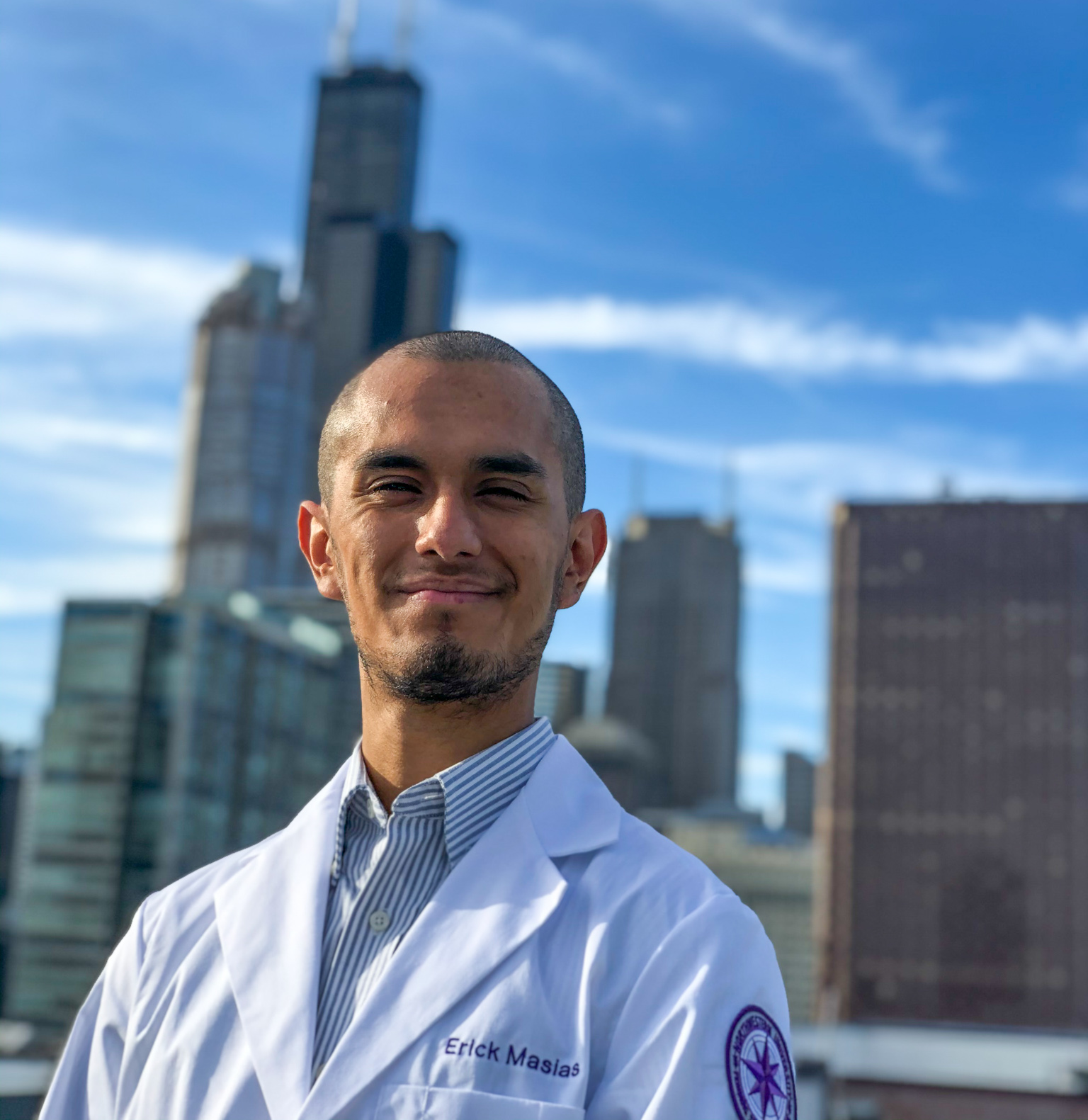
New Medical Student Reflects on His First Week at Feinberg
Erick Masias, a first-year medical student, reflected on his first week at Feinberg and shared what he’s looking forward to over the next four years.
-
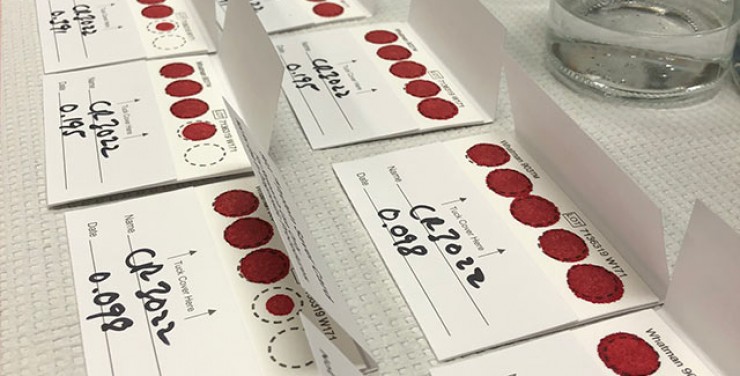
Northwestern Takes on COVID-19 Antibody Testing
At Northwestern Medicine, various COVID-19 antibody testing efforts have been underway since the beginning of the pandemic.
-

Assessing Risk Factors in Critically Ill COVID-19 Patients
Certain factors are associated with increased risk of death in critically ill COVID-19 patients, according to recent Northwestern Medicine studies.
-
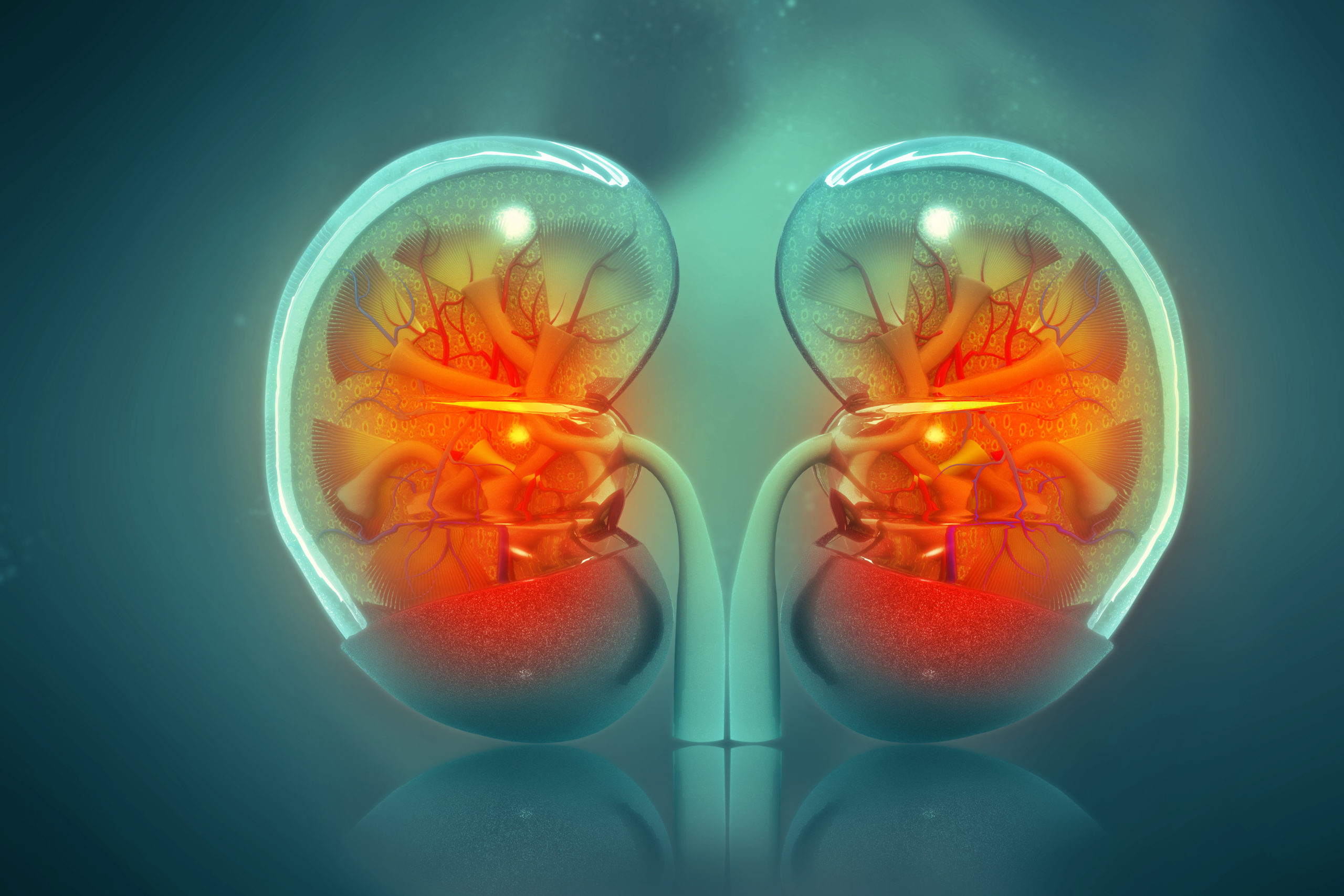
Drug Proves Ineffective in Slowing Diabetic Kidney Disease
A drug commonly used to reduce serum urate levels proved ineffective in slowing disease progression in patients with diabetic kidney disease, according to a recent study.
-

Uncovering the Genetic Link Behind the Development of COPD
A Northwestern Medicine study found that inducing inflammation in lung epithelial cells contributes to the development of chronic obstructive pulmonary disease.
-

First-year Students Welcomed to Campus
When the 160 students of the Class of 2024 stepped onto campus in August, they entered a new world of medical education.
-

Students Share Perspective on Inclusion Task Force
Maya Jackson-Gibson, a fourth-year medical student, and Warren McGee, a fourth-year student in the Medical Scientist Training Program, reflect on their time on Feinberg’s Task Force on Inclusion and Bias.
-

Scientists Develop New Method to Trace Cell Lineage
Northwestern Medicine scientists have developed a novel cell lineage tracing method that can better determine the origin of mammalian neuron populations from progenitor cells.
-

Prioritizing Health Equity
As health inequities affect vulnerable populations, healthcare organizations must shift to a health equity centered, population health approach, according to a recent position paper from the National Academy of Medicine.
-

Protein May Improve Immunotherapy for Medulloblastoma
A specific cell signaling protein may be used to enhance the sensitivity of medulloblastoma tumors to immunotherapy, potentially improving quality of life for patients with the malignant pediatric brain cancer.