Author: kwm107
-
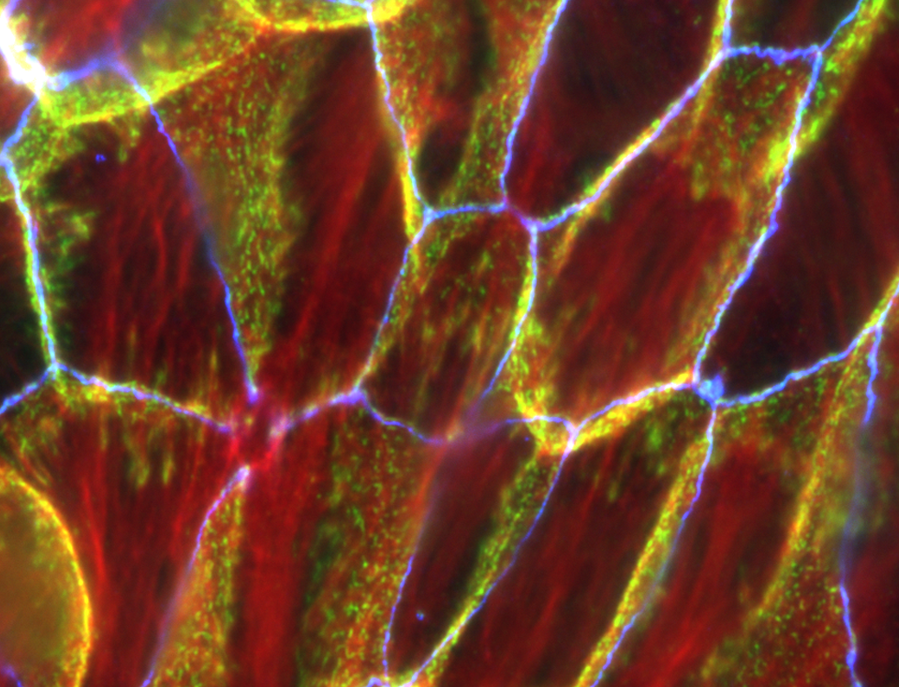
Exploring How Cells Forge Strong and Flexible Bonds
In a recent study, Northwestern Medicine scientists described a new process that explains how the adhesion between epithelial cells occurs.
-

Bringing Feinberg’s Oncofertility Summer Academy to Sudan
Fatima Eldigair, a Sudanese-American senior at Lincoln Park High School, brought Feinberg’s Oncofertility Summer Academy to Sudan at the beginning of August to teach students there about cancer, reproductive biology and bioengineering.
-
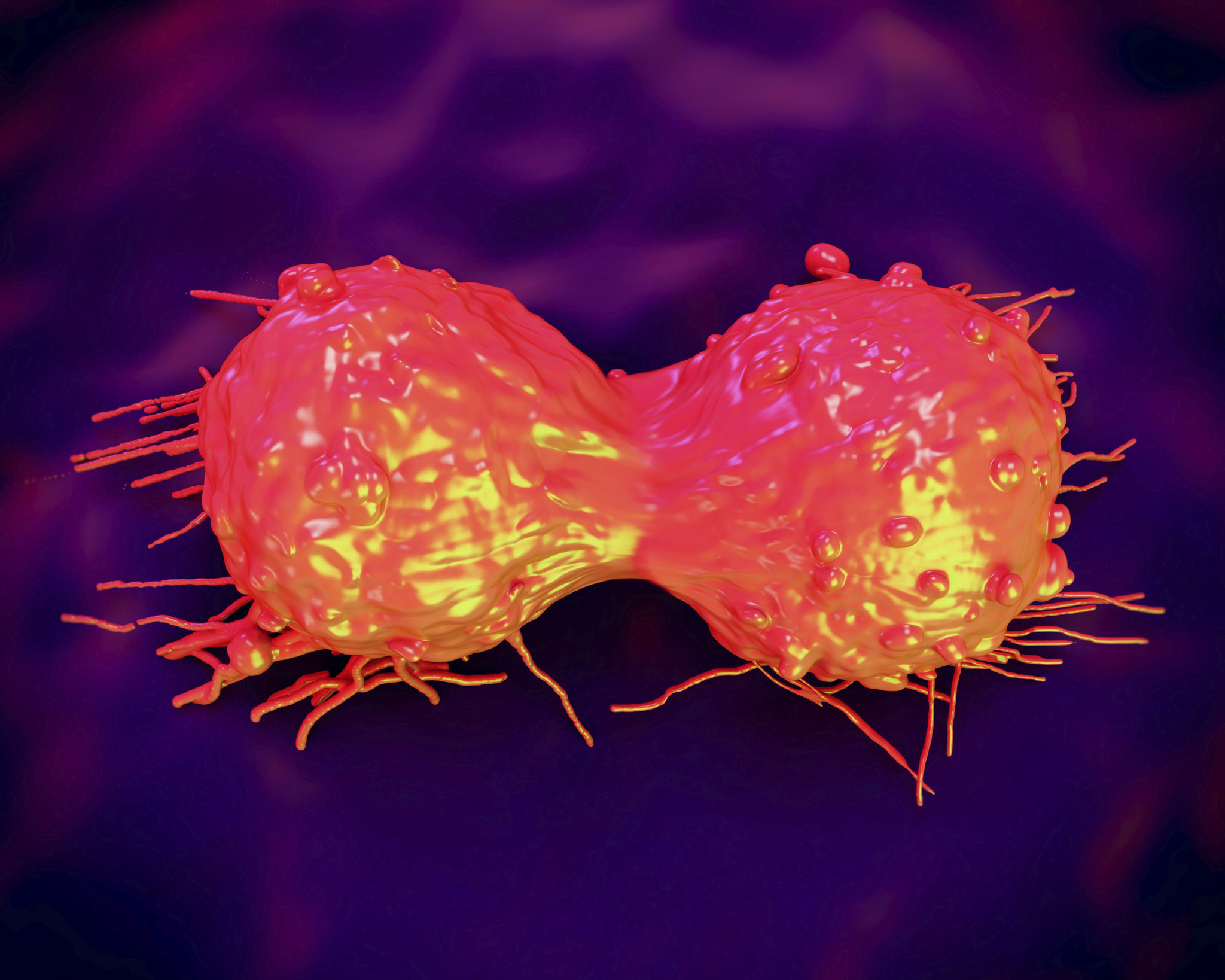
Grant Will Explore New Treatments for Acute Myeloid Leukemia
A multi-center team of scientists have received funding from the National Cancer Institute to develop compounds that may lead to an entirely new treatment for Acute Myeloid Leukemia (AML). The grant, which will provide $1.58 million over three years, will support medicinal chemistry, molecular modeling, and biological testing to optimize small molecule CXCR4-receptor antagonists and…
-
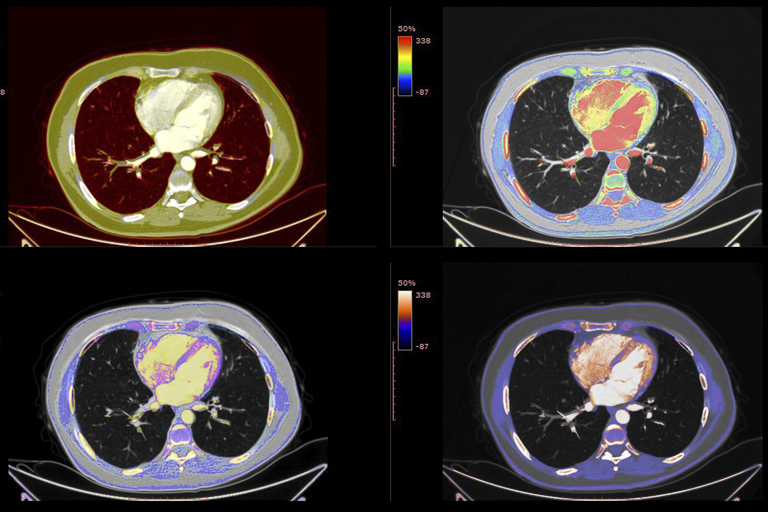
Dr. Vahid Yaghmai Honored by Radiology Society of North America
Vahid Yaghmai, MD, professor of Radiology, has been announced as the recipient of the 2015 Honored Educator Award from the Radiology Society of North America.
-
Unexpected Link to ALS and Dementia
Northwestern Medicine scientists have found evidence that a protein that has a genetic link to ALS and other neurodegenerative diseases destroys mitochondria in neurons.
-
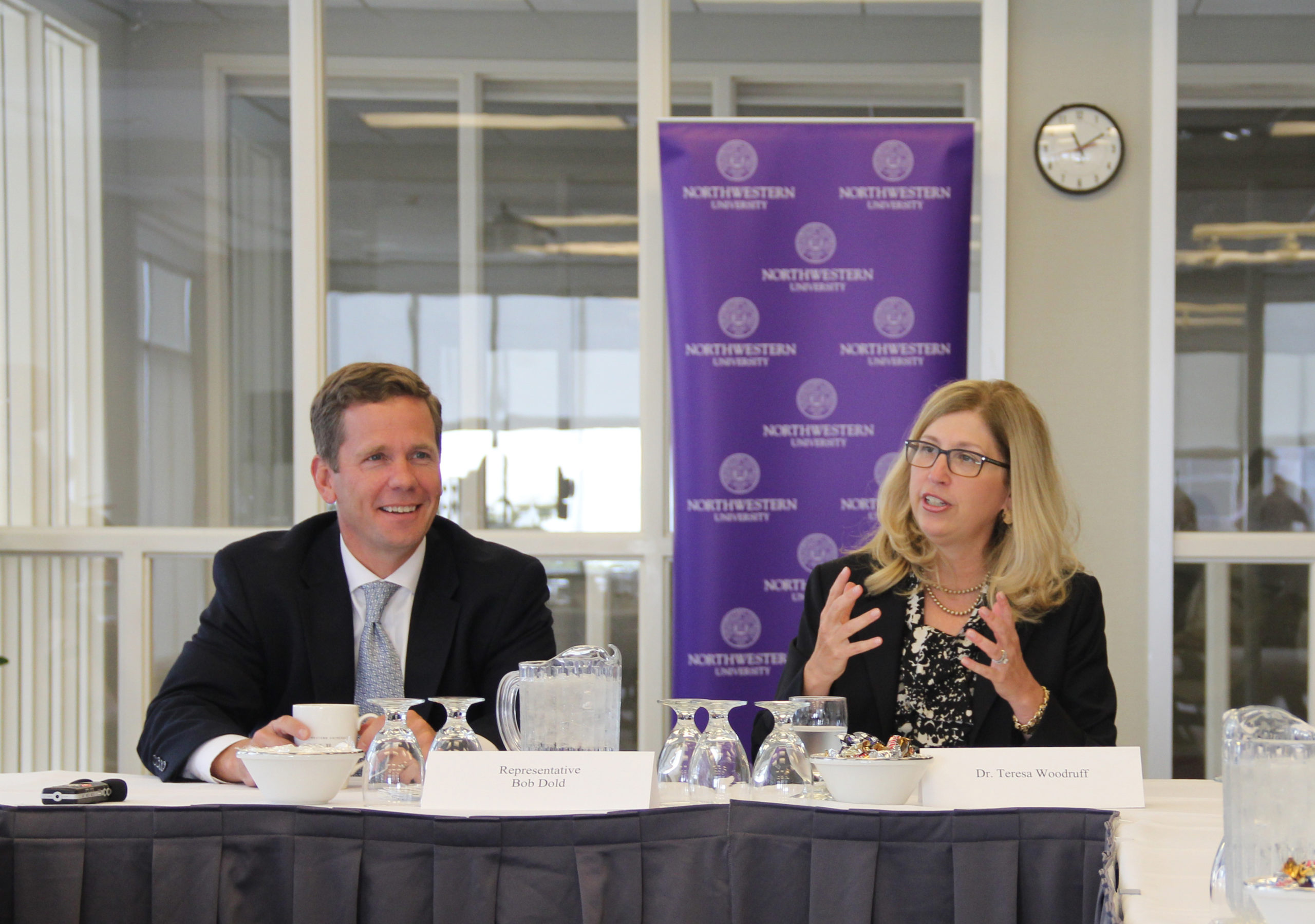
US Rep. Dold Visits Feinberg to Discuss Medical Research Funding
U.S. Rep. Robert Dold visited Northwestern University Feinberg School of Medicine to participate in a roundtable discussion on biomedical research funding with Northwestern Medicine scientists.
-

Using Nanotechnology to Fight Cancer
Northwestern University has received a five-year, $11.7 million grant from the National Cancer Institute to use nanotechnology to develop next-generation cancer treatments.
-
New Partnership Unites All Fields of HIV Research
The Third Coast Center for AIDS Research, a partnership between Northwestern University, the University of Chicago, the Chicago Department of Public Health and several community organizations, integrates multiple disciplines of research to help slow and stop HIV.
-
Few Teenage Gay Men Get Tested For HIV
Young men who have sex with men have the highest risk for HIV infection, but only one in five has ever been tested for HIV, a much lower rate than testing for non-adolescents, according to a new study.
-
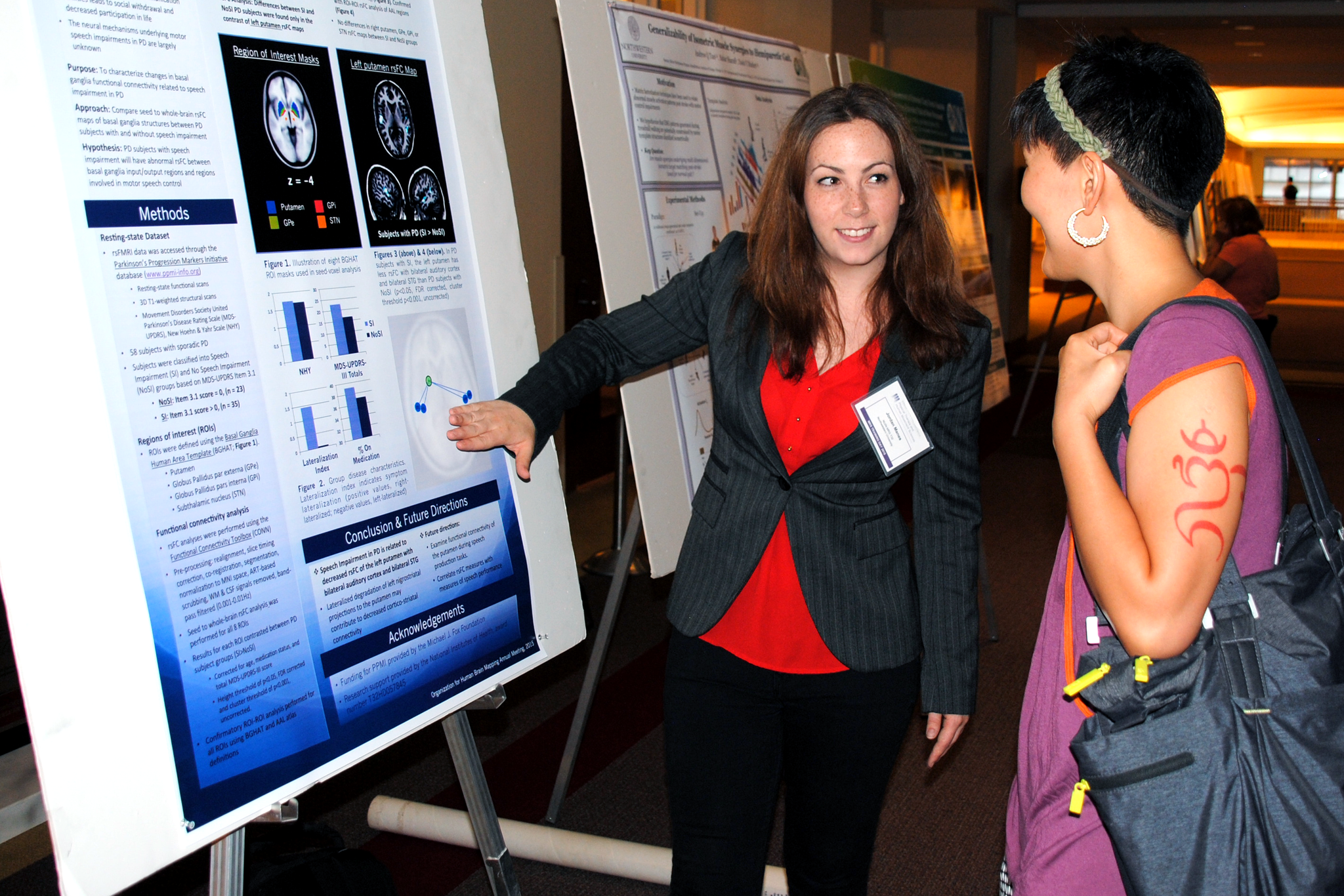
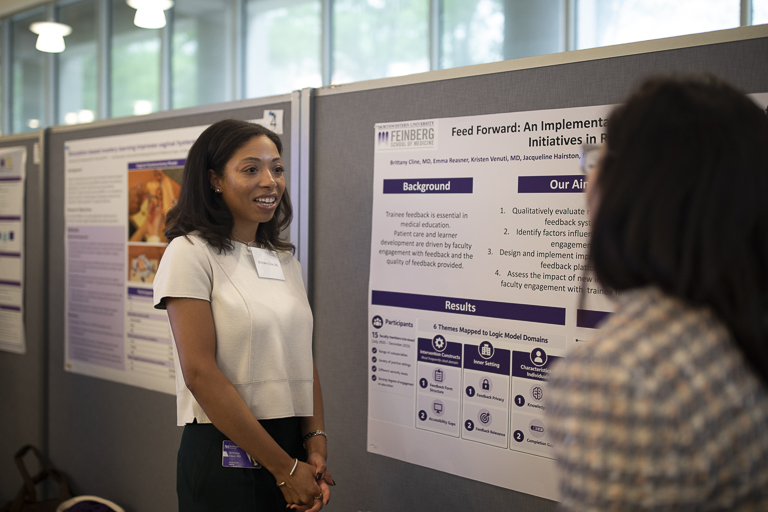
Presenting Research at Movement and Rehabilitation Sciences Training Day
Students, postdoctoral fellows and faculty showcased their work in the field of rehabilitation medicine at Feinberg’s fifth annual Movement and Rehabilitation Sciences (MRS) Training Day.