Author: kwm107
-

Novel AI Tool Rapidly Measures Colonoscopy Quality
Northwestern scientists have developed an AI tool that rapidly and successfully measures colonoscopy quality by reviewing footage of the procedure.
-
RNA Therapy May Help Preserve Muscle During GLP-1 Weight Loss
A new Northwestern University study offers a potential solution to muscle loss during GLP-1 therapy: an experimental RNA therapy that induces the body to burn calories, enhancing the benefits of the weight-loss treatment.
-
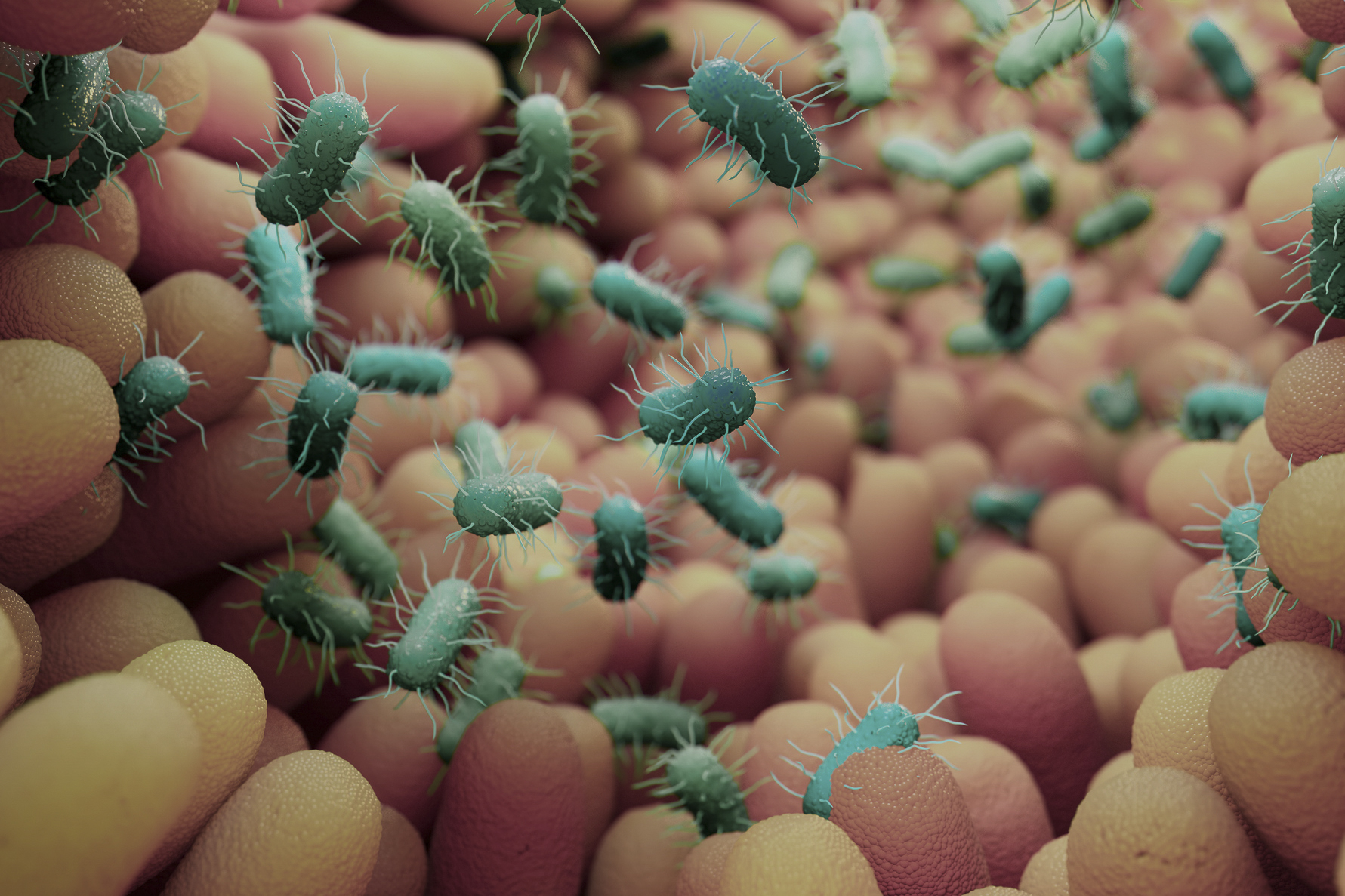
Genetic Toolkit May Improve Study of Gut Bacteria’s Role in Disease
A novel genetic toolkit may improve the study of how Clostridia bacteria in the gut contribute to disease and reveal new molecular mechanisms that may serve as effective therapeutic targets, as detailed in a recent study published in Nature Biotechnology.
-

Feinberg Welcomes New MD Class with Weeklong Introduction to the Profession
Feinberg welcomed the entering MD Class of 2026 during the weeklong Introduction to the Profession module, which concludes with Founders’ Day, and introduces first-year students to the foundations of their medical education.
-
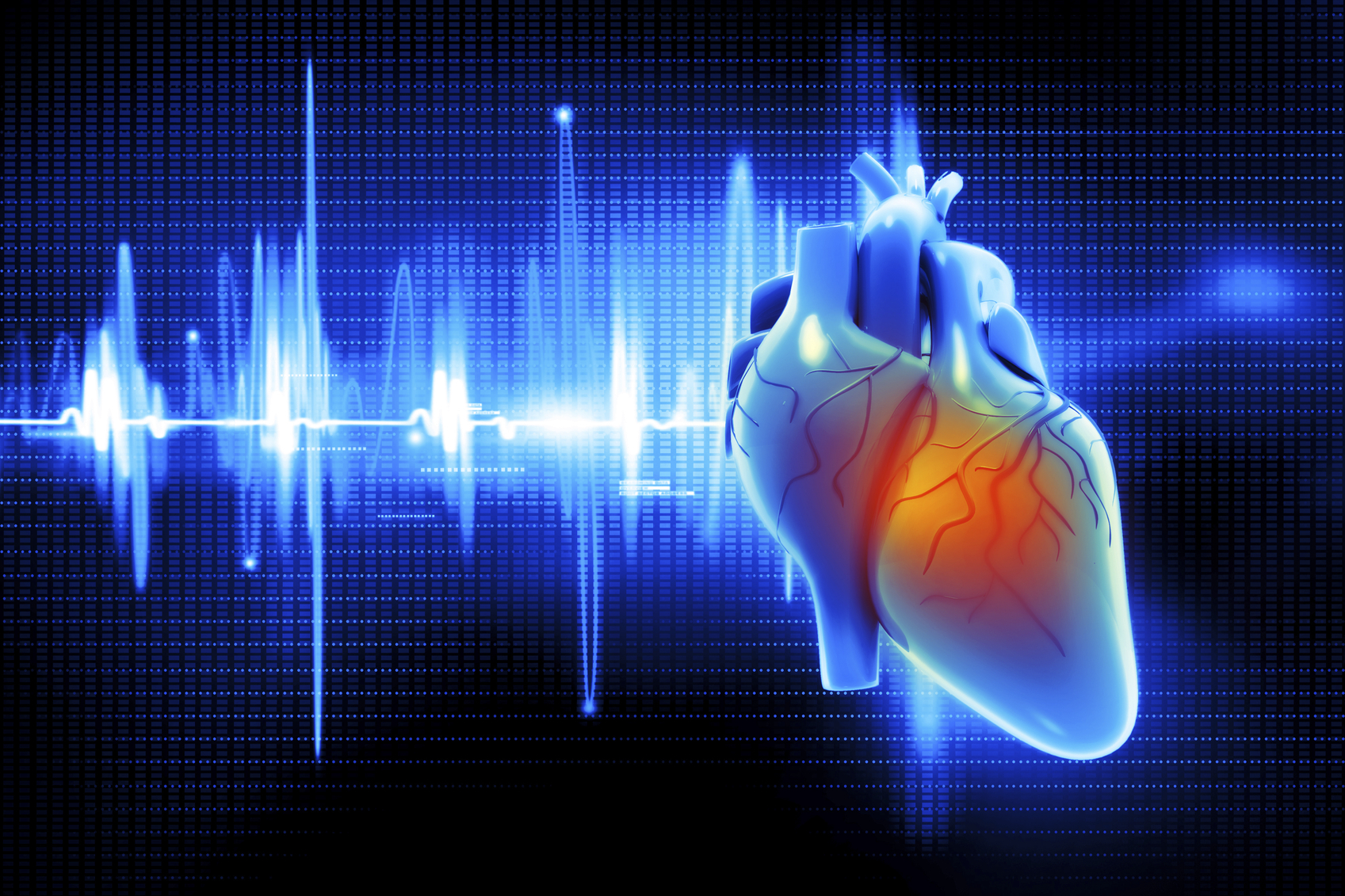
Assessing the Benefit of Heart Calcium Scans
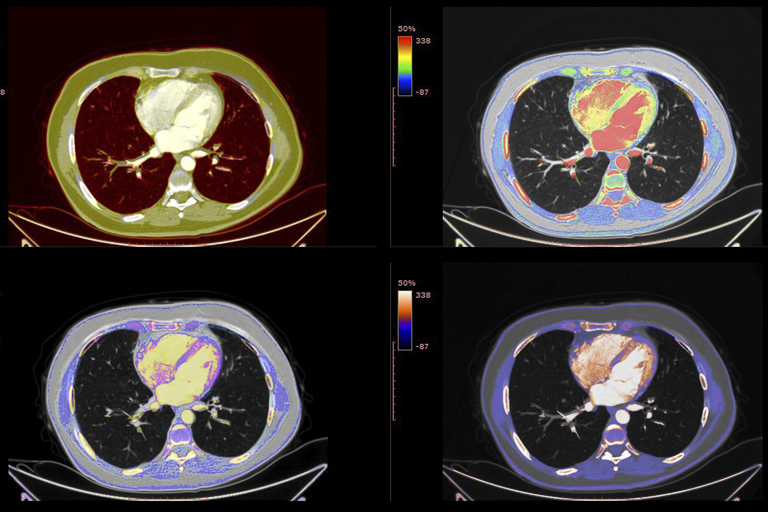
A new Northwestern Medicine study shows that a test known as a coronary artery calcium scan may be most valuable only for a specific group of patients.
-

Extreme Heat Linked to 33 Diagnoses That Go Beyond Dehydration, Heat Stroke
A new Northwestern University study suggests that extreme heat is linked to a much wider range of health problems seen in emergency departments and urgent care clinics than previously expected.
-

Pioneering Brain Injury Expert and Leading Voice in Rehabilitation Medicine Named New Chair of Physical Medicine and Rehabilitation
Nationally recognized brain injury expert and distinguished physiatrist Flora Hammond, MD, chair of Physical Medicine and Rehabilitation at Indiana University School of Medicine and chief of medical affairs at the Rehabilitation Hospital of Indiana, has been named the Paul B. Magnuson Professor and chair of the Department of Physical Medicine and Rehabilitation.
-
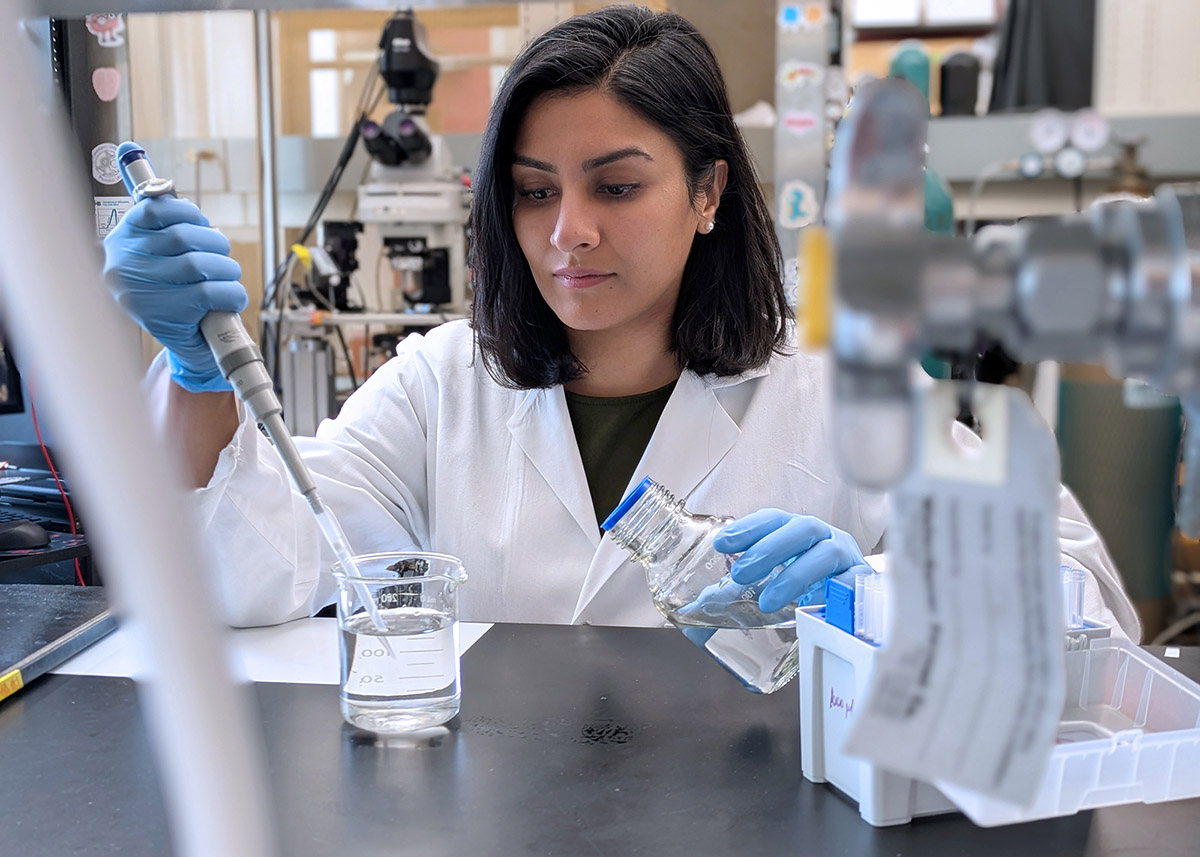
Loneliness Rewires the Brain to Drive Alcohol Consumption, Mouse Study Finds
Loneliness can reprogram the brain in ways that push alcohol consumption, reports a new preclinical study led by Northwestern University and the Salk Institute for Biological Studies.
-
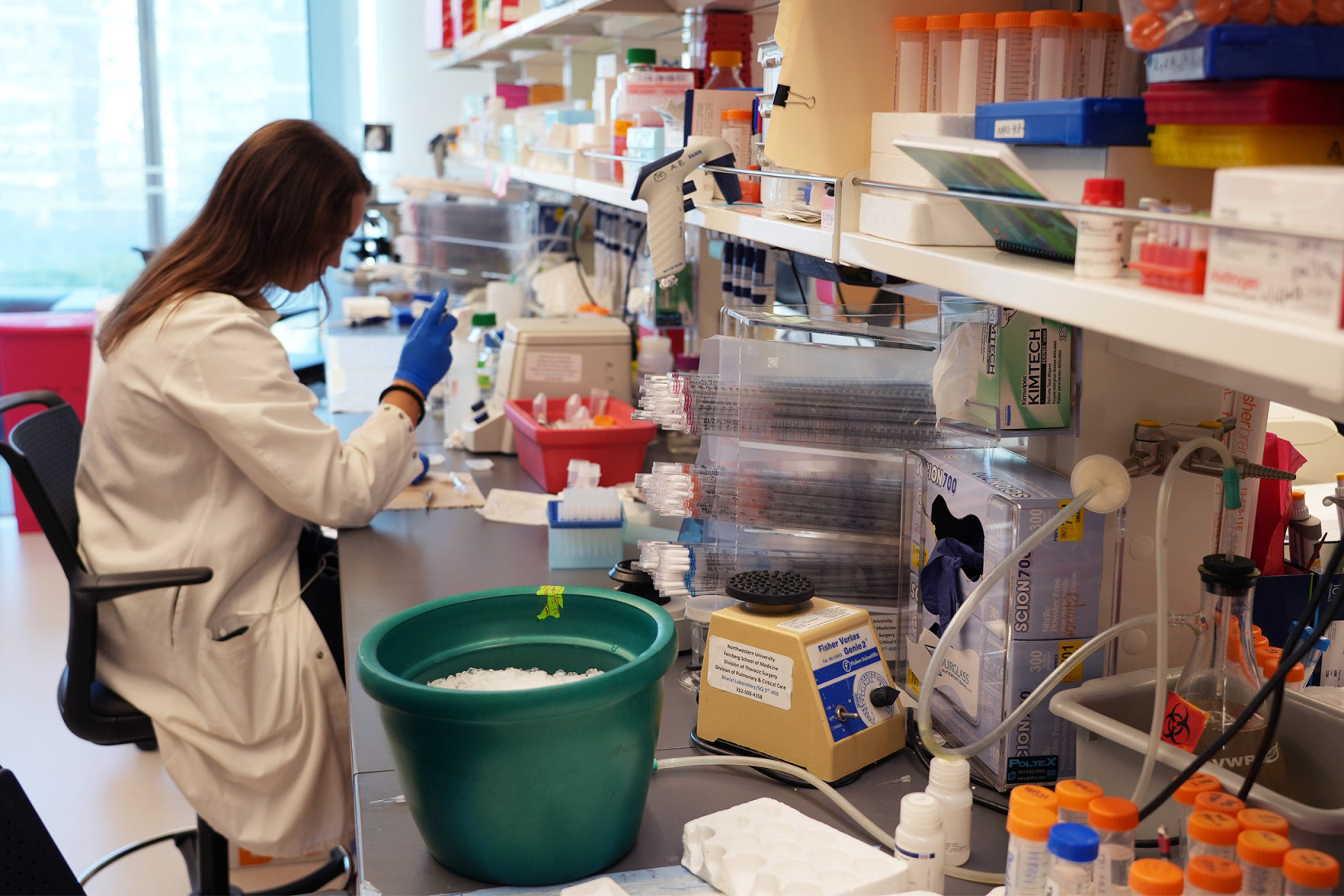
Northwestern Medicine Study Reveals Hidden Immune Environment in Myasthenia Gravis Patients
In a study published in Science Advances, Northwestern Medicine scientists uncovered a previously hidden immune environment in the thymus that may help drive myasthenia gravis, a chronic autoimmune disease that causes muscle weakness and fatigue.
-
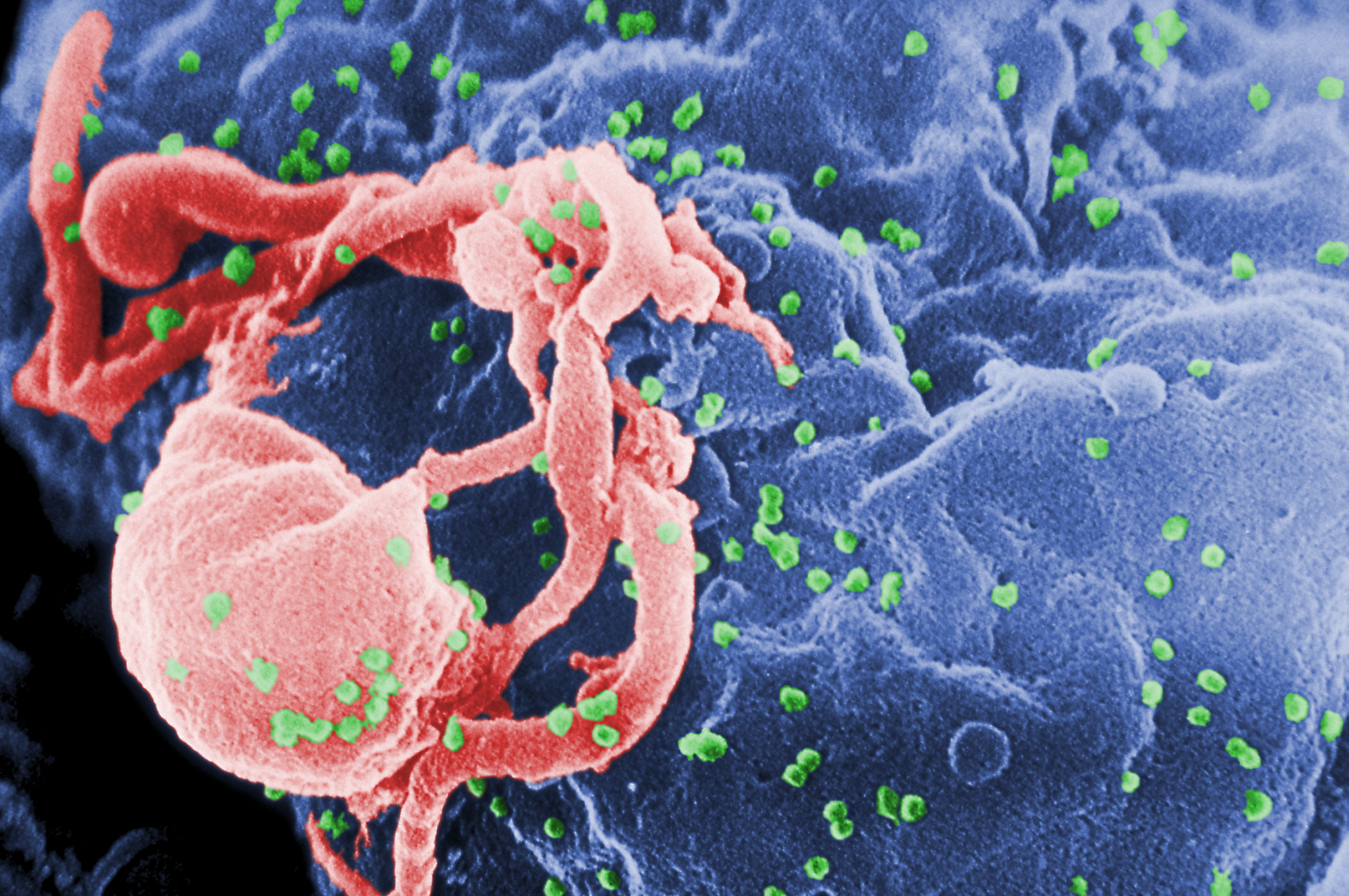
Tumor-Like Tissue Environments Could Hold Clues to Curing HIV
The tissue microenvironments surrounding HIV-infected immune cells look a lot like those surrounding cancerous tumors, according to a new Northwestern study.