Author: kwm107
-
Nanotherapy Offers New Hope for the Treatment of Type 1 Diabetes
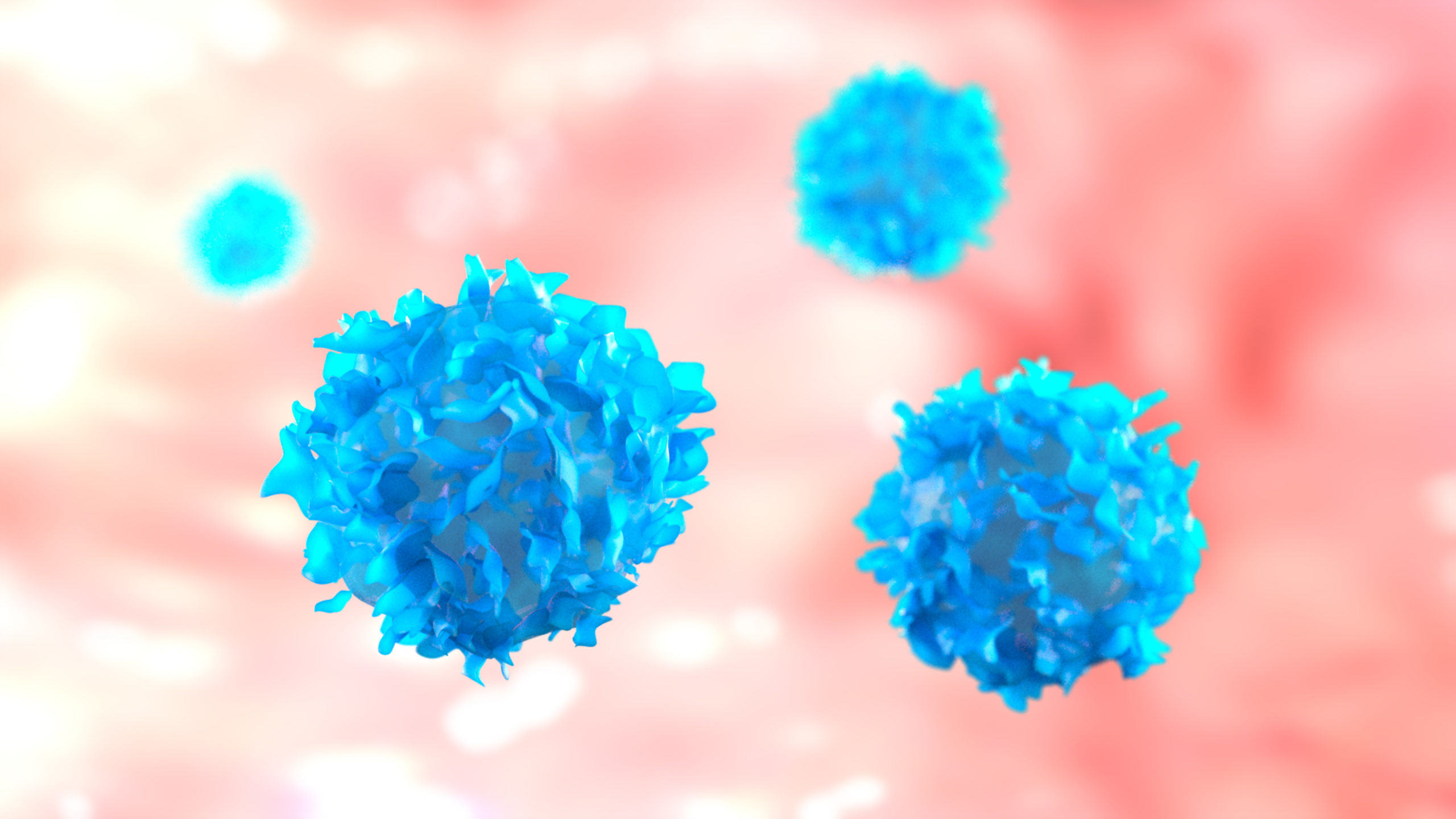
A new Northwestern study has discovered a technique to help make immunomodulation more effective, potentially improving treatment for type 1 diabetes.
-

Without Coronary Calcium, Risk Factors Impact Cardiovascular Disease
Among patients with no detectable coronary artery calcium, those who smoke, have diabetes or hypertension have the highest risk of cardiovascular disease events, according to a recent study.
-

Genome Editing Made Possible on Cells Lining Blood Vessel Walls
The laboratory of YouYang Zhao, PhD, developed a unique nanoparticle to deliver genome editing technology, including CRISPR/Cas9, to vascular endothelial cells.
-

In Cancer Treatment, Quality of Life Matters More and More
A Northwestern Medicine study has found that a new combination immune therapy treatment not only extended cancer patients’ lives better than other treatments, it also was less toxic to their overall health than other drugs on the market.
-

Winter Elected President of the American Society of Hematology
Jane Winter, MD, a highly regarded lymphoma expert, will serve as president of the American Society of Hematology for a year-long term through December 2022.
-

Improving Pre-Surgical Workups for Epilepsy
Using MRI, EEG and clinical characteristics, the pre-surgical workup can predict if patients with epilepsy will benefit from a more invasive examination.
-

Top 5 Breakthroughs Podcasts of 2021
Of the more than 20 episodes of the medical school’s Breakthroughs podcast produced in 2021, the most popular ranged across specialties from gastroenterology to nanotechnology. Listen to the top five episodes of the year and earn Continuing Medical Education credit.
-

Secondary Structures in DNA are Associated With Cancer
A new Northwestern Medicine study reports that DNA manifested as knot-like folds and third rungs between DNA’s two strands may drive cancer development and an important regulatory enzyme could be associated with the formation of these unusual structures.
-

New Potocsnak Longevity Institute Hopes to Lengthen Human ‘Healthspan’
Northwestern University Feinberg School of Medicine has established the Potocsnak Longevity Institute, an ambitious multi-center institute, with the goal of rapidly advancing the science of aging.
-

Study Reveals Potential Therapeutic Target for Genetic Liver Disease
Northwestern Medicine investigators have discovered the molecular mechanisms underlying a rare genetic disorder that increases the risk of severe liver disease, according to a recent study.