Author: kwm107
-
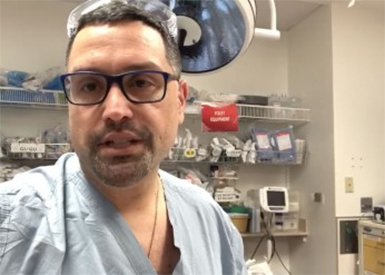
‘Take this Seriously,’ Say Northwestern Doctors in COVID-19 Video
Using selfie video messages filmed in their workplaces, Northwestern Medicine physicians and medical experts on the front lines of the COVID-19 pandemic urge the community to take the health crisis seriously.
-
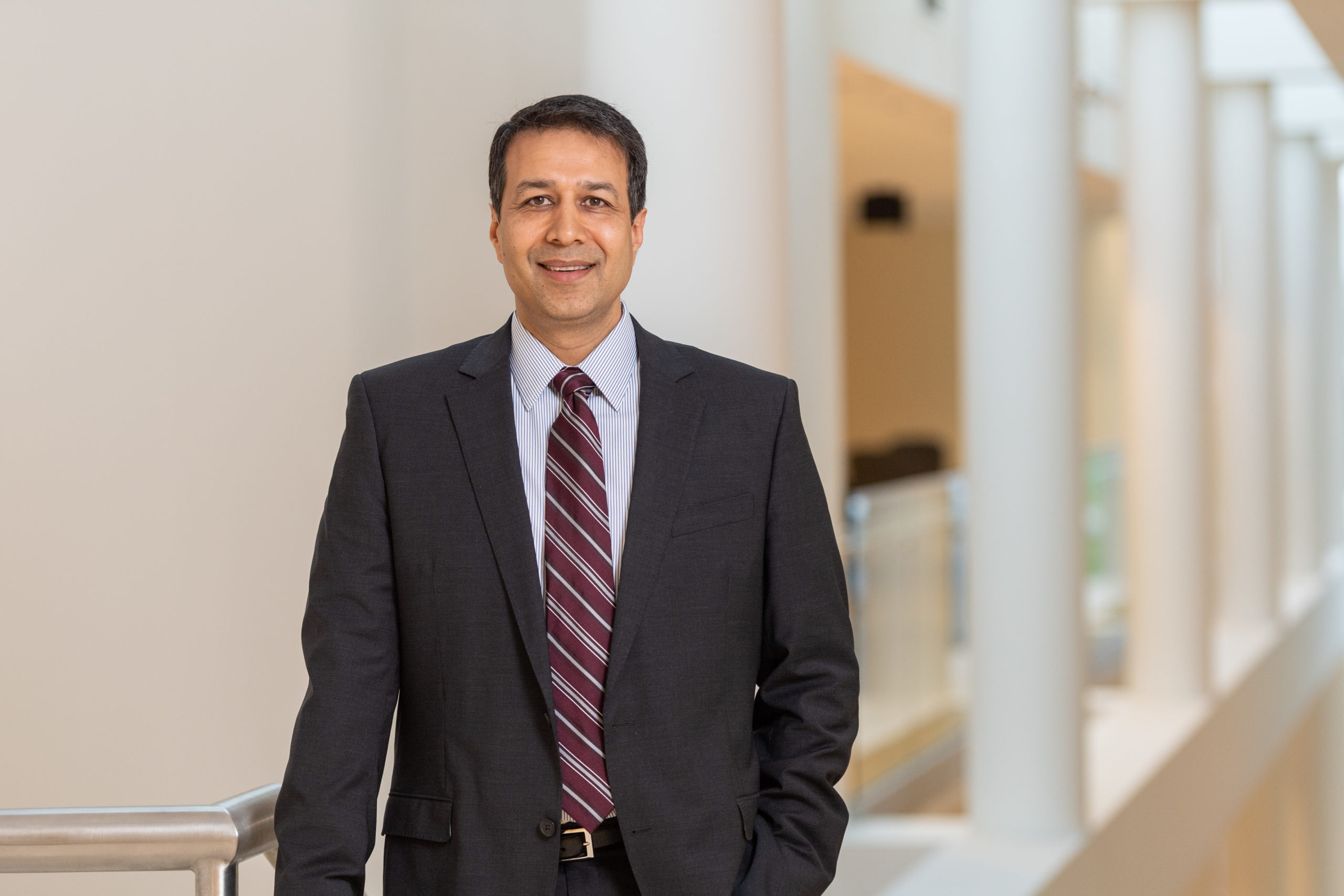
Distinguished Surgeon Named Chair of Surgery
Hasan B. Alam, MD, the Norman W. Thompson Professor of Surgery and section head for general surgery at the University of Michigan Medical Center, has been named the Loyal and Edith Davis Professor and chair of the Department of Surgery.
-
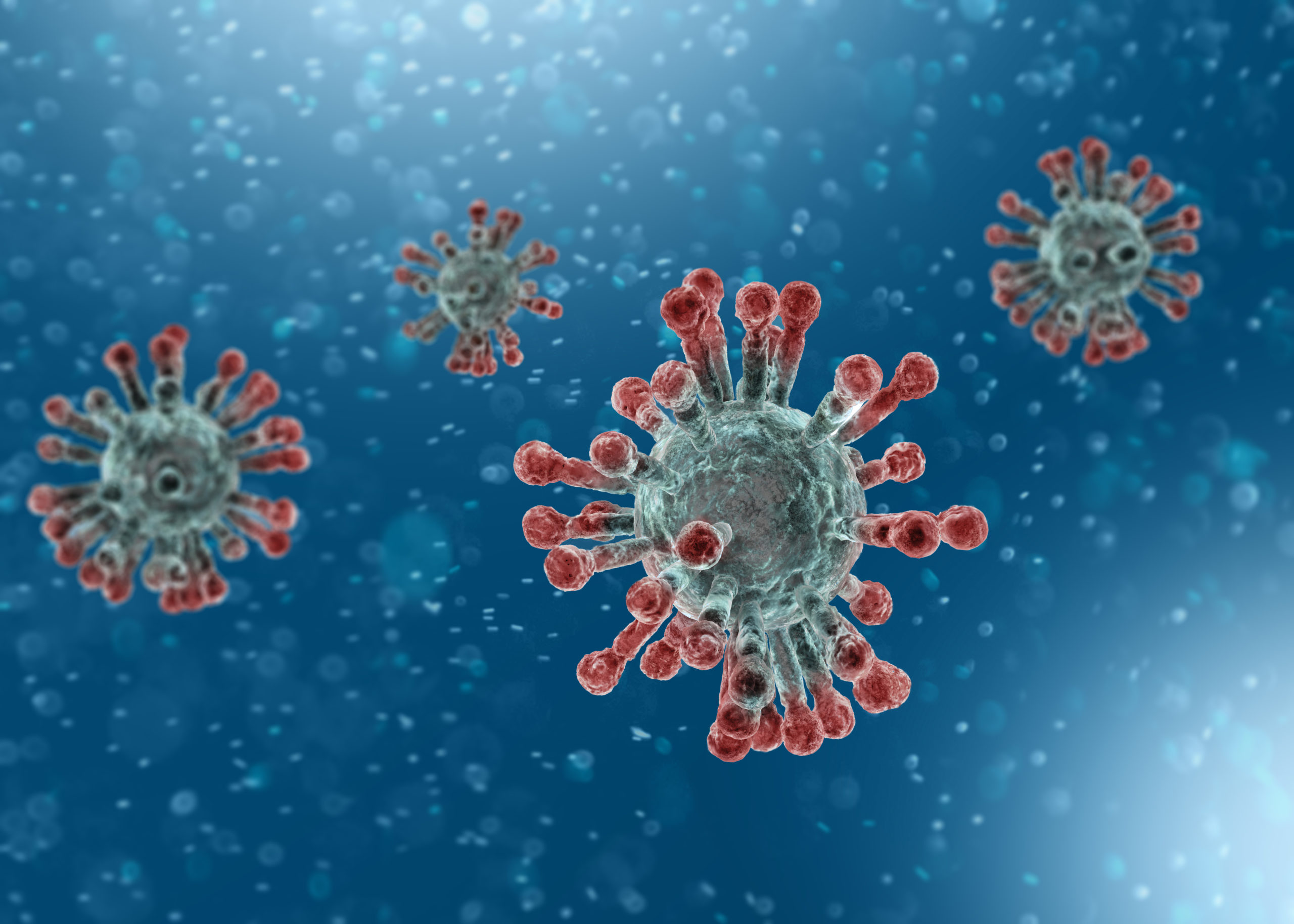
New Drug Target Found for COVID-19
A new potential drug target has been identified in SARS CoV-2 – the virus that causes COVID-19 – by scientists who say multiple drugs will likely be needed to respond to the pandemic.
-

Feinberg Ranks Among Top Medical Schools in the Nation
Northwestern University Feinberg School of Medicine was recognized as one of the best research-oriented medical schools in the nation, rising one spot to rank 18th, according to the latest U.S. News & World Report rankings, released today.
-
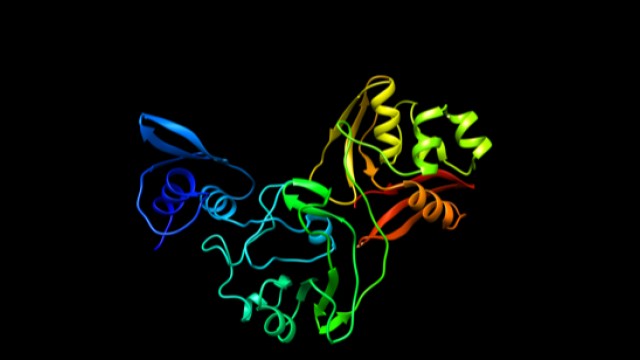
New Coronavirus Protein Reveals Drug Target
A potential drug target has been identified in a newly mapped protein of SARS-CoV-2, the virus that causes coronavirus disease 2019 (COVID-19).
-
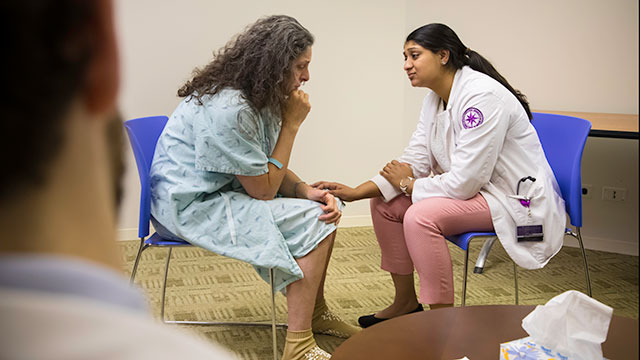
Delivering Bad News: ‘Patients Remember These Conversations Forever’
A Northwestern Medicine study shows how simulation-based mastery learning helps train physicians to have difficult conversations with patients in a clear and compassionate way.
-

People-Driven, Data Powered: Feinberg Launches New Institute for Artificial Intelligence in Medicine
Northwestern University Feinberg School of Medicine has established a new Institute for Artificial Intelligence in Medicine, with the goal of augmenting human expertise with computational methods to advance the science of human health.
-
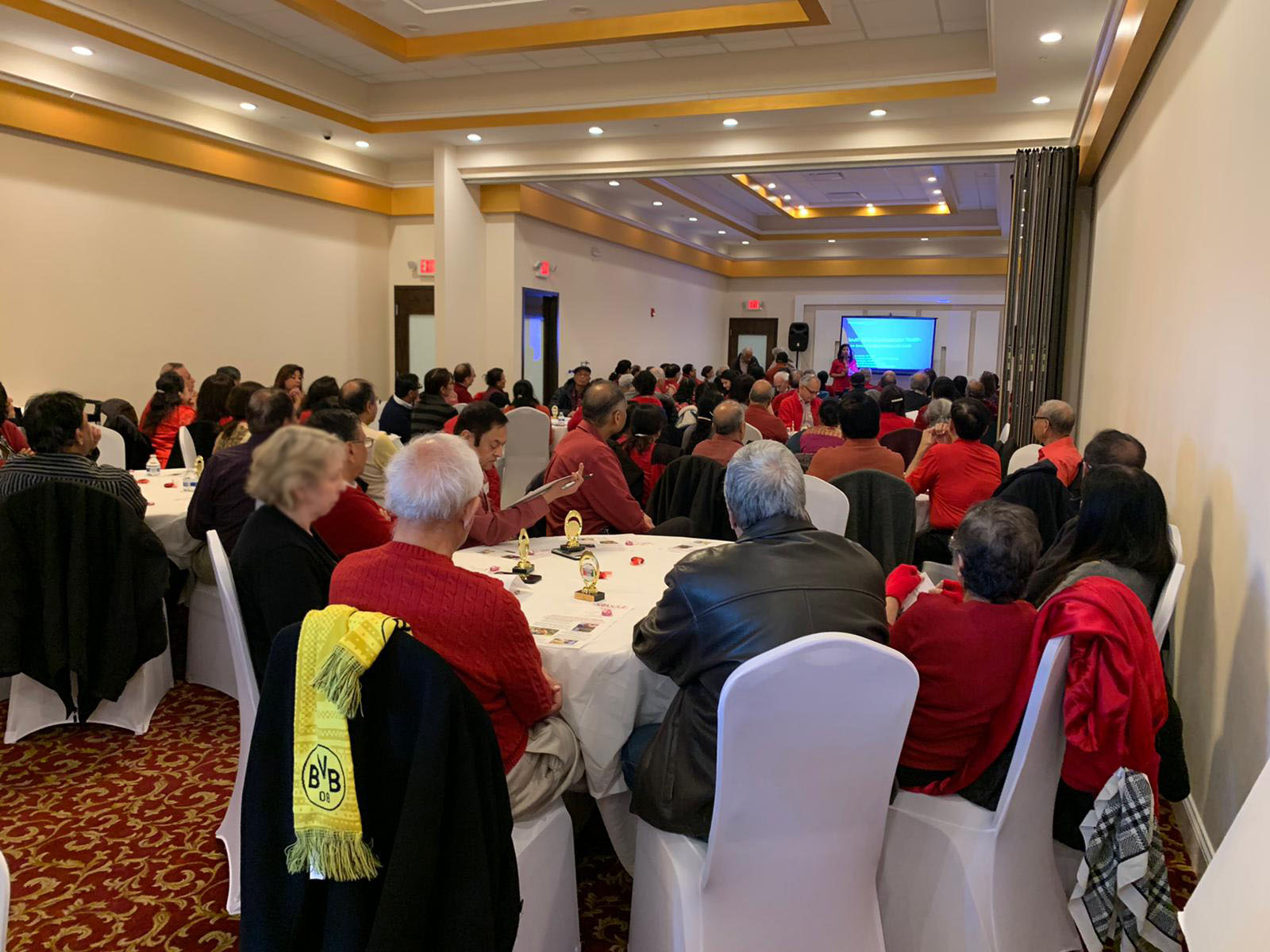
Celebrating 10 Years of Collaborative Research with the South Asian American Community
Attendees recently celebrated the 10 year anniversary of the Mediators of Atherosclerosis in South Asians Living in America (MASALA) Study, the first longitudinal cohort study to investigate heart disease and diabetes risk factors that contribute to disparities in South Asian Americans.
-
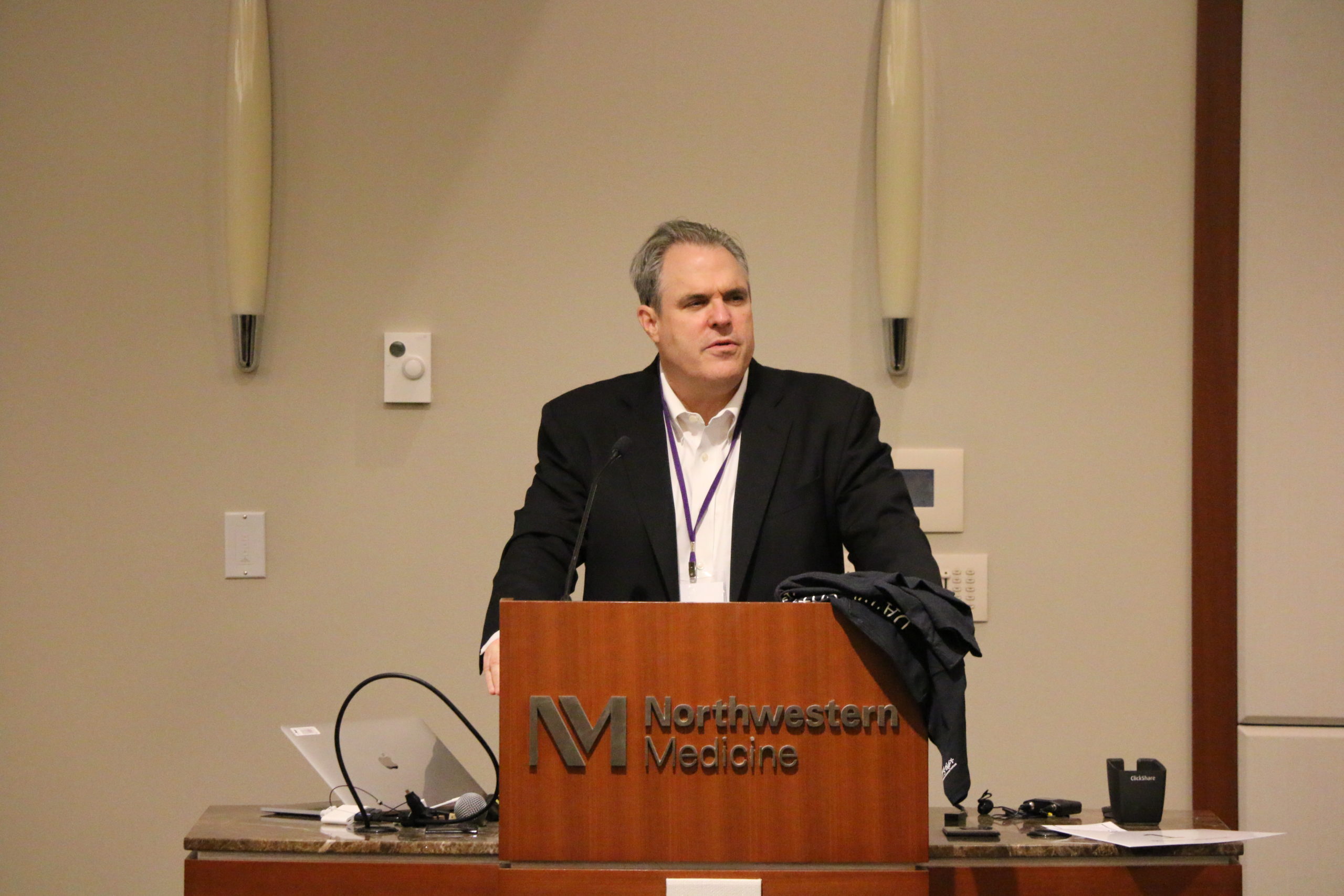
Record Turnout for Northwestern’s Biomedical Data Science Day
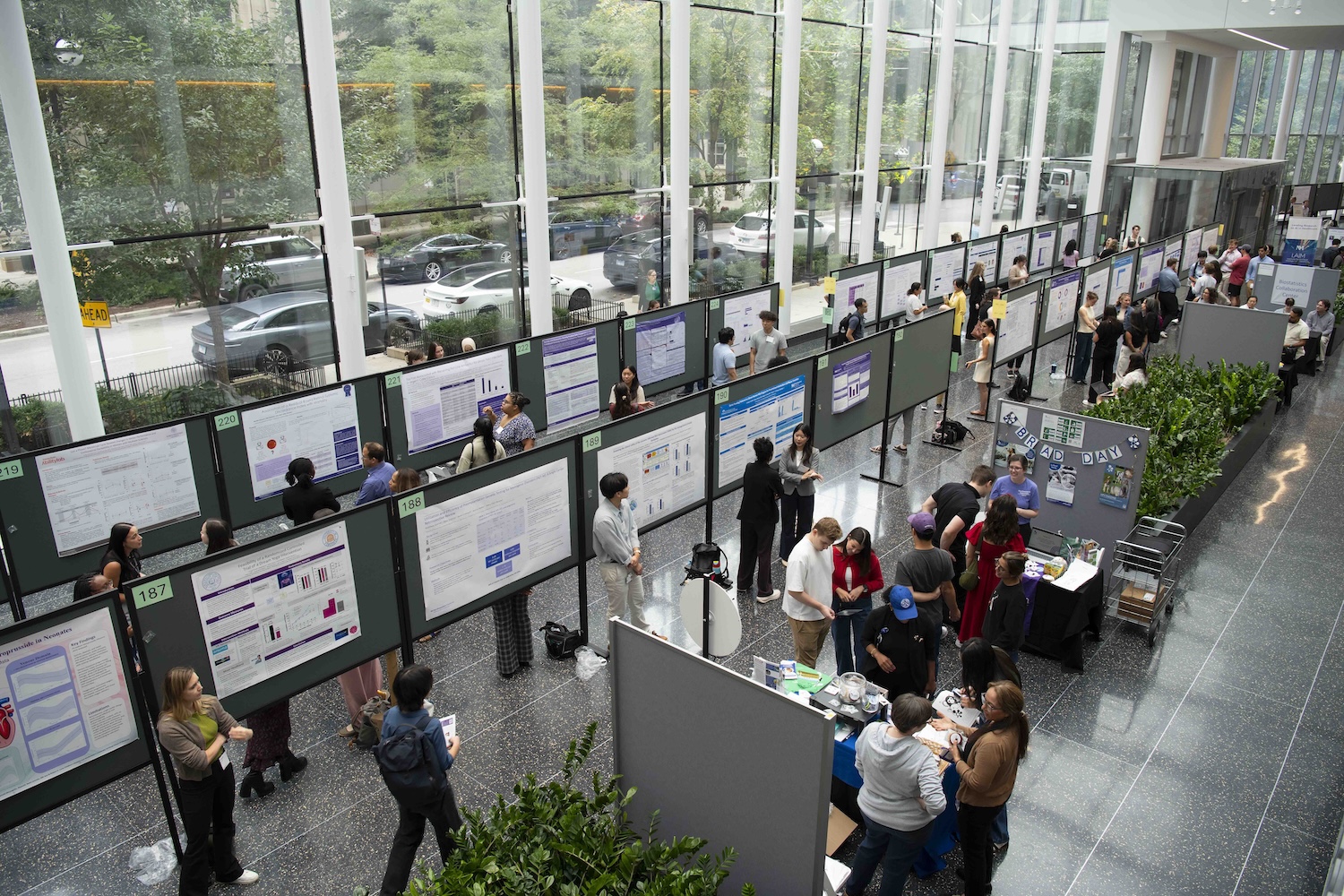
Nearly 300 people attended Northwestern’s Biomedical Data Science Day, which included dozens of immersive and interactive workshops and talks on the current state of biomedical data research.
-
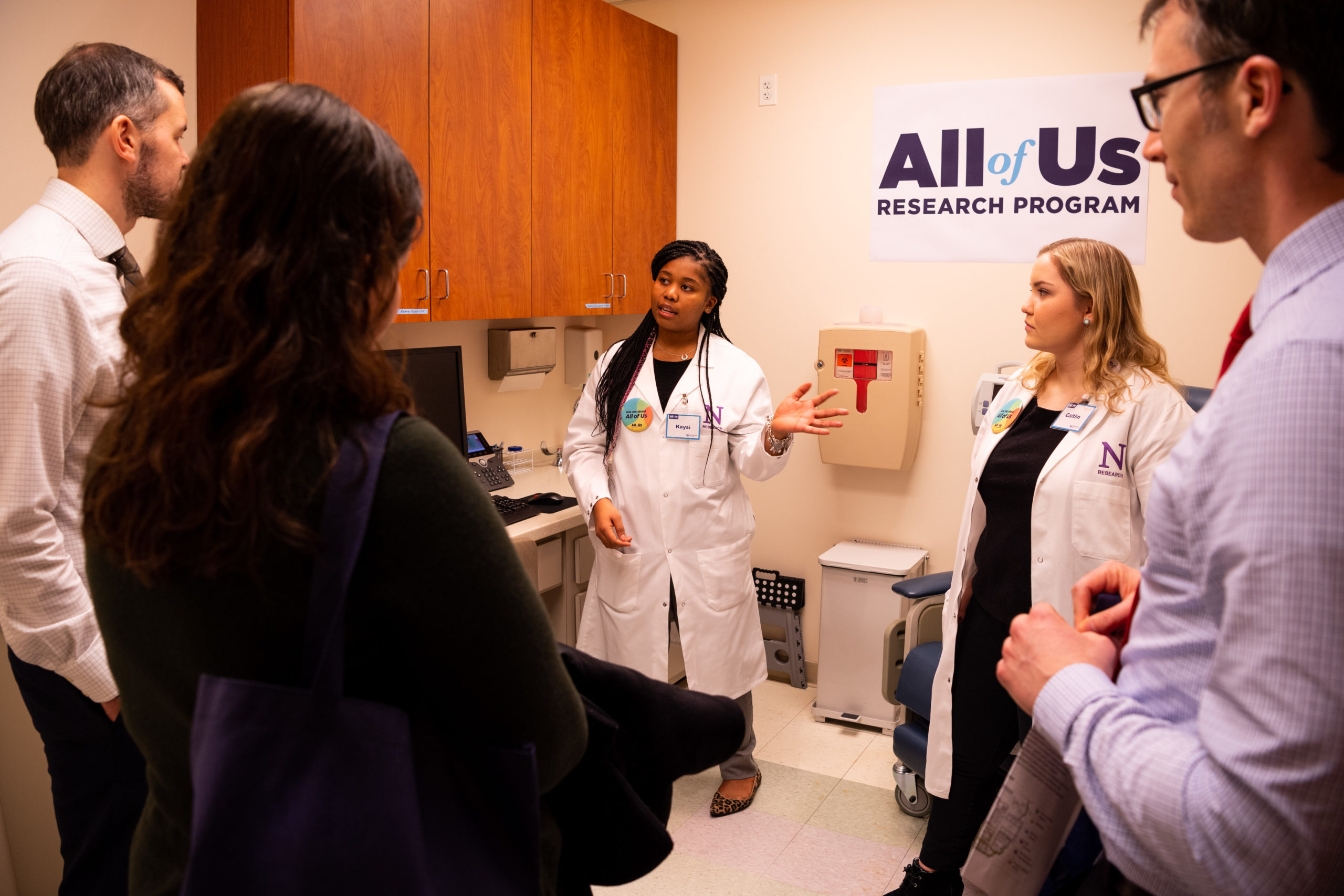
New Space a Boon for Clinical, Translational Investigation at Northwestern
Northwestern Medicine has opened a new 10,000 square foot Clinical Research Hub to enhance the investigative scope and infrastructure for clinical research and to improving participant experiences.