Author: kwm107
-

‘Dancing Molecules’ Successfully Repair Severe Spinal Cord Injuries
A new injectable therapy harnesses “dancing molecules” to reverse paralysis and repair tissue after severe spinal cord injuries, allowing animal subjects to regain the ability to walk.
-

Students Practice Ophthalmology Surgical Techniques
The student-led Ophthalmology Interest Group recently held a suturing workshop, offering Feinberg students the opportunity to practice surgical techniques on mock organs.
-
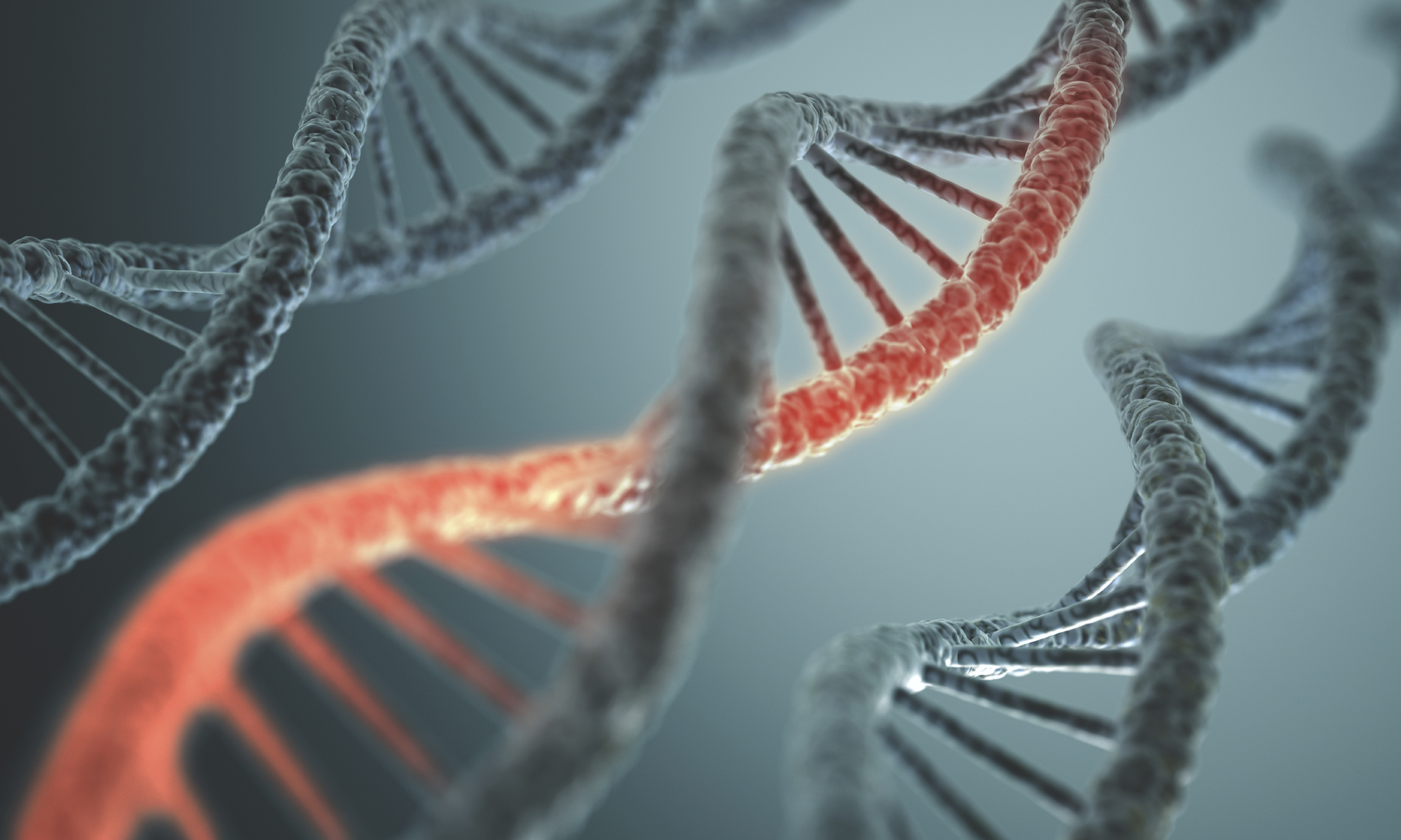
Study Shows Epigenetic Modification is Central for Tumor Metastasis
Fatty acid uptake produces an epigenetic modification that is required for cancer metastasis, according to a study published in Nature.
-

Second-year Students Present AOSC Projects
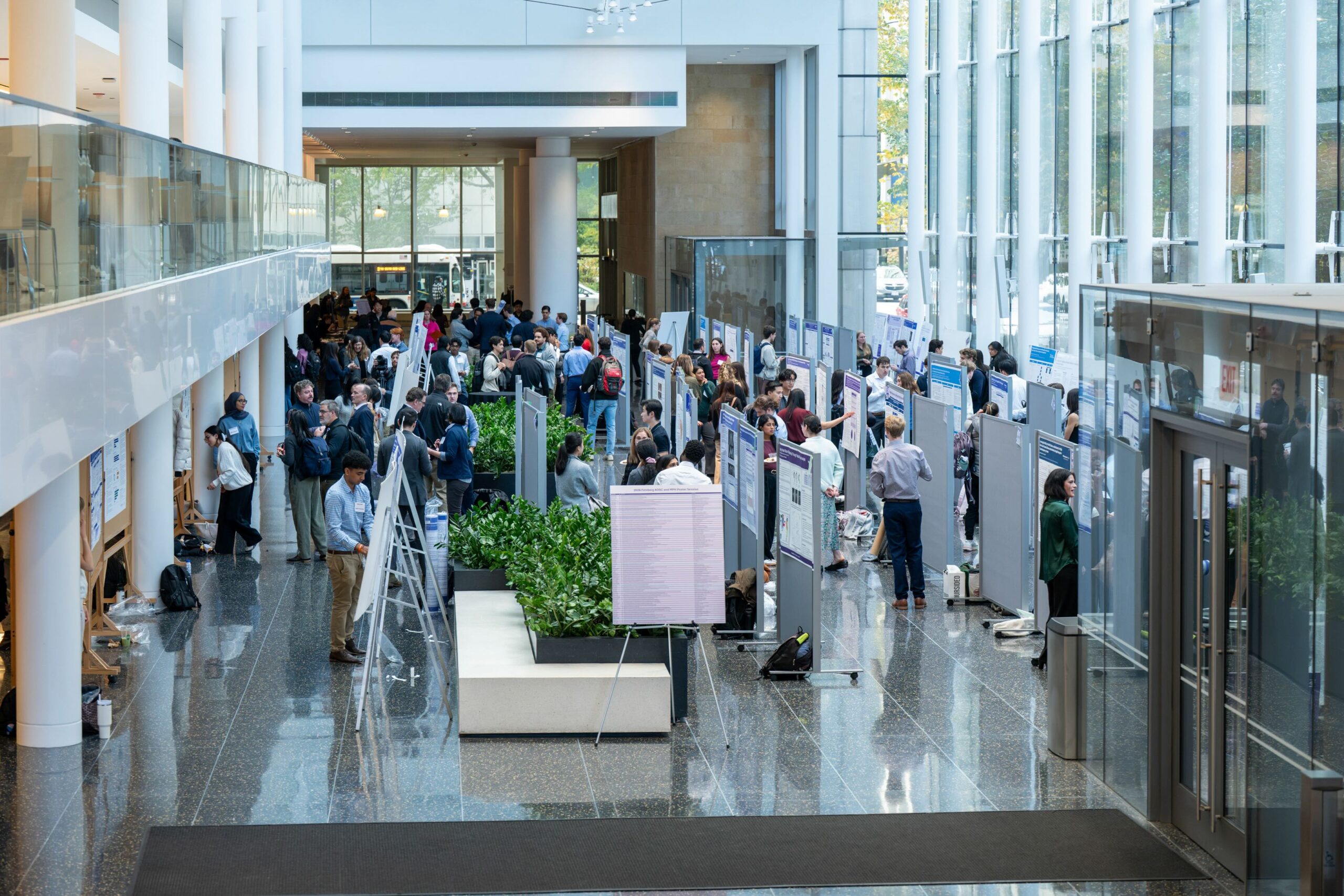
Second-year medical students presented Area of Scholarly Concentration (AOSC) research projects during a virtual session held November 5.
-
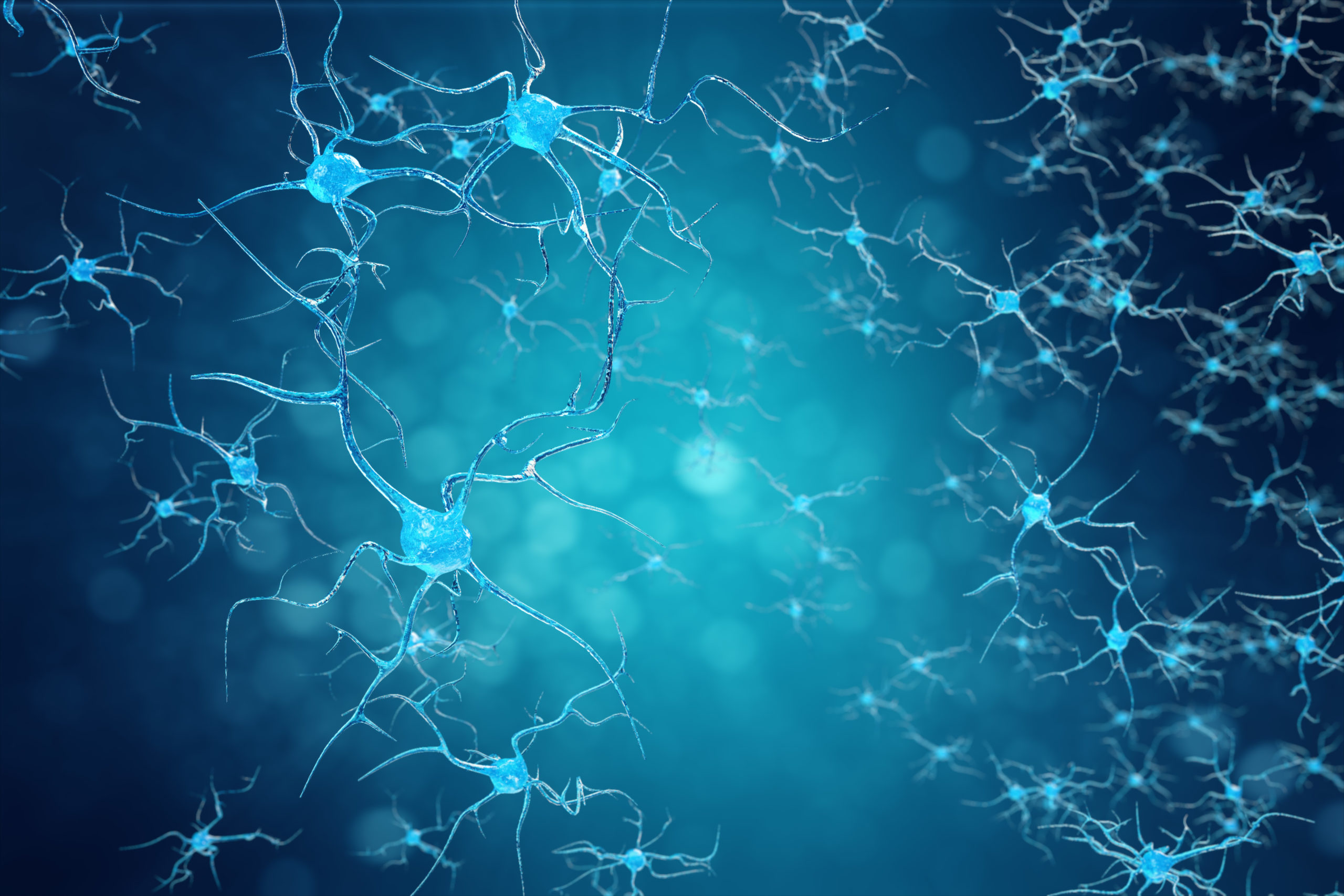
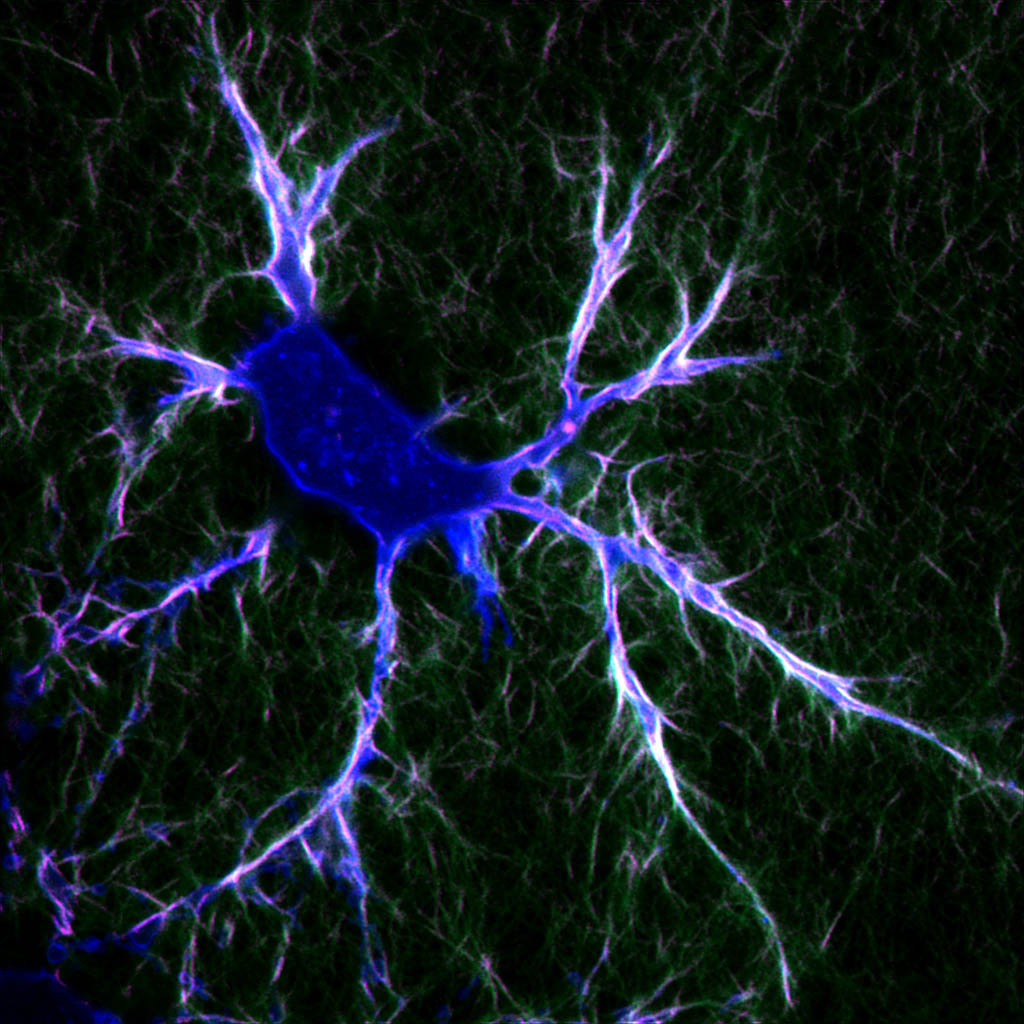
New Insights into the Mechanism of ALS
The damaging effects of toxic proteins created in one inherited form of amyotrophic lateral sclerosis (ALS) are mediated by an enzyme called SPOP.
-

A New Way to Improve Skilled Movements Via Sleep
The ability to learn novel physical movements, similar to those taught in rehabilitation for people with stroke, can be improved by reactivating specific memories of the new task during sleep, according to a new study.
-

Gene Therapy Boosts Parkinson’s Disease Drug Benefits
A new Northwestern Medicine study published in Nature explains why dopamine neurons are lost in Parkinson’s disease, and demonstrated that a gene therapy targeting the brain’s substantia nigra can substantially boost the benefits of levodopa, an important medication for treating the disease.
-

Feinberg MD Program Receives Full LCME Accreditation
Northwestern University Feinberg School of Medicine has received a full eight-year accreditation by the Liaison Committee of Medical Education, the accrediting authority for medical education programs leading to the MD degree.
-

New Drug Effective in Ulcerative Colitis
A new drug improved management of ulcerative colitis, according to a study published in NEJM.
-
Accomplished Physician-Scientist Named Chief of Organ Transplantation
Satish N. Nadig, MD, PhD, has been named chief of Organ Transplantation in the Department of Surgery and director of the Comprehensive Transplant Center.