Author: kwm107
-
First Wearable Device Continuously Tracks COVID-19 Symptoms
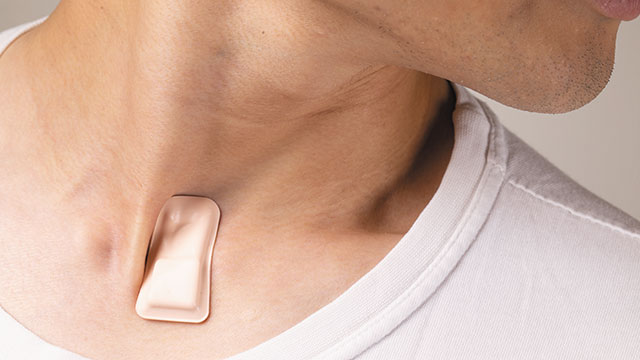
Investigators at Northwestern University and Shirley Ryan AbilityLab in Chicago have developed a novel wearable device and are creating a set of data algorithms specifically tailored to catch early signs and symptoms associated with COVID-19.
-

‘Caution Fatigue’ Could Dent Efforts to Stay Safe
Northwestern Medicine experts discuss the phenomenon of “caution fatigue,” where people may find it difficult to stay on high-risk alert after weeks of social distancing and isolation to stop the spread of COVID-19.
-
Older Adults Didn’t Think COVID-19 Would Affect Them
Many individuals in the highest risk category for COVID-19 because of multiple chronic health conditions didn’t think the disease would affect them and reported not changing their behavior at the beginning of Chicago’s outbreak, according to a new study.
-

Northwestern Scientists Awarded Top Honors for Achievement in Clinical Research
Northwestern University scientists received top honors from the Clinical Research Forum as part of its 2020 Top Ten Clinical Research Achievement Awards program, taking home the association’s highest honor and capturing more finalist nominations than any other institution.
-
Heart Disease, Racial Disparities and COVID-19
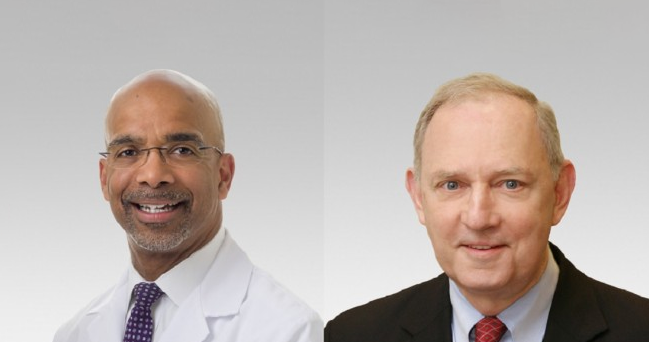
Northwestern Medicine cardiovascular experts discuss how racial disparities, including lower socioeconomic status and pre-existing cardiovascular conditions, can lead African-Americans to be at higher risk for contracting and dying from COVID-19.
-
COVID-19 Drug Trial Launches at Northwestern Medicine
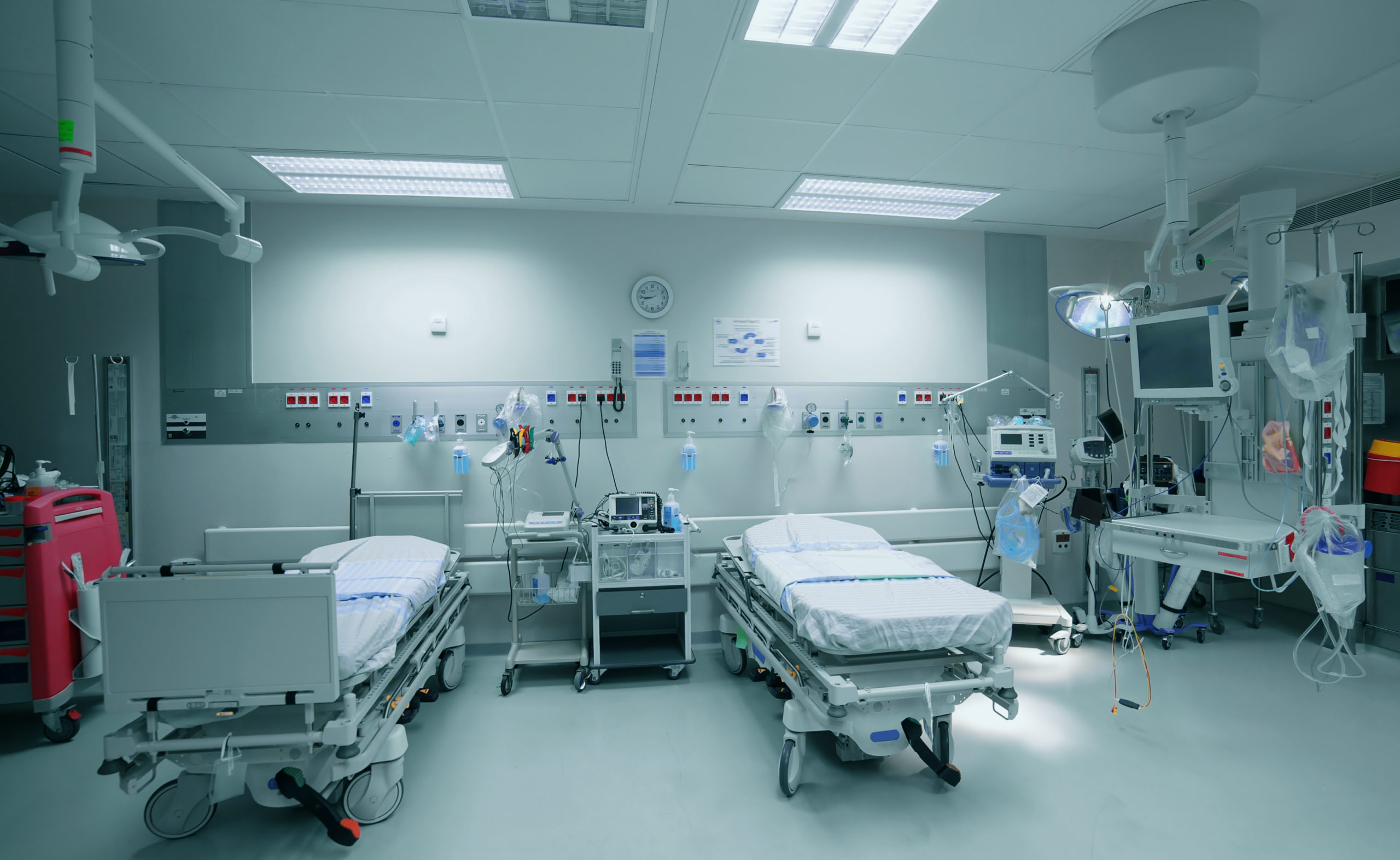
Northwestern Medicine has enrolled its first participants in a new international clinical drug trial for COVID-19, testing remdesivir, a novel anti-viral drug developed to treat Ebola, and which has also shown antiviral activity in coronaviruses.
-

Northwestern Scientists Transform Lab for COVID-19 Testing
A special COVID-19 testing team has been put in place at Northwestern, with the goal of at least quadrupling the number of tests processed at Northwestern Medicine hospitals — from about 90 per day to more than 350 per day — and in the process, greatly reducing test result turnaround times.
-
Seeking Answers: Clinician-Scientists Respond to COVID-19
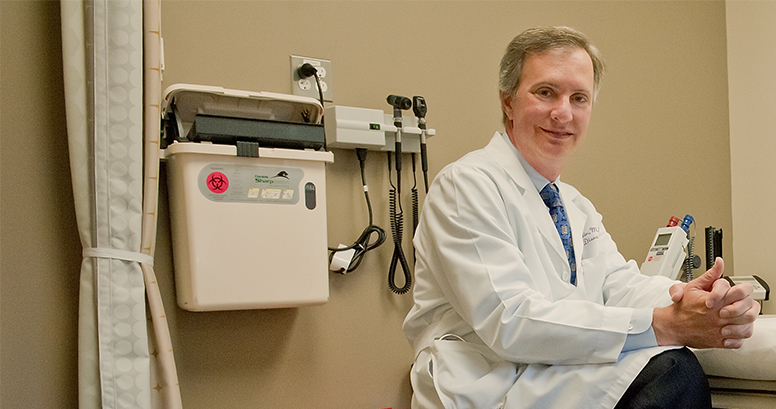
Gary Noskin, MD, professor of Medicine in the Division of Infectious Diseases and chief medical officer at Northwestern Memorial Hospital, answers questions about how Northwestern’s clinical research team is responding to the COVID-19 pandemic.
-
A City-Wide Mobilization to Protect the Community
More than 110 faculty, staff, students, and trainees have come together to collaborate and work closely with Chicago hospitals and communities to forecast the spread of the COVID-19 pandemic, predict the outcome of public health interventions and share resources for containing the disease.
-
Medical Students Organize Volunteers to Help Community
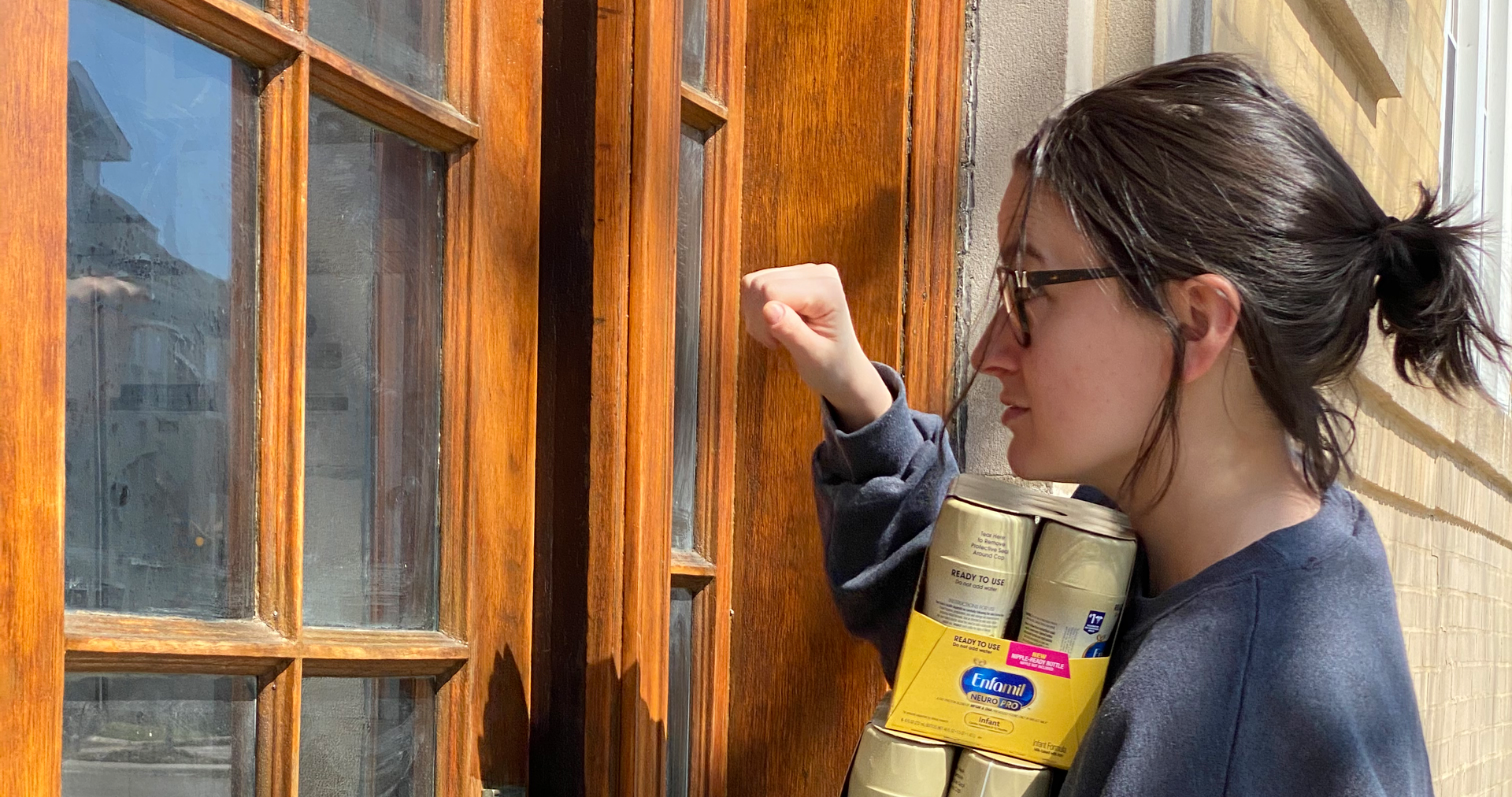
Northwestern University Feinberg School of Medicine students have organized a volunteer effort among medical students and graduate students to help support health care workers, older community members at higher risk for COVID-19 and working parents during the pandemic.