Author: kwm107
-

“Women in Medicine” Events Provide Mentorship for Young Women in STEM
Feinberg alumnae, faculty and students recently came together to share their experience with high school students considering a career in the fields of science, technology, engineering and medicine (STEM).
-
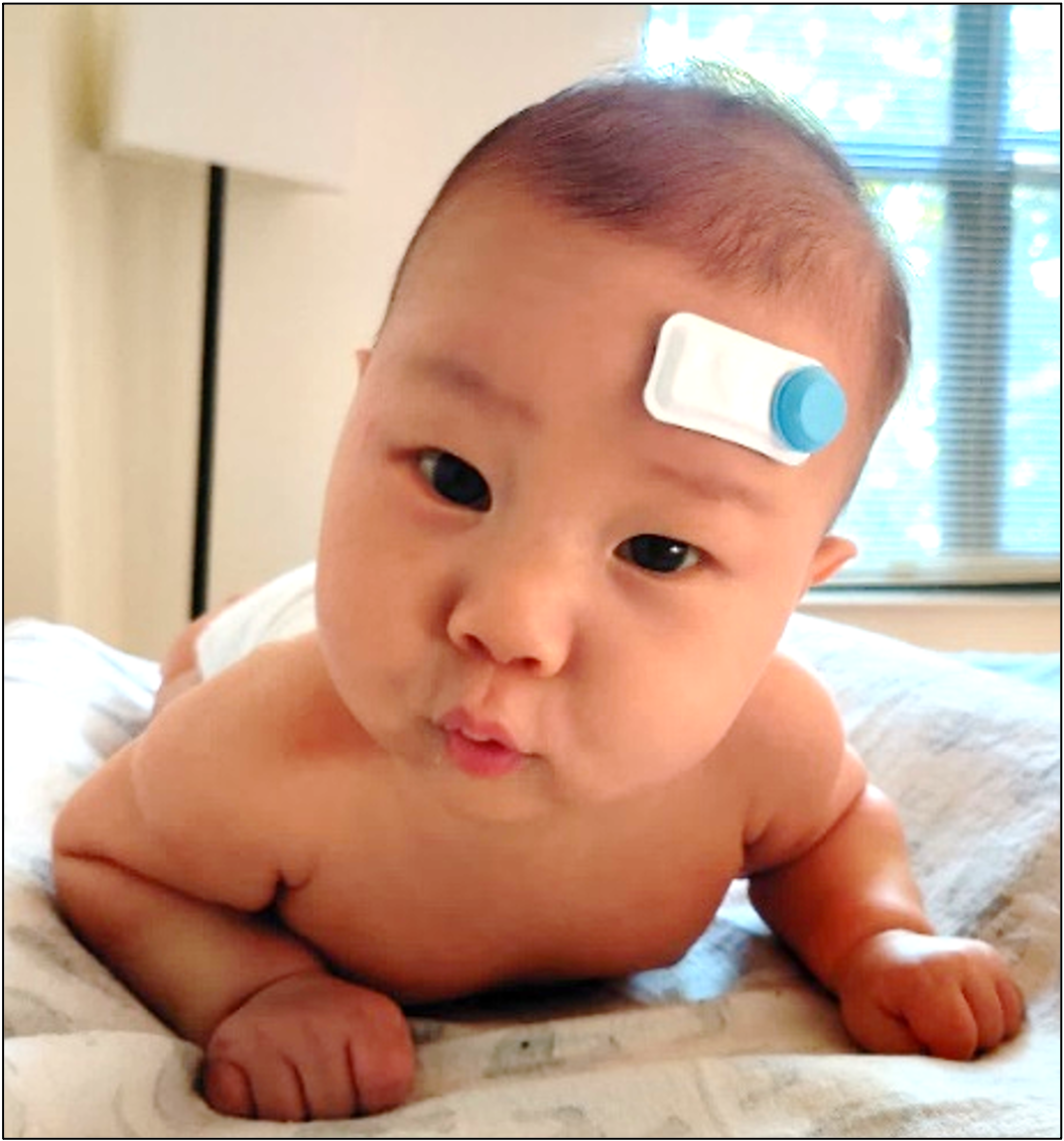
Wireless Device Improves Real-Time Monitoring of Blood Flow, Oxygenation in the Brain
A novel wireless device may improve real-time monitoring of blood flow and oxygenation in the brain for neonatal and pediatric patients, according to a Northwestern Medicine study published in PNAS.
-

2020 Year in Review
From a record-breaking year of research funding to impressive research publications, 2020 showed the skill, talent, and resilience of the entire Feinberg community. See a selection of the year’s biggest stories.
-

Humanism in Patient Care Celebrated at Feinberg
At a recent virtual event, students, residents and faculty were inducted into the Gold Humanism Honor Society and recognized as exemplars of compassionate patient care who serve as role models, mentors and leaders in medicine.
-
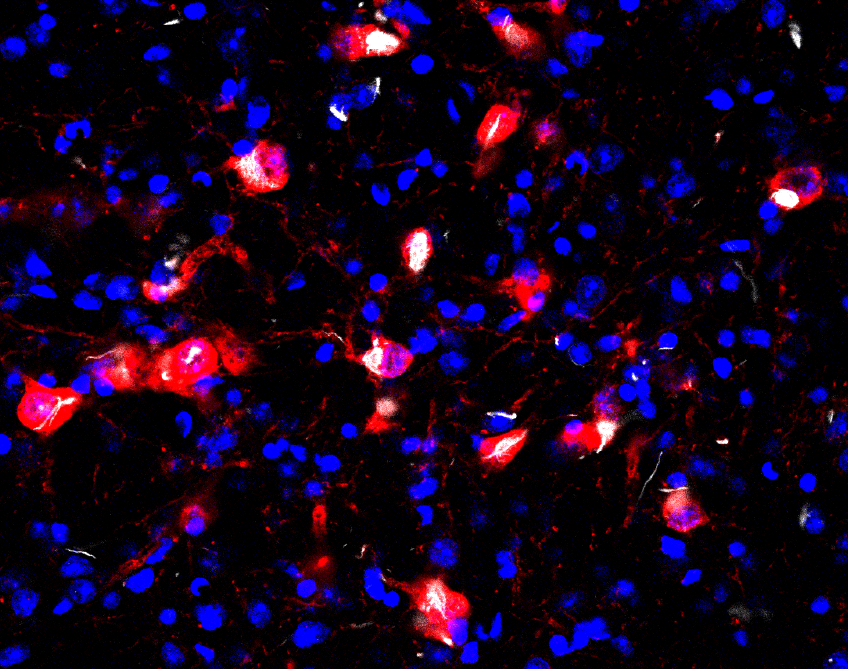
New Developments in Parkinson’s Pathology
The strength of neuron-to-neuron connections does not govern the spread of Parkinson’s disease in the brain, according to a recent study.
-
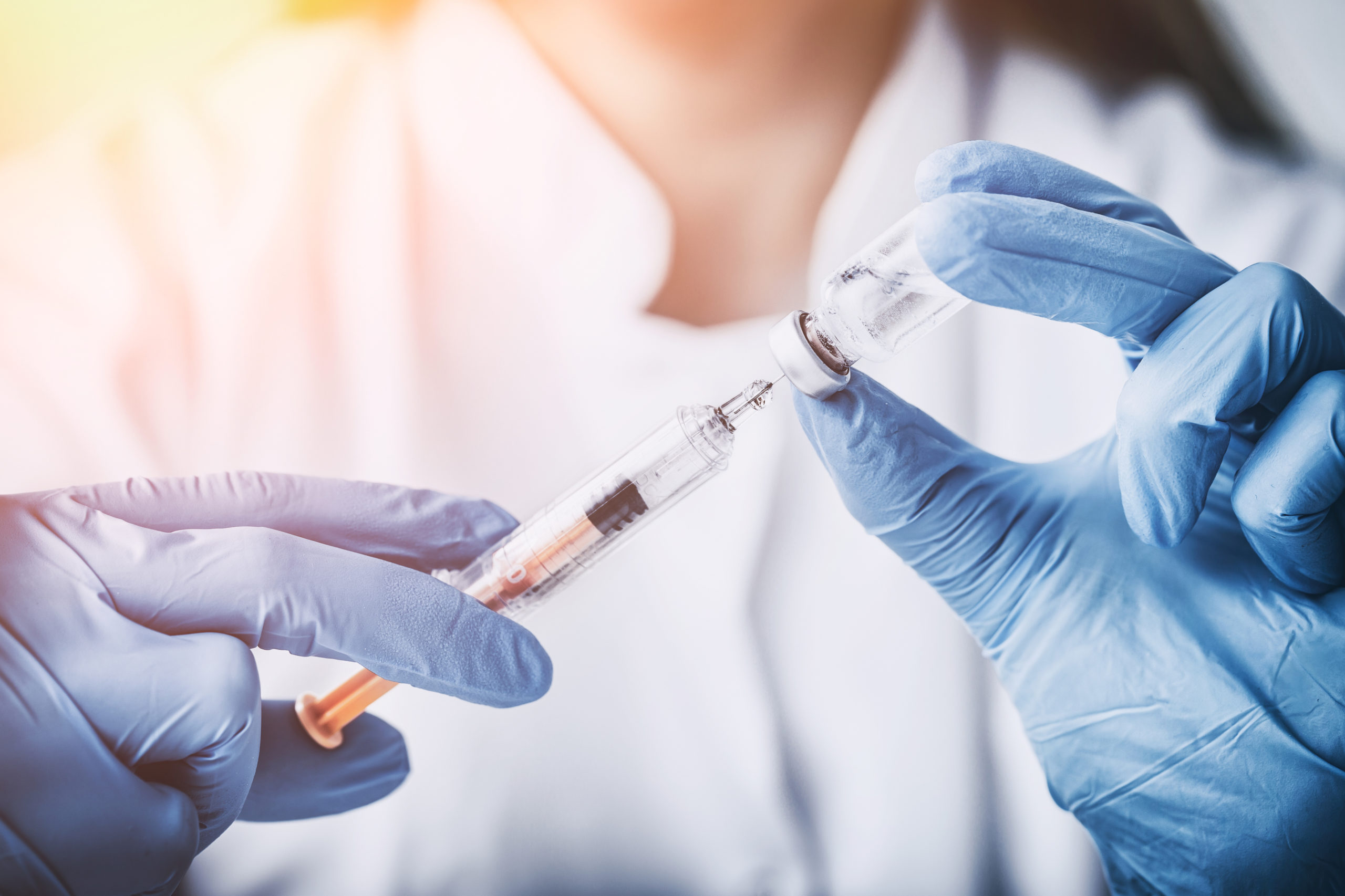
Northwestern Medicine Physicians Begin to Receive COVID-19 Vaccines
Northwestern Medicine physicians have begun receiving their vaccines, an experience that for many was inspiring, sobering and hopeful. Read the reactions of a few Northwestern Medicine physicians upon receiving their COVID-19 vaccines.
-
Free Northwestern-Developed Tools for Network Data Collection Released
Investigators at the Northwestern University Institute for Sexual and Gender Minority Health and Wellbeing have released Network Canvas, a powerful network data collection tool developed specifically to simplify network data capture.
-

Global Health During a Pandemic
The Institute for Global Health hosted their second annual Global Health Day, highlighting traditional development issues as well as the impact COVID-19 has had on the field.
-
Remembering William Schnaper, MD
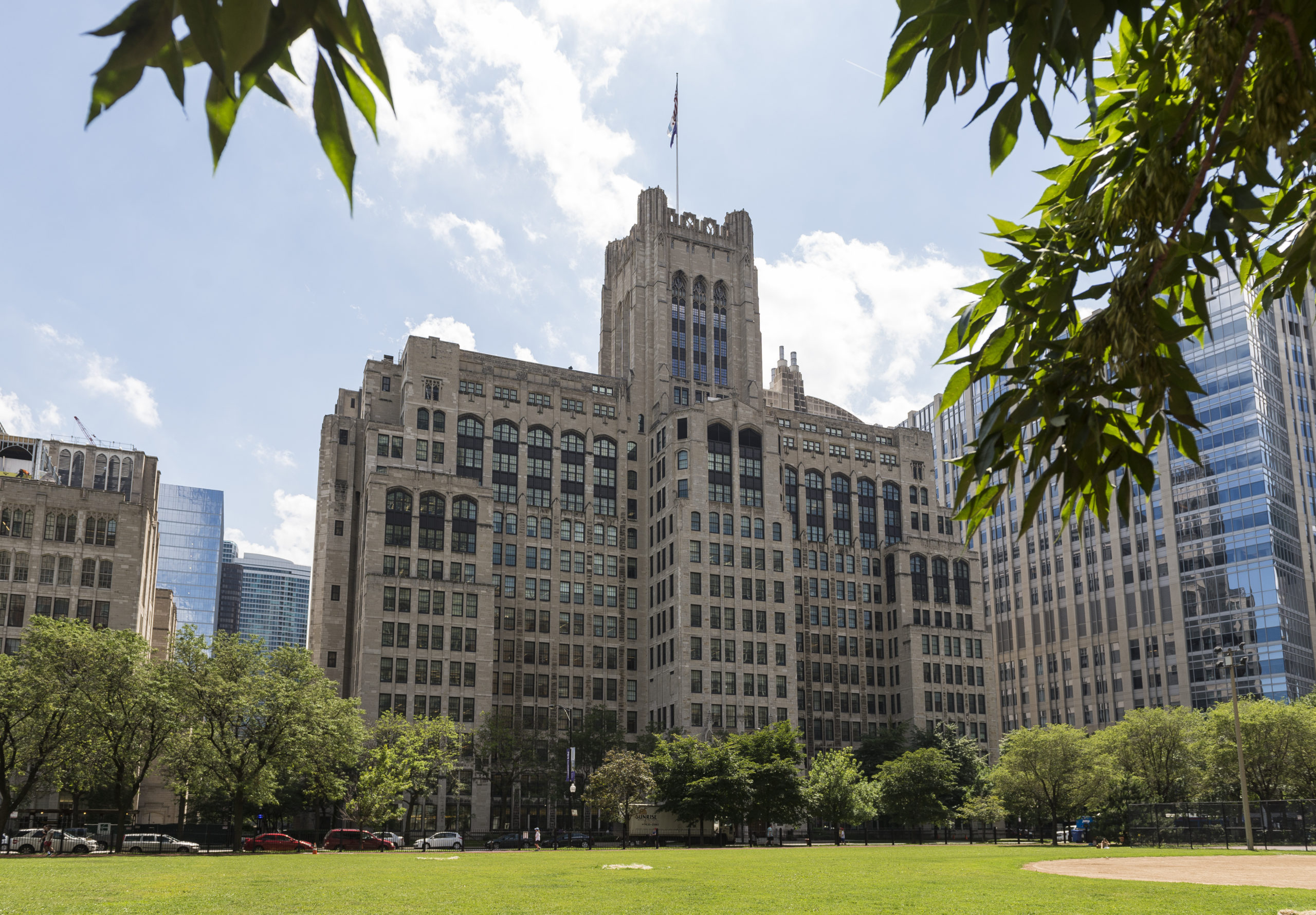
William “Bill” Schnaper, MD, professor of Pediatrics, who passed away recently after a long illness, was remembered as a committed scientist, friend and champion of mentorship.
-
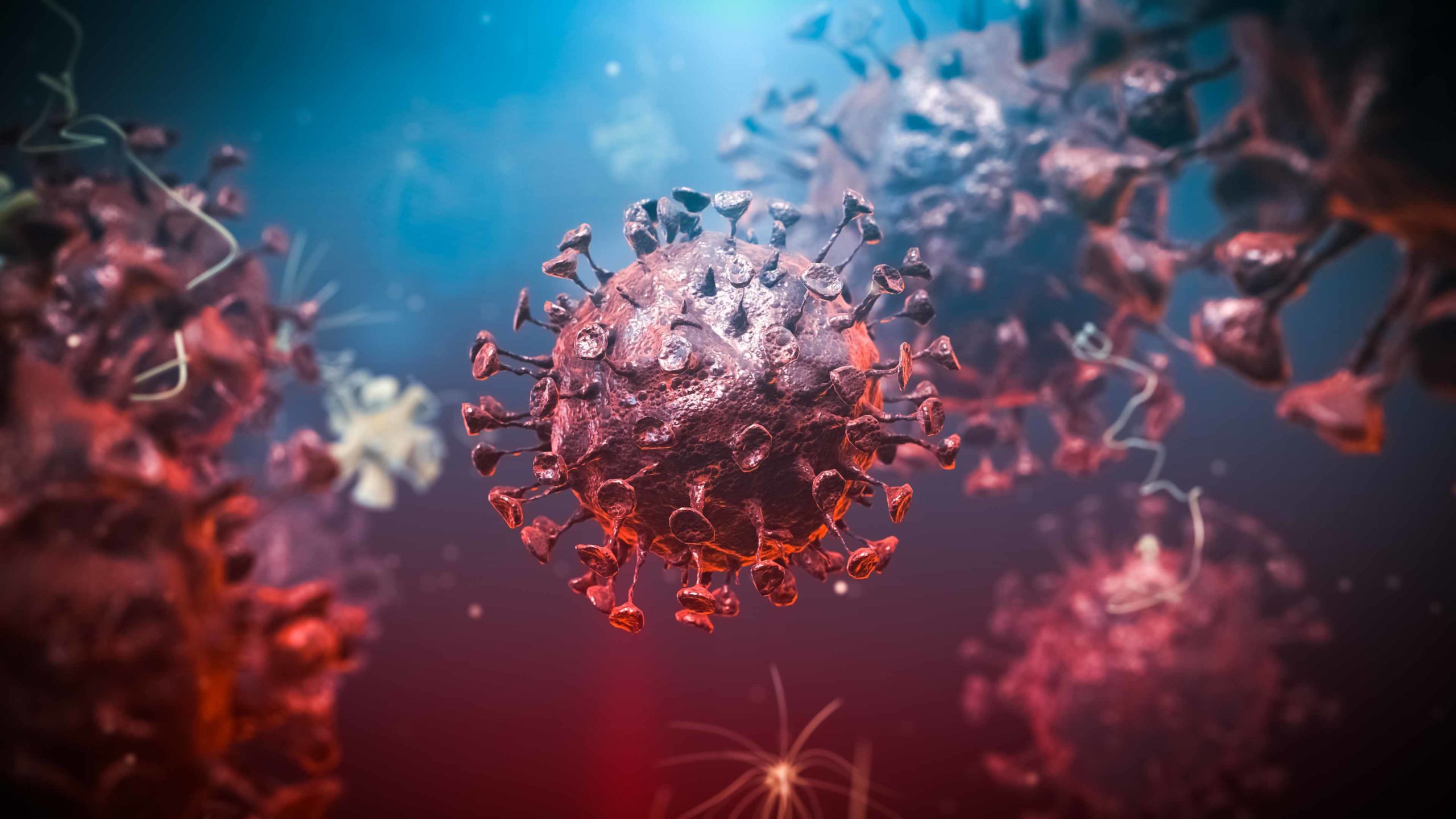
New Drug Connects Dots That Cause Clots in COVID-19 Patients
A gene mutation discovered in a small Amish community in Indiana has inspired the use of a new experimental drug for COVID-19 that reduces blood clotting.