Author: kwm107
-
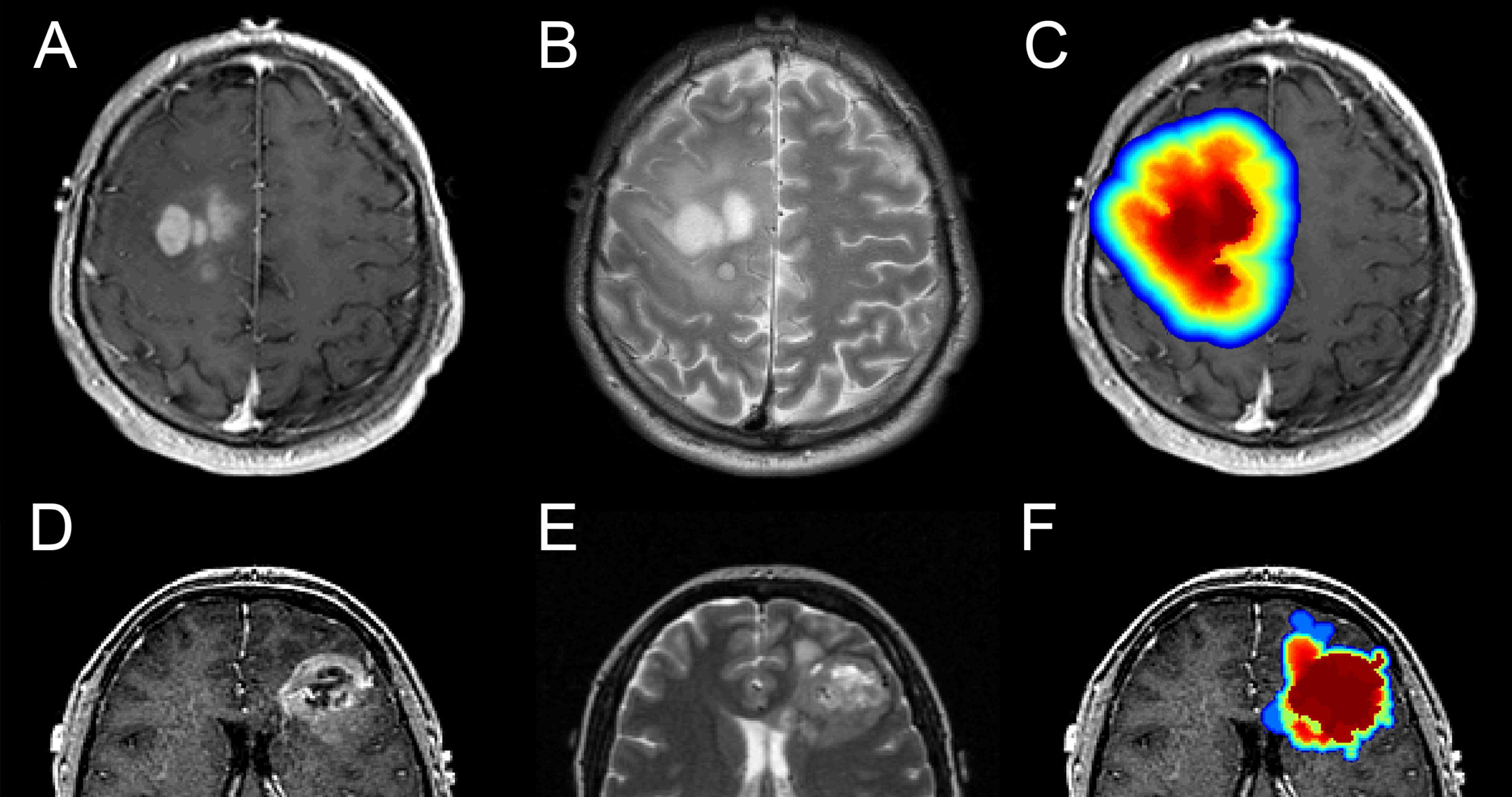
New Drug Shows Promise for Treating Rare Brain Tumors
An experimental drug may provide a new treatment option for some patients with rare incurable brain tumors, according to an analysis published in the Journal of Clinical Oncology.
-

Treating Skin Cancer Without Risking Transplanted Kidneys in Organ Recipients
Specific immunosuppressants and immunotherapy are not enough to prevent organ rejection in patients undergoing skin cancer treatment who have also received a kidney transplant, according to a clinical trial published in the Journal of Clinical Oncology.
-
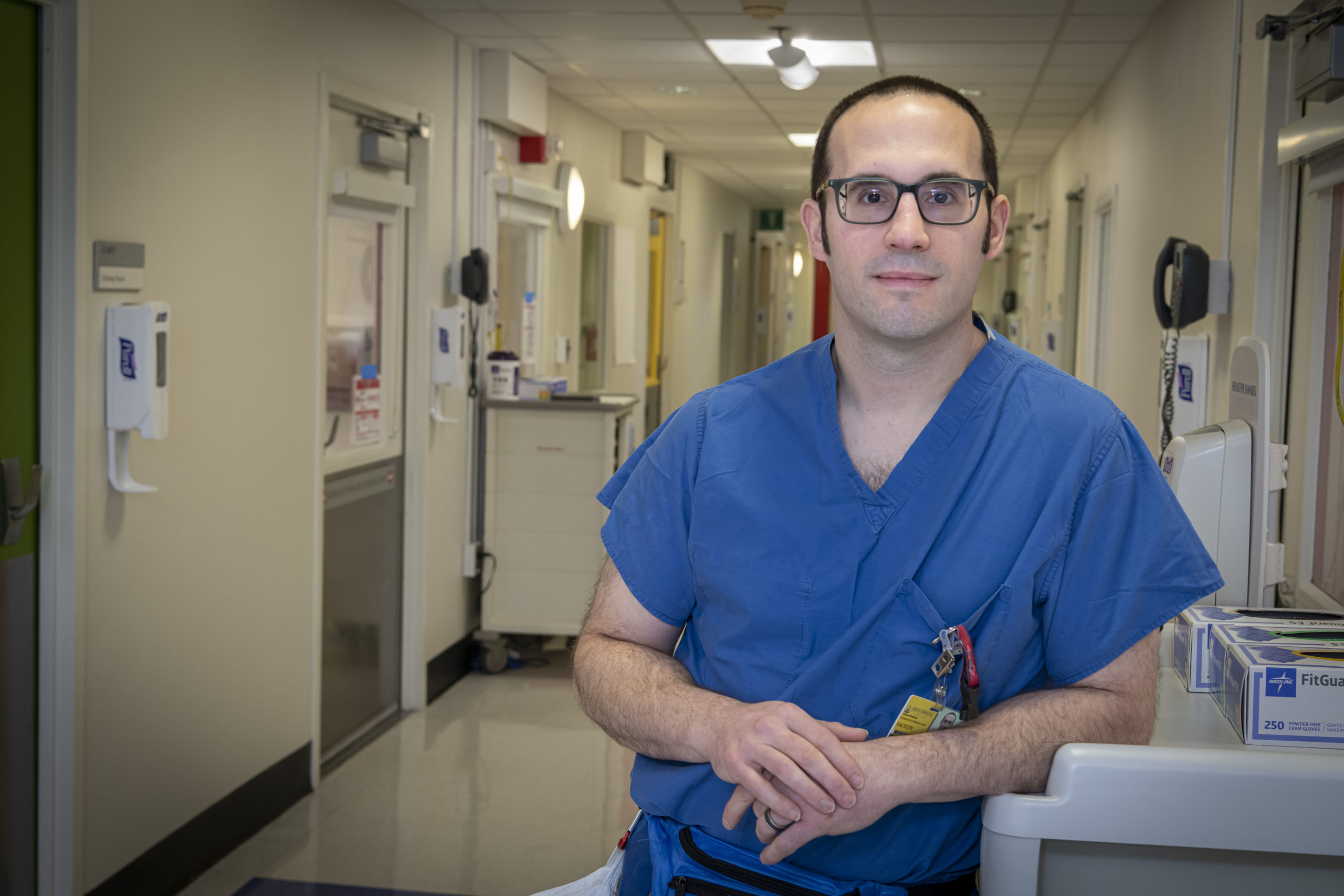
Renowned Pulmonologist and Accomplished Clinical Educator Named Inaugural Director of Center for Bedside Medicine
Brian Garibaldi, MD, MEHP, professor of Medicine and of Physiology at the Johns Hopkins University School of Medicine, has been named the Charles Horace Mayo Professor of Medicine and the inaugural director of the new Center for Bedside Medicine at Northwestern.
-

Outsmarting Chemo-Resistant Ovarian Cancer
Northwestern Medicine scientists have discovered the Achilles heel of chemotherapy-resistant ovarian cancer — its hunger for cholesterol — and how to sneakily use that to destroy it.
-

Calming Neurotransmitter Can Also Be Excitatory
A neurotransmitter previously thought to only calm neurons may also play a role in waking them up, according to a study published in the journal PLOS Biology, a discovery which upends conventional theories of how the neurotransmitter works in the brain.
-

Analysis of K99/R00 Pipeline Illustrates Systematic Disadvantages
An analysis of NIH training grants has illustrated systematic disadvantages among the trainees who receive the awards.
-
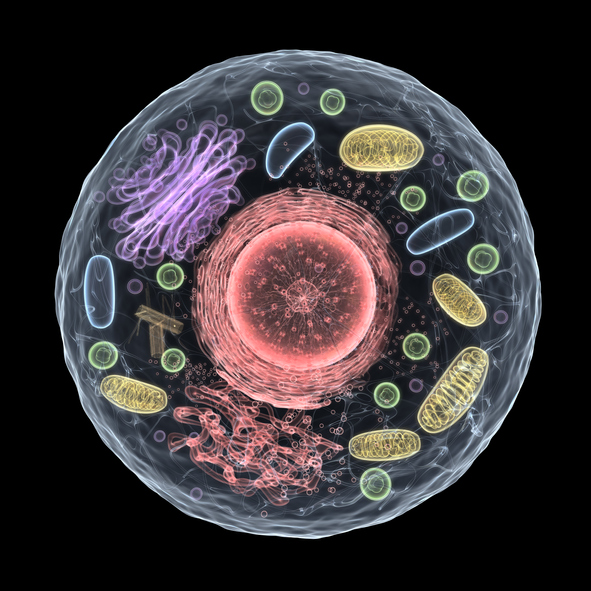
Study Shows Tiny ‘Twisters’ Move Cytoplasm Within Cells
Investigators at Northwestern Medicine and the Flatiron Institute have characterized how developing cells reorganize their cytoplasm as part of their growth, according to a study published in Nature Physics, a discovery which furthers the field’s understanding of basic cellular processes at the earliest stages of development.
-

Rethinking the Burden of Cancer Treatments’ Side Effects
Even mild and moderate side effects can contribute to patients with cancer discontinuing their treatment, according to an analysis recently published in the Journal of Clinical Oncology.
-
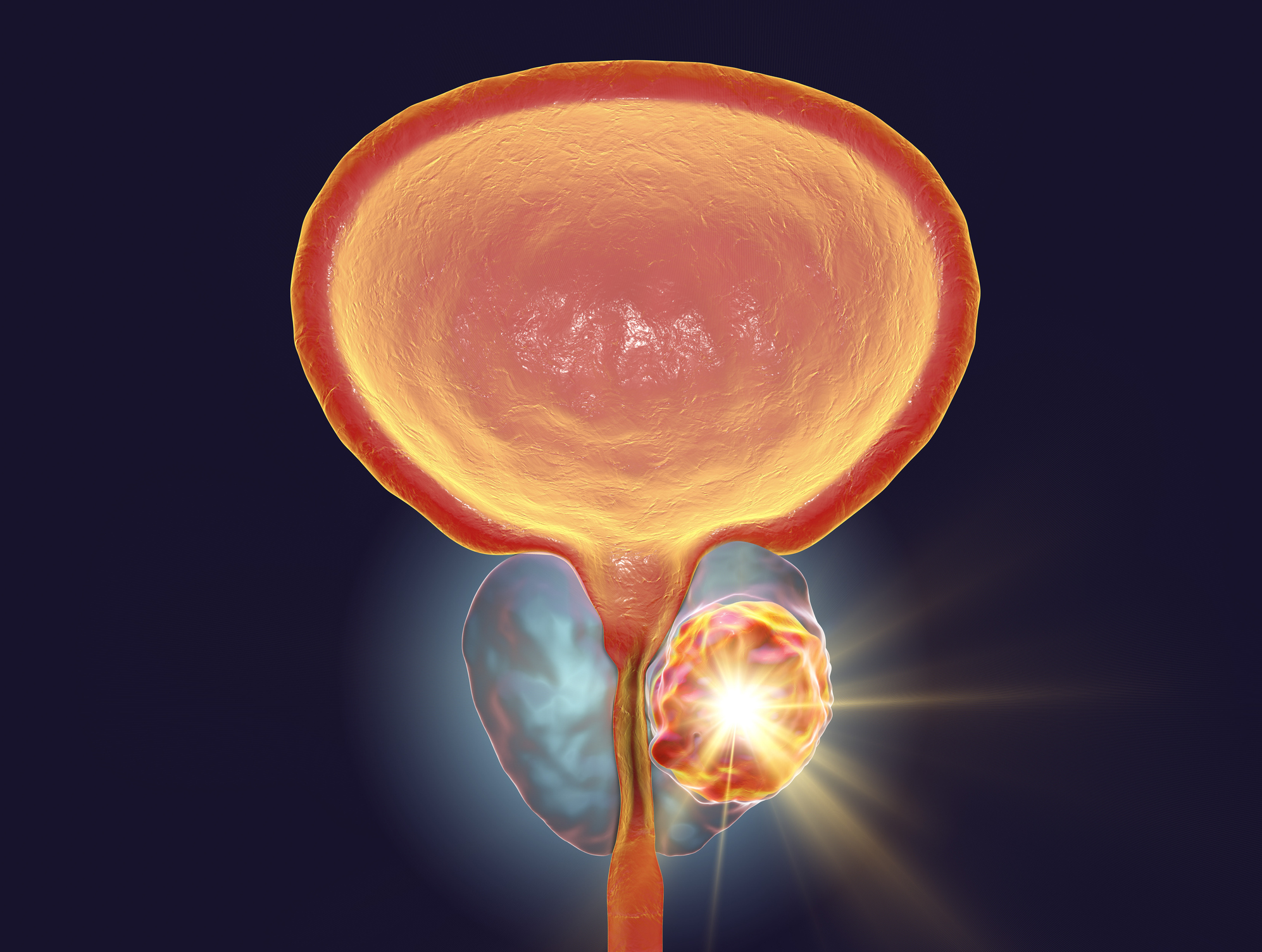
Genes May Predict Treatment Resistance in Prostate Cancer
Increased expression of specific genes in prostate cancer patients may predict whether or not the cancer will respond well to hormone therapy, according to a new study published in Nature Communications.
-

Immune Genes Are Altered in Alzheimer’s Patients’ Blood
A new study has found the immune system in the blood of Alzheimer’s patients is epigenetically altered, and many of these altered genes are the same ones that increase an individual’s risk for Alzheimer’s.