Tag: Research
-

Internal Medicine, Women’s Health Rise in Medical School Rankings
Feinberg is one of the nation’s top 20 medical schools in the annual U.S. News & World Report rankings, with women’s health, internal medicine and pediatrics positioned highly in medical specialty rankings.
-

Teen Cannabis Users Have Poor Long-Term Memory In Adulthood
A new study shows that teenagers who had previously been heavy users of marijuana performed worse on long-term memory tests than those who never used cannabis, and they had abnormally shaped hippocampuses.
-
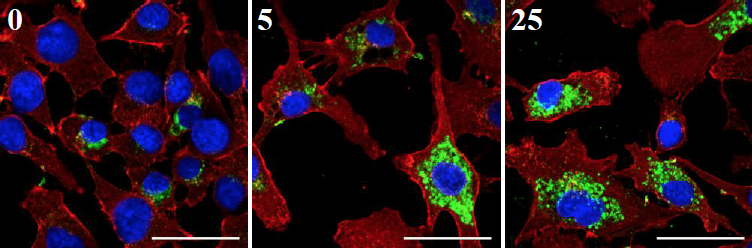
Targeting Growth Factor Improves Skin Cancer Therapies
A Northwestern Medicine study found that standard treatments for metastatic melanoma are not effective against Nodal, a growth factor protein critical for the skin cancer’s development, but also showed that combination therapies incorporating anti-Nodal antibodies are a promising alternative.
-

Schleimer Wins Tripartite Prize
Robert Schleimer, PhD, chief of Division of Medicine Allergy-Immunology and Roy Patterson Professor of Medicine, has been named the winner of the Tripartite Legacy Faculty Prize in Translational Science and Education.
-
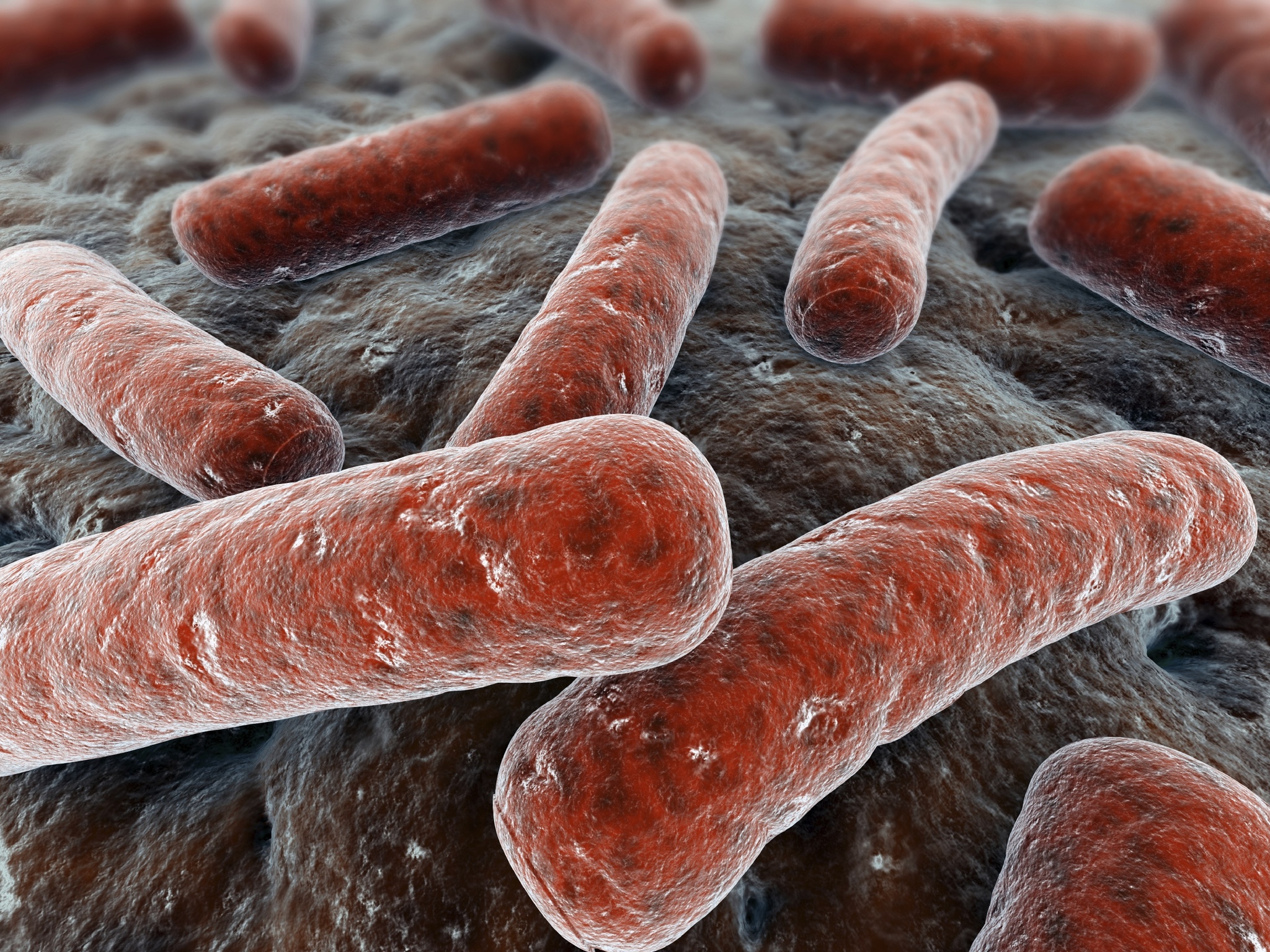
Accelerating Natural Product Discovery for Biomedical Research
Northwestern Medicine scientists have developed a method to systematically explore diverse natural resources, allowing them to quickly identify thousands of compounds from bacteria that have potential to become new pharmaceuticals.
-

$10 Million Gift Establishes Pioneering Nano Oncology Center
A $10 million gift from Ronald and JoAnne Willens to Northwestern University’s International Institute for Nanotechnology will establish an interdisciplinary research center that will use advances in nanotechnology to develop new cancer treatments.
-

Louis Simpson And Kimberly Querrey Make $92 Million Gift To Northwestern For Biomedical Research
Northwestern University Trustee and alumnus Louis A. Simpson and his spouse Kimberly K. Querrey have made an additional $92 million gift to Northwestern University in support of the University’s biomedical research programs at Northwestern University Feinberg School of Medicine.
-
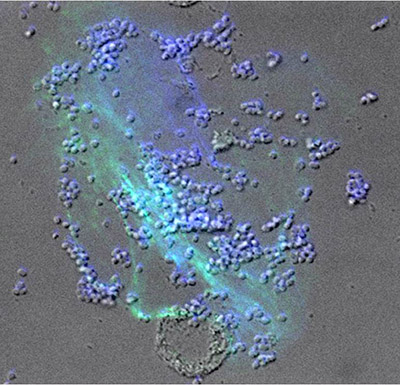
Exploring Bacterial Competition in Reproductive Tract Infections
Northwestern Medicine scientists have shown that the bacteria that cause gonorrhea may have evolved mechanisms to stimulate white blood cells into killing other bacteria, promoting the survival of gonorrhea bacteria in the human reproductive tract.
-
Relief For Diabetics With Painful Condition
A new Northwestern Medicine study shows an experimental gene therapy may have promise for treating painful diabetic neuropathy.
-
Uncovering Genetic Roots of Pediatric Kidney Tumor
A Northwestern Medicine study has identified new genetic mutations in patients with Wilms tumor, the most common kidney tumor in children.