Tag: Research
-
Centriole Finding Expands Knowledge of Cancer Cell Biology
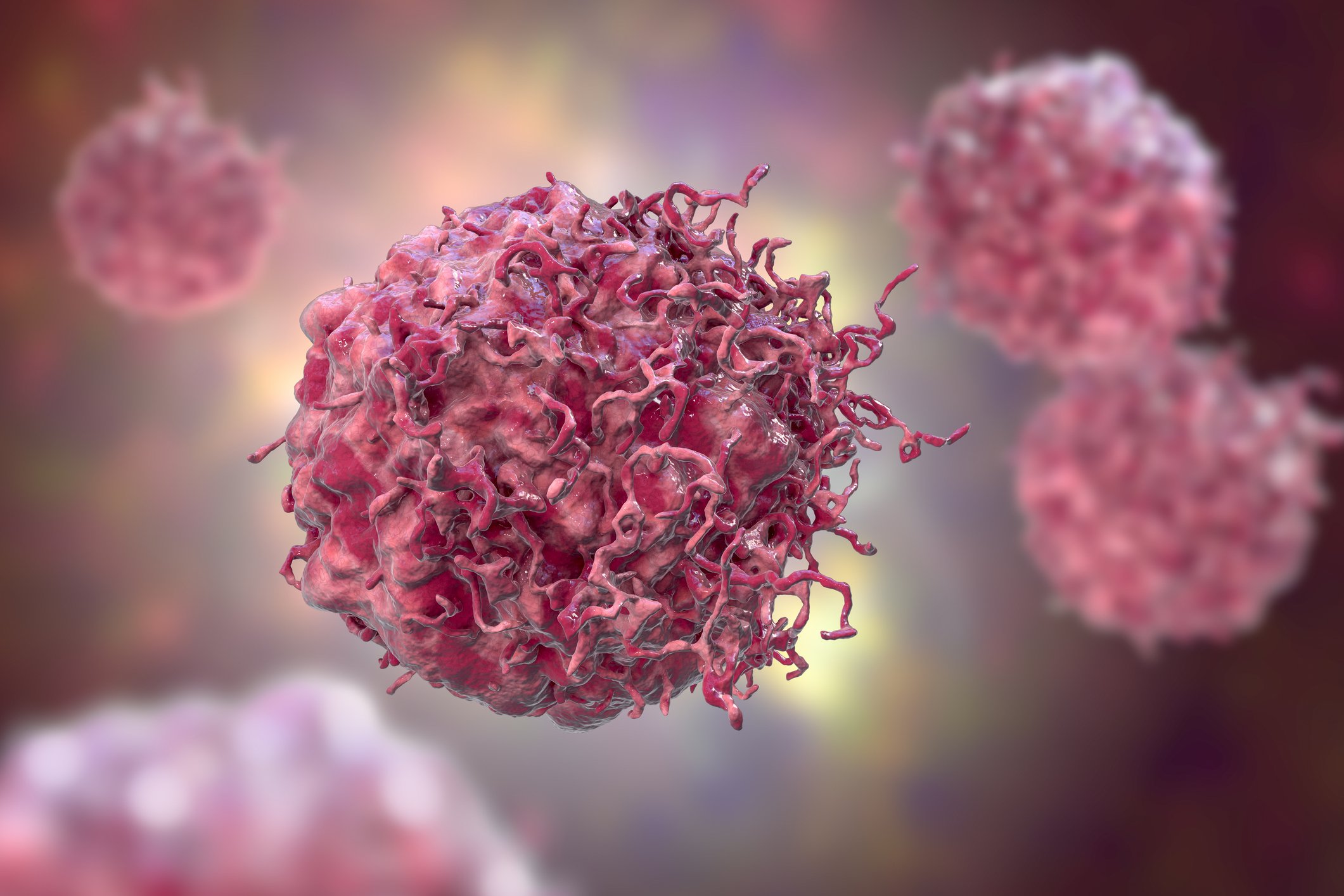
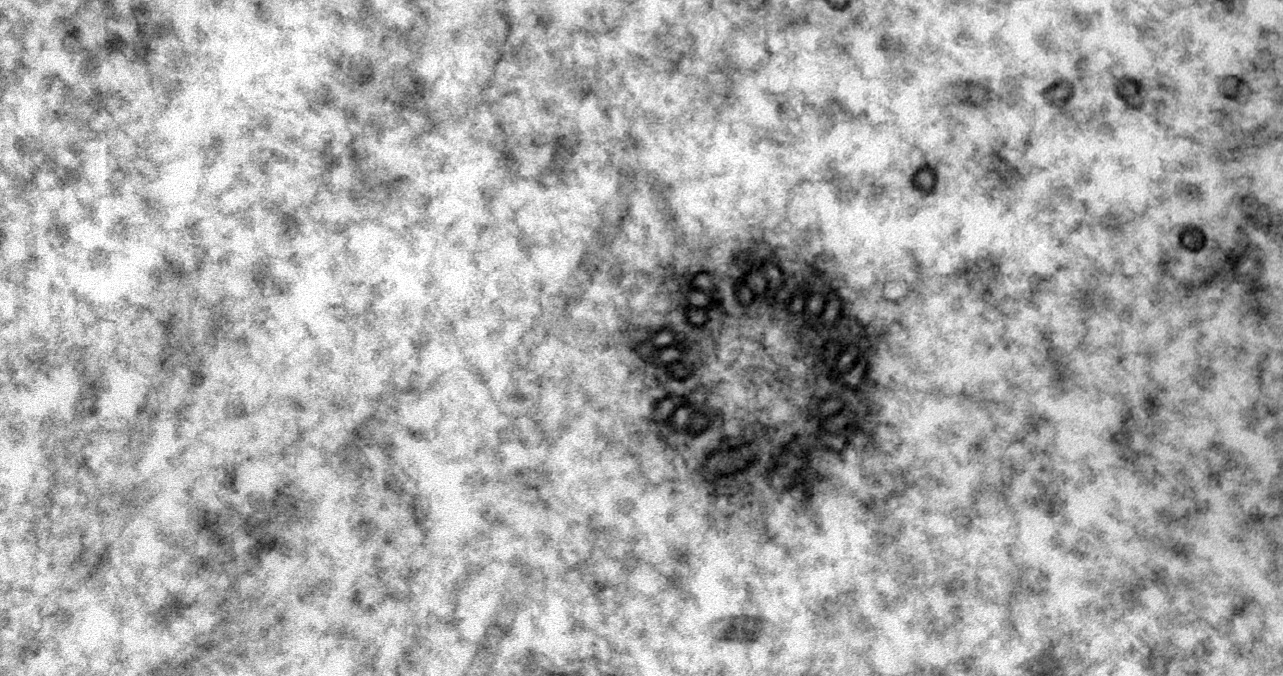
A study coauthored by Northwestern Medicine scientists found that normal cells stop proliferating when they lose important intracellular structures called centrioles, but cancer cells continue to multiply.
-
Redrawing Language Map of the Brain
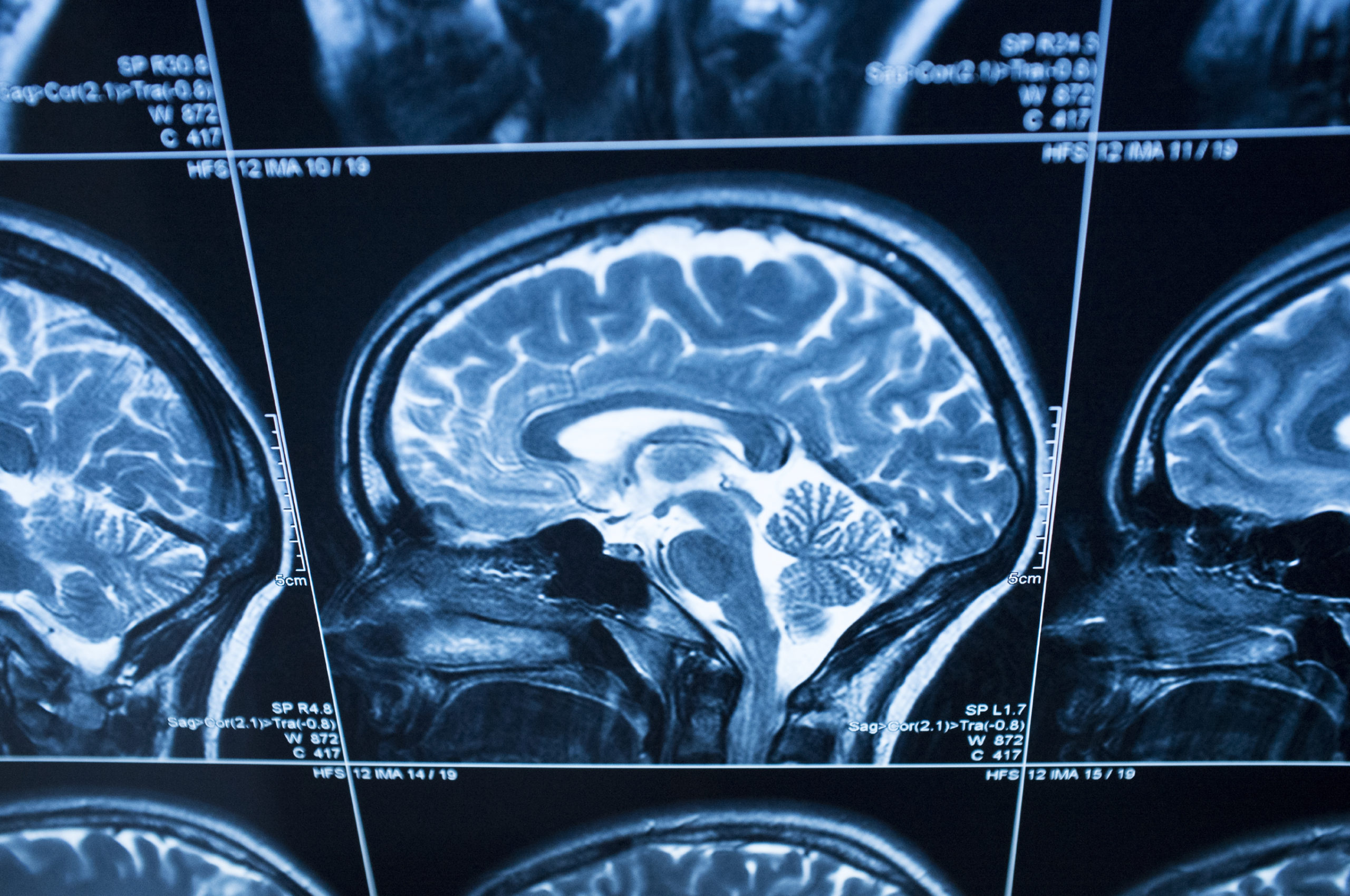
Studying patients with a rare form of dementia called primary progressive aphasia has given scientists a new understanding of the way the brain comprehends language.
-
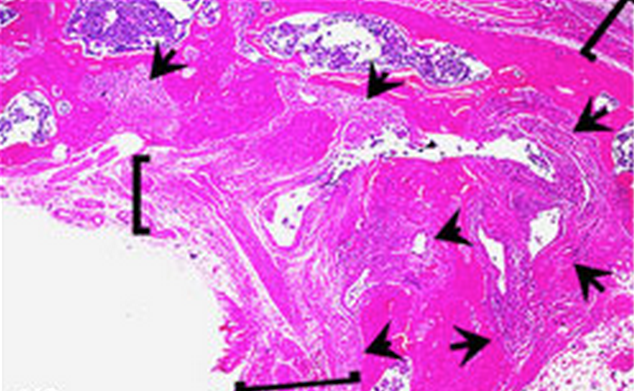
Investigating the Roots of Rheumatoid Arthritis
Using a new mouse model of rheumatoid arthritis, a Northwestern Medicine study found that a reduction in dendritic cells leads to inflammatory arthritis.
-
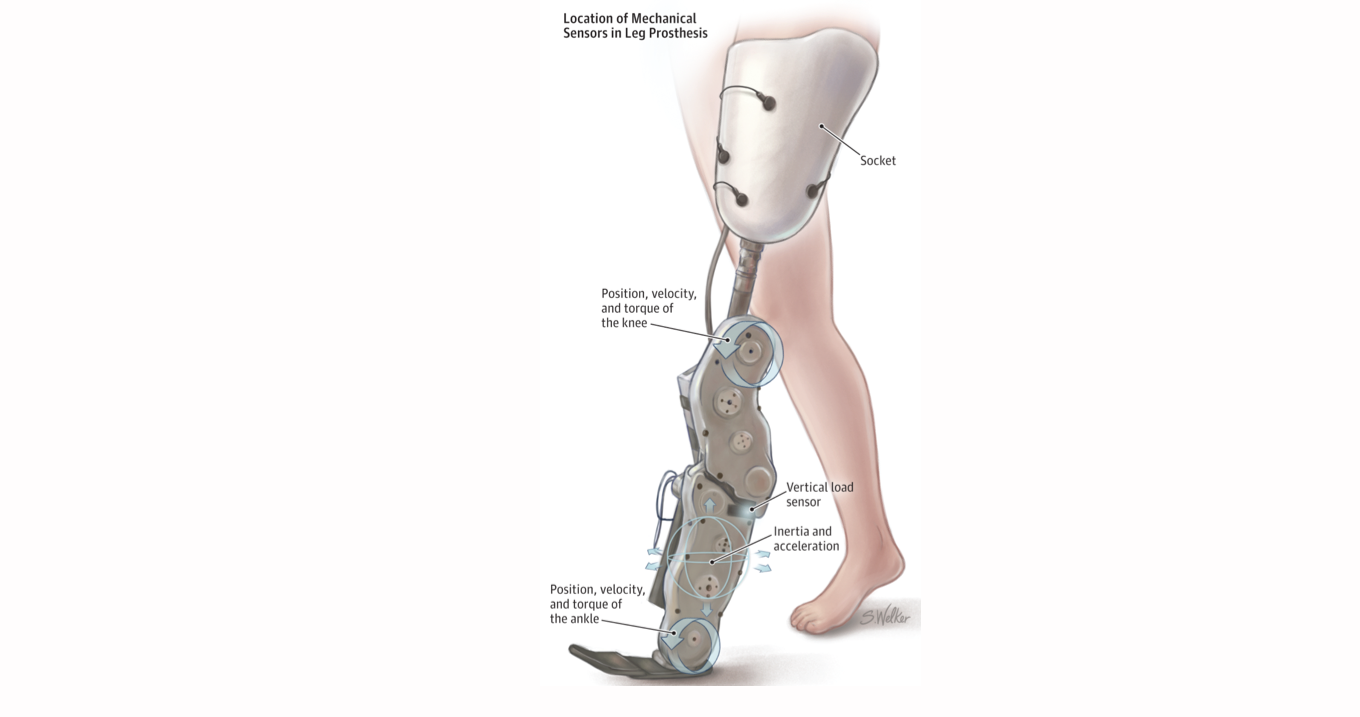
Building a Better Prosthetic Leg for Amputees
Scientists from Feinberg and the Rehabilitation Institute of Chicago developed a bionic leg that uses electromyographic (EMG) signaling to give patients with above-knee amputations better control over movement than current prosthetics.
-

Joining Forces for Digestive Health
Faculty Stephen Hanauer, MD, and Scott Strong, MD, co-lead Northwestern Medicine’s Digestive Health Center, which aligns physicians, surgeons and other healthcare providers to treat gastrointestinal diseases.
-
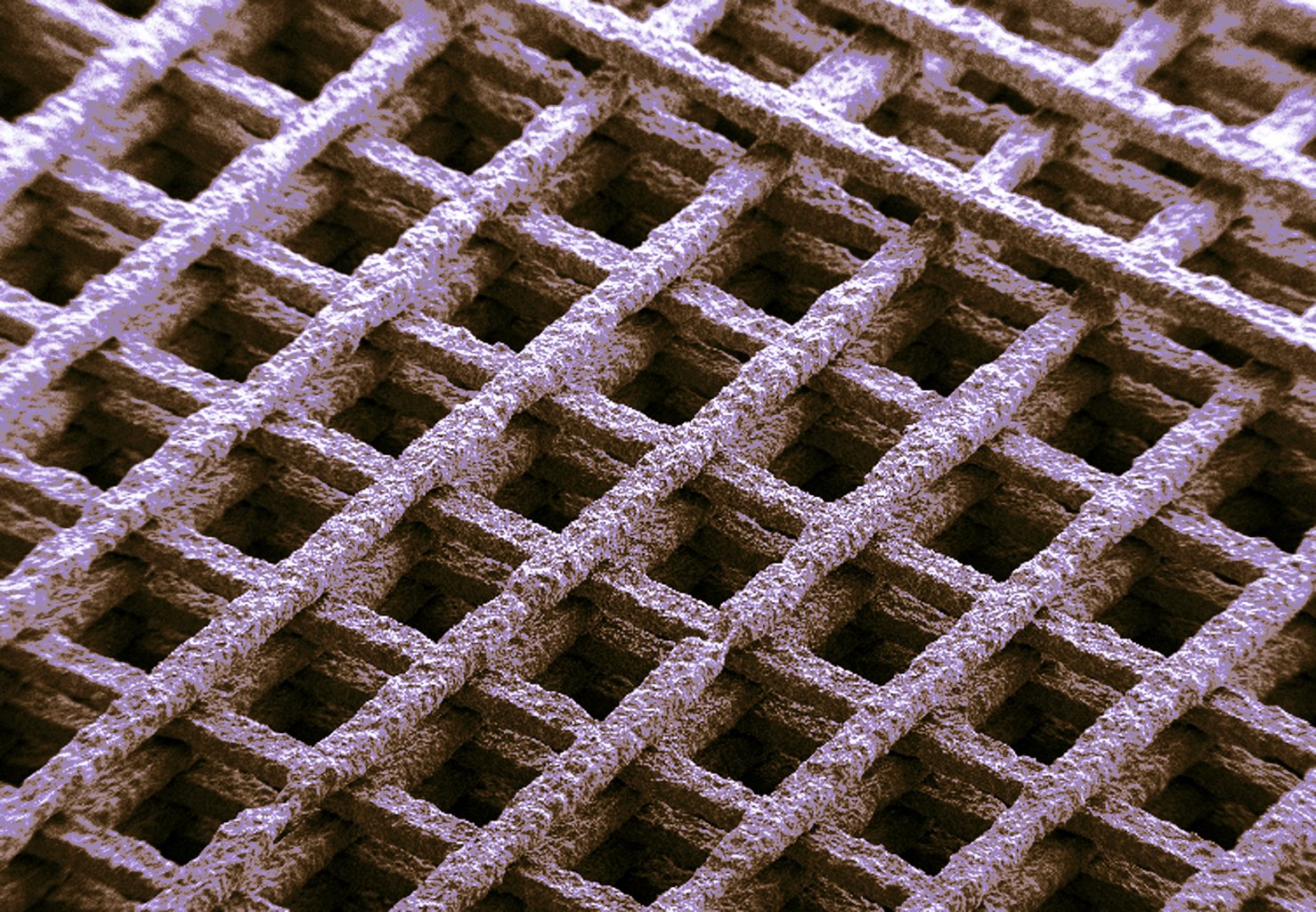
Engineering Materials to 3-D Print Tissues and Organs
In two recent studies, the lab of Ramille Shah, PhD, assistant professor in Surgery, developed new methods to create viable biomaterials for 3-D printing, expanding the tools available to scientists to build a vast array of functional artificial tissues and organs.
-
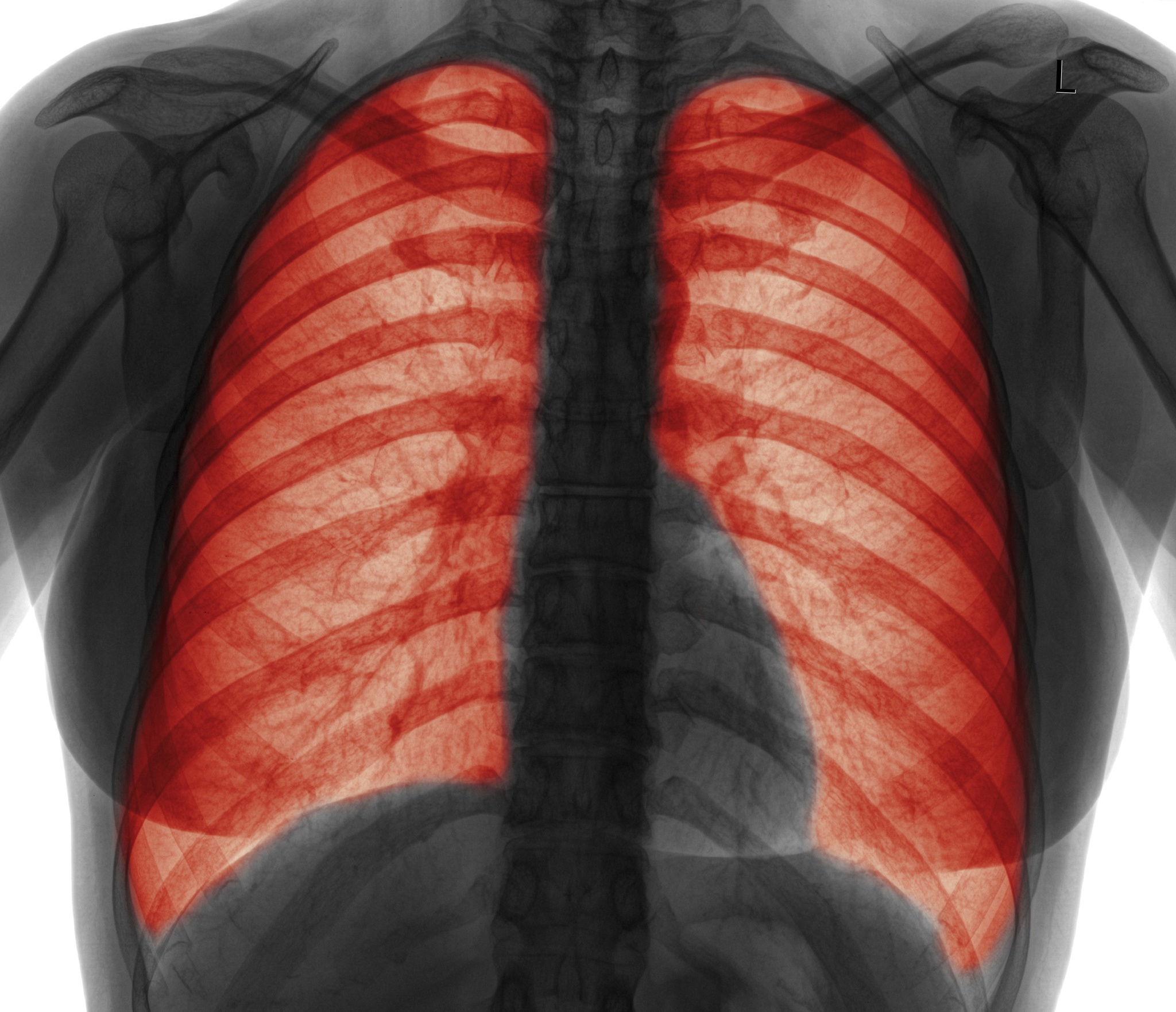
Exploring How Heart and Lung Diseases Evolve As We Age
By examining how loss of lung function between young adulthood and middle age associated with changes in the heart, Northwestern Medicine scientists identified two heart-lung phenotypes that may form the basis for diseases that develop later in life.
-
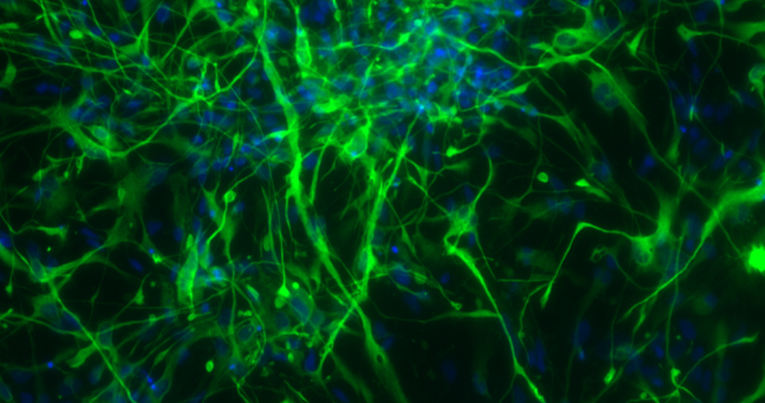
Gamechanger for Epilepsy
Northwestern Medicine’s Institute for Translational Neuroscience has launched an epilepsy research center, bringing together the academic medical center’s top clinical and research minds in the area of epilepsy.
-
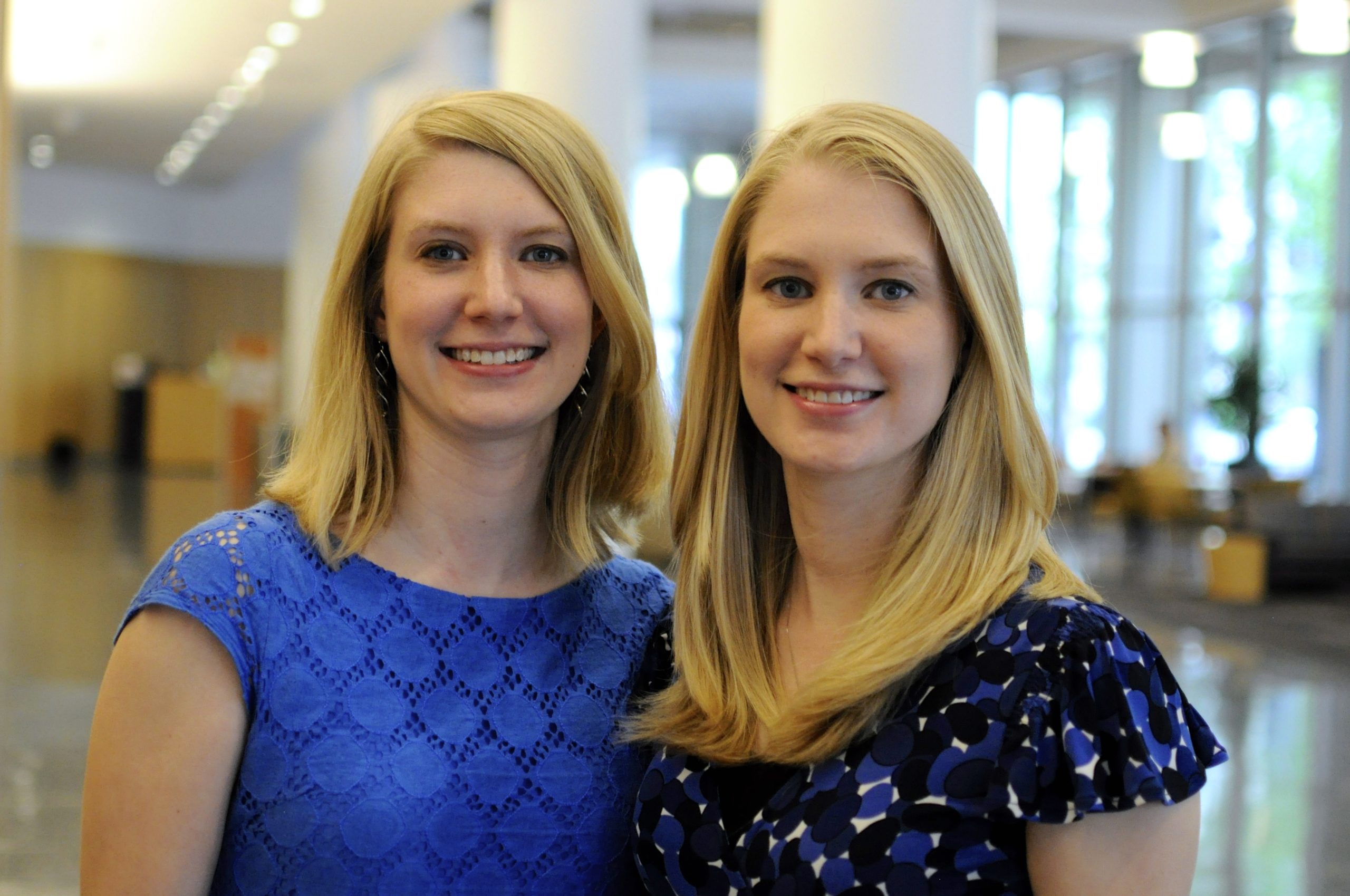
Twin MD/PhD Students Pursue Research Projects in Oncology and Physical Medicine and Rehabilitation
Medical Scientist Training Program students and twin sisters Lauren Smith, ’15 PhD, and Adrienne Long, ’15 PhD, discuss their recently published research projects and their futures as physician-scientists.
-
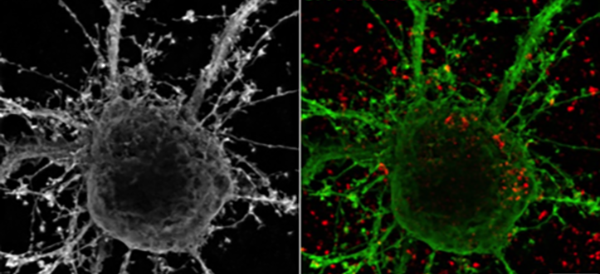
Synapse Abnormalities Shed Light on Psychiatric Disorders
Genetic mutations that cause neuropsychiatric disorders may make synapses smaller and weaker, according to a new Northwestern Medicine study.