Tag: Cancer
-

Lurie Cancer Center Receives Renewal of Prostate Cancer SPORE Grant
The Robert H. Lurie Comprehensive Cancer Center of Northwestern University has been awarded a five-year, $9.2 million grant renewal from the National Cancer Institute to continue a Specialized Program of Research Excellence (SPORE) in prostate cancer.
-

Evaluating Colonoscopy Retroflexion in Practice
A colonoscopy maneuver to better detect polyps in the right colon is often poorly preformed in practice, according to a Northwestern Medicine study.
-

Uncovering Epigenetic Mechanisms Regulating Glioma Growth
Northwestern Medicine investigators have discovered the epigenetic mechanisms involved in the regulation of two oncogenes in glioma cells, which may improve personalized approaches to treat these cancers.
-

Fluorescent Label Passes Through Blood-Brain Barrier
Fluorescent indocarbocyanine lipid labels show improved distribution within glioblastoma brain tumors, according to a Northwestern Medicine study.
-

Gene Implicated in Poor Skin Cancer Therapy Outcomes
Losing a check on T-cell activation in cutaneous T-cell lymphoma cells is associated with poor outcomes, according to a study published in Blood.
-

Using Circulating Tumor DNA to Target Immunotherapy
Using circulating tumor DNA to identify patients at risk for urothelial cancer relapse after surgical resection could help improve post-surgery treatment, according to a new study.
-

Nanoparticles Could Boost Immunotherapy
Enhancing the anti-cancer function of natural killer cells with nanoparticles could unlock their therapeutic potential, according to a Northwestern Medicine study.
-
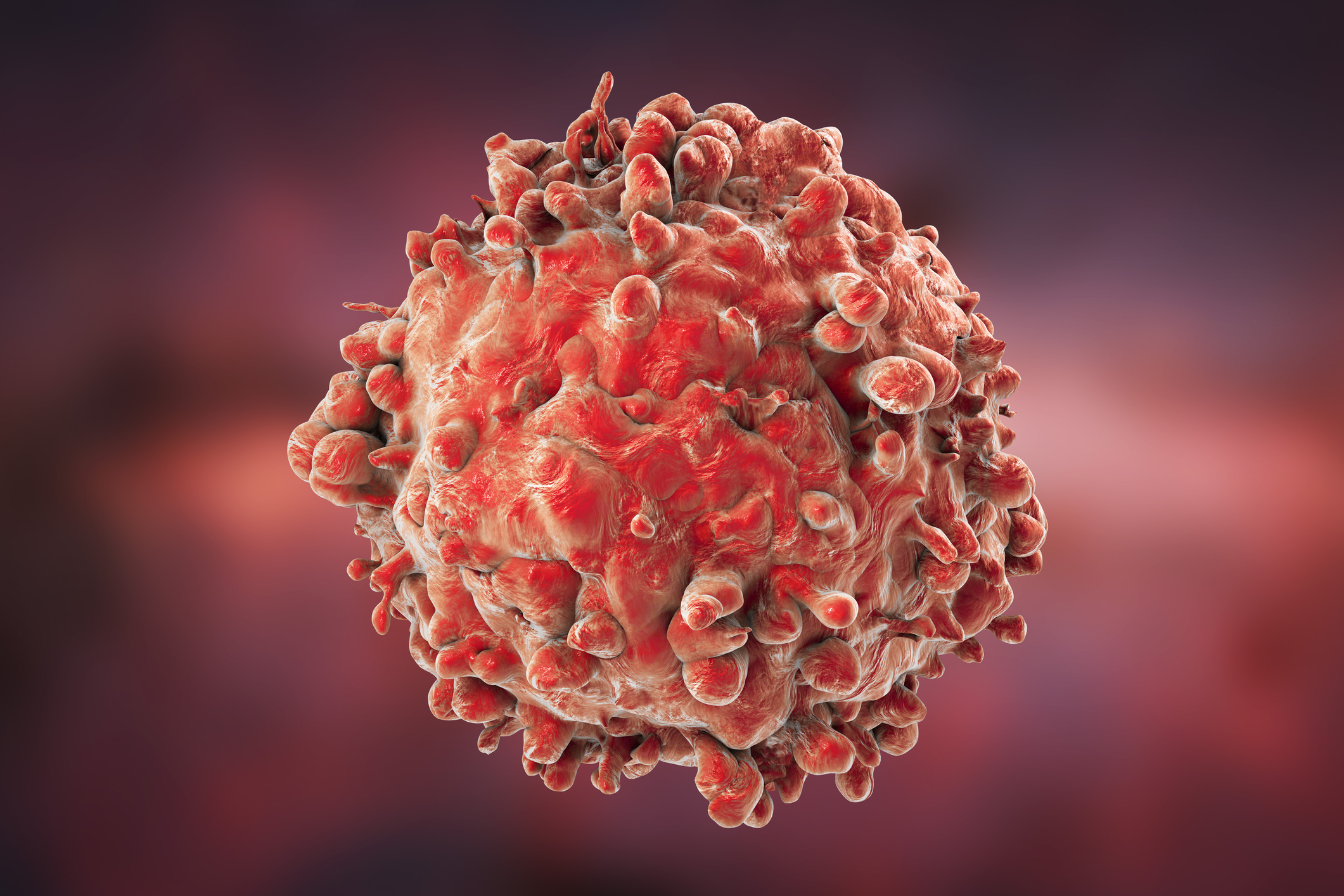
Combined Therapy Shows Promise for Chronic Lymphocytic Leukemia
A combination therapy pairing a small molecule inhibitor with monoclonal antibody immunotherapy improved patient outcomes for relapsed chronic lymphocytic leukemia, according to a Northwestern Medicine clinical trial.
-

Novel Therapy May Improve Survival for Malignant Gliomas
A novel therapy developed by Northwestern Medicine investigators improved progression-free and overall survival for patients with newly diagnosed malignant gliomas, the most common primary brain tumors in adults.
-

Virtual Intervention Reduces Fear of Breast Cancer Recurrence
A targeted virtual health intervention was effective in reducing fear of recurrence among breast cancer survivors.