Tag: Cancer
-
Uncovering Epigenetic Mechanisms Underlying Cancer Development
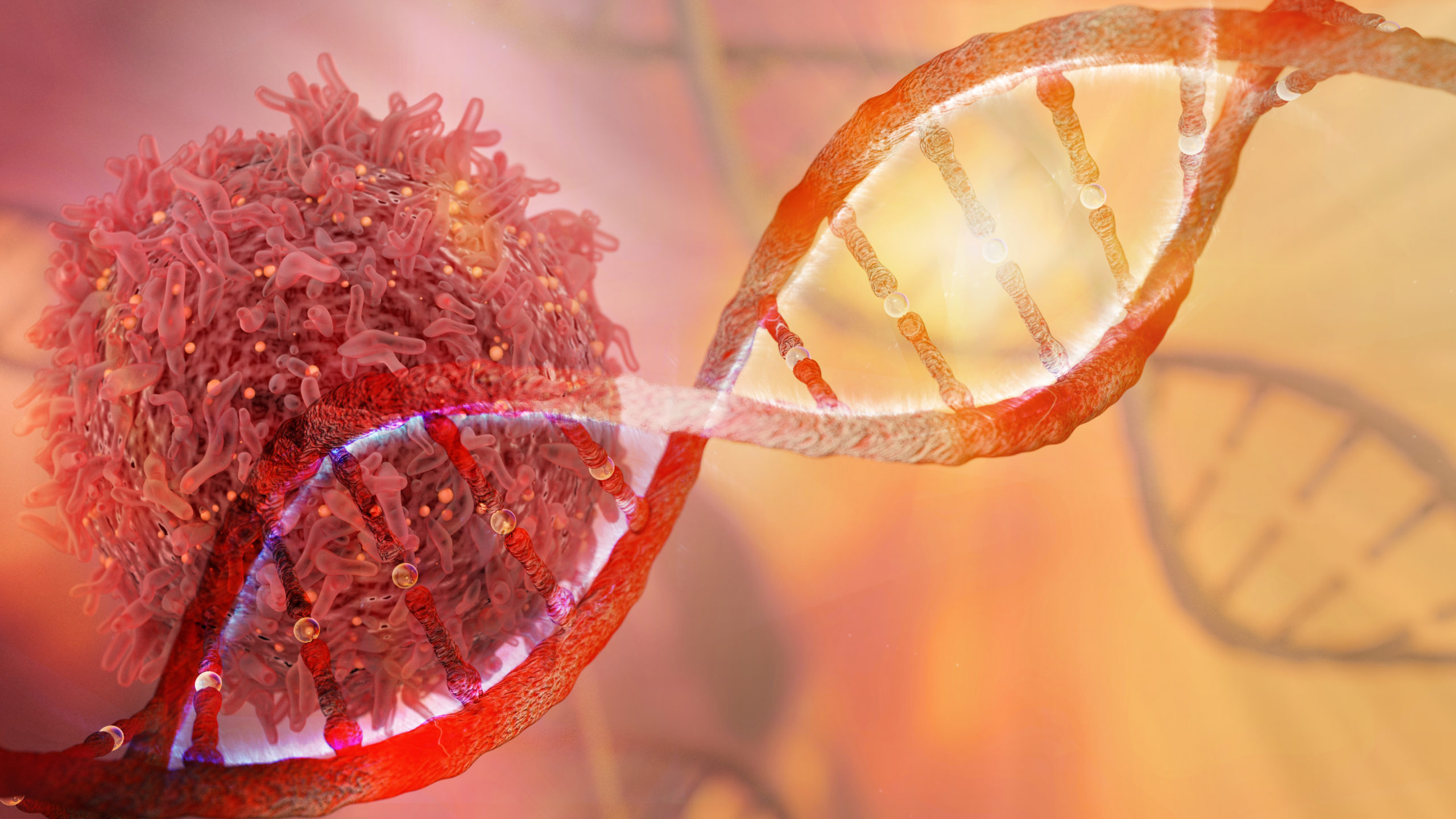
Two Northwestern Medicine studies are improving the understanding of epigenetic mechanisms in cancer development and progression, and identifying novel cancer driver genes that may help identify patients who will benefit from immunotherapy.
-

Investigators to Explore Circadian Rhythms in Cancer and Aging
A team of Northwestern Medicine investigators led by Rina Fox, PhD, MPH, received a Cancer and Aging Translational Bridge Award to investigate circadian disruption in lymphoma.
-

Drug Demonstrates Poor Efficacy in Advanced Bladder Cancer
An FDA-approved monoclonal antibody drug used to treat advanced bladder cancer demonstrated poor efficacy in a recent clinical trial.
-
Mitochondria Could Boost Immunotherapy Effectiveness
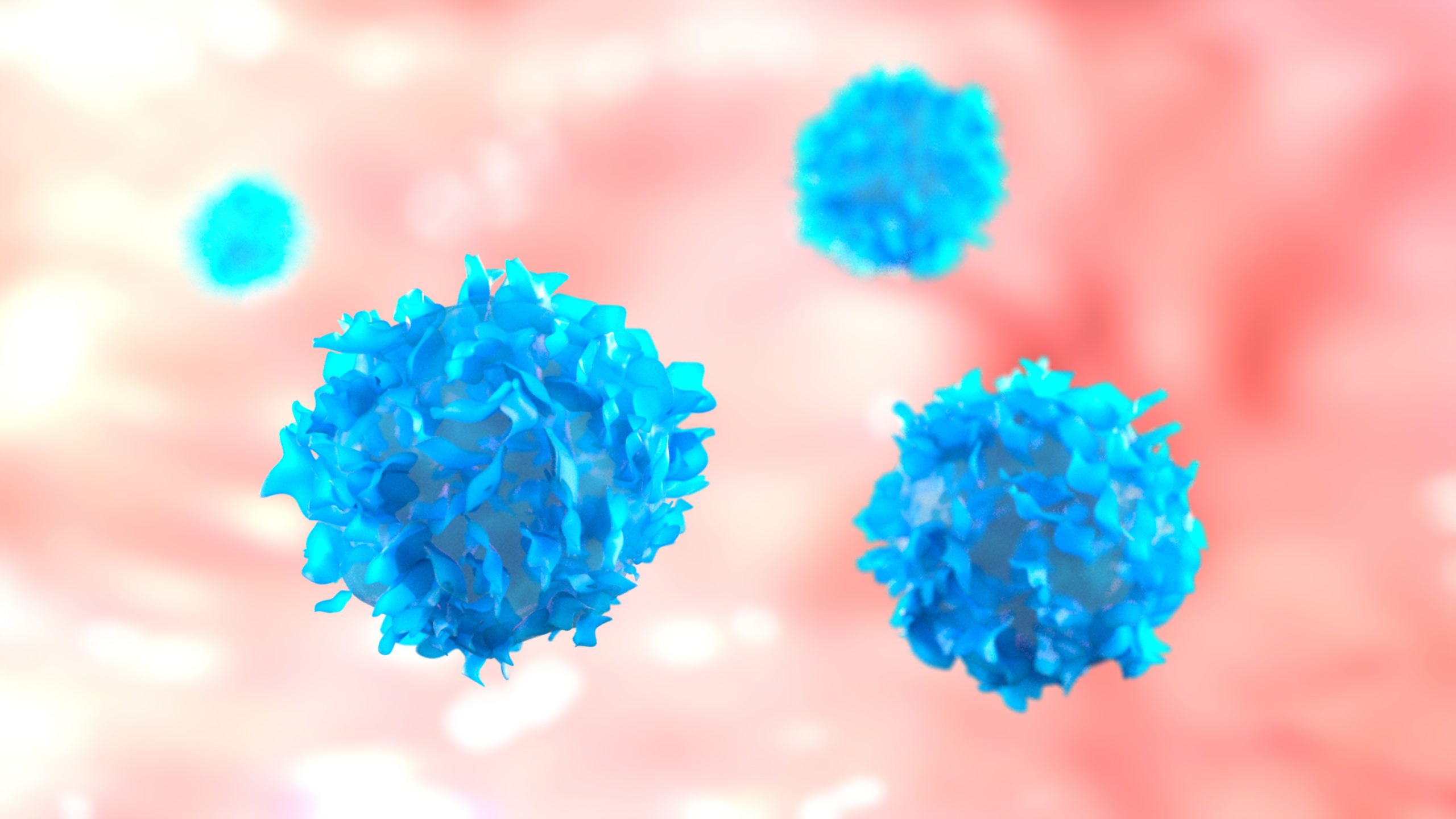
Boosting mitochondrial function in a subpopulation of T cells could make cancer immunotherapy more effective, according to a recent study.
-
Uncovering the Function of Prostate Cancer Protein
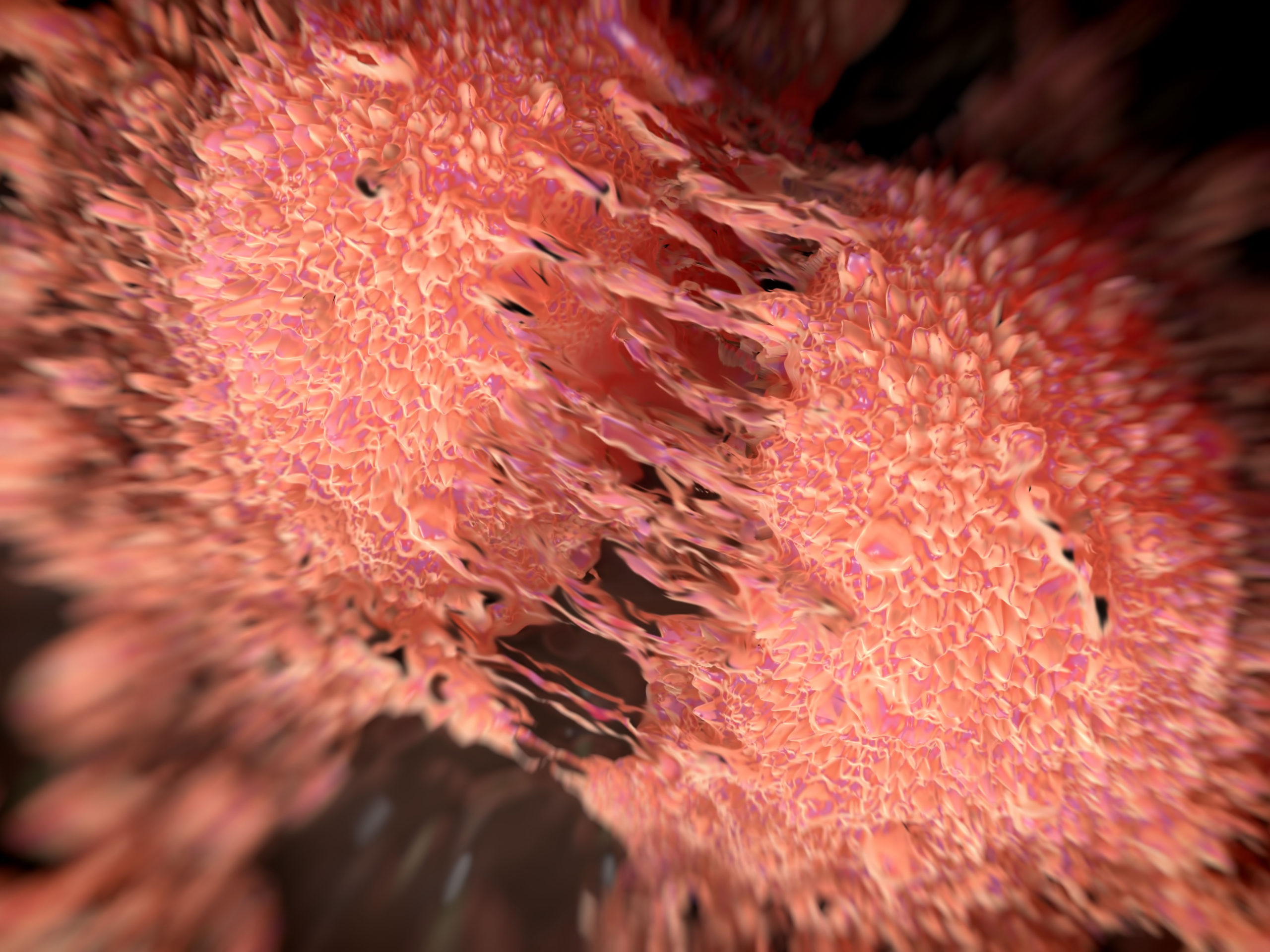
Northwestern Medicine scientists have discovered a mechanism that makes a prostate cancer-causing protein called FOXA1 more resilient, according to a recent study.
-
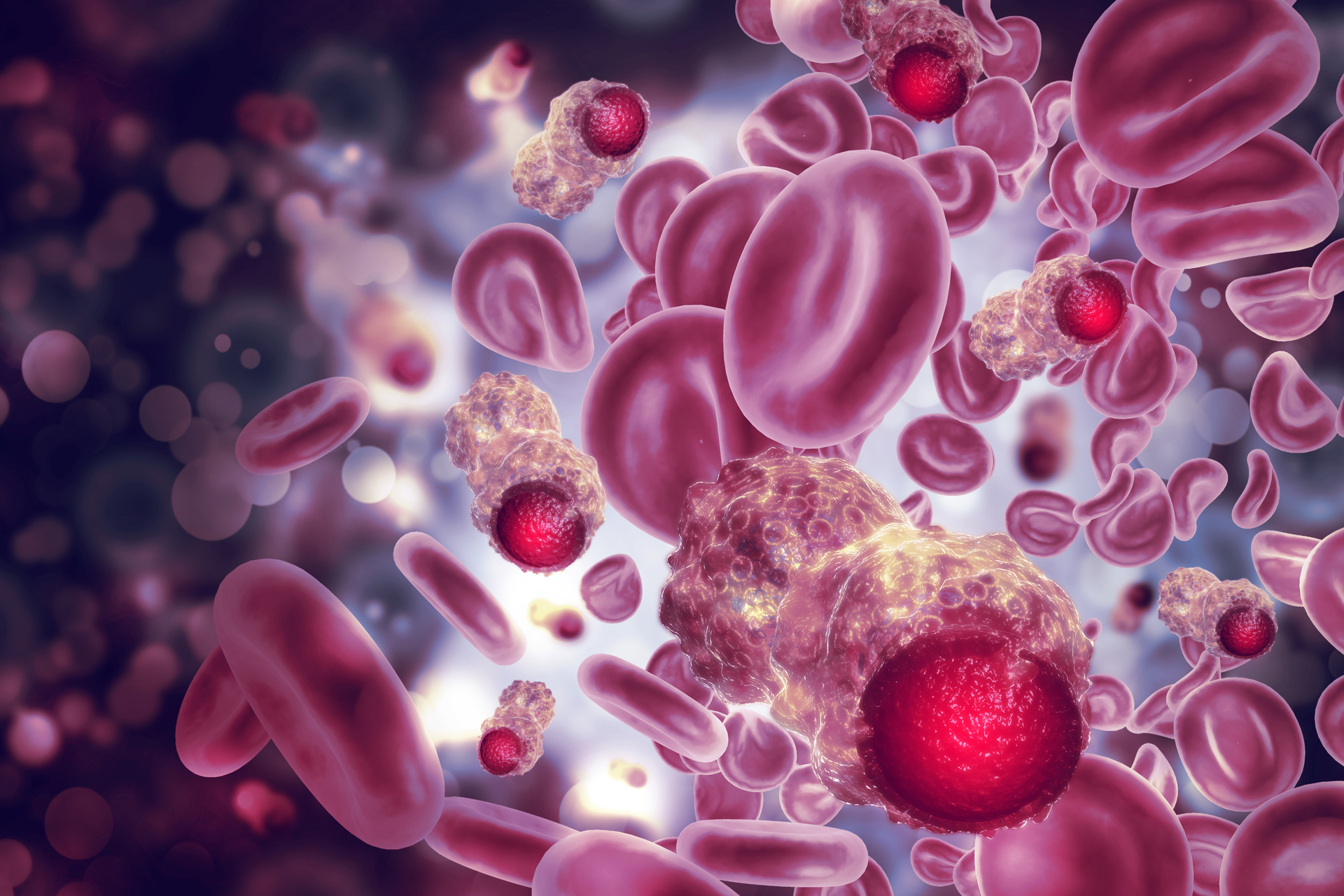
Study Discovers Dual Function of Neutrophils in Cancer Cells
Northwestern Medicine investigators have discovered how a particular type of immune cell exerts a dual function in cancer cells that is contingent on tumor grade.
-

Inhibiting SAM Biosynthesis to Slow Tumor Growth
Inhibiting production of a key material produced by the mTOR pathway could slow tumor growth, according to a recent Northwestern Medicine study.
-
Protein Variant May Have Potential as Target for Glioblastoma
Inhibiting a novel protein variant within glioma stem cells may be a promising therapeutic approach to treat glioblastoma, according to a recent Northwestern Medicine study.
-
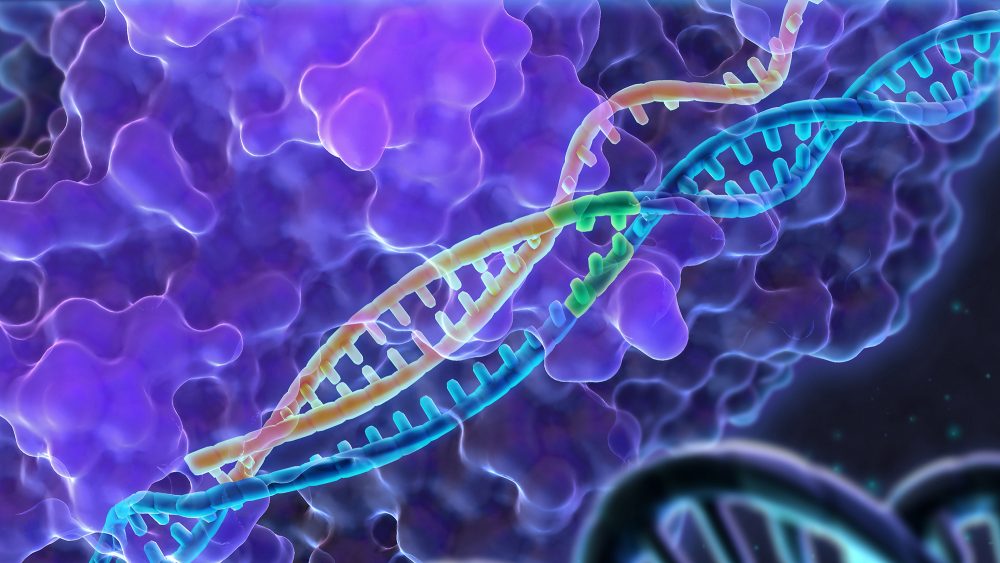
Bioinformatic Computational Tool Analyzes Tissue Samples to Discern Disease
A novel integrative computational technique allowed scientists to classify disease conditions at the molecular level using epigenomic data sets.
-
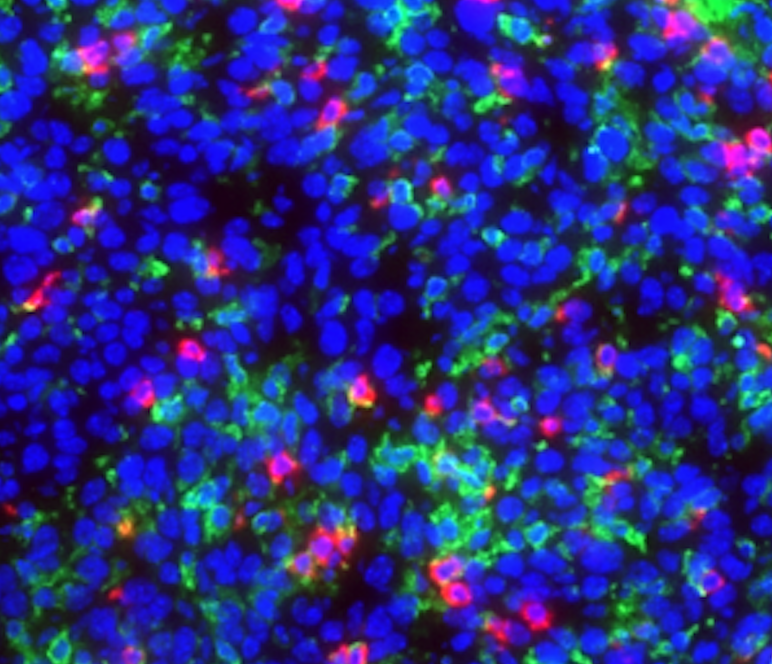
Northwestern Scientists Discover Potential Therapeutic Target for Glioblastoma
Northwestern Medicine investigators have discovered that inhibiting tumor-associated myeloid cells ability to produce specialized metabolites called polyamines may improve the effectiveness of treatments for glioblastoma.