Tag: Research
-

Overhauling Confusing Prescription Medicine Instructions
Northwestern Medicine, Walgreens, Alliance of Chicago community health centers and Merck are collaborating on a study with the goal of providing clear instructions on prescription medicine labels so patients don’t make mistakes.
-
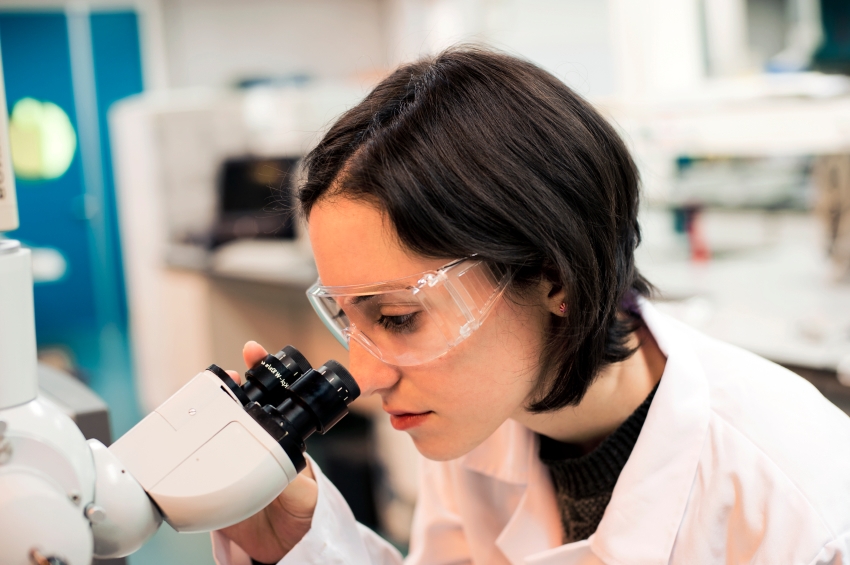
First Research Network for Women in STEM Unveiled
The new portal is designed exclusively for female scientists and engineers to provide crucial career development exposure within Chicagoland’s research community.
-
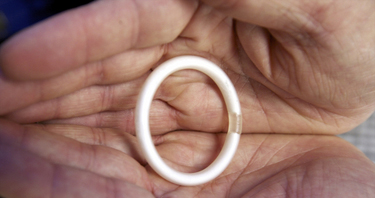
New Device Extremely Effective at Preventing Immunodeficiency Virus
A new intravaginal ring filled with an anti-retroviral drug demonstrated a 100 percent success rate protecting primates from the simian human immunodeficiency virus (SHIV).
-

Ion Channel Expert to Head Pharmacology
Most recently the chief of genetic medicine and director of the Institute for Integrative Genomics at Vanderbilt University, Alfred L. George Jr., MD, arrives at Feinberg on March 1, 2014.
-

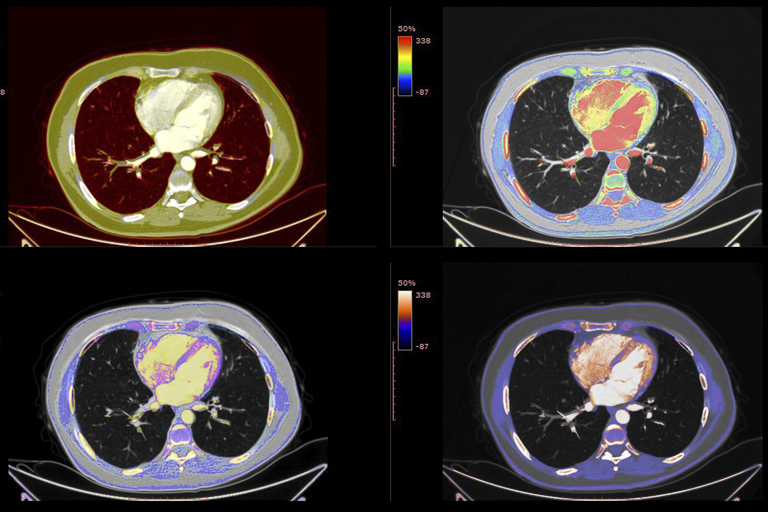
Heart Institutes at Northwestern Medicine Celebrated with Launch Event
Comprised of the world-class Bluhm Cardiovascular Institute and Feinberg Cardiovascular Research Institute, the Heart Institutes at Northwestern Medicine are poised to become a recognized leader in cardiovascular medicine through clinical excellence and the discovery of innovative new therapies.
-
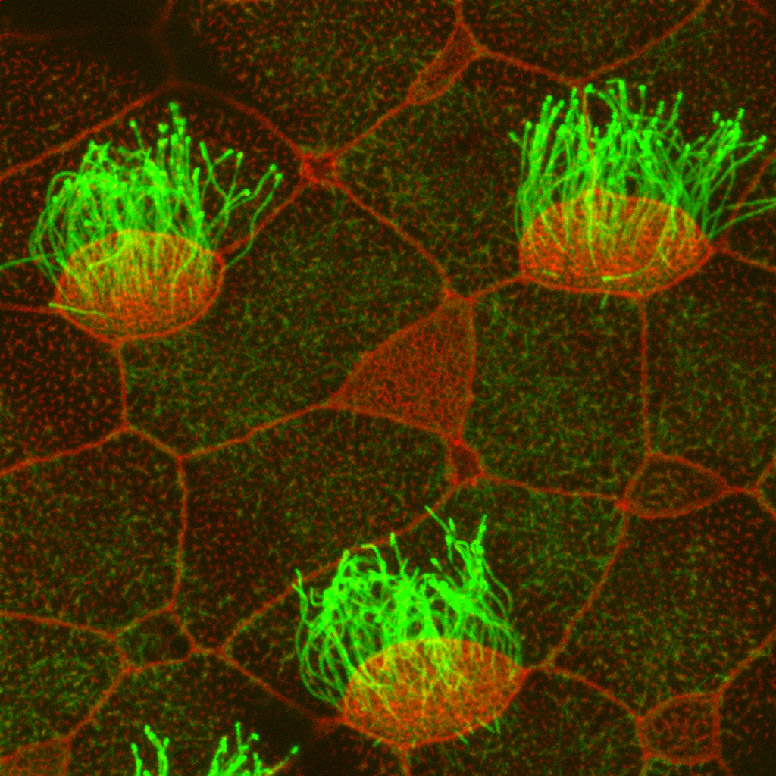
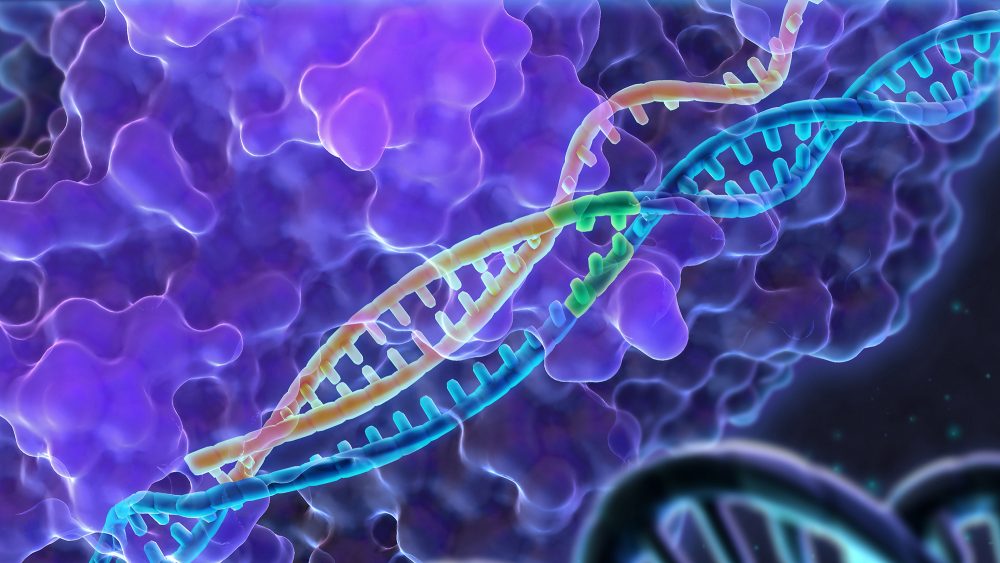
Protein Marks Vital Component in Creation of Multi-Ciliated Cells
Published in Developmental Cell, the Mitchell Lab’s discovery could someday affect scientists’ understanding of the way centriole duplication goes awry in cancer development.
-
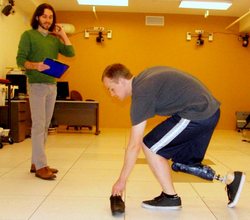
Berg Balance Scale Validated for Lower-Limb Amputees
Scientists at the Northwestern University Prosthetics-Orthotics Center recently used an existing assessment tool to quantify issues of balance in individuals with lower-limb amputation. Findings were published in the Archives of Physical Medicine and Rehabilitation.
-

Receptor Plays Dual Role in Keeping Intestine’s Immune System Balanced
Recently published research by Liang Zhou, MD, PhD, has revealed that the aryl hydrocarbon receptor helps fight infection and keeps the body from attacking itself.
-

Heavy Smoking Raises Prostate Cancer Risk in African Americans
Smoking at least a pack a day also increases the odds of this community developing a severe and harder to treat form of the disease.