Tag: Research
-
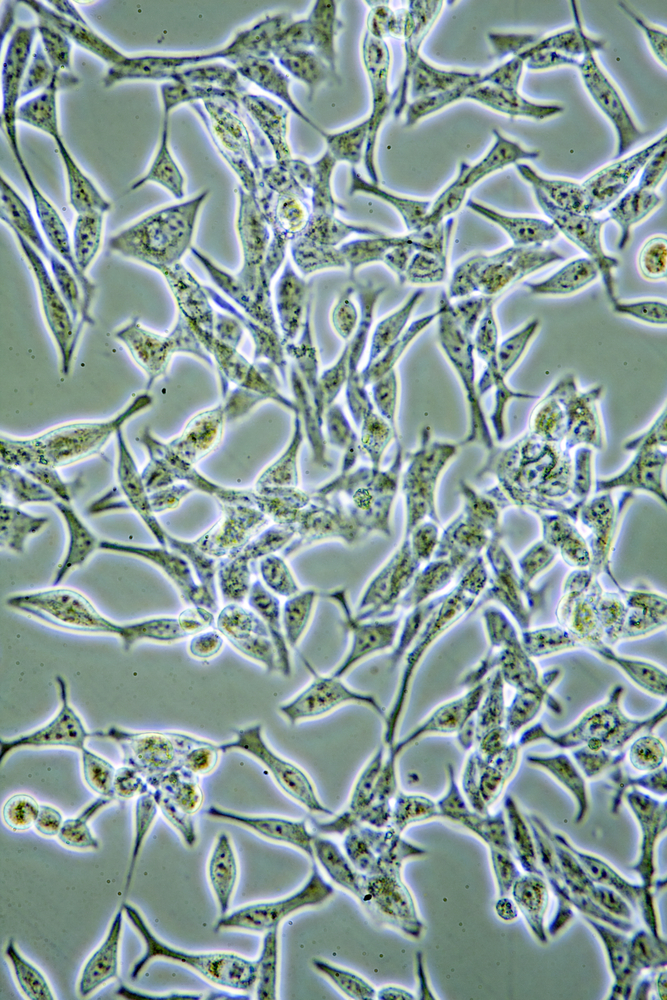
CD73 Research Could Lead to Cancer Drug
Part of the $8 million multinational TumAdoR project, the study investigates the CD73 enzyme, which is overexpressed in many different forms of the disease.
-
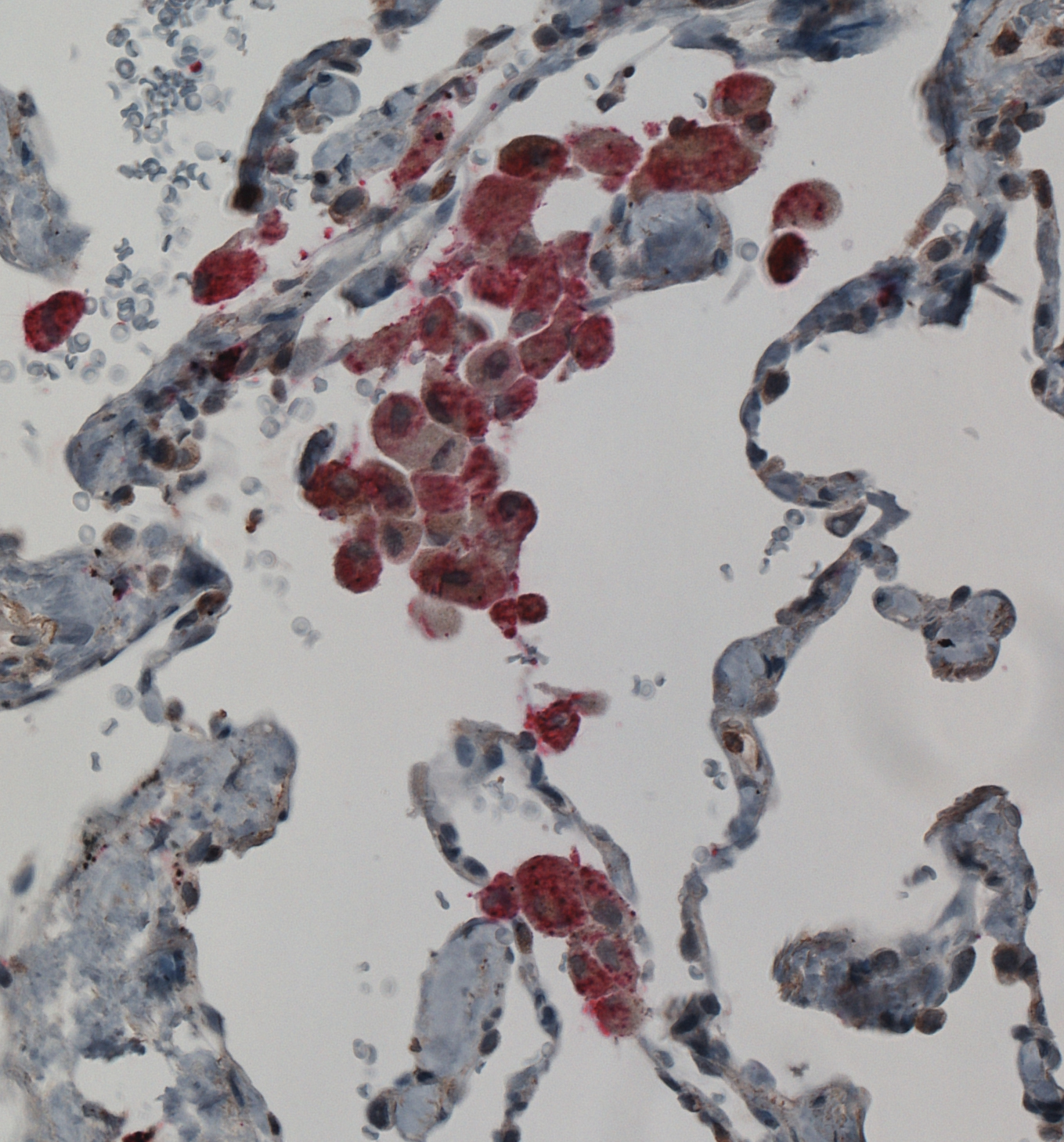
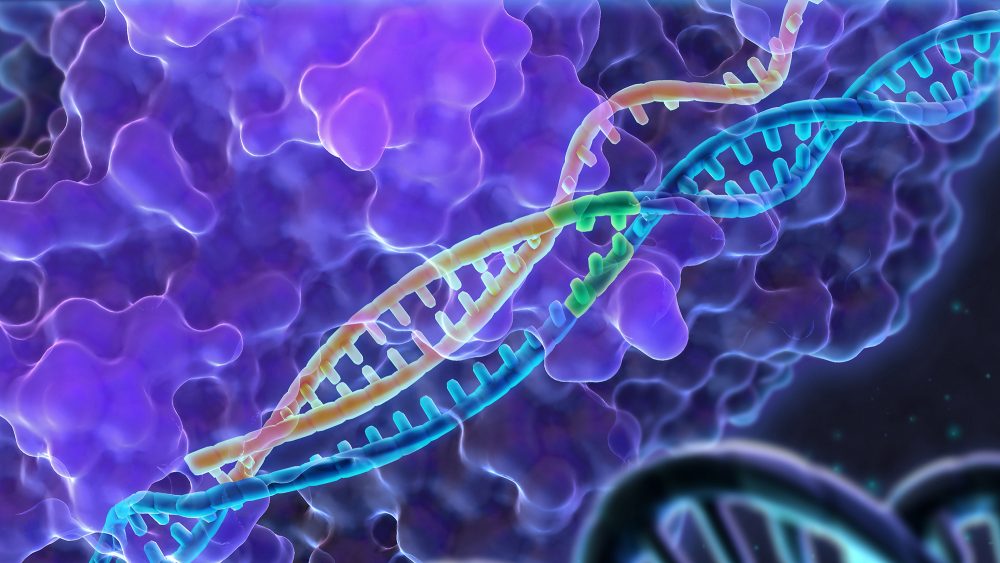
Scientists Discover Gene with Role in Inflammation
Christian Stehlik and colleagues have learned how the molecular sensors that detect viruses and trigger defensive inflammatory responses are controlled.
-

New Sitting Risk: Disability After 60
Study is the first to show sedentary behavior is its own risk factor for disability, separate from lack of moderate vigorous physical activity.
-

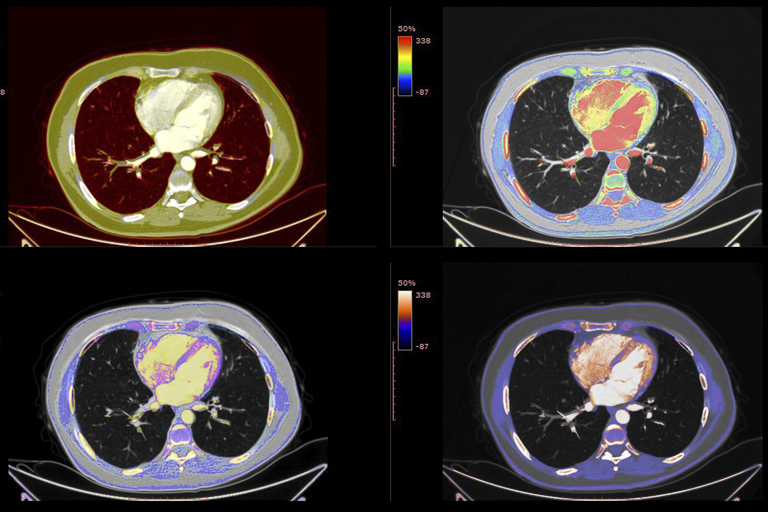
New Imaging Technique Can Diagnose Common Heart Condition
The technique, used to measure blood flow in the heart and vessels, can also diagnose bicuspid aortic valve, a common congenital abnormality, and may lead to better prediction of complications.
-
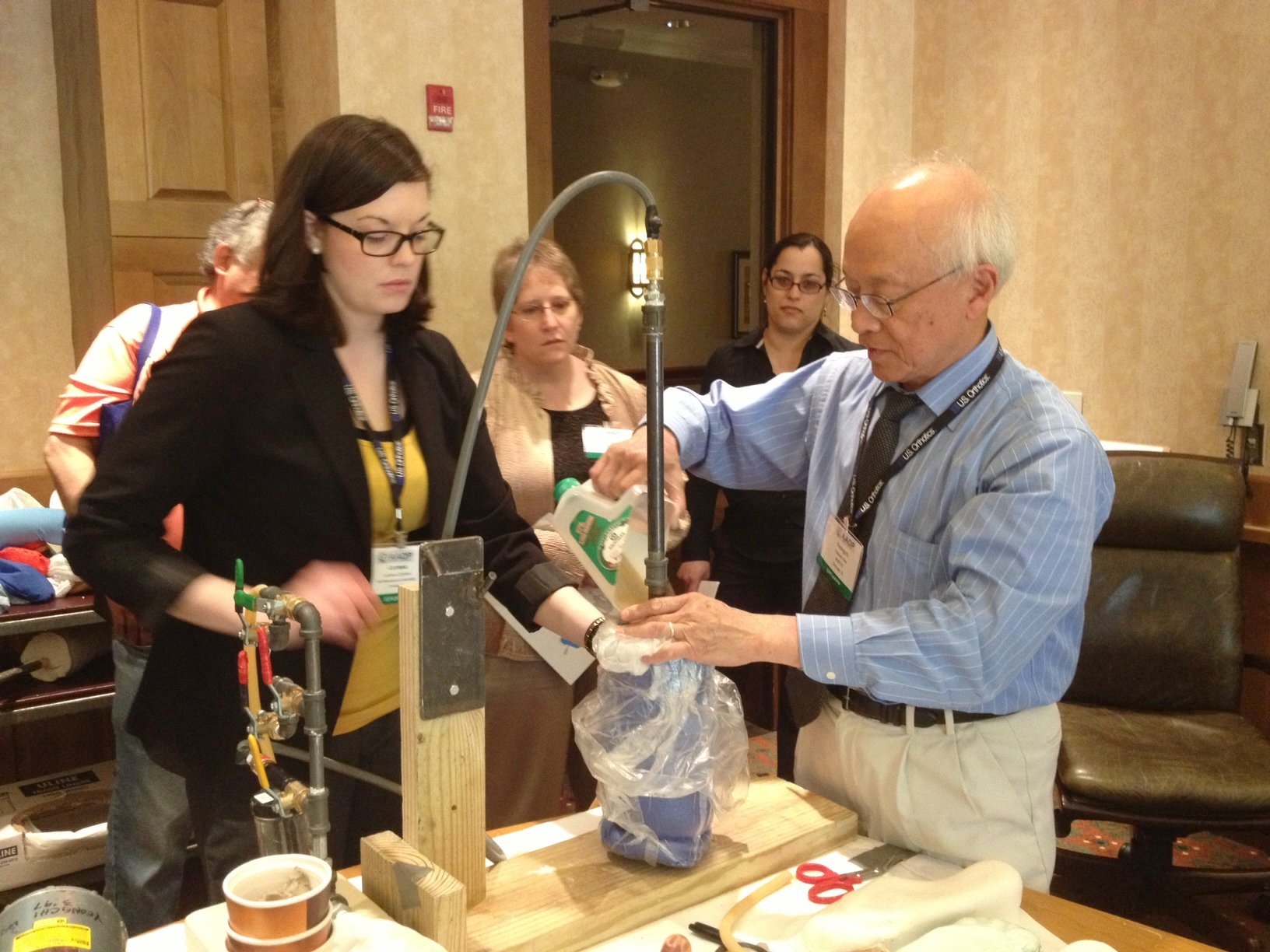
NUPOC Scientists Bringing New Technology to Developing World
Yeongchi Wu, MD, has spent more than a decade perfecting a sustainable and cost-effective manner to create prosthetics and orthotics in the developing world.
-
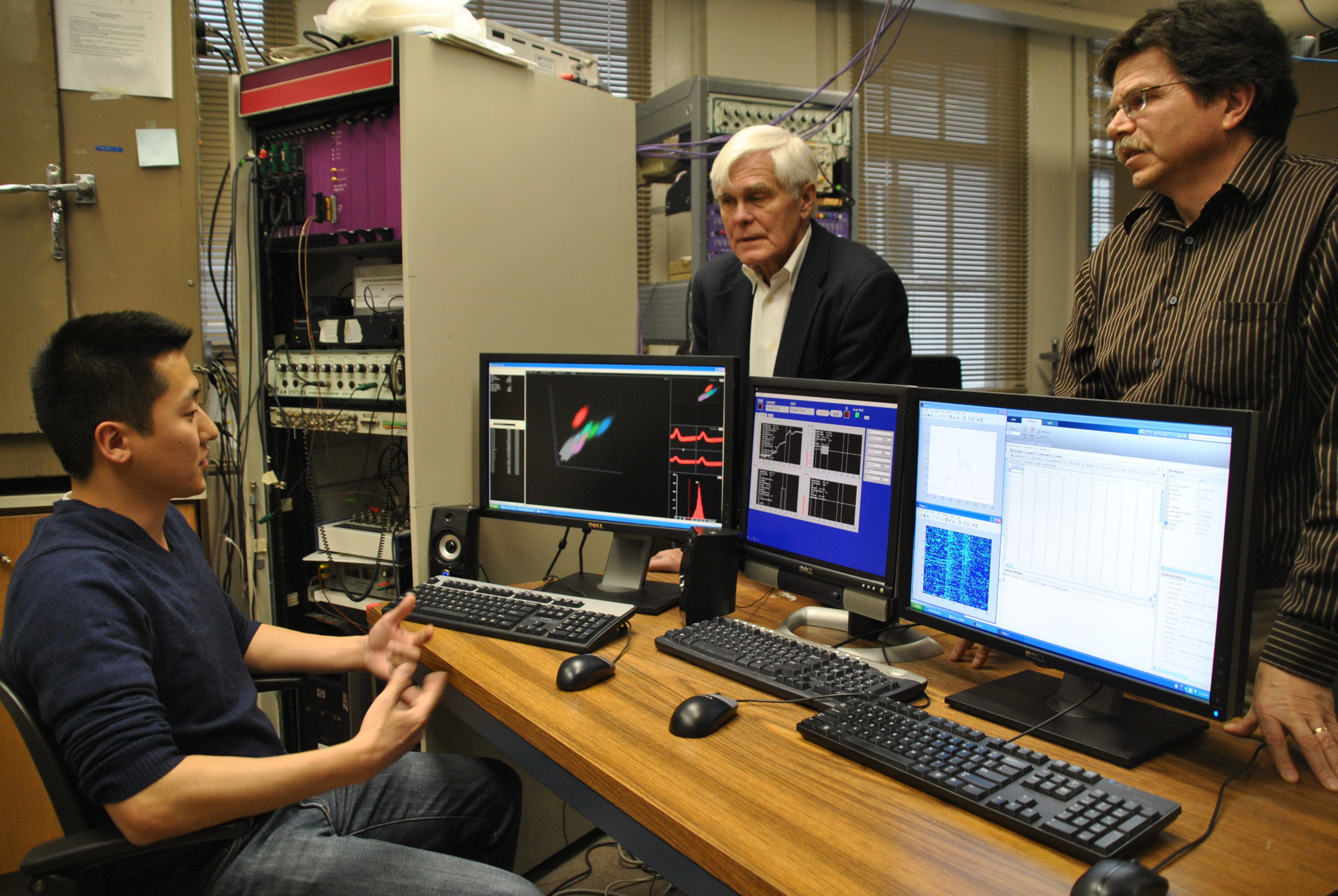
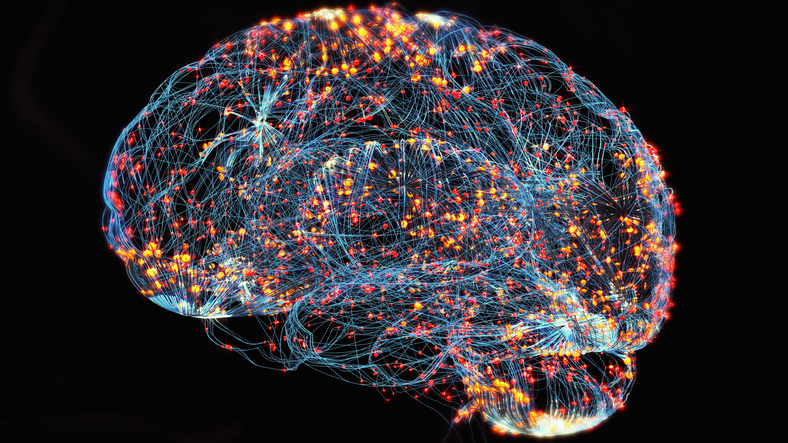
Scientists Reveal Brain Region Vital for Long-term Memory
The Disterhoft lab has illustrated how neuronal activity varies in the pre-frontal cortex as the brain shifts from attention to recollection of long-term memory.
-

Heart Disease Warning Signs Appear as Early as 18
Elevated blood pressure as young as age 18 is a warning sign of cardiovascular disease developing later in life and the time to begin prevention. That’s decades earlier than clinicians and patients generally start thinking about heart disease risk.
-

How Memory Rewrites the Past
According to a new study, memory rewrites the past with current information, updating your recollections with new experiences.
-
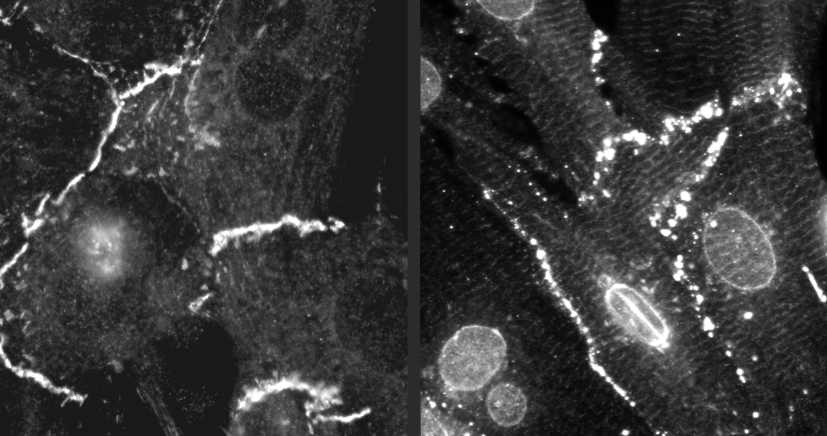
Proteins Linked to Sudden Cardiac Death
Dipal Patel, a sixth-year Medial Scientist Training Program student, studies a protein called desmoplakin to better understand the causes of diseases associated with sudden cardiac death during athletic events.
-

2013: The Year in Review
The past year provided an outstanding time of growth and success at Northwestern University Feinberg School of Medicine. The following stories highlight some of the best moments from 2013.