Tag: Research
-

Many Preventive Antibiotics Prescribed by Dentists Are Unnecessary
More than 80 percent of antibiotics prescribed before dental procedures to prevent infection are unnecessary, according to a study published in JAMA Network Open.
-
Cell Polarity Linked to Cell Adhesion
Scientists discovered a new link between cell polarity and cell adhesion, according to a study published in the Journal of Cell Biology.
-
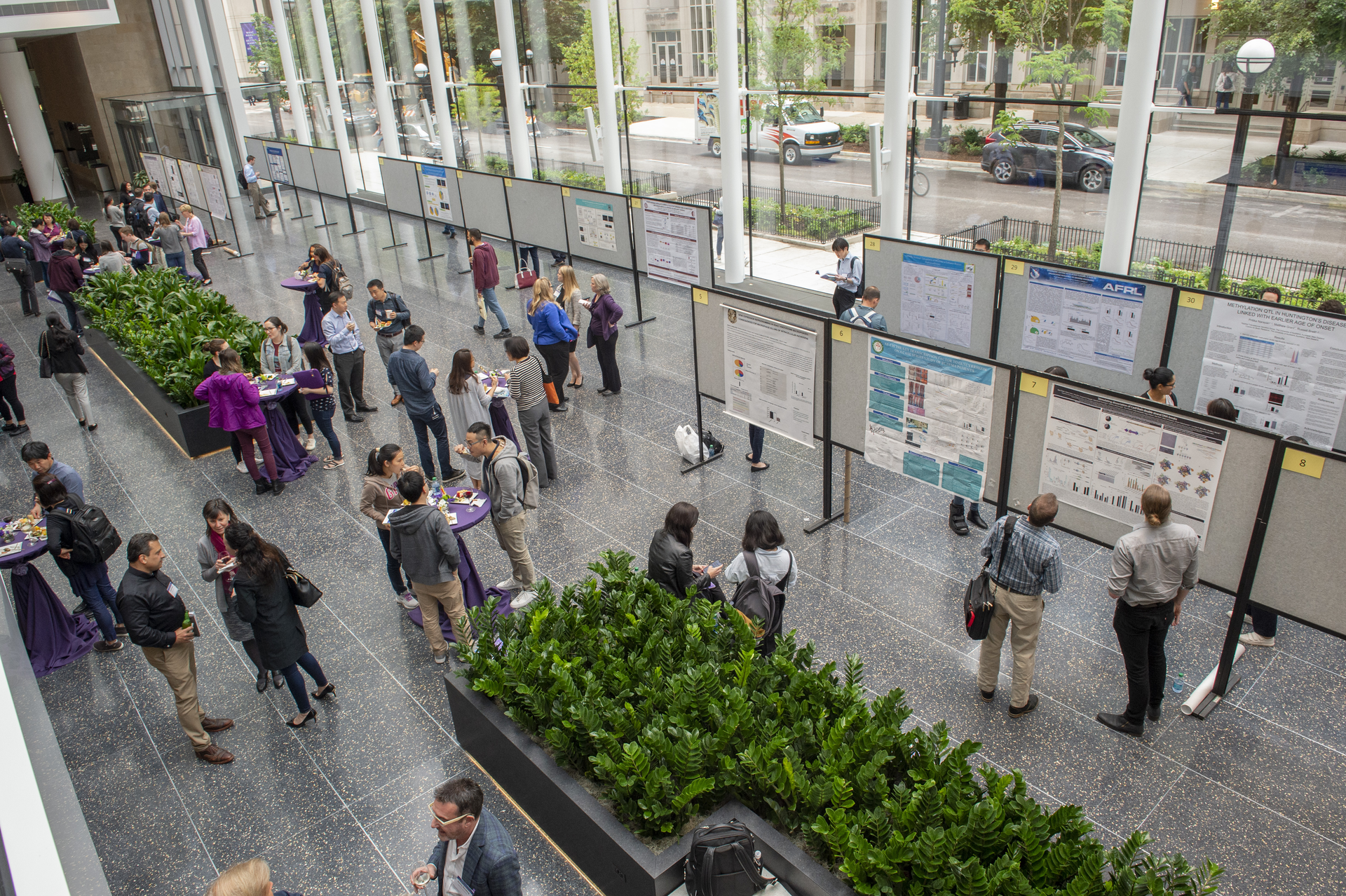
Feinberg/Nature Conference Explores Epigenetics
Feinberg partnered with Nature Genetics and Nature Medicine to host the Chicago Science 2019: Epigenetics and Genome Editing conference.
-

Northwestern Opens Largest Biomedical Academic Research Building in U.S.
The Louis A. Simpson and Kimberly K. Querrey Biomedical Research Center – the largest new building dedicated to biomedical research at a US medical school – has officially opened.
-
Radiation Plus Chemotherapy Doesn’t Improve Endometrial Cancer Recurrence-Free Survival
In a surprising new finding, radiation combined with chemotherapy did not increase recurrence-free survival in women with stage III/IVA endometrial cancer following surgery.
-

MD/PhD Student Stays Engaged With Student Development, Advocacy Initiatives
Radhika Rawat, a student in the Medical Scientist Training Program, discusses how she plays an active role in the medical school and maintains balance outside of her MD/PhD studies.
-
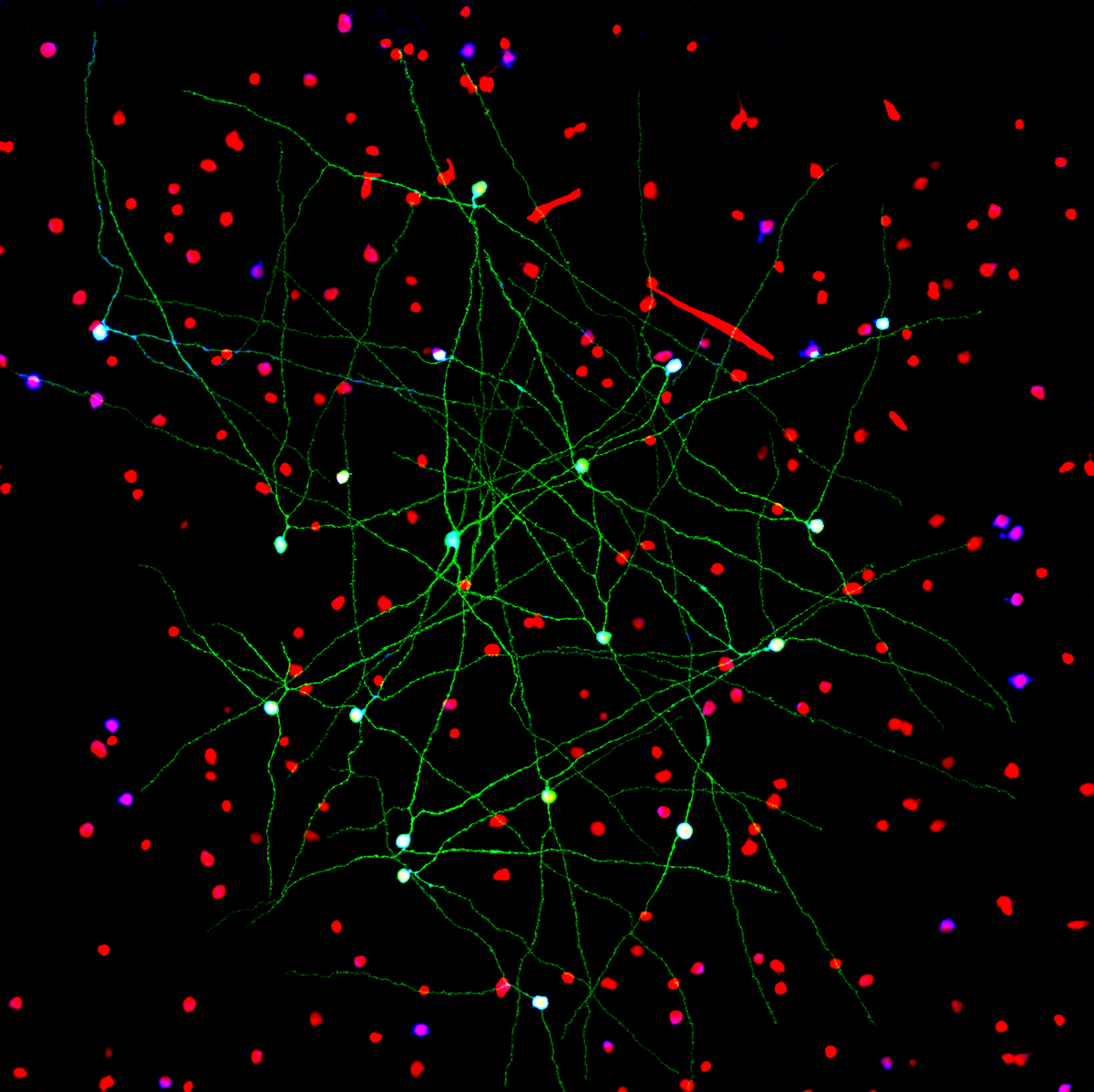
Mapping the Visual System, From Photoreceptors to Brain
With advances in technology and genetics, Feinberg and Northwestern investigators are conducting basic science research to understand just how the retina works in concert with the brain.
-

Standard Treatment May Not Benefit Many Patients With Mild Asthma
Many patients with mild asthma may not benefit from inhaled steroid medications, the current standard treatment, according to a clinical trial published in the New England Journal of Medicine.
-
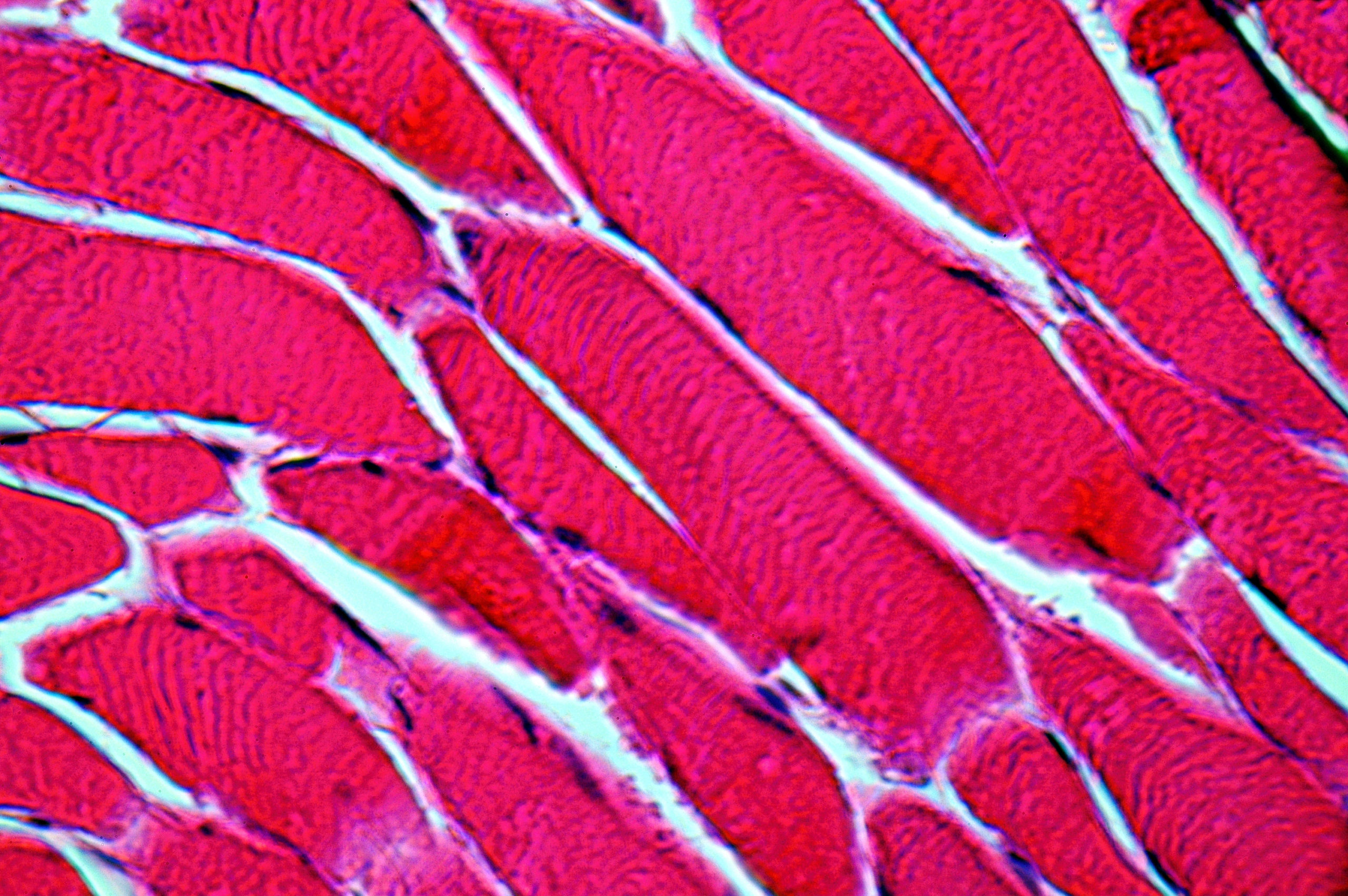
Exercising to Improve Function in Muscular Dystrophy
Low- and moderate-intensity exercise improved muscle, heart and breathing function in an animal model of Duchenne muscular dystrophy, according to a Northwestern Medicine study.
-

Distinguished Scientist Named Chair of Cell and Developmental Biology
Luisa Iruela-Arispe, PhD, an internationally recognized vascular biologist, has been named the Stephen Walter Ranson Professor and chair of the Department of Cell and Developmental Biology.