Tag: Patient Care
-

Adapting the Education Centered Medical Home to the COVID-19 Crisis
Students are conducting telehealth visits and reaching out to patients at high risk of complications from COVID-19, part of the transition of the Education Centered Medical Home to virtual care.
-

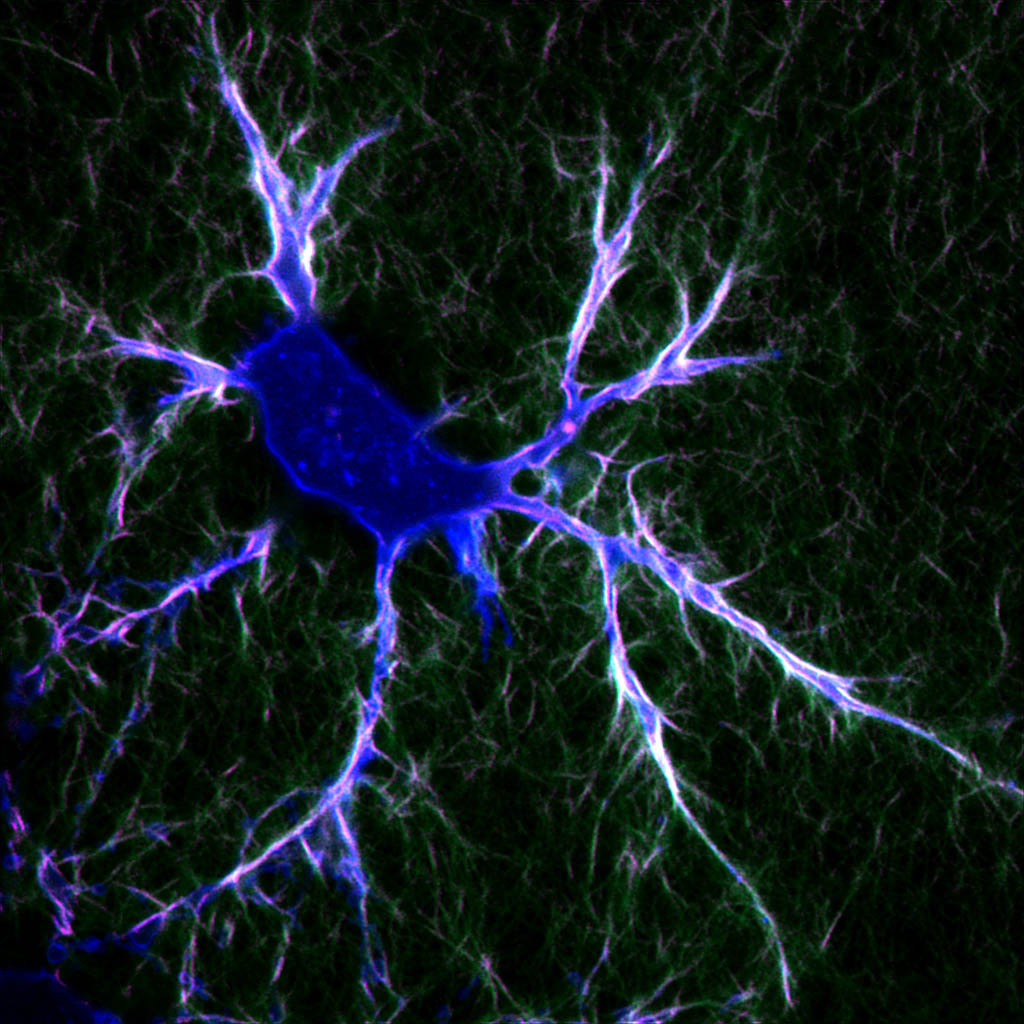
New Radiotherapy Method Reduces Cognitive Decline
A new method of delivering radiation during whole brain radiotherapy could reduce neurotoxicity without compromising effectiveness, according to a new study.
-

Number of Americans Receiving Primary Care Decreased Between 2002-2015
A study published in JAMA Internal Medicine found that the percentage of Americans who received primary care — especially those who were male, younger, of minority backgrounds or who lived in the southern region of the United States — significantly decreased between 2002 and 2015.
-

Northwestern Helps Develop Custom Drug
A one-of-a-kind drug created to treat a single patient passed a crucial test at Northwestern, according to a study published in the New England Journal of Medicine.
-
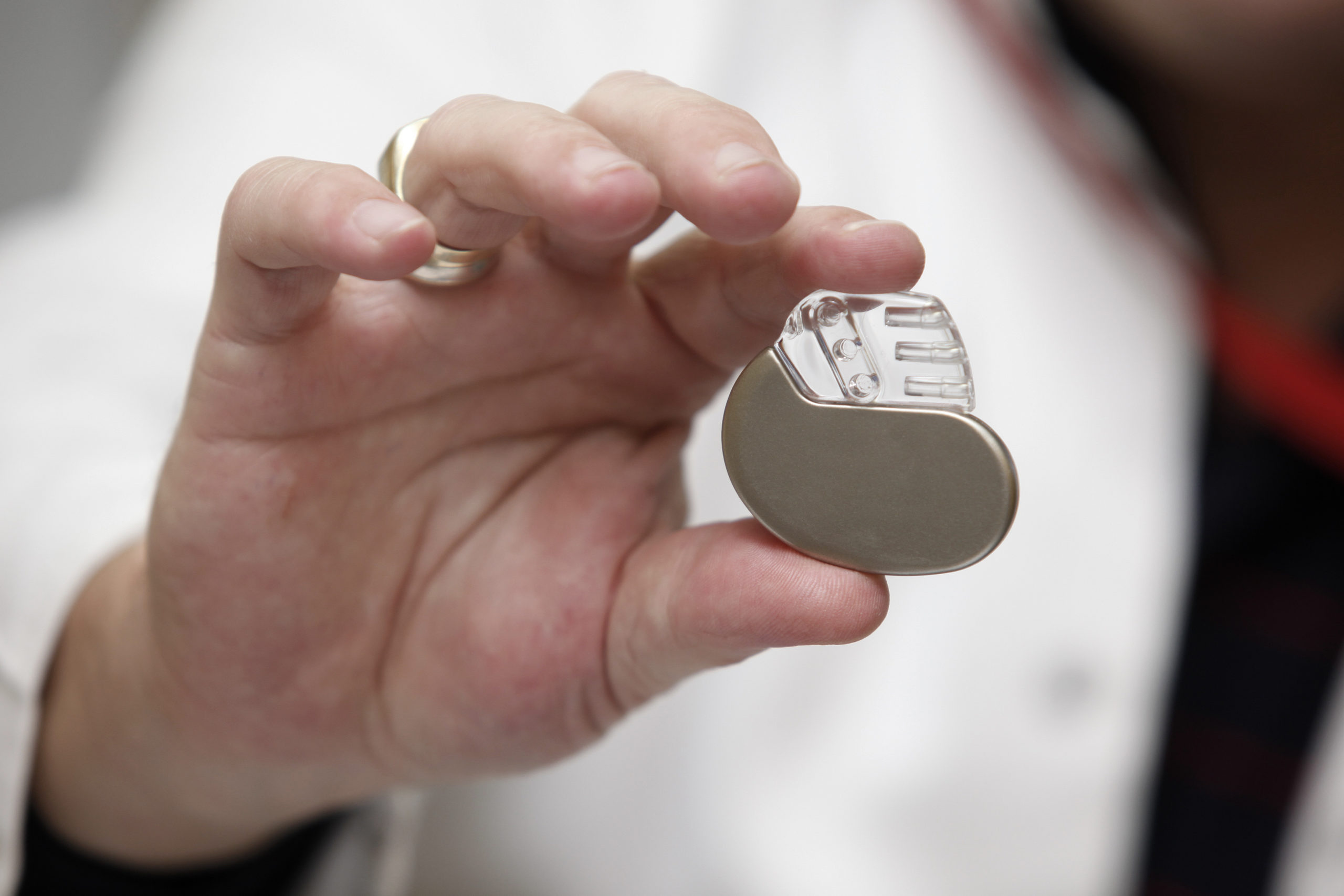
Pacemakers Could Help Avoid Future Strokes
Measuring atrial fibrillation through implanted devices like pacemakers can identify patients at risk for stroke, according to a recent study.
-

Women Surgical Residents Suffer More Mistreatment, Leading to Burnout and Suicidal Thoughts
Women surgical residents suffer more mistreatment than men, which leads to a higher burnout rate and more suicidal thoughts among female residents, according to a new Northwestern Medicine study.
-

Improving the Physician Referral Process with Peer Evaluations
Gregory Brisson, MD, discussed how peer evaluation among physicians could enhance the patient referral process in a recent NEJM editorial.
-

Improving Predictions of Kidney Transplant Success
A recent study found that the genetic distance between kidney donors and recipients could be used to more accurately predict transplant success.
-

Diabetes Drug May Help Treat Heart Failure Too
A drug originally designed to help manage diabetes may also improve quality of life for patients with heart failure, according to a recent clinical trial.
-

Hospital Ratings Systems Get Low Grades from Experts
Many hospital rating systems are inconsistent and suffer from fundamental weaknesses, according to experts, as reported by a new Northwestern Medicine study.