Tag: Genetics
-
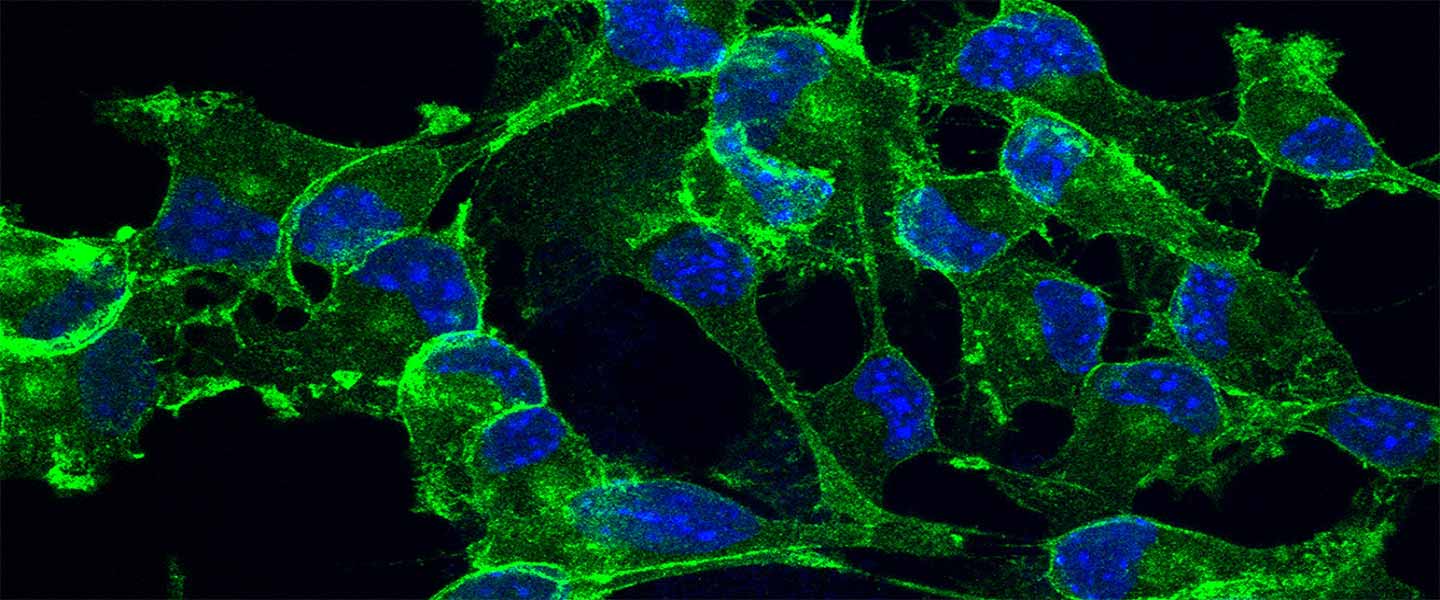
2019 in Scientific Images
These images illustrate the physical reality Northwestern scientists work within, striving to uncover the mysteries of biology, chemistry and medicine.
-

African Ancestry Affects Gene Expression
Levels of African ancestry in a person’s genome determines the level at which certain genes are expressed, findings that could offer insight into the different risk of diseases.
-

How Gene Mutation Causes Autism and Intellectual Disability
Scientists have discovered why a specific genetic mutation causes intellectual disability and autism spectrum disorder in children.
-

Hidden Data in ‘Junk DNA’ May Predict Cancer
A new machine-learning tool demonstrates the clinical potential of ‘junk DNA’ methylation in hepatitis C-associated liver cancer patients without the need for expensive testing.
-
Tissue Environment Shapes Gene Regulation in Skeletal Muscles
The tissue environment and chronic exercise can both influence gene expression in skeletal muscles, according to a study published in PLOS Biology.
-

Northwestern Helps Develop Custom Drug
A one-of-a-kind drug created to treat a single patient passed a crucial test at Northwestern, according to a study published in the New England Journal of Medicine.
-

New Molecule Blocks ‘Undruggable’ Cancer Protein
Northwestern Medicine scientists have created a small molecule that reduces expression of MYC, a cancer-causing protein involved in a wide variety of cancers.
-

Northwestern and Cell Press Symposium Highlights Transcriptional Regulation
Northwestern and Cell Press hosted a symposium on transcriptional regulation, welcoming more than 350 attendees from around the world.
-
Kiskinis Receives Early Career Award to Study ALS, Epilepsy
Evangelos Kiskinis, PhD, has received a New York Stem Cell Foundation – Robertson Investigator Award to study the origins of ALS and pediatric epilepsy.
-
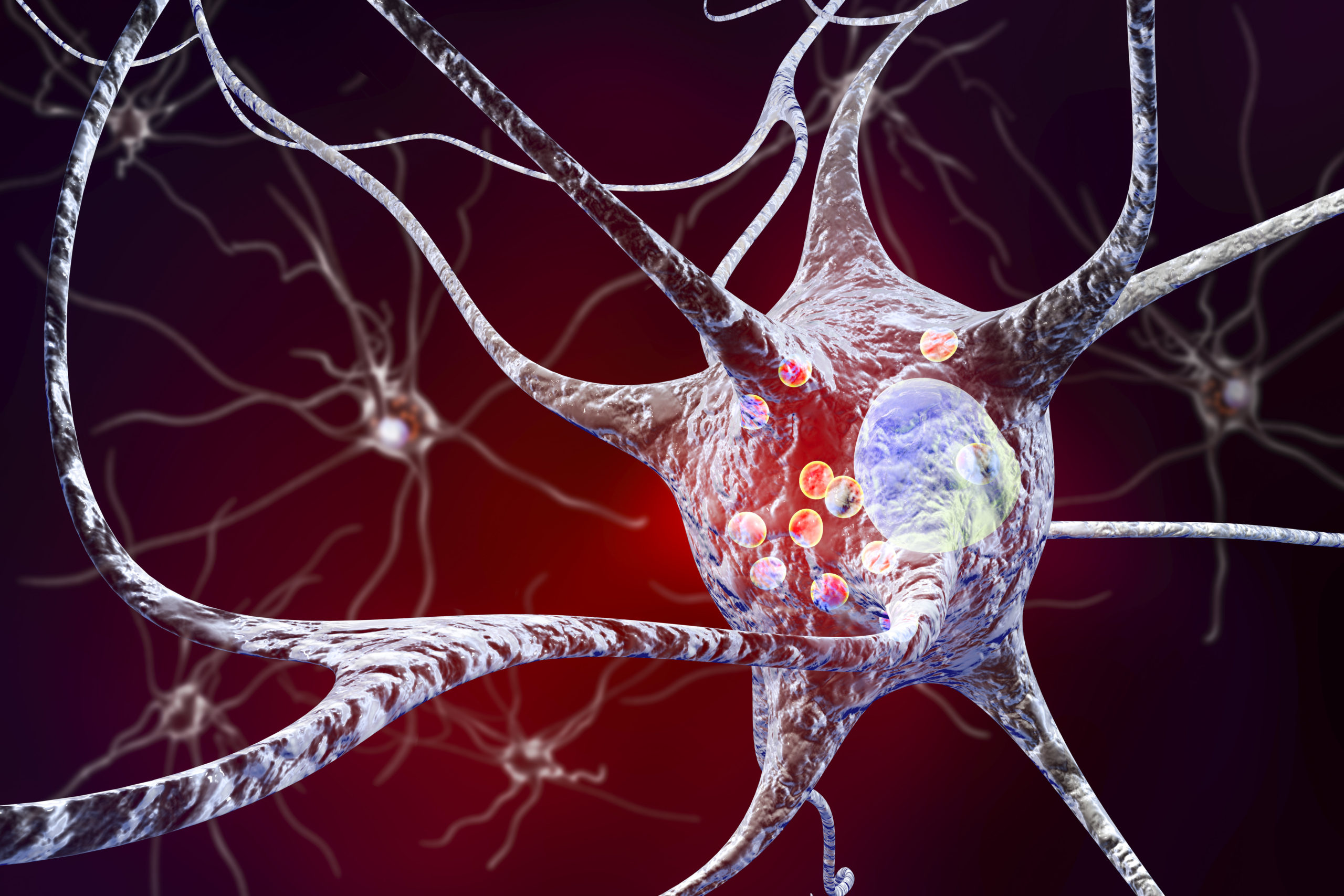
Personalized Approach to Parkinson’s Treatment
Northwestern Medicine scientists have developed a new strategy to treat Parkinson’s disease by mitigating the effects of harmful genetic mutations, according to a recent study.