Tag: Cardiology
-

Cardio-Kidney Trials Present Obstacles
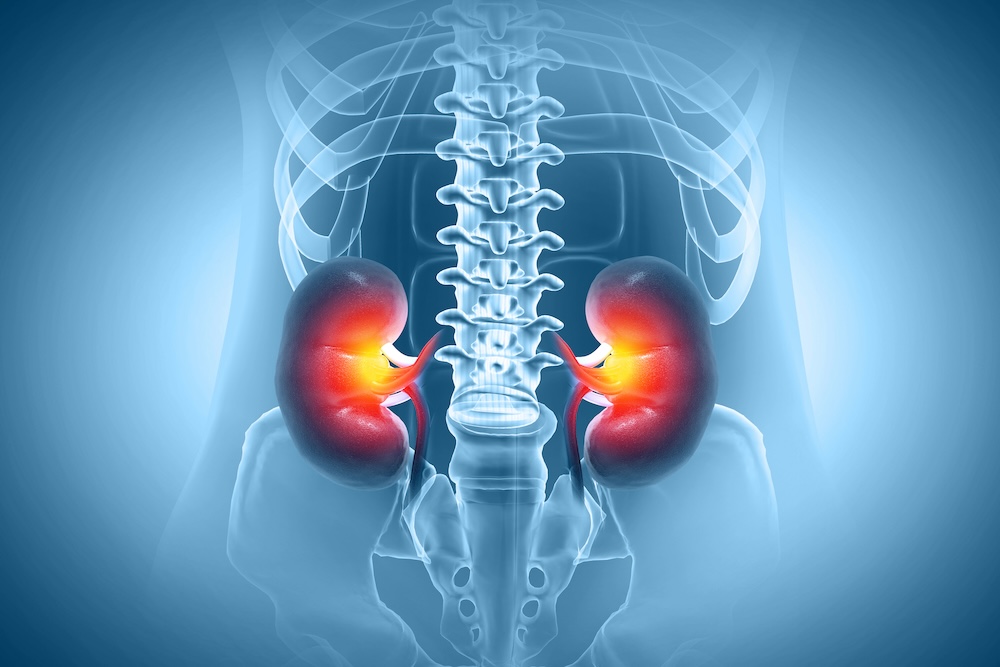
A new class of drugs shows benefit for both cardiovascular and kidney conditions, but scientists should be cautious in designing trials that include both cardiovascular and kidney outcomes in the same analysis, according to a Northwestern Medicine review article.
-

Proxy Measures Fail to Assess Cardiovascular Care
Using proxy measures of preparedness for hypertension or diabetes care did not accurately assess the ability of low- and middle-income countries to treat patients, according to a study published in PLOS Medicine.
-

Rethinking Cardiac Repair After Injury
A signaling molecule produced by the lymphatic vasculature could be used to promote cardiac repair after heart attack, according to a Northwestern Medicine study published in Nature.
-

New Drug Connects Dots That Cause Clots in COVID-19 Patients
A gene mutation discovered in a small Amish community in Indiana has inspired the use of a new experimental drug for COVID-19 that reduces blood clotting.
-

Persevering Through Pandemic: Science During COVID-19
In late March, the world came to a virtual standstill. The COVID-19 pandemic forced leaders around the world to limit large gatherings and shutter schools and businesses. For Feinberg’s research enterprise, this was a serious disruption — but science kept moving forward.
-

Exploring the Relationship Between Inflammation and Heart Failure
The presence of inflammatory proteins was associated with comorbidity burden and deteriorating heart function in patients with heart failure with preserved ejection fraction, according to a Northwestern Medicine study.
-
Investigating the Biology of Aging
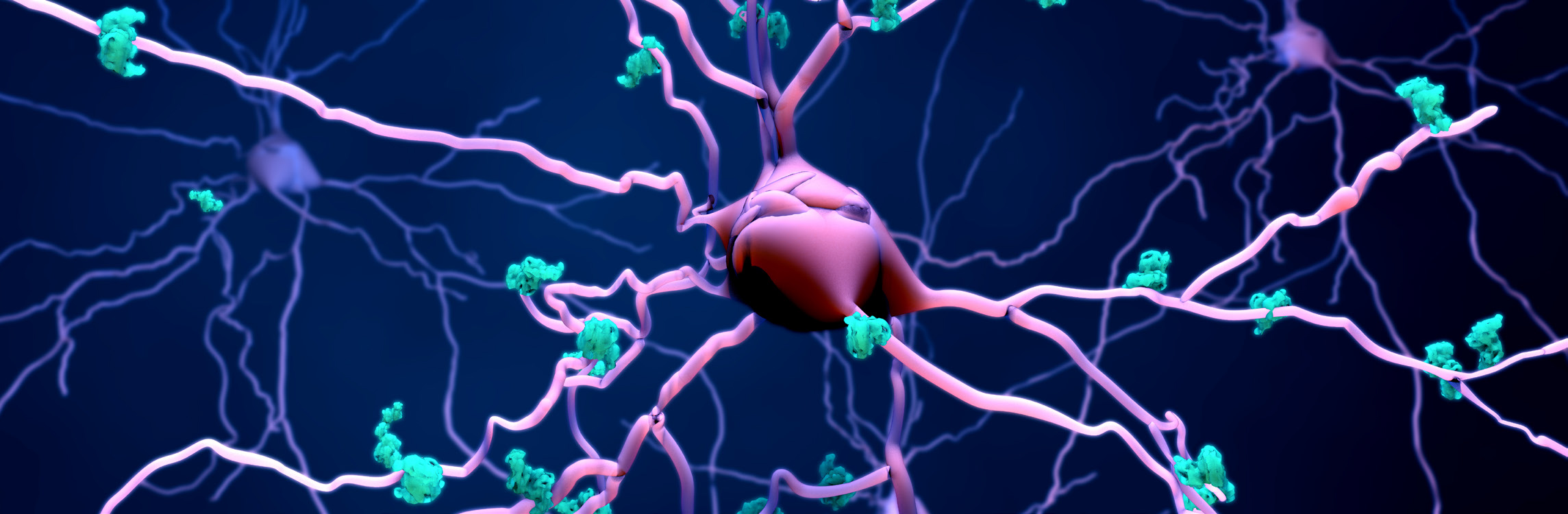
Feinberg investigators are breaking down the mechanisms of aging and designing solutions to extend healthy living.
-
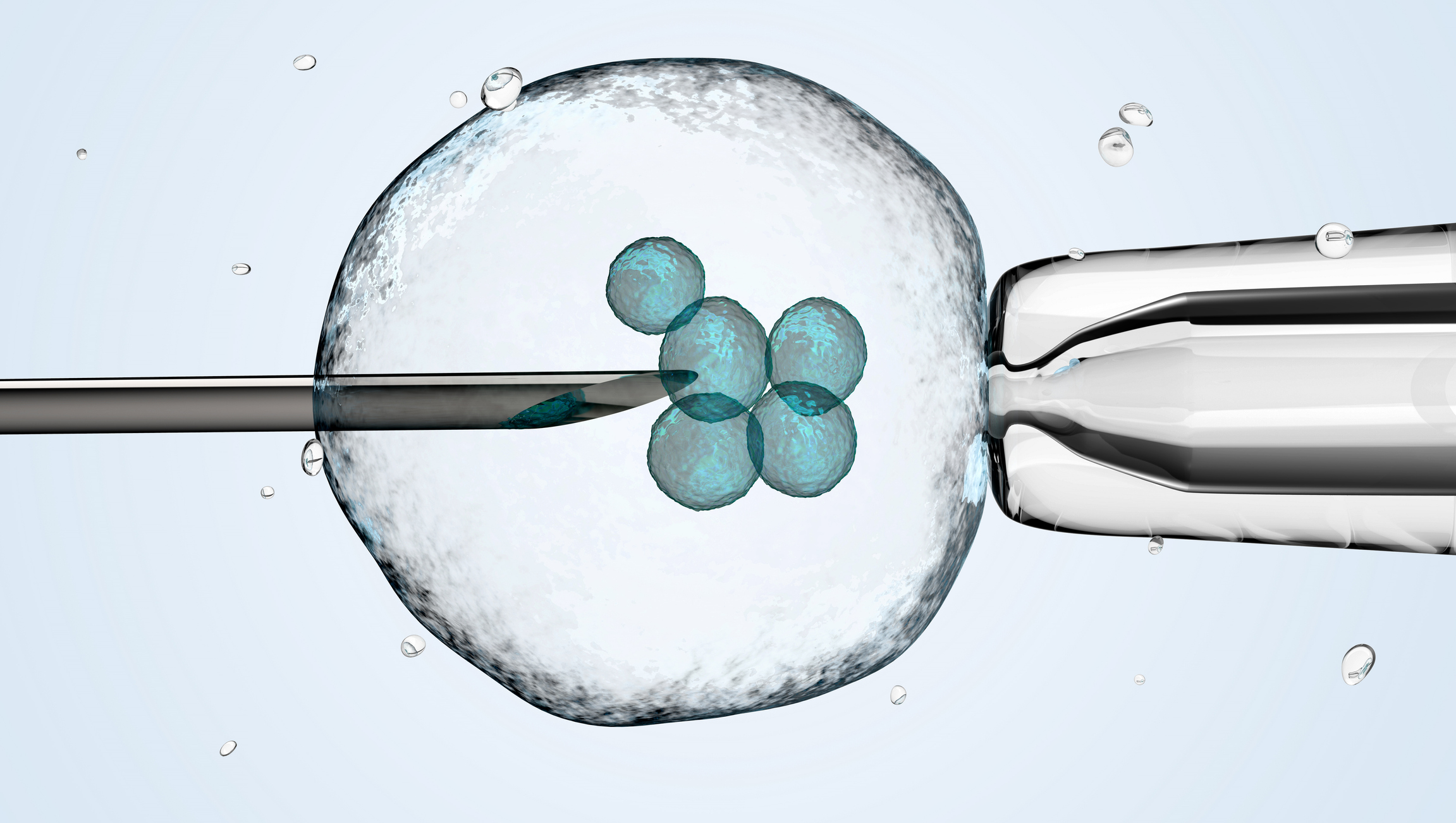
Using Stem Cells for Drug Discovery
A group of scientists combined medicinal chemistry and human stem cells to improve a medication treating a cardiac rhythm disorder, a strategy that could be applied broadly.
-
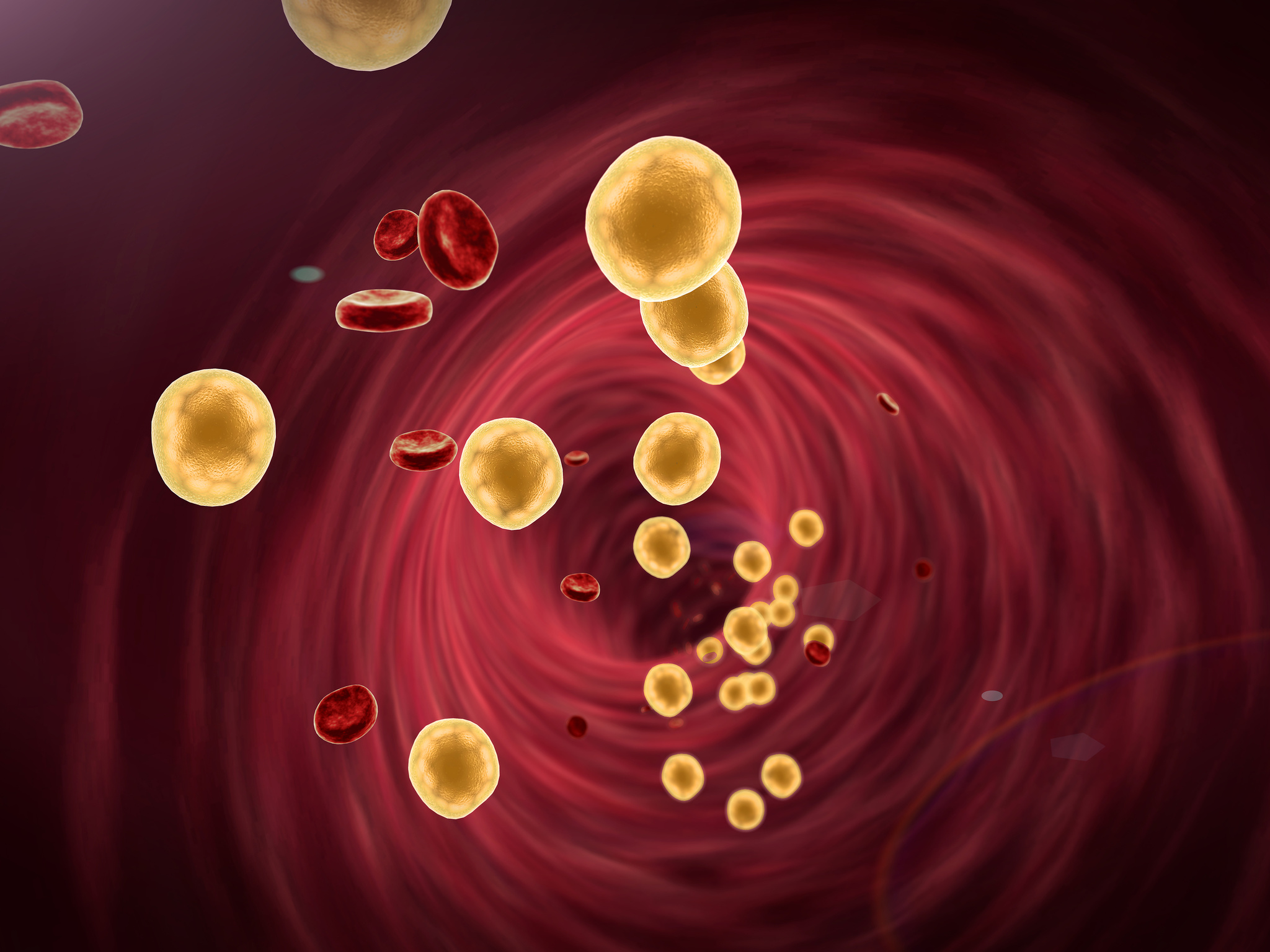
Earlier Treatment May Reduce Cardiovascular Disease
Starting cholesterol-lowering treatment earlier may increase the its benefits, reducing heart attack and stroke over time, according to a Northwestern Medicine study.
-

High Blood Pressure Risky, Even for Young Adults
Several forms of hypertension are associated with higher risk of cardiovascular disease events, even in young adults, according to a recent study.