Tag: Cardiology
-

Exploring the Relationship Between Inflammation and Heart Failure
The presence of inflammatory proteins was associated with comorbidity burden and deteriorating heart function in patients with heart failure with preserved ejection fraction, according to a Northwestern Medicine study.
-

Investigating the Biology of Aging
Feinberg investigators are breaking down the mechanisms of aging and designing solutions to extend healthy living.
-

Using Stem Cells for Drug Discovery
A group of scientists combined medicinal chemistry and human stem cells to improve a medication treating a cardiac rhythm disorder, a strategy that could be applied broadly.
-
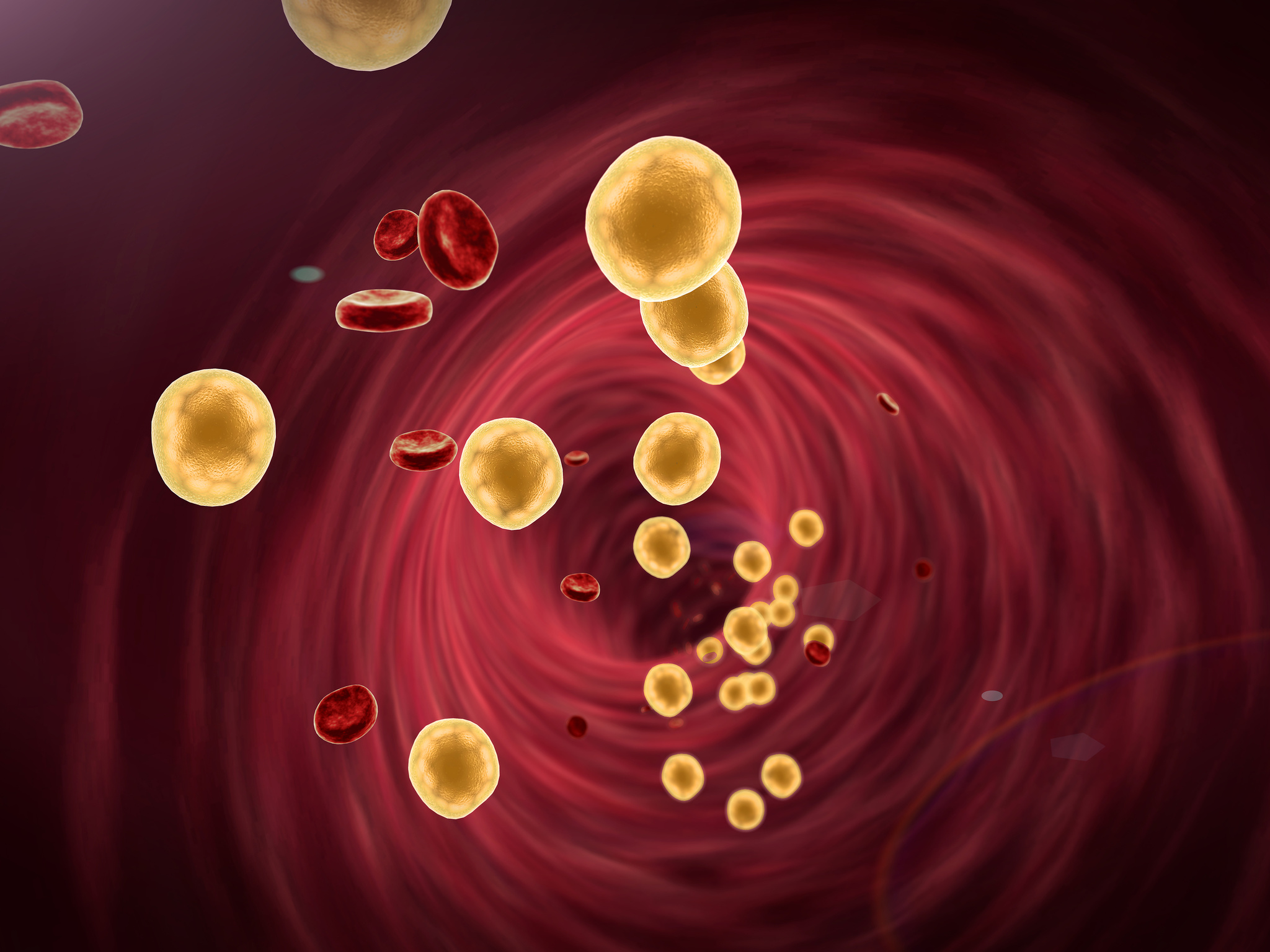
Earlier Treatment May Reduce Cardiovascular Disease
Starting cholesterol-lowering treatment earlier may increase the its benefits, reducing heart attack and stroke over time, according to a Northwestern Medicine study.
-

High Blood Pressure Risky, Even for Young Adults
Several forms of hypertension are associated with higher risk of cardiovascular disease events, even in young adults, according to a recent study.
-

Gene Therapy Could Treat Atrial Fibrillation
Targeting oxidative stress with a genetic therapy reduced atrial fibrillation in animal models of disease, making this a promising future treatment, according to a study published in Circulation.
-

Heart Failure, Hypertensive Deaths Rise in Black Women and Men
Deaths due to heart failure and hypertensive heart disease are increasing in the U.S. — particularly in Black women and men — despite medical and surgical advances in heart disease management, according to a new Northwestern Medicine study.
-

New Insights into Left Ventricular Cardiomyopathy
Genetic mutations in desmoplakin cause left ventricular cardiomyopathy, rather than right ventricular cardiomyopathy as previously believed, according to a recent study.
-

Faculty Share Expertise on Continuing COVID-19 Response Efforts
According to several recent editorials published by Feinberg faculty, there are large and complex issues to grapple with, from COVID-19’s devastating impact on African-Americans to maintaining critical care standards in the face of an unprecedented pandemic.
-

Determining Aspirin’s Benefit for Cardiovascular Disease Prevention
Coronary artery calcium levels may help clinicians better identify patients with a higher risk of atherosclerotic cardiovascular disease who will benefit from taking aspirin to prevent a heart attack.