Tag: Cancer
-
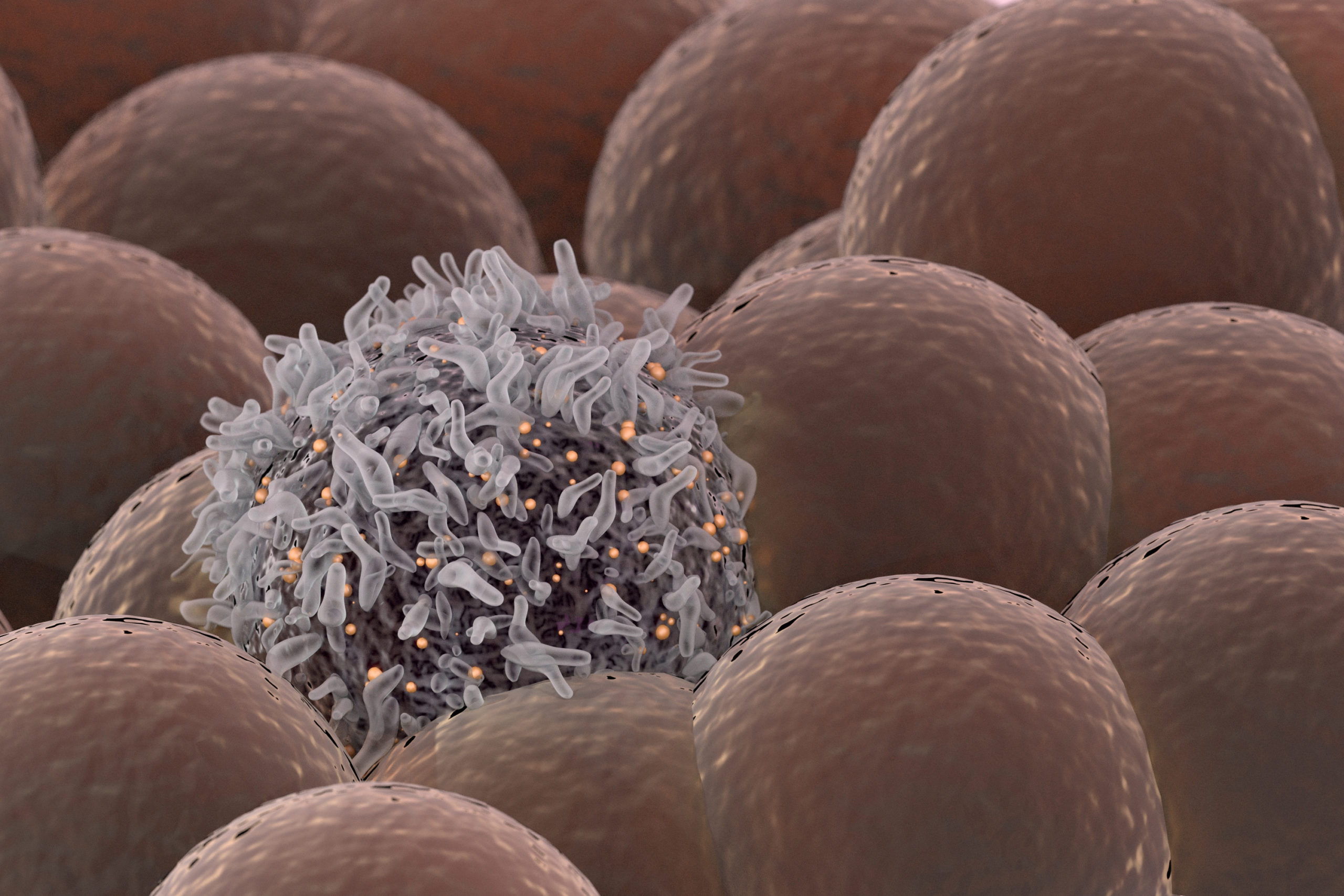
Rare Melanoma Shows Sensitivity to Immune Therapy
Antibodies that reverse immune system suppression may be able to be used to treat a rare type of melanoma, according to a Northwestern Medicine study published in the journal Nature.
-

PhD Student Explores Role of Exosomes in Cancer Metastasis
Northwestern Medicine scientists have demonstrated that tiny vesicles called exosomes released from non-metastatic melanoma cells trigger an immune response that prevents cancer from spreading throughout the body.
-
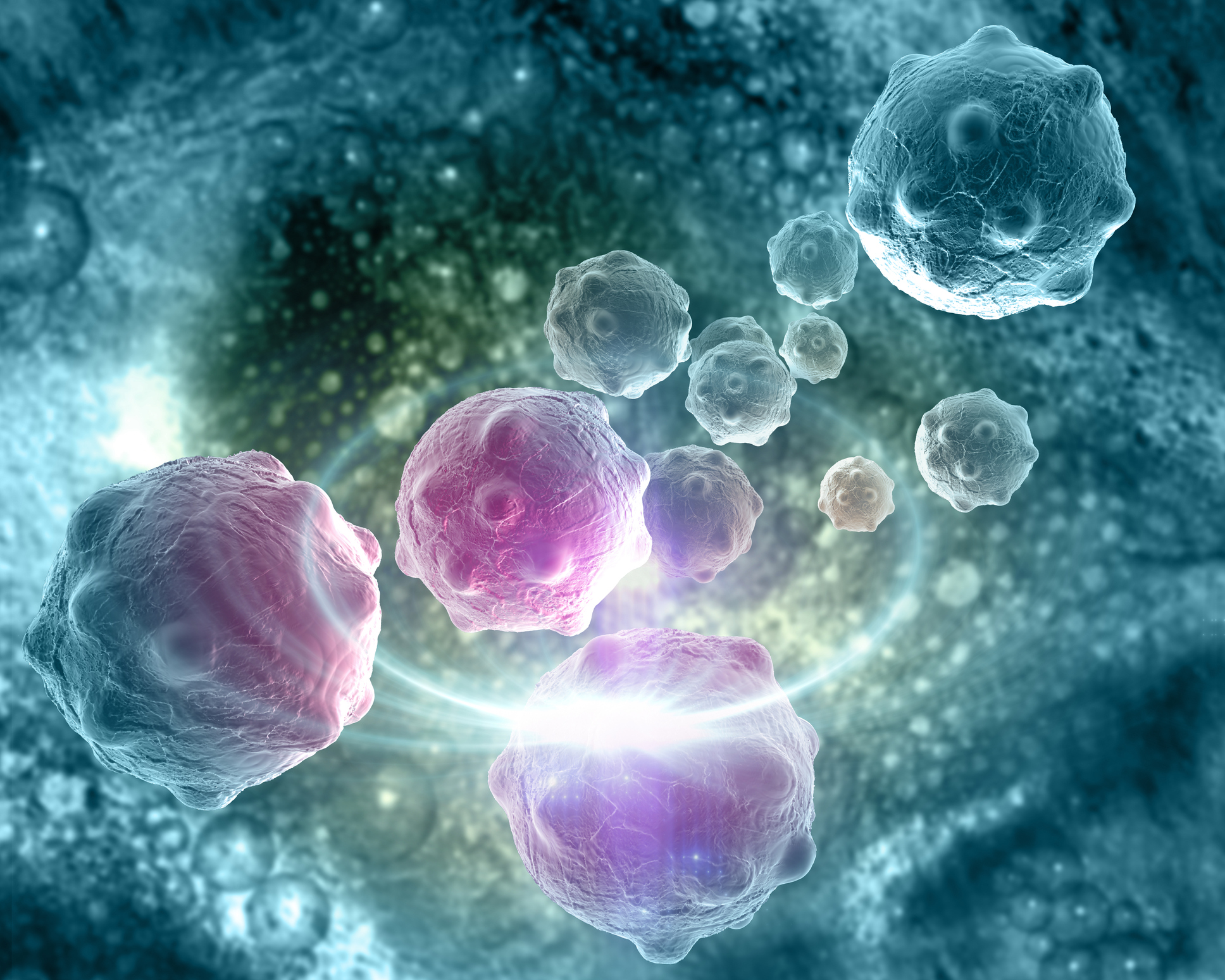
Nanoshells Provide New Approach to Targeted Chemotherapy Delivery
A team of scientists has demonstrated a novel approach to delivering cancer drugs directly to tumor cells, through gold nanoparticles that can be remotely triggered to release therapies.
-
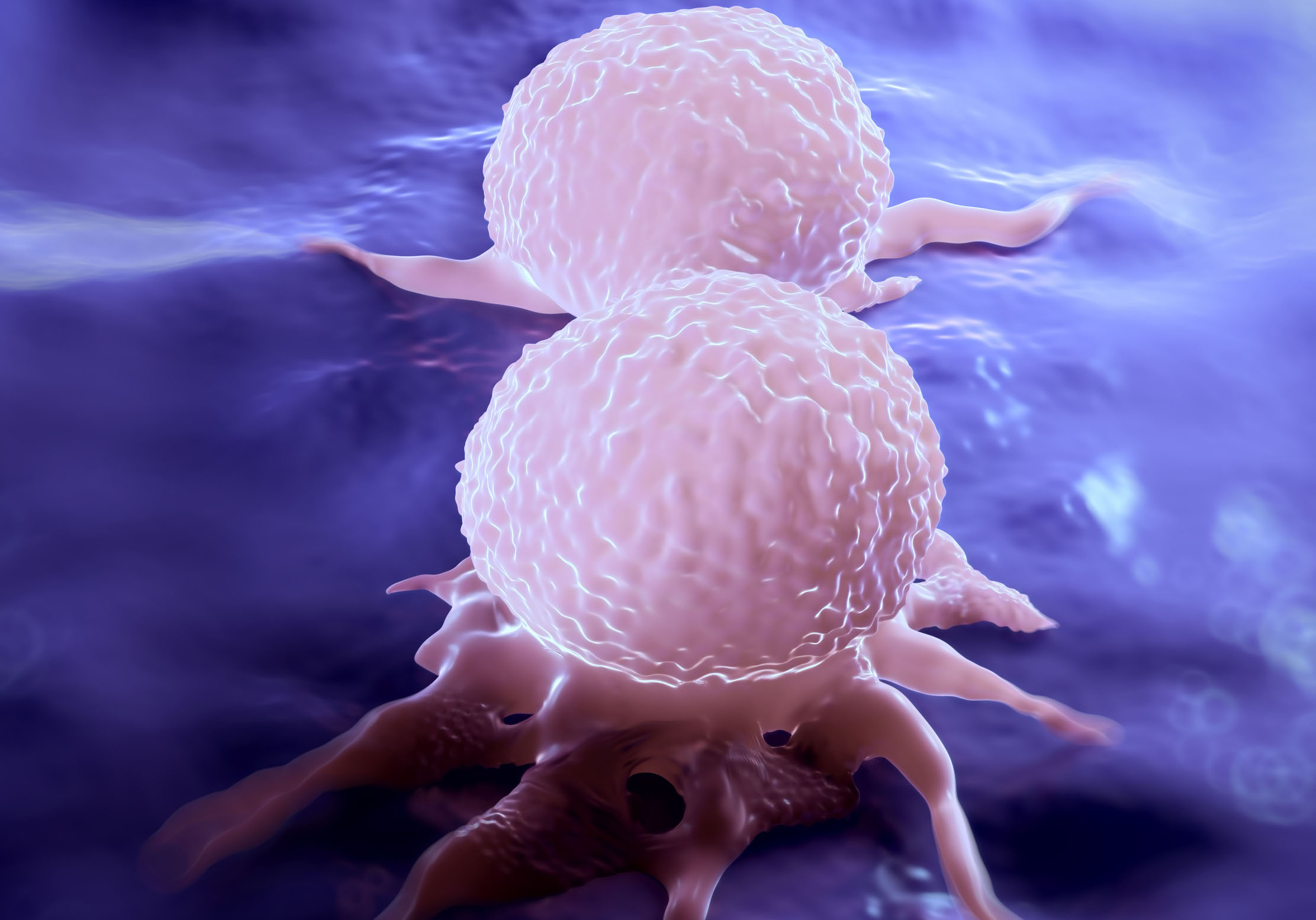
Drug Regimen Boosts Outcomes for Some Breast Cancer Patients
A combination of three therapies was found to provide the greatest benefit to patients with metastatic breast cancer classified as HER2- and hormone receptor-positive, who aren’t candidates for chemotherapy, according to a Northwestern Medicine clinical trial.
-
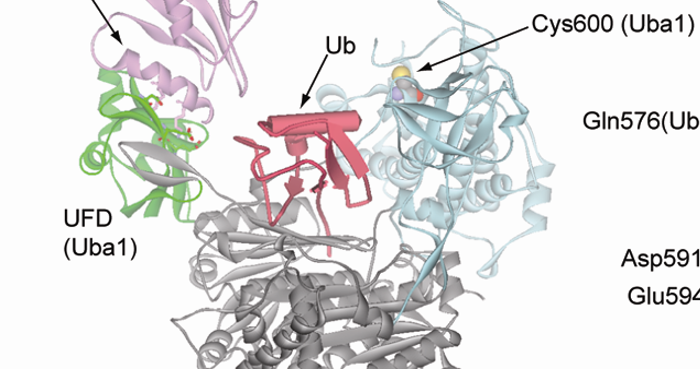
Tracking Protein Disposal Could Lead to Improved Therapies
A new Northwestern Medicine study detailed a technique that could help scientists find the cause of cancer or autism-spectrum disease stemming from faulty protein disposal.
-

Electric Scalp Device Prolongs Survival in Deadly Brain Cancer
A device attached to a patient’s scalp that delivers a continuous dose of low-intensity electric fields improves survival and slows the growth of a deadly brain tumor, according to a new trial.
-
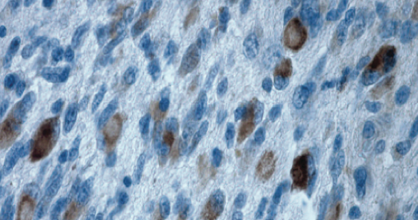
Glioblastoma Survival Mechanism Reveals New Therapeutic Target
A Northwestern Medicine study, published in the journal Cancer Cell, has provided new insights into a mechanism of tumor survival in glioblastoma and demonstrated that inhibiting the process could enhance the effects of radiation therapy.
-
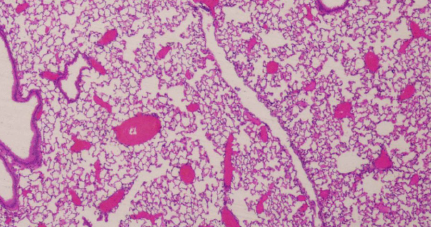
Blocking Gene Expression Improves Outcomes in Blood Disease in Models
Scientists reduced blood clotting in mice with a blood disease called myeloproliferative neoplasm by inhibiting expression of a gene.
-
New Insights Into Protein Reveal Potential Therapy for Breast Cancer
Northwestern Medicine scientists have uncovered new findings about a protein called SET1B, which could offer a novel approach to treating triple-negative breast cancer.
-

Regulatory Network Helps Cells Survive in Low Oxygen Environments
Northwestern Medicine scientists identified a complex regulatory system that keeps cells functioning when their oxygen supply is cut off.