-
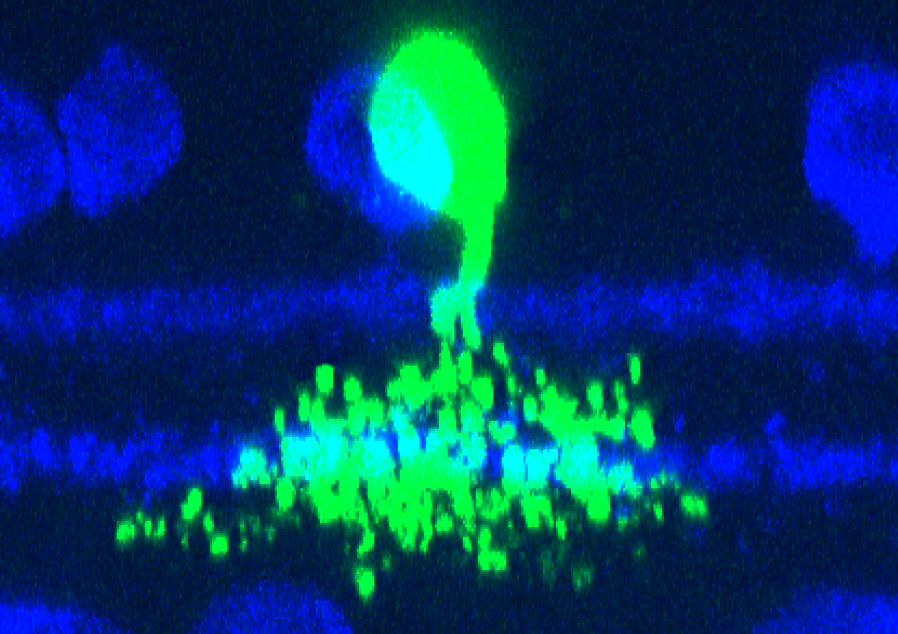
Study Discovers New Subset of Retinal Neurons Impacting Vision
Investigators have discovered a new subtype of interneurons in the retina that allows the eye to see and identify objects better in both the light and in the dark, dismantling previous notions about the inner workings of the retina, according to a Northwestern Medicine study.
-
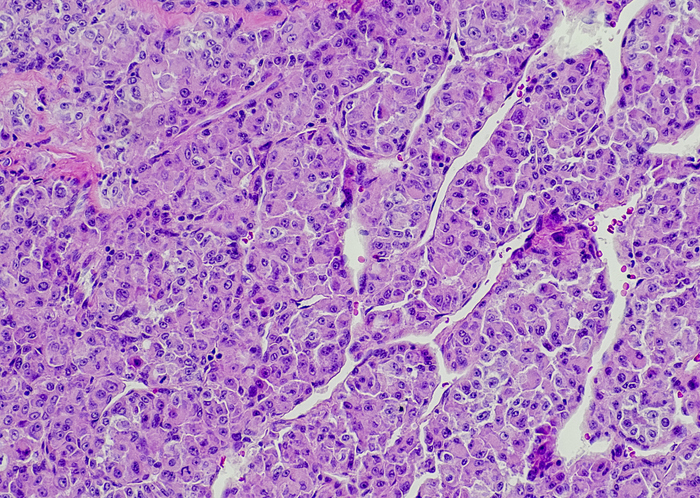
Combining Immunotherapy and Radiation in Soft Tissue Sarcoma
Combining immunotherapy with radiation may be a promising treatment option for patients with advanced soft tissue sarcoma, according to the results of a Northwestern Medicine clinical trial published in JAMA Oncology.
-

Protein-Like Polymers Illuminate the Path to Macular Degeneration Treatment
A new Northwestern study details the use of protein-like polymers to potentially combat neovascular age-related macular degeneration, a leading cause of blindness.
-

Visual Abstracts in Journal Articles Increase Social Media Engagement, Readership
Social media posts with visual abstracts — images with text and icons that convey a study’s methods and findings — of clinical trials published online in peer-reviewed academic journals increased social media engagement compared to social media posts with article figures, according to a recent research letter published in JAMA.
-

Feinberg Classmates Reconnect at Alumni Weekend 2023
More than 400 alumni and guests convened at the annual Alumni Weekend to reconnect and reminisce with former classmates about their time at Feinberg and learn about the medical school’s latest achievements.
-
Understanding How Sex-Based Differences Impact Health Outcomes
Sex is a major determinant in disease prevalence and treatment response, caused by a vast number of genetic differences between men and women. However, the inclusion of both sexes in clinical and scientific research had not been mandated by federal law until nearly the turn of the century.
-

Syphilis Transmission in U.S. Higher Among Transgender Women and Black Gay and Bisexual Men, Study Finds
Transgender women and Black gay and bisexual men in Chicago are nearly twice as likely to contract syphilis at some point in their lives as white gay men, according to a new study.
-

Pre-Pregnancy Obesity Predicts Future Heart Health
A new Northwestern Medicine study has found obesity before pregnancy is the root cause of future cardiovascular disease, rather than pregnancy complications.
-

Investigating the Role of DNA Damage in Cardiac Hypertrophy
A novel cellular pathway regulates DNA damage and structural changes in cardiomyocytes which contributes to the development of cardiac hypertrophy according to a Northwestern Medicine study published in Circulation.
-
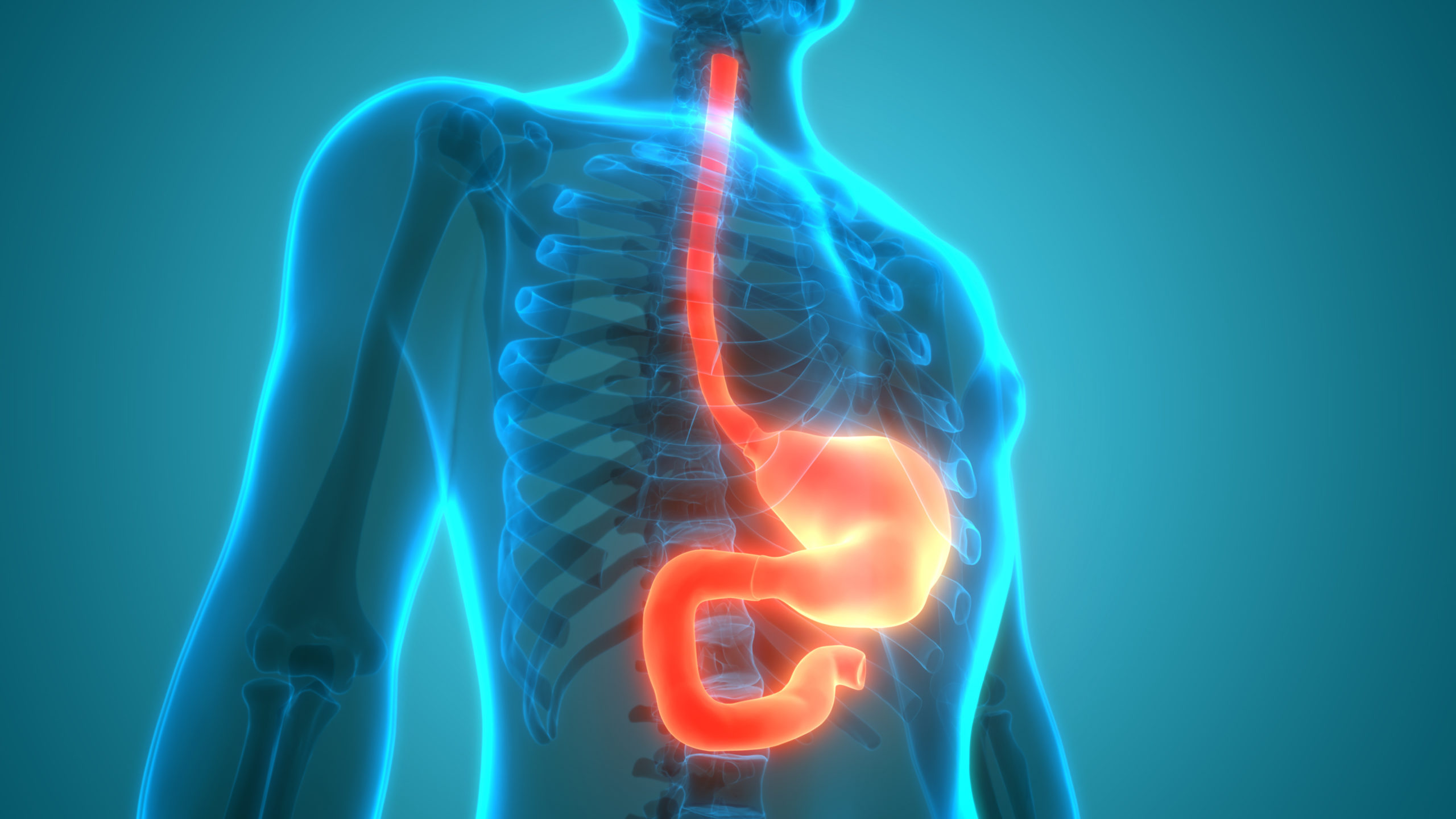
Combination Therapy Improves Quality of Life in Advanced Stomach Cancer, Esophageal Cancer
Combining an immune checkpoint inhibitor with standard chemotherapy improved quality of life for patients with advanced stomach cancer or esophageal cancer compared to chemotherapy alone, according to recent findings published in The Journal of Clinical Oncology.
-
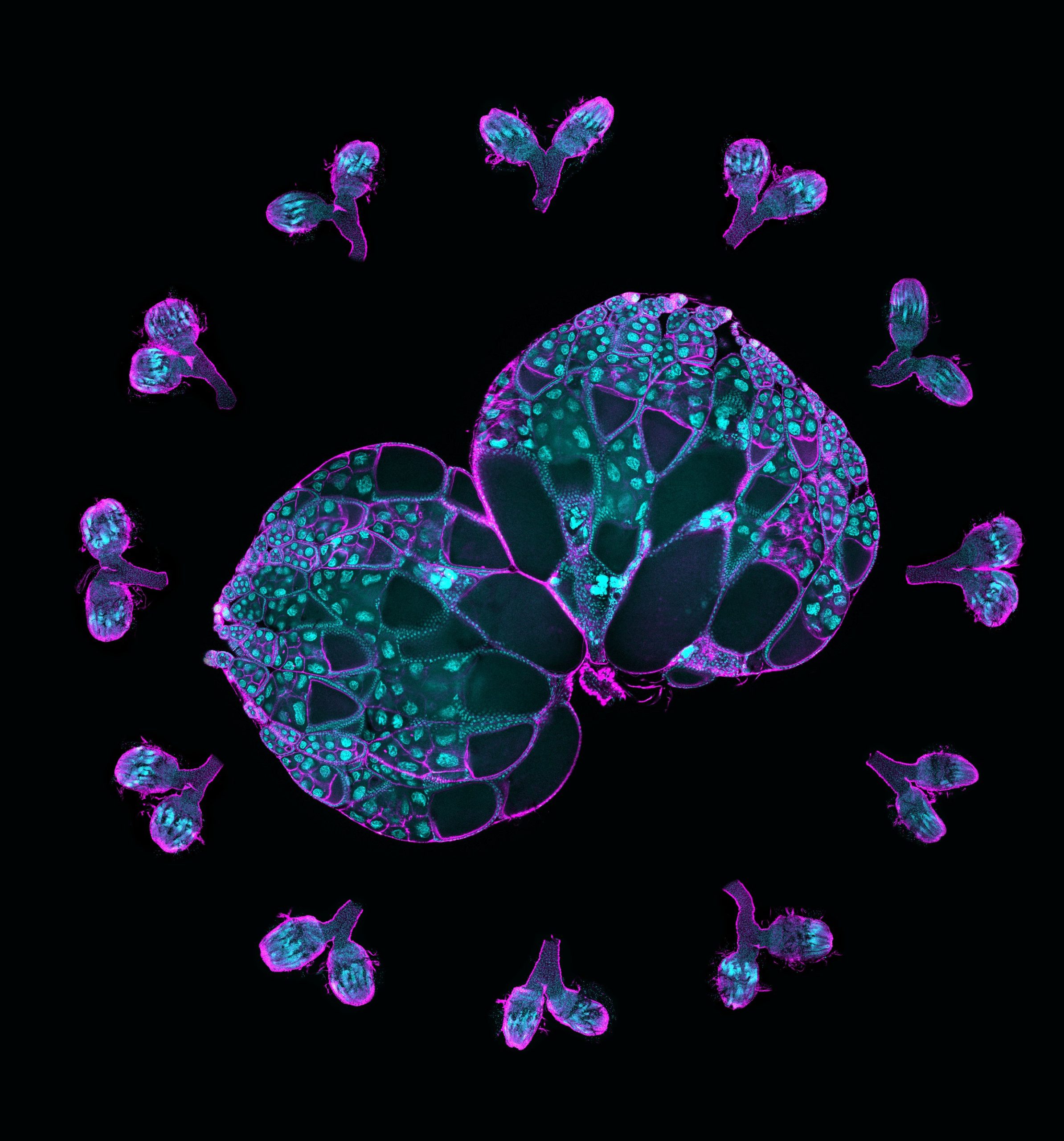
Understanding Drivers of Egg Cell Development
Northwestern Medicine scientists have identified how cytoskeletal proteins contribute to the growth of developing eggs in fruit flies, findings which further the understanding of how egg cells form and differentiate themselves from other cells, according to a study published in the Proceedings of the National Academy of Sciences.
-

RISE Program Empowers Medical Students Pursuing Research
Now in its second year, Feinberg’s Research Intensive Scholarly Emphasis (RISE) program supports medical students engaging in an additional year of research during their medical school career.
-

Being A Vegetarian May Be Partly in Your Genes
A person’s genetic makeup plays a role in determining whether they can stick to a strict vegetarian diet, a new Northwestern Medicine study has found.
-

Study Explores How Endocannabinoids Regulate Brain’s Response to Stress
Investigators have identified new signaling mechanisms utilized by endocannabinoids to regulate a subset of neurons in response to stress, according to recent findings published in the Proceedings of the National Academy of Sciences.
-

Feinberg Launches Master’s in Health Professions Education
Northwestern University Feinberg School of Medicine has launched a new master’s degree program in Health Professions Education designed to give healthcare professionals the tools to be leaders in how healthcare is taught and practiced.
-

Weight Loss Drug May Help Patients with Heart Failure
The antidiabetic and weight loss drug semaglutide, sold under the brand names Ozempic and Wegovy, can also help patients with heart failure and obesity lose weight while also improving symptoms and increasing exercise capacity, according to a clinical trial published in the New England Journal of Medicine.
-

Surmeier Recognized with Annemarie Opprecht Parkinson Award
D. James Surmeier, PhD, the Nathan Smith Davis Professor and chair of Neuroscience, has been named the recipient of the 2023 Annemarie Opprecht Parkinson Award, an international award recognizing significant contributions to the field of Parkinson’s disease research.
-

Medical Education Day Celebrates Mentorship and Equity
Faculty, staff, trainees and students gathered to share knowledge and participate in workshops examining the future of medical education during Feinberg’s 13th annual Medical Education Day, held September 27.
-
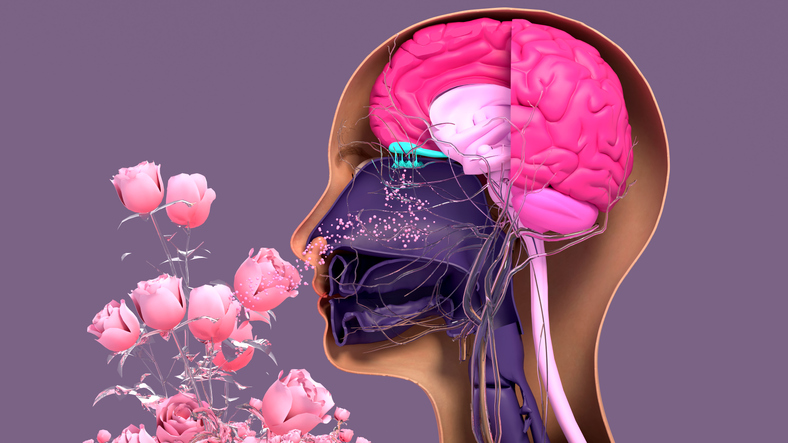
Mapping Neural Activity Patterns and Odor Perception
A new Northwestern Medicine study has demonstrated how differences in neural activity within the brain’s olfactory and orbital cortices cause people to perceive the same odors differently, according to findings published in Nature Neuroscience.
-

Lloyd-Jones Announces He is Stepping Down as Chair of Preventive Medicine
Donald Lloyd-Jones, MD, ScM, the Eileen M. Foell Professor, has announced that he will be stepping down as chair of the Department of Preventive Medicine at the end of this academic year, after 15 years of service in the role.