Category: Disease Discoveries
-
Graduate Student Investigates Control Mechanisms for the Cystic Fibrosis Gene
Rui Yang, a graduate student in the Driskill Graduate Program, studied the chromatin structure and expression of the gene that, when mutated, causes cystic fibrosis.
-
Mutation Unique to Childhood Kidney Cancer Discovered
A recent study led by Elizabeth Perlman, MD, discovered a new genetic mutation in the most common type of pediatric kidney cancer, Wilms tumor.
-
Targeting Immunosuppression in Brain Tumors
Research conducted in the laboratory of Derek Wainwright, PhD, assistant professor of Neurological Surgery, explores strategies to reverse pathways that inhibit the body’s immune system from fighting glioblastoma.
-
Accelerating Prostate Cancer Research
Northwestern Medicine scientists have received a five-year, $11 million grant from the National Institutes of Health National Cancer Institute (NCI) to lead a Specialized Program of Research Excellence (SPORE) in prostate cancer.
-

Ending Chronic Pain With New Drug Therapy
A brain region controlling whether we feel happy or sad, as well as addiction, is remodeled by chronic pain, according to a new Northwestern Medicine study, and a new treatment targeting this region may dramatically lessen symptoms.
-
Student Explores Encephalitis in the Newborn Brain
Douglas Wilcox, a student in the Medical Scientist Training Program, discovered the herpes simplex virus targets a host cell protein to cause severe disease and encephalitis in newborns.
-
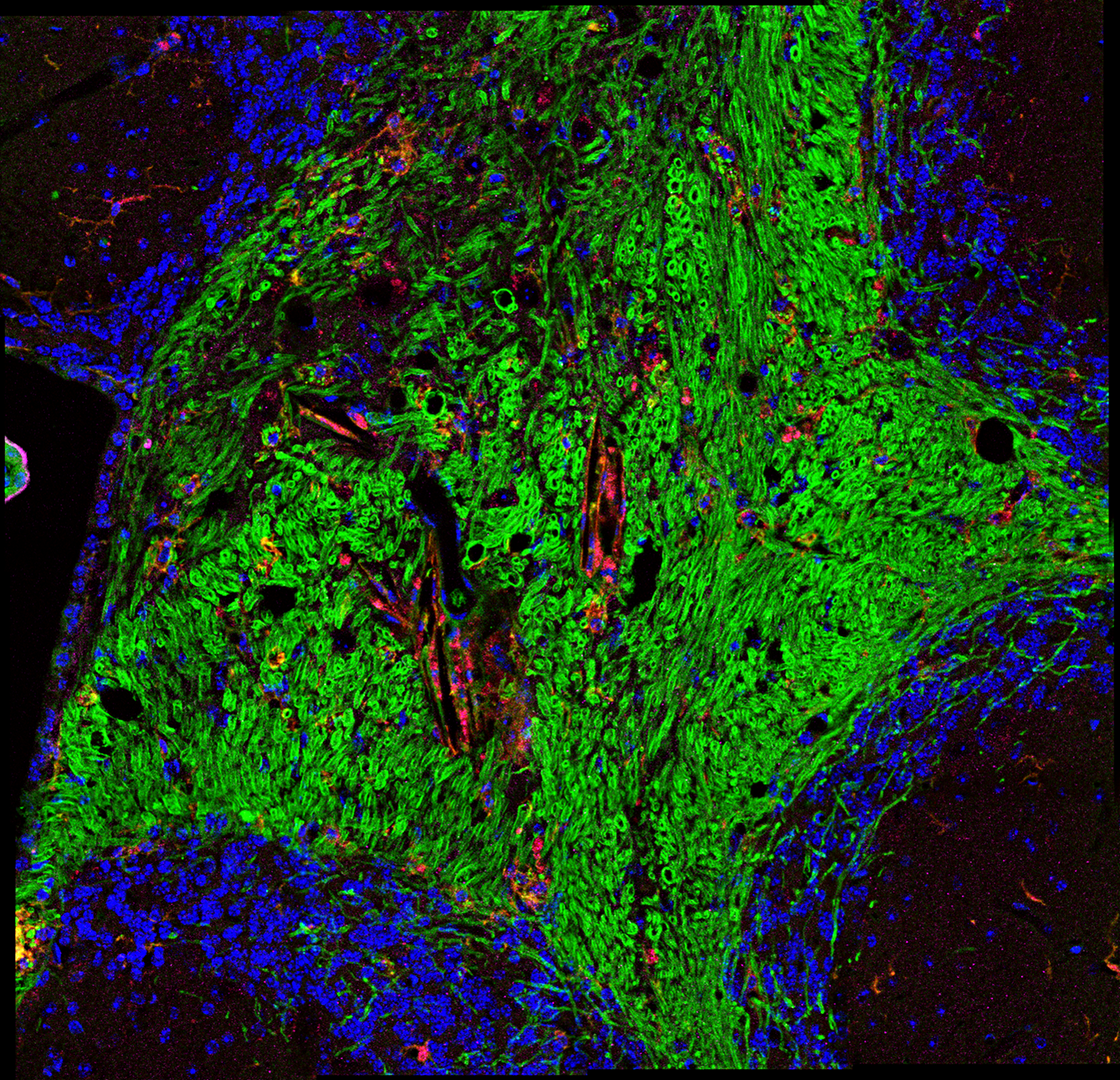
How Multiple Sclerosis Can Be Triggered By Brain Cell Death
A specially developed nanoparticle may be able to prevent progression of multiple sclerosis triggered by the death of brain cells that make the insulation around nerve fibers.
-
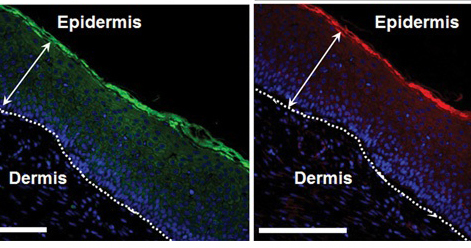
Blocking Sodium Channel Helps Skin Heal
Blocking the sodium channel protein Nax decreased scarring and atopic dermatitis, an inflammatory skin disorder, by improving the skin’s barrier function in a new Northwestern Medicine study.
-
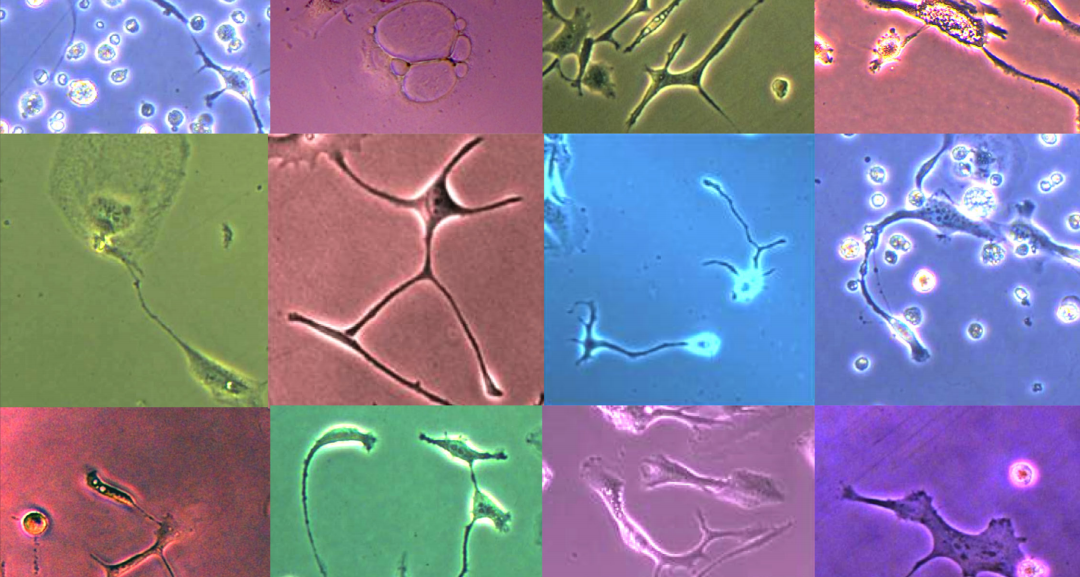
Faculty Receive NCI Outstanding Investigator Awards for Cancer Research
Marcus Peter, PhD, professor of Medicine in the Division of Hematology/Oncology, and Ali Shilatifard, PhD, chair of Biochemistry and Molecular Genetics, and Maciej Lesniak, MD, chair of Neurological Surgery, have each been awarded seven-year, $6.4 million grants from the National Cancer Institute.
-
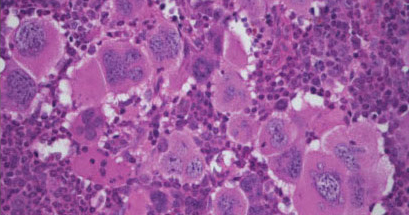
Promising Strategy for Treating Rare Forms of Leukemia Discovered
Northwestern Medicine scientists identified a drug that stops the reproduction of tumor cells in models of primary myelofibrosis and acute myeloid leukemia, a finding that has led to new clinical studies in the Lurie Cancer Center.