Author: mrr5831
-

Study Finds Marijuana Use Increasing Among Pregnant Individuals with HIV
Marijuana use among pregnant and postpartum individuals living with HIV increased from 2007 to 2019, according to a Northwestern Medicine study.
-

Genomic Variant May Predict Cardiotoxicity From Chemotherapy
A team of investigators have discovered a novel genomic variant that may help clinicians predict which patients will experience cardiotoxicity from a widely used chemotherapy drug, according to a Northwestern Medicine study.
-

Medical Student Helps Establish South Asian Medical Student Association
Second-year medical student Anahita Iyer is the co-founder and current president of Feinberg’s South Asian Medical Student Association, which fosters community and provides mentorship for Feinberg medical students of South Asian descent.
-

Protein ‘Chaperone’ Plays Dual Role in DNA Replication
The protein UBR7 acts as a histone chaperone and regulates nucleotide metabolism, making UBR7 among the first proteins known to affect both processes.
-
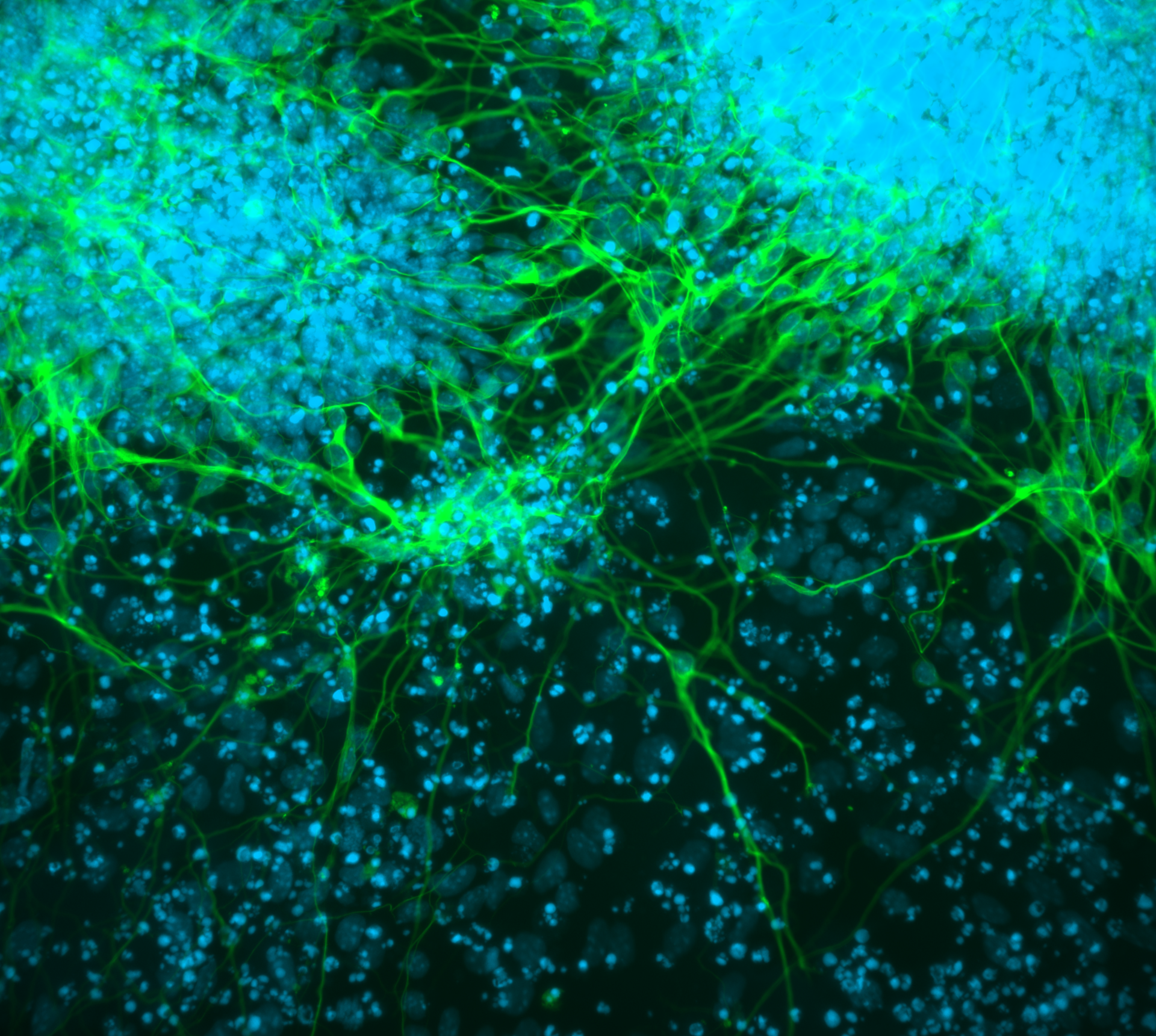
Histone Protein Influences Both Neurological Disorder and Cancer
Mutations in a histone regulator protein are connected to both a rare neurodevelopmental disorder and to some cancers, according to a recent study.
-

County-Level Poverty Associated with Risk of Gun Death in Children
Living in U.S. counties with higher concentrations of poverty was associated with increased risk of firearm-related deaths among children and young adults, according to a recent study.
-

Uncovering the Degenerative Basis of Parkinson’s Disease
Northwestern investigators have discovered the molecular signature of a subset of dopaminergic neurons that increases their vulnerability to degeneration.
-

Global Health Day Celebrates Research, Education and Impact
Feinberg’s Robert J. Havey, MD Institute for Global Health hosted the 10th annual Global Health Day symposium on December 3, featuring keynote speakers, online poster presentations, and question and answers sessions.
-

Mistreatment is Common Among LGBTQ Surgery Residents
U.S. surgical residents who identify as LGBTQ+ reported higher rates of mistreatment in their training programs than their non-LGBTQ+ peers, according to a Northwestern Medicine study.
-
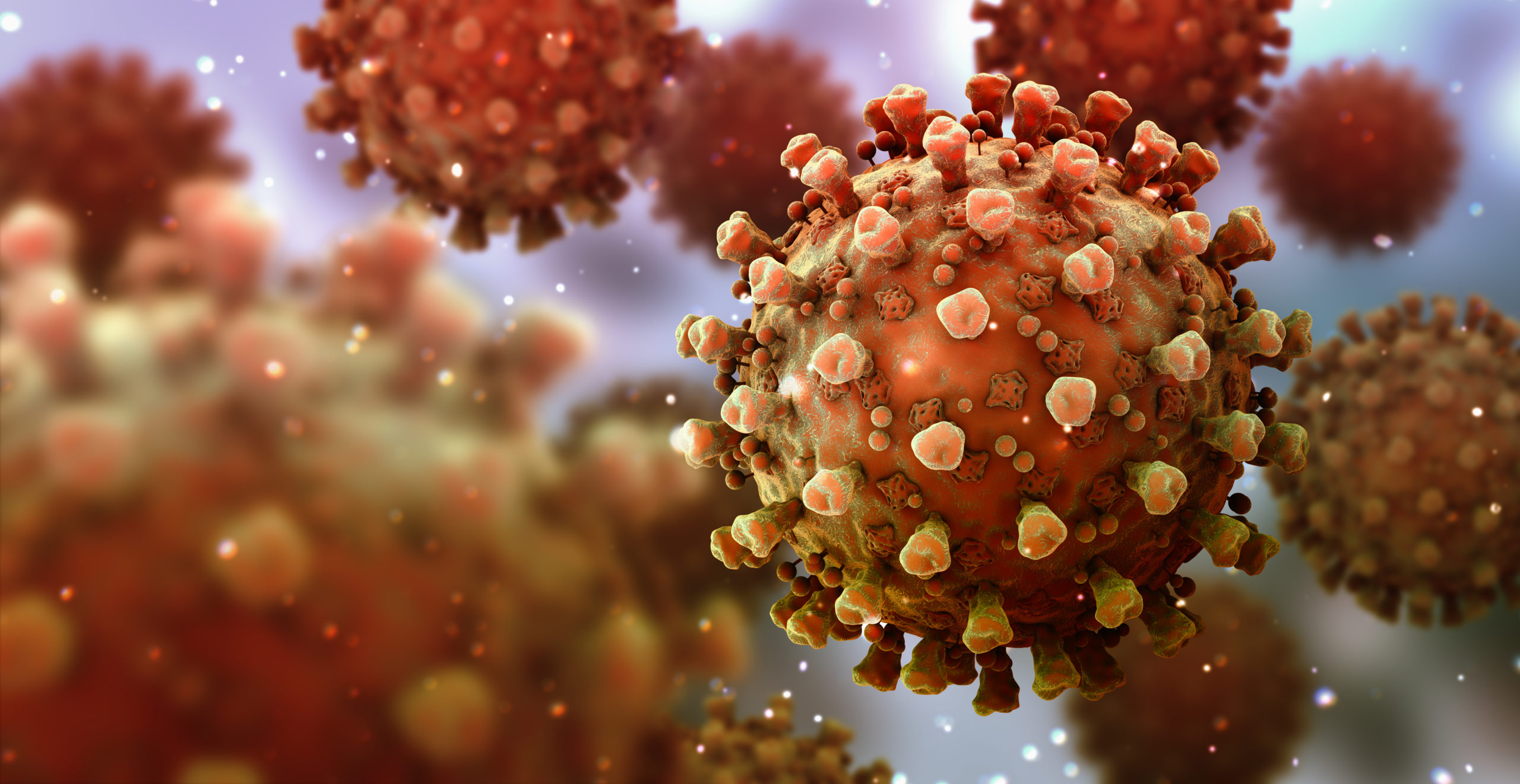
Northwestern Scientists Investigate COVID-19 Vaccines, Tests and Disparities
Northwestern Medicine scientists continue to tackle every facet of the COVID-19 pandemic, from investigating coronavirus vaccines’ potential for providing immunity against similar coronaviruses to developing novel rapid antigen-based tests and examining disparities in COVID-19 case and mortality rates in Chicago.