Author: kwm107
-
How Cells Defend Against Influenza A Virus
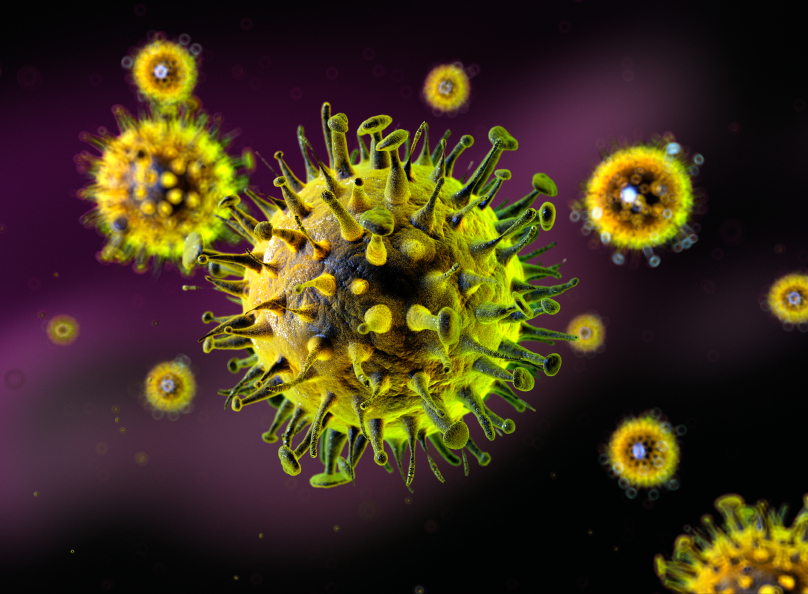
Human cells use a protein named TBC1D5 to “trap and kill” influenza A viruses inside host cells, but the virus encodes its own protein to disable this defense.
-

Of Balding Mice and Men and Women
A newly discovered cause of balding in aging male mice could reveal a cause of hair loss in men and women as well, reports a study from Northwestern Medicine scientists.
-

$18 Million For Parkinson’s Disease Research to Study Brain Circuits Driving Symptoms
Northwestern University scientists have received two awards totaling nearly $18 million to address key knowledge gaps in the basic circuit mechanisms that contribute to the development and progression of Parkinson’s disease.
-

One Coronavirus Vaccine May Protect Against Other Coronaviruses
Coronavirus vaccines and prior coronavirus infections can provide broad immunity against other, similar coronaviruses, paving the way for future universal coronavirus vaccines.
-
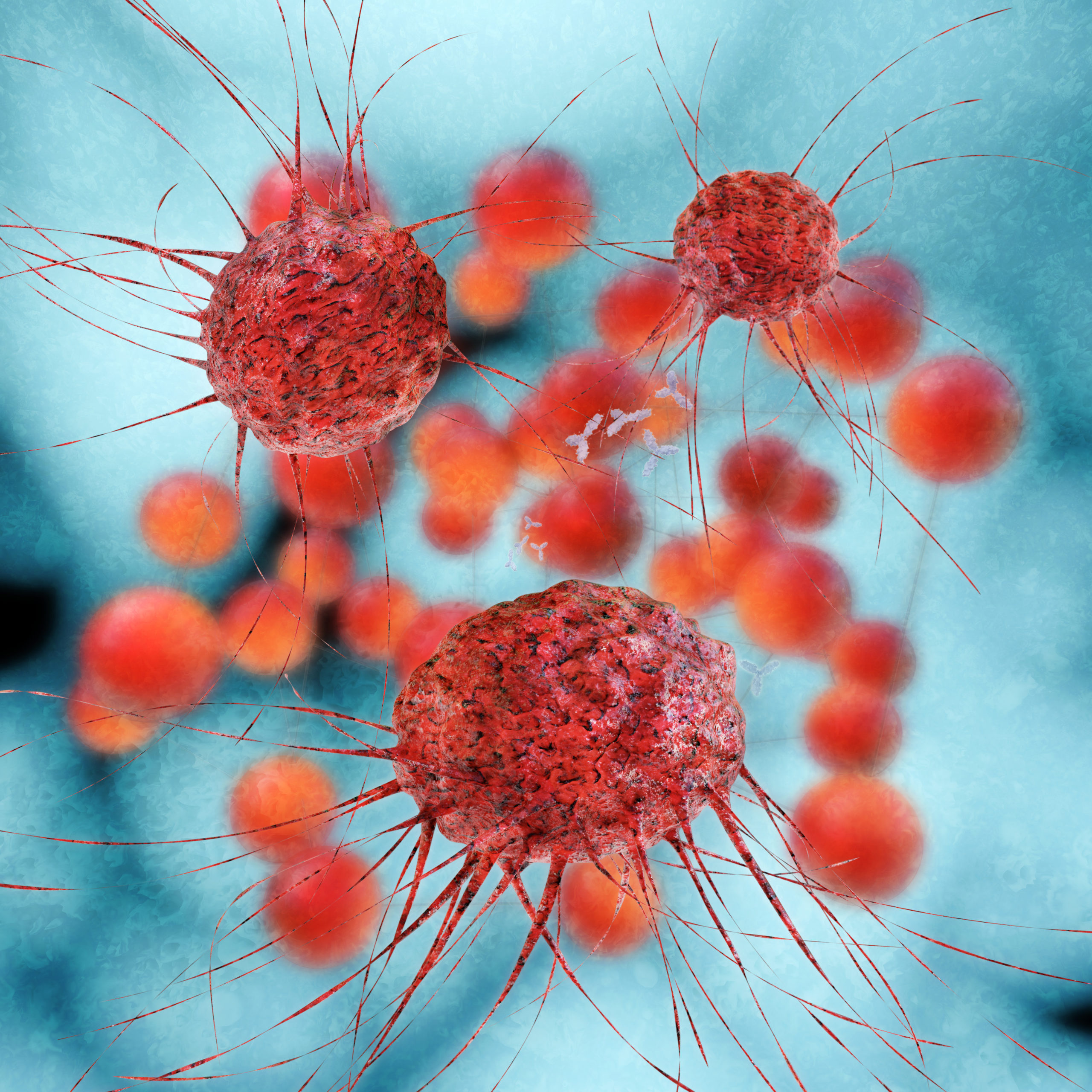
Anti-Cancer Inhibitor Could Have Dual Effect
TG2, an enzyme known to help cancers spread more quickly, also plays a role in regulating T-cells — opening the door to dual inhibition, according to a recent Northwestern Medicine study.
-

Lurie Cancer Center Receives Merit Extension from NCI
The Robert H. Lurie Comprehensive Cancer Center of Northwestern University has received a Merit Extension Award from the National Cancer Institute, one of only two Comprehensive Cancer Centers in the nation to earn the recognition.
-

For Every Man: Northwestern Investigators’ Critical Impact on Prostate Cancer
From teasing out determinants of health disparities to developing precision medicine treatments, clinicians and scientists from the Lurie Cancer Center are dramatically changing the landscape for all men with prostate cancer.
-

Clements Receives Lifetime Achievement Award from IAFP
Deborah Smith Clements, MD, received the Illinois Academy of Family Physician’s Distinguished Service Award.
-

Passion for Equity
New assistant dean for medical education Linda Suleiman, MD, weaves health equity into her curriculum goals and her own career as an orthopaedic surgeon.
-
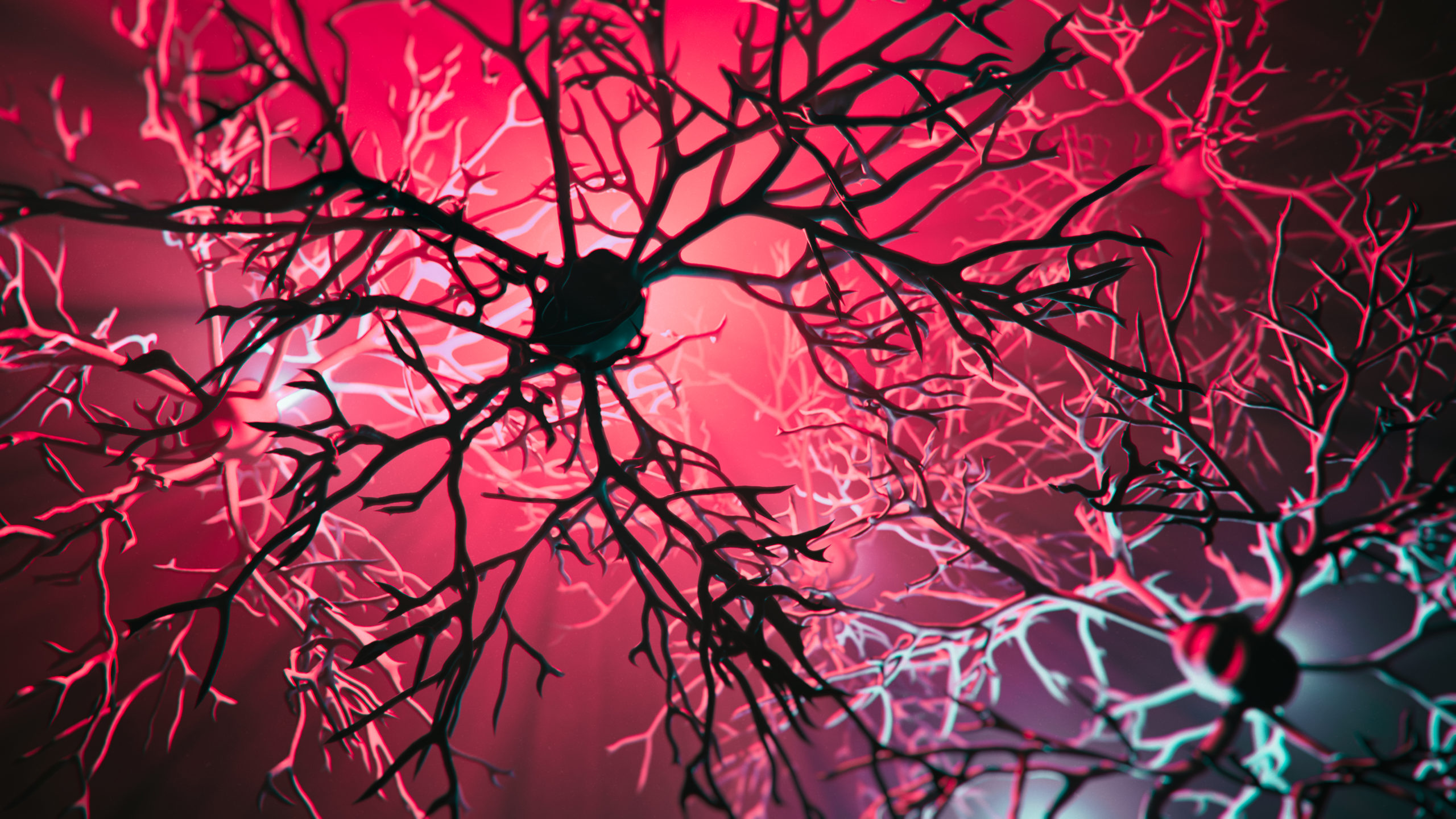
Lewy Body Dementia Exacerbated by Immune Response
T-cells respond to buildup of alpha-synuclein with a harmful auto-immune response, according to a Northwestern Medicine study published in Science.