Author: kwm107
-
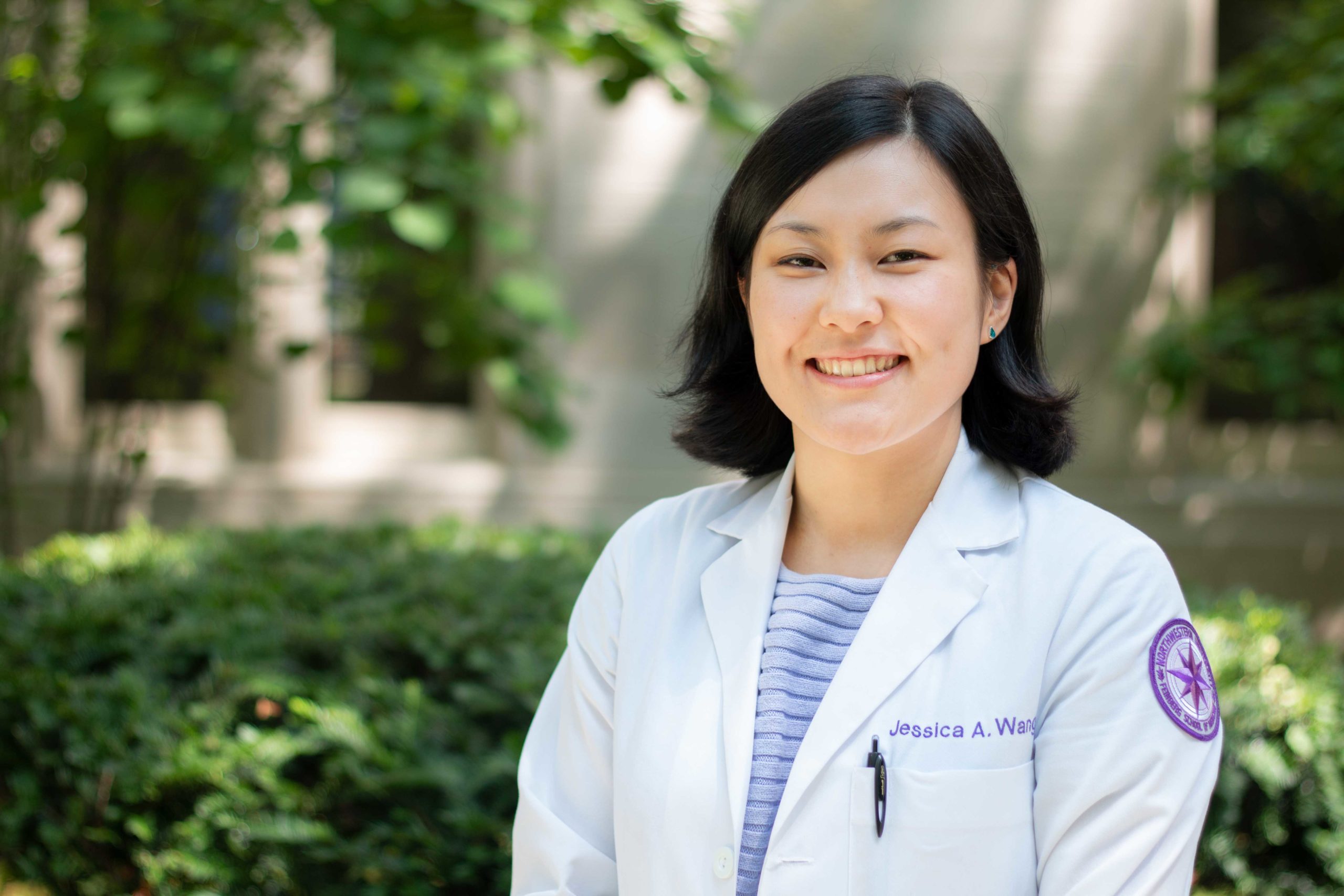
Medical Student Investigates Opioids in Illinois
Jessica Wang, a rising fourth-year student in the MD/MPH dual degree program, became interested in the opioid crisis during a public health class, and has continued to investigate the topic in addition to a wealth of other extracurriculars.
-
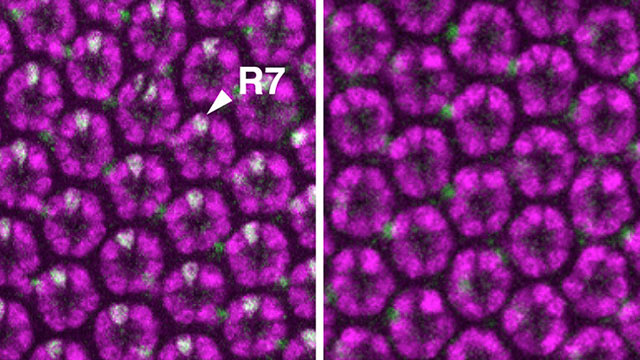
Slowing Metabolism Can Prevent Detrimental Effects of Genetic Mutations
Slowing mutant fruit flies’ metabolic rates can prevent detrimental effects of many genetic mutations, according a new study published in the journal Cell.
-

Northwestern Hospitals Among the Best in Latest U.S. News Rankings
Four Northwestern Medicine hospitals have been recognized by U.S. News & World Report in its 2019-20 Best Hospitals rankings, with Northwestern Memorial Hospital named among the top 10 hospitals in the U.S.
-
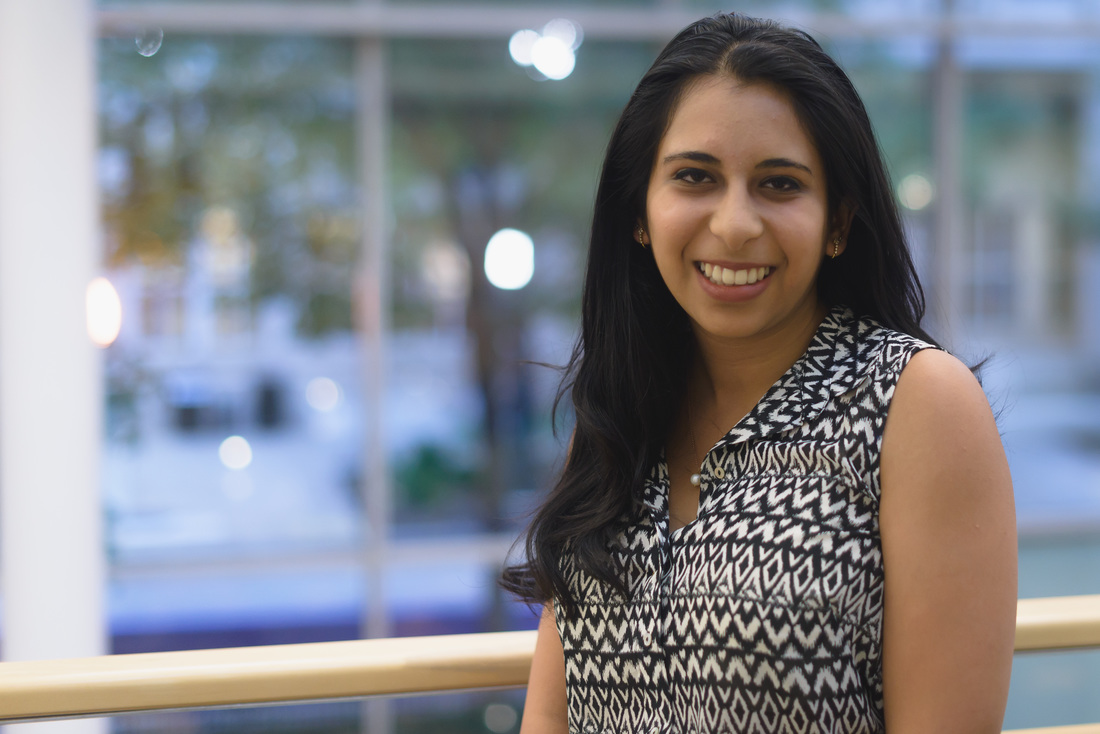
Medical Student Pursues Glioblastoma Treatments in the Lab
Medical student Shivani Baisiwala investigates glioblastoma in the laboratory of Atique Ahmed, PhD, while also pursuing pro-bono healthcare consulting and finding time to explore Chicago’s neighborhoods.
-

Lurie Children’s Selects Shanley for Election as New President & CEO
Thomas Shanley, MD, chair of Pediatrics, has been named as nominee for election as President and CEO of Ann & Robert H. Lurie Children’s Hospital of Chicago.
-

Faculty Honored With Presidential Early Career Awards
Two Northwestern Medicine investigators were among five Northwestern University faculty recently awarded the prestigious Presidential Early Career Award for Scientists and Engineers.
-
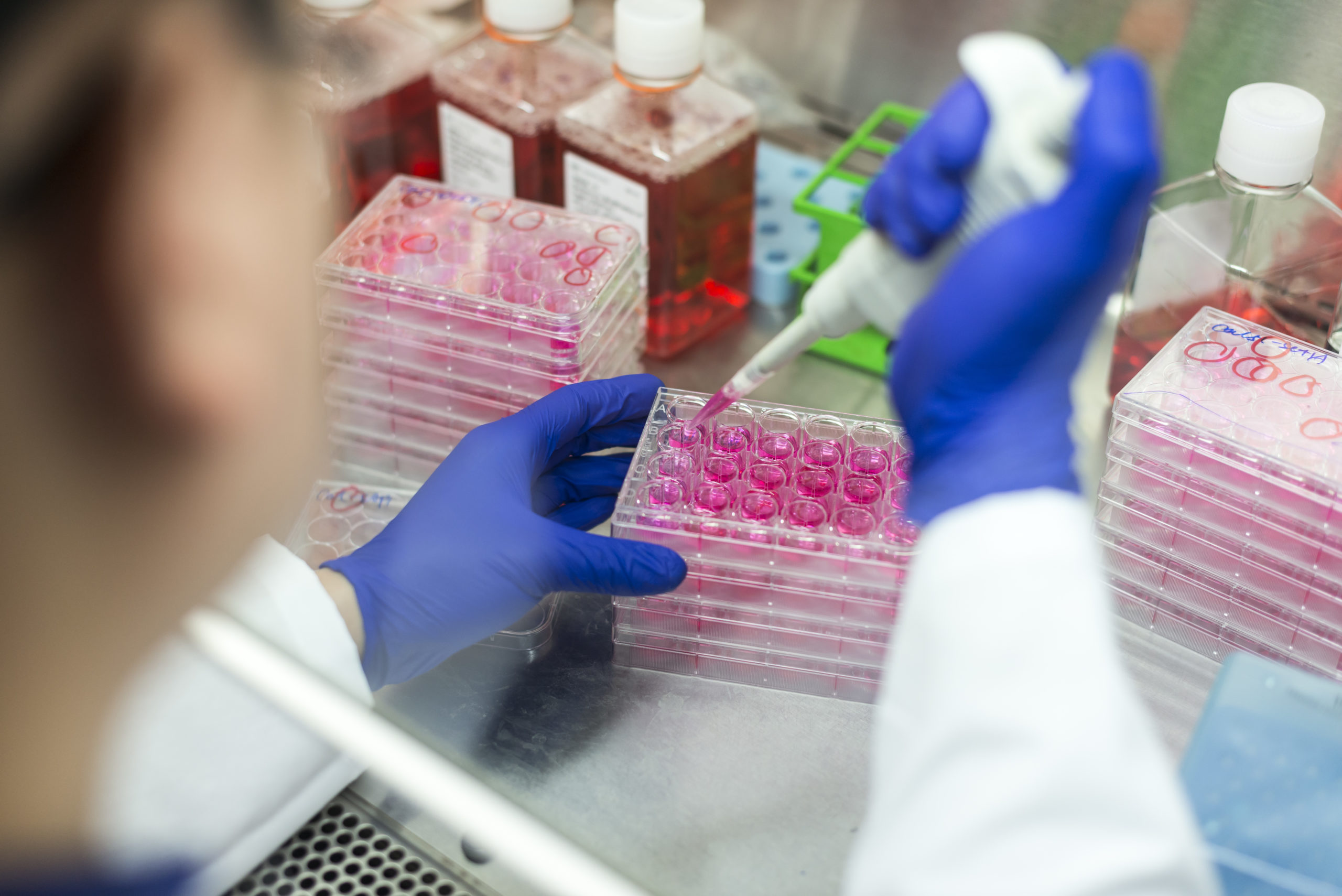
NUCATS Awarded $46 Million to Transform Scientific Discovery Into Treatments
The National Institutes of Health has awarded Northwestern University a five-year, $46 million grant to renew the Northwestern University Clinical and Translational Sciences Institute.
-

Millennial Lung Health Is Focus of New $24.8 Million Grant
A first-of-its-kind longitudinal study led by Northwestern Medicine will track young adults’ lung health nationwide to better understand the key risk factors and biomarkers associated with impaired lung health.
-
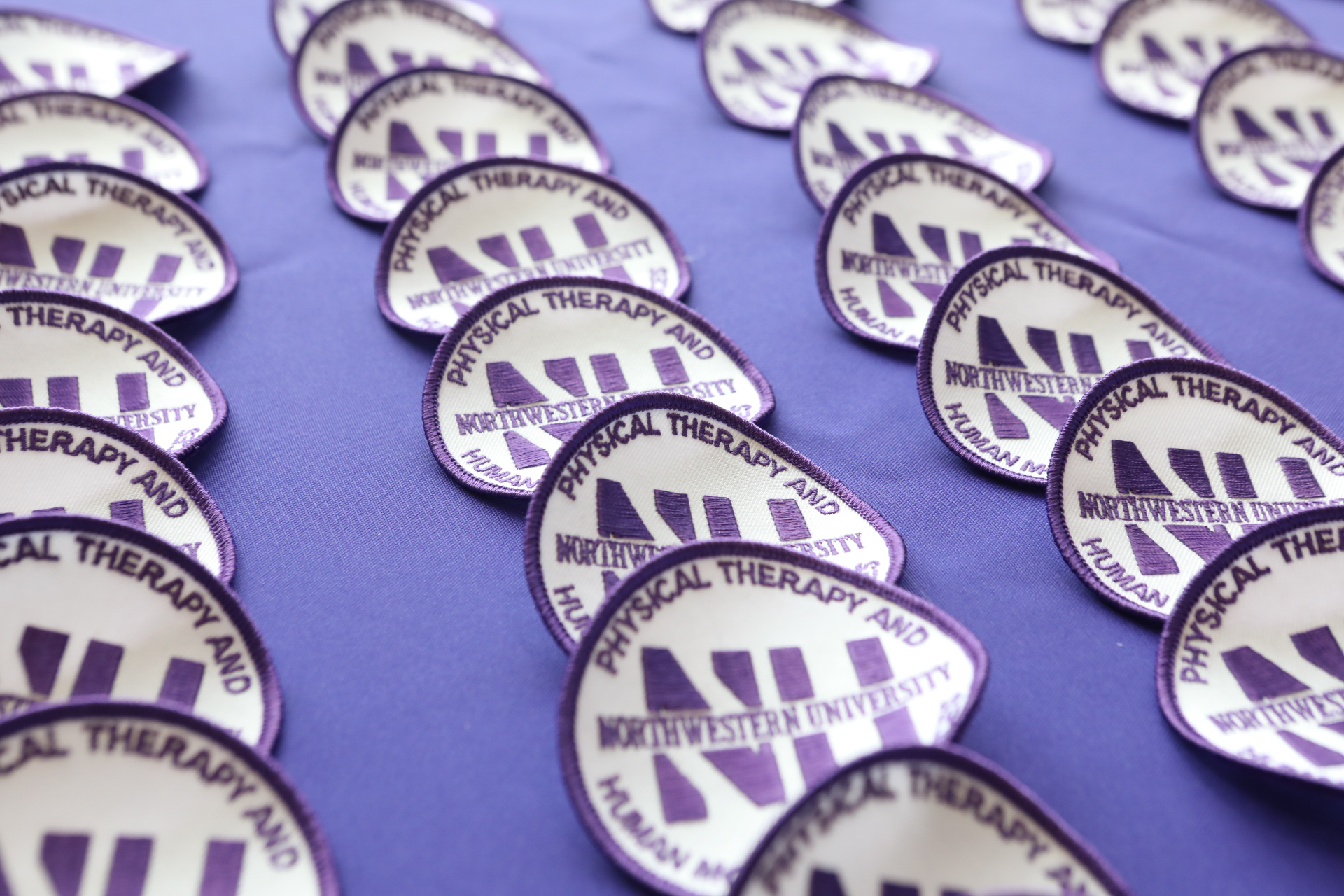
Physical Therapy Students Celebrate Transition to the Clinic
First-year Doctor of Physical Therapy students celebrated their transition from academic coursework to clinical experience at the 13th annual Clinical Practice Ceremony.
-

Northwestern Opens Largest Biomedical Academic Research Building in U.S.
The Louis A. Simpson and Kimberly K. Querrey Biomedical Research Center – the largest new building dedicated to biomedical research at a US medical school – has officially opened.