Author: kwm107
-

Transforming Cancer Care in Bolivia
A delegation from the National Comprehensive Cancer Network, including Northwestern oncology leaders, recently met with health leaders in Bolivia to begin generating cancer treatment recommendations to fit the country’s unique needs.
-
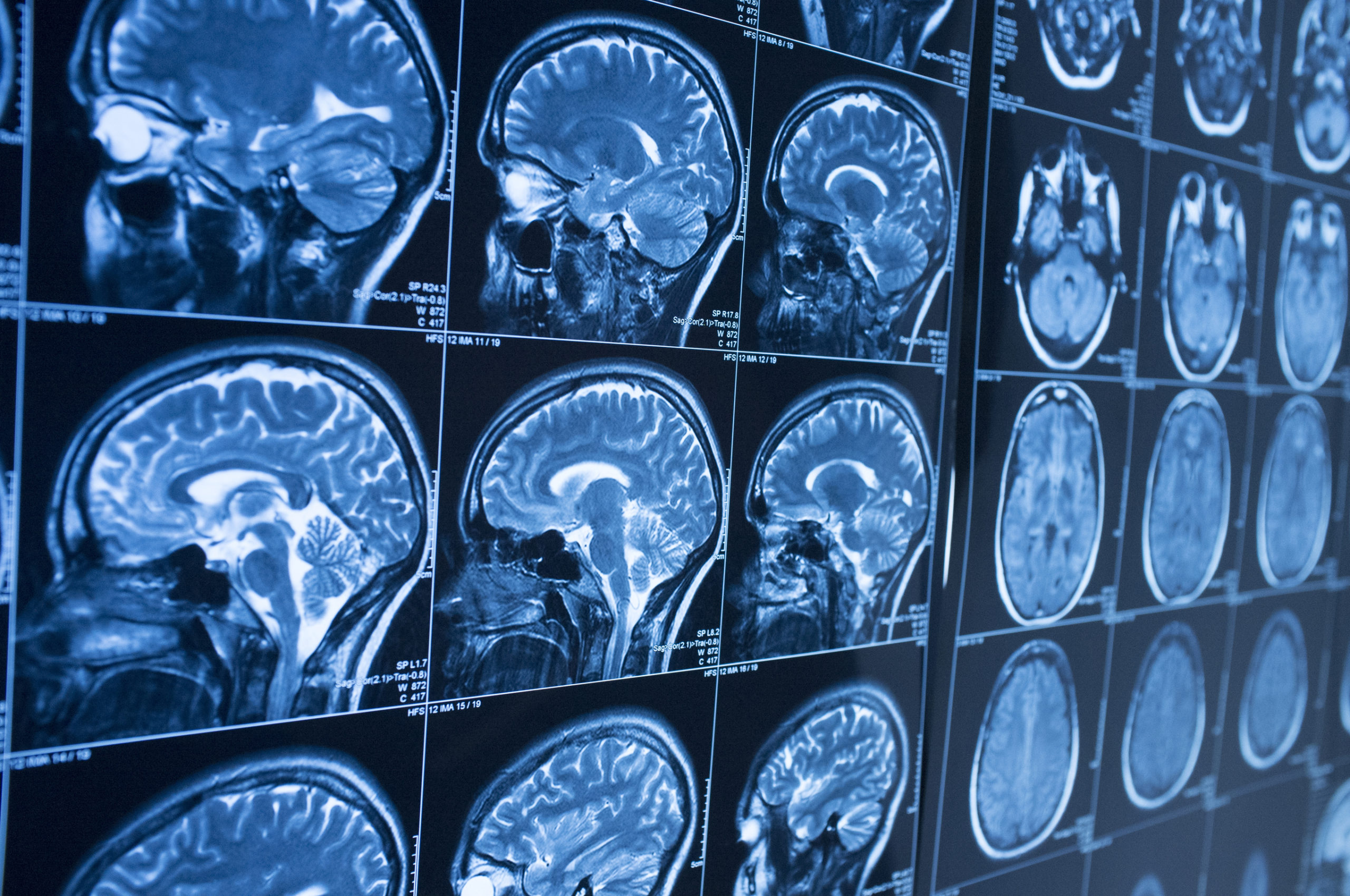
Brain Stimulation Reverses Age-Related Memory Loss
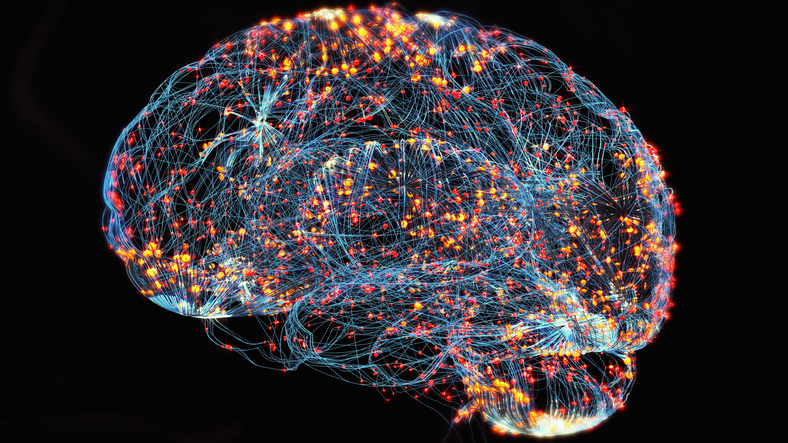
Stimulating one part of the brain’s memory center with electromagnetic pulses improved the memory of older adults with age-related memory loss, according to a recent study.
-

NASA Twins Study: Gut Microbiome Shifts During Spaceflight
Research from the landmark NASA Twins Study, led by Northwestern scientists, has found that extended spaceflight affects the human gut microbiome.
-

Community Volunteers Help Teach Physical Therapy Students Alongside NUPOC Faculty and Alumni
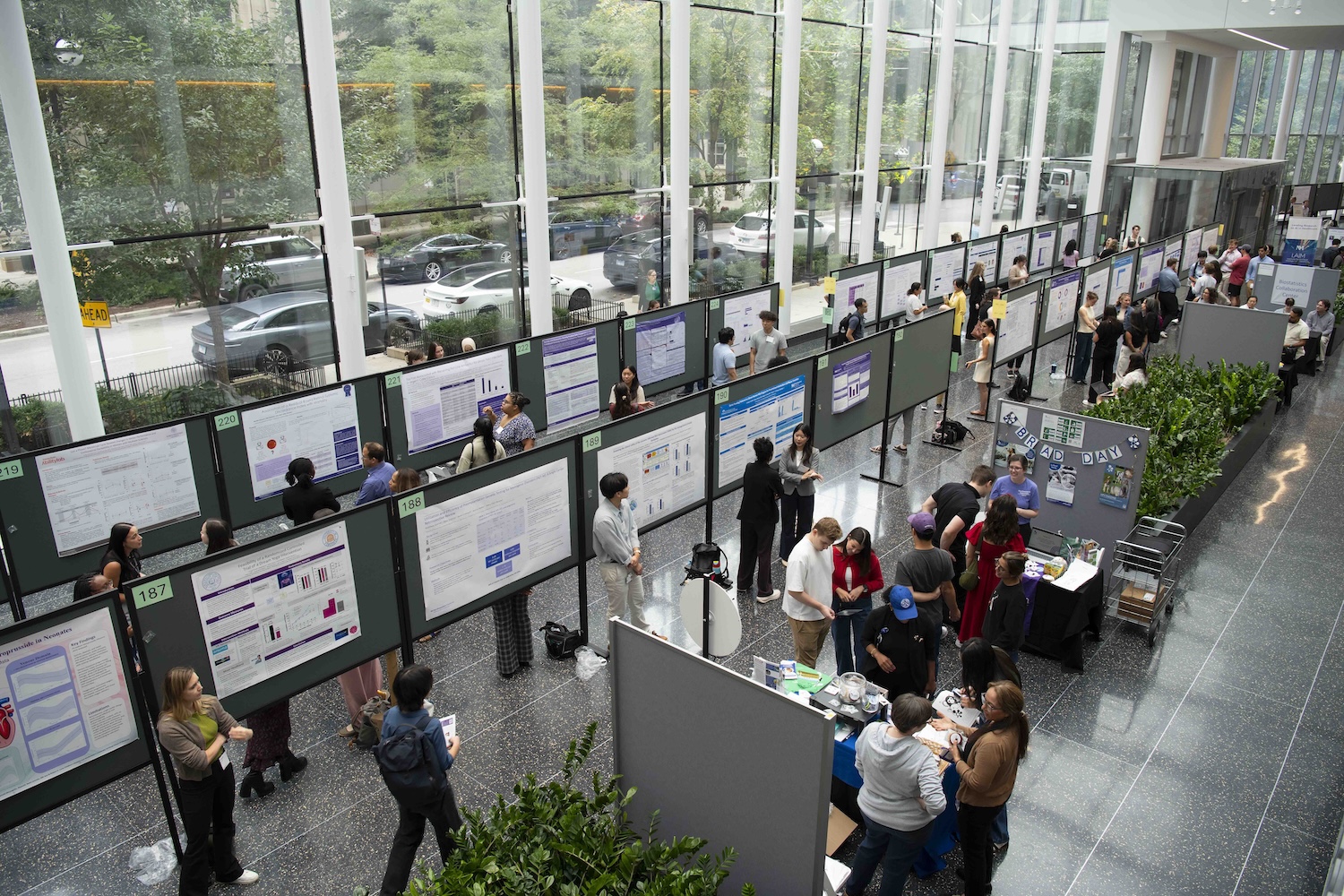
Nearly 100 second-year Doctor of Physical Therapy students recently participated in learning experience with volunteer community members and Northwestern faculty members.
-
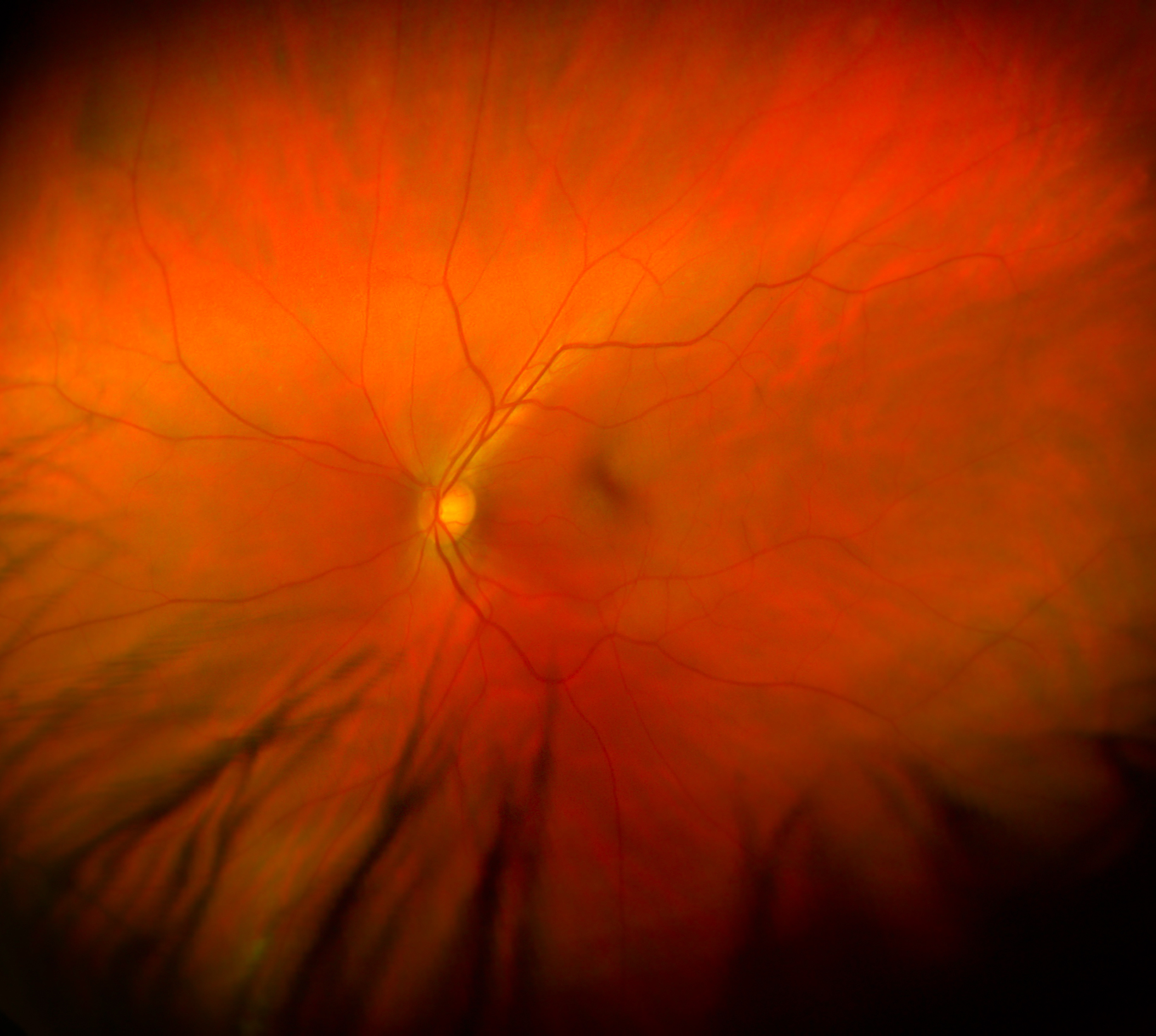
Eyes May Reveal Early Alzheimer’s Disease
Reduced blood capillaries in the back of the eye may be a new, noninvasive way to diagnose early cognitive impairment, a precursor to Alzheimer’s disease.
-
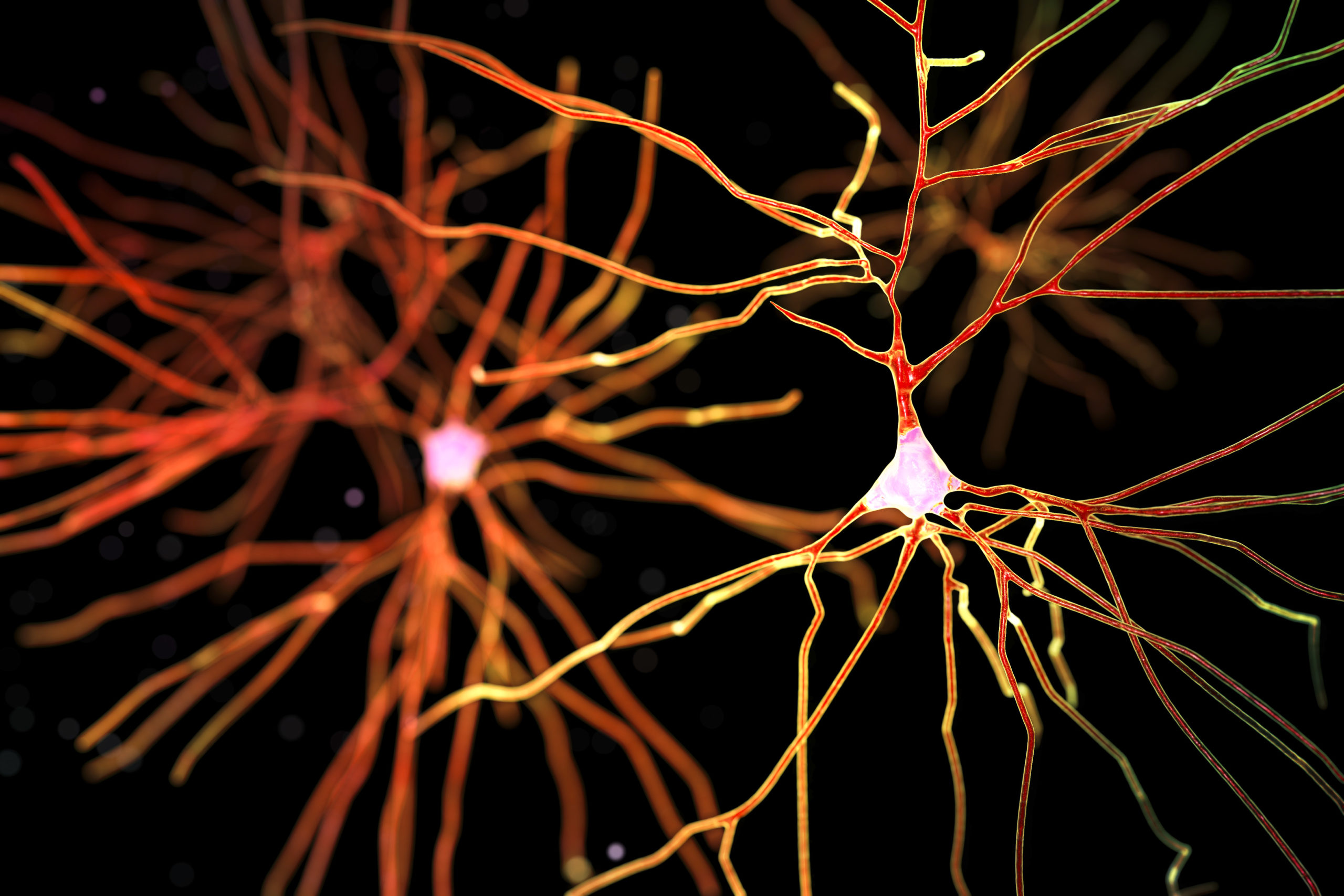
Circadian Clock Plays Unexpected Role in Neurodegenerative Diseases
Interruptions in circadian rhythm protected against damage in a model of Huntington’s disease, suggesting an unexpected neuroprotective effect for mild stress to the brain from irregular patterns of sleep.
-
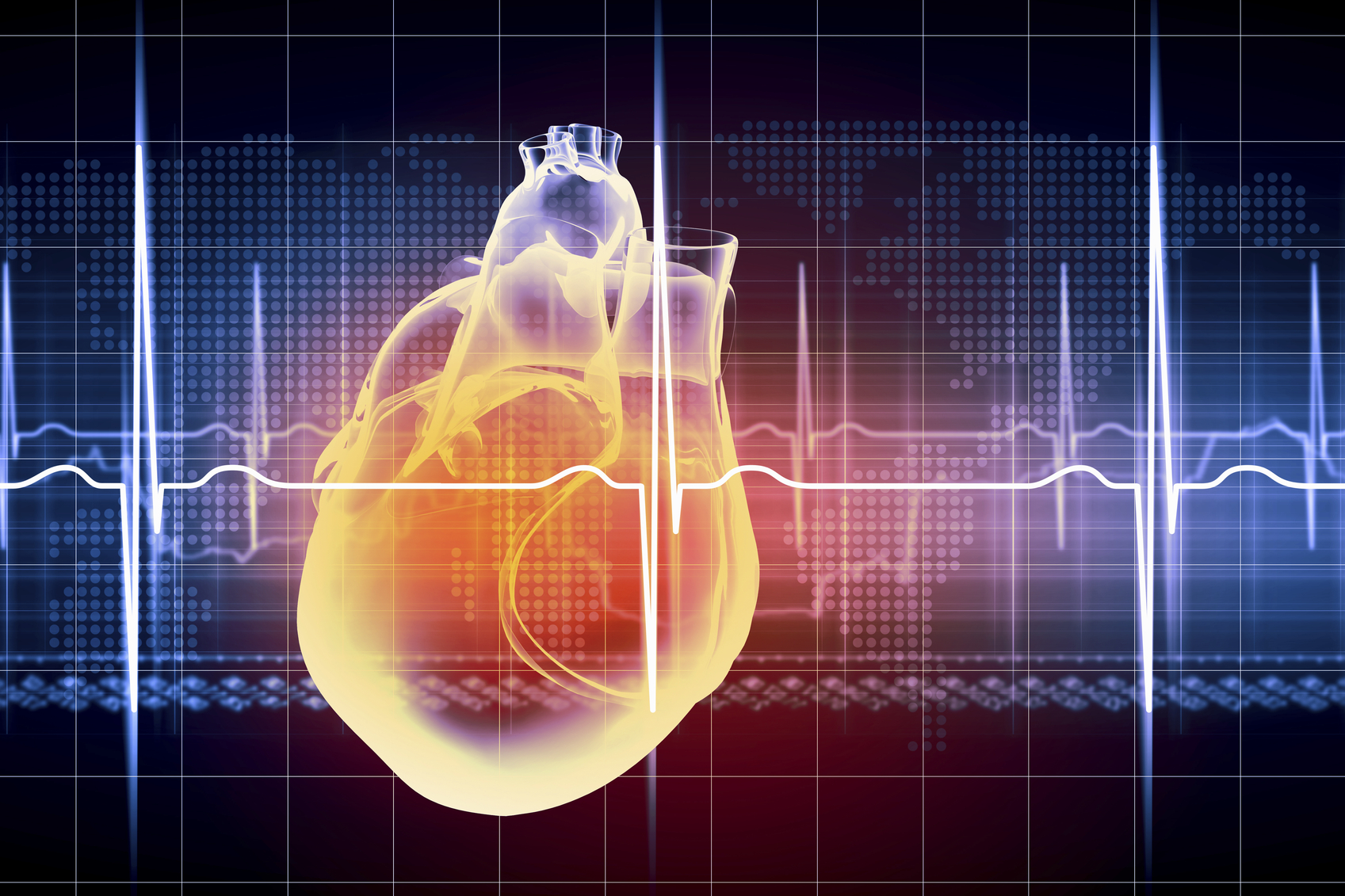
Noninvasive Imaging Predicts Risk of Heart Transplant Rejection
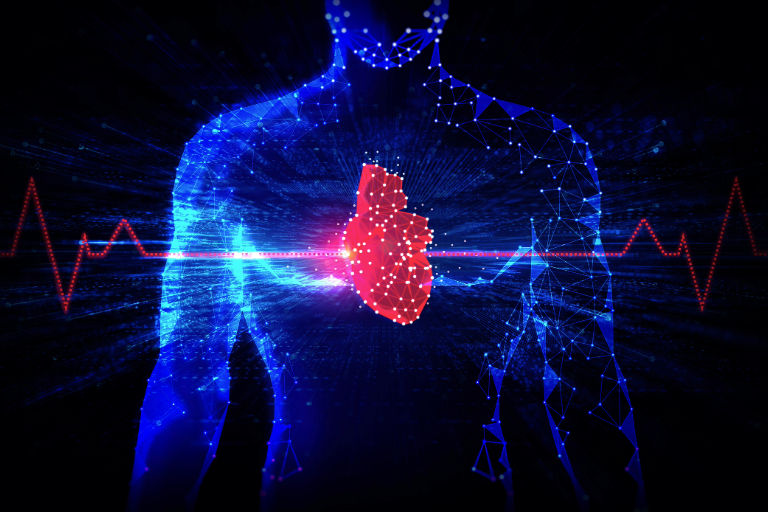
Measures of structural changes derived from cardiac magnetic resonance imaging (CMR) have significant potential as a noninvasive way to measure the risk of heart transplant rejection, according to a new study.
-

Low-Risk Patients Benefit from Minimally Invasive Transcatheter Aortic Valve Replacement
A new study has demonstrated that patients who were at low risk for surgical complications benefited significantly from a minimally invasive, transcatheter aortic valve replacement.
-

Soper Steps Down as Chair of Surgery
Nathaniel J. Soper, MD, the Loyal and Edith Davis Professor of Surgery, has stepped down as chair of the Department of Surgery after nearly 12 years of leadership.
-

Eating Eggs and Cholesterol Linked to Heart Disease and Death Risk
Increased consumption of eggs and dietary cholesterol is linked to a significantly higher risk of cardiovascular disease and death, according to a new study.