Author: kwm107
-

New Dining Options on Campus
The opening of the new Louis A. Simpson and Kimberly K. Querrey Biomedical Research Center is poised to bring even more additions to dining options on the Chicago campus, with new outlets opening by late fall.
-
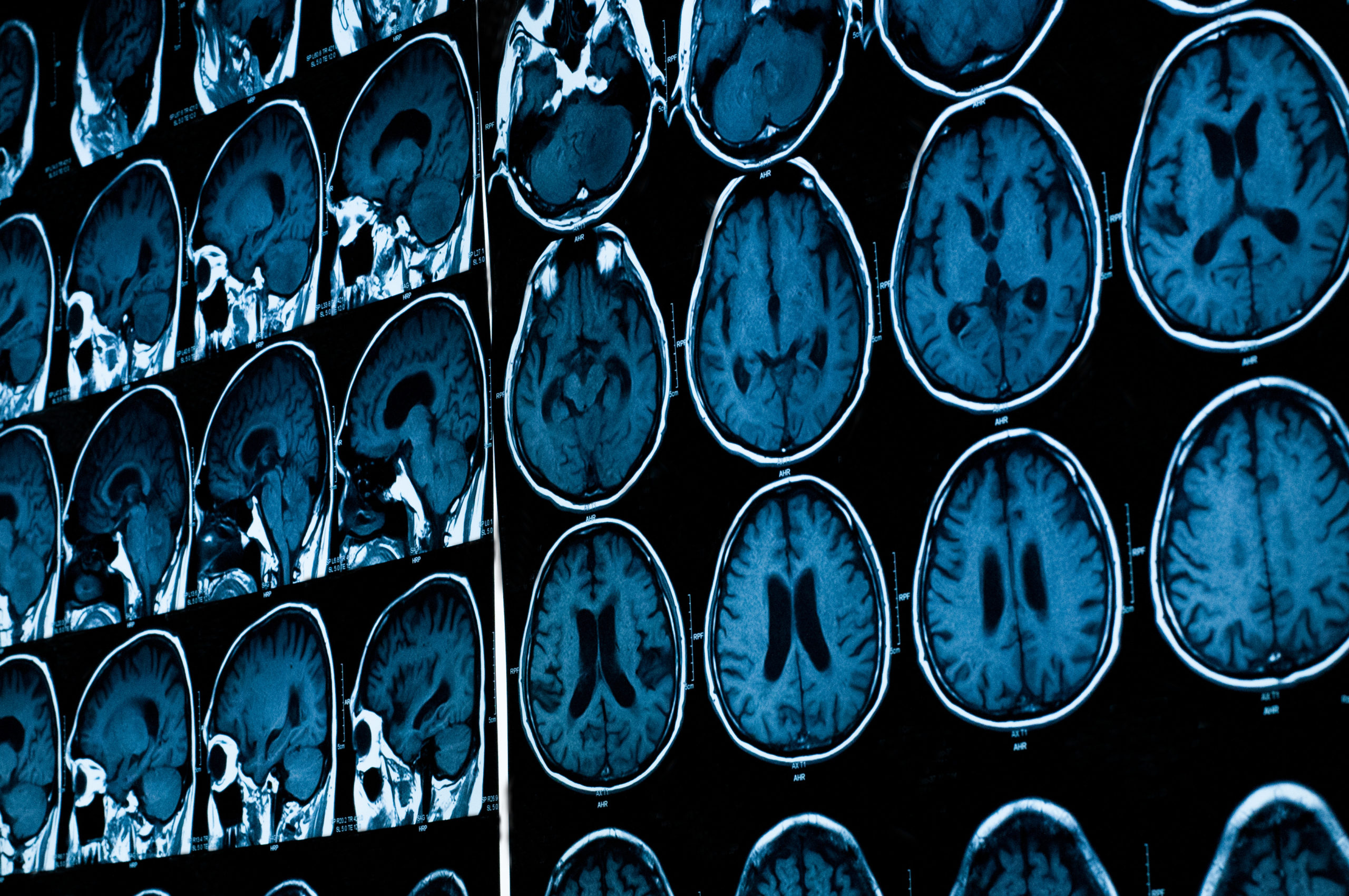
Innovative Imaging Approach Uncovers Pathway Changes After Stroke
A new study measured changes in neural pathways after a stroke, finding that many patients’ nervous systems appear to shift activity to undamaged motor pathways from the brain and the brainstem.
-
Blood Test Could Catch Liver Cancer Early
A new blood test can identify early-stage liver cancer, allowing clinicians to start treatment early, according to a new study.
-
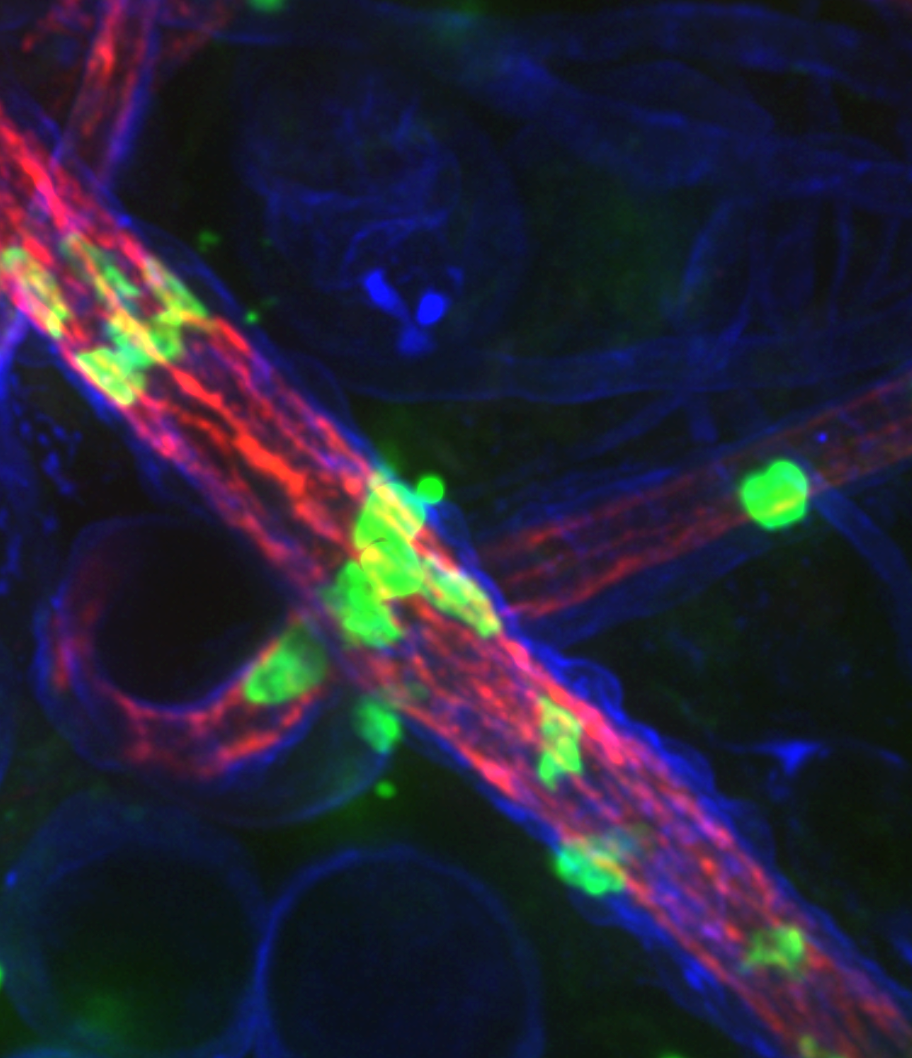
Newly Discovered Mechanism May Control Inflammation
A new study has discovered previously unknown details about a mechanism that lets white blood cells travel from blood vessels into tissue, a process key to inflammation.
-
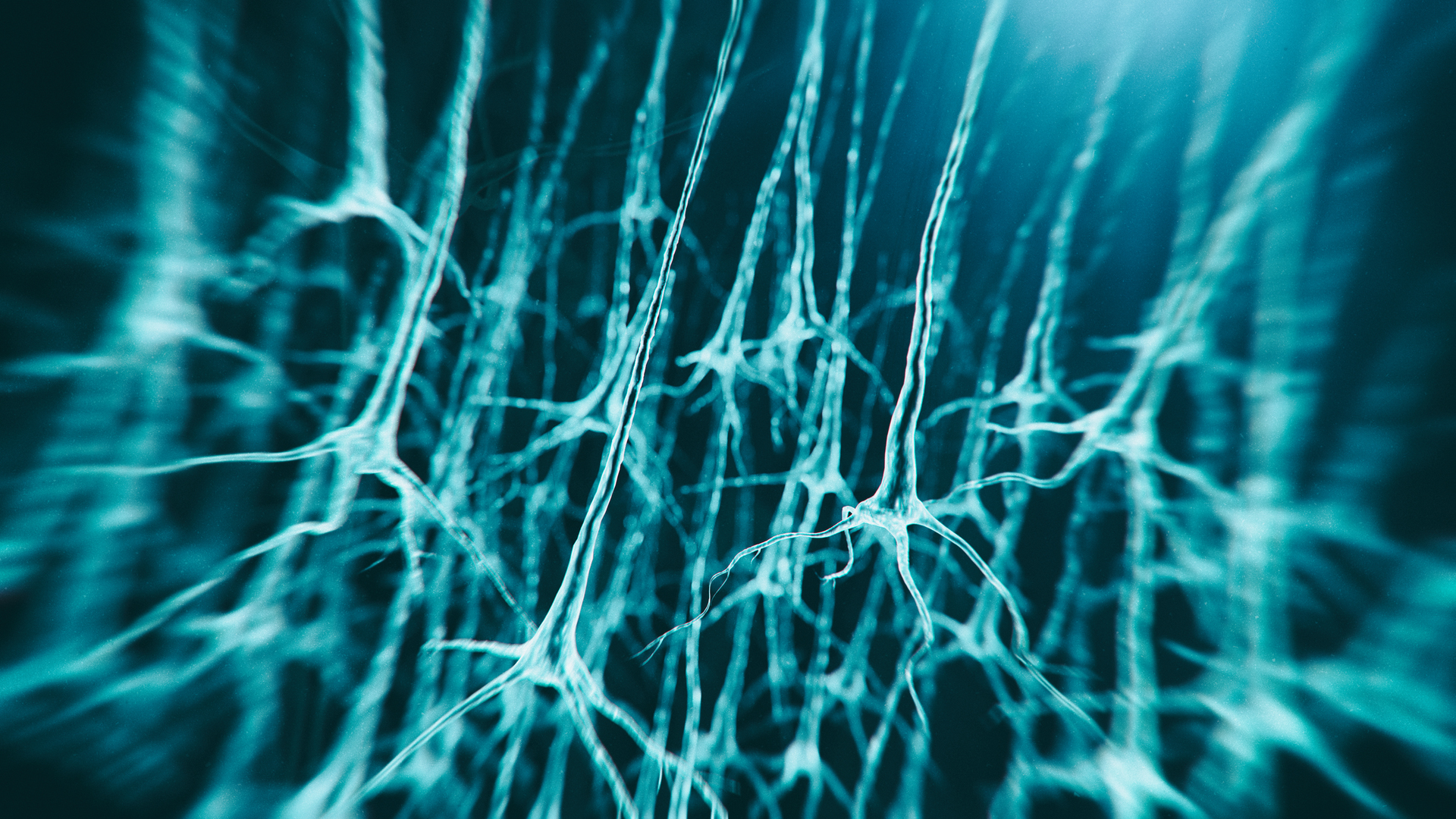
New Approach Shows Promise in Treating Parkinson’s Symptoms
Northwestern Medicine scientists have rescued movement in a mouse model of Parkinson’s disease by restoring the intrinsic discharge of nerve cells within the subthalamic nucleus.
-
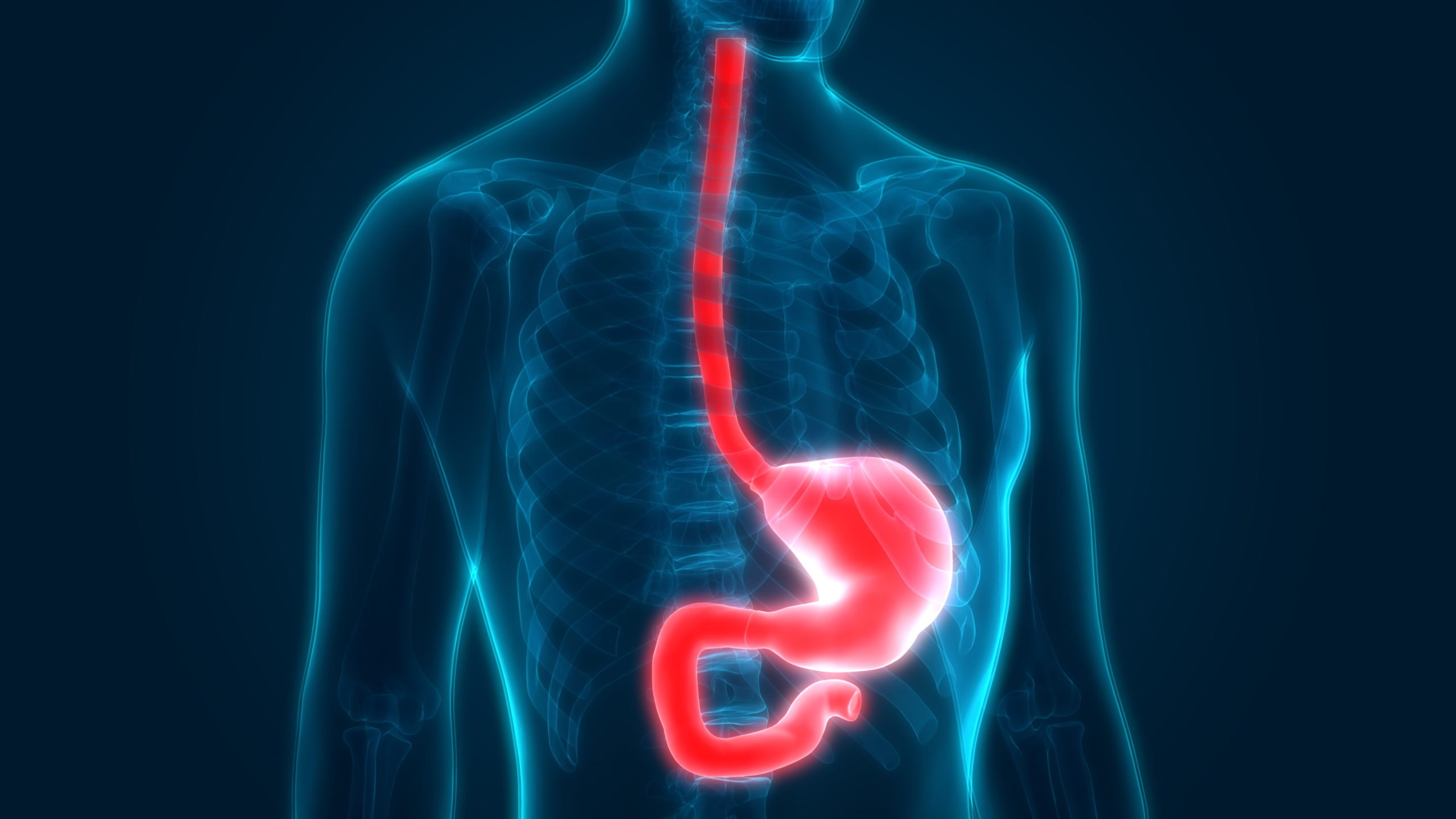
Procedure Proves Effective in Treating Rare Swallowing Disorder
A procedure called POEM significantly improved treatment outcomes among patients with achalasia — a rare swallowing disorder — compared with a standard therapy, according to a clinical trial published in JAMA.
-
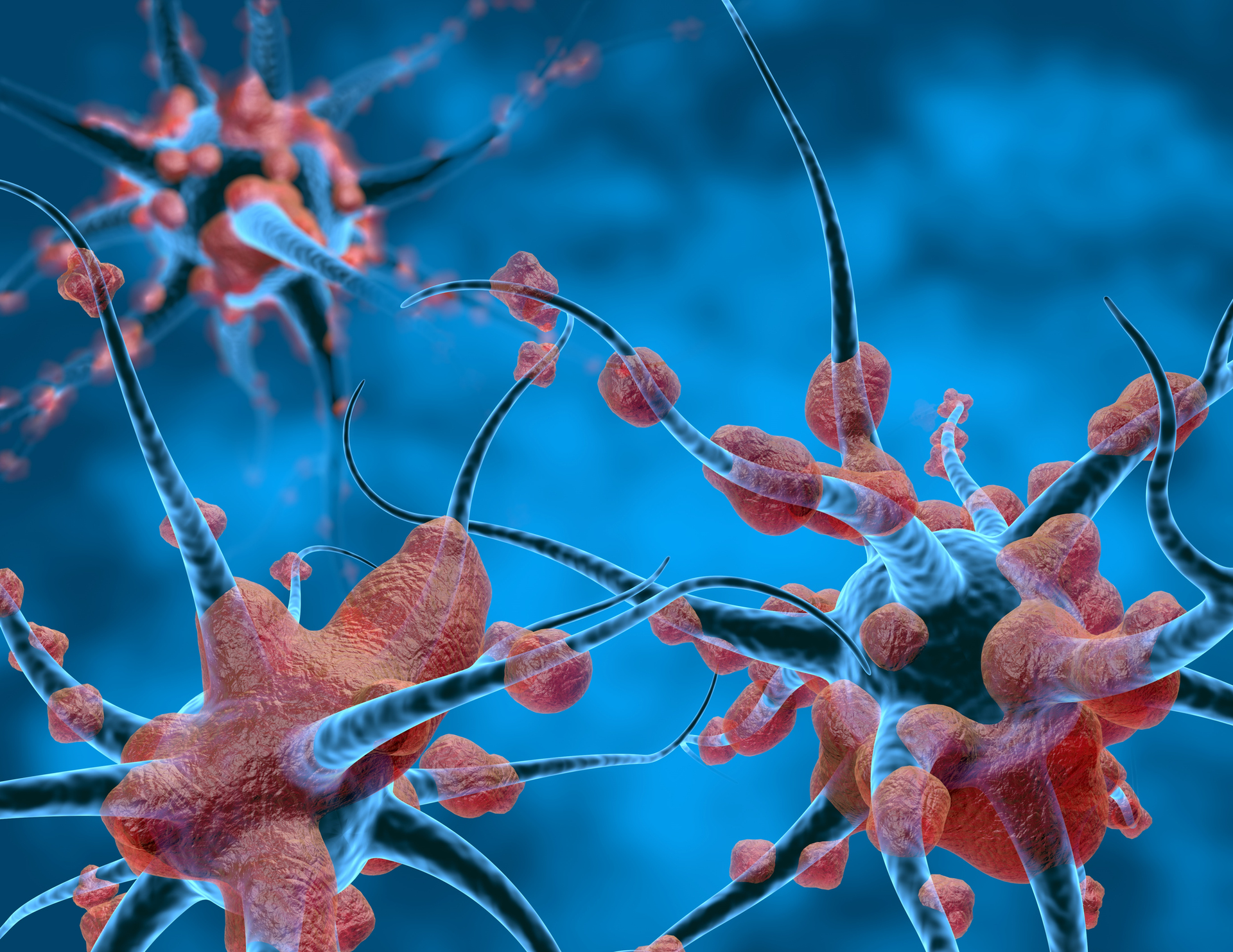
New Developments in Quest for Huntington’s Disease Treatments
A molecule drastically reduced toxic proteins in human neuron cells with Huntington’s disease, representing a potential therapy for the deadly degenerative disease, according to a new study.
-

New Data Analysis and Coordinating Center Announced
Feinberg has announced the launch of the new Northwestern University Data Analysis and Coordinating Center, with the goal of synergizing all components of the clinical research study life cycle.
-
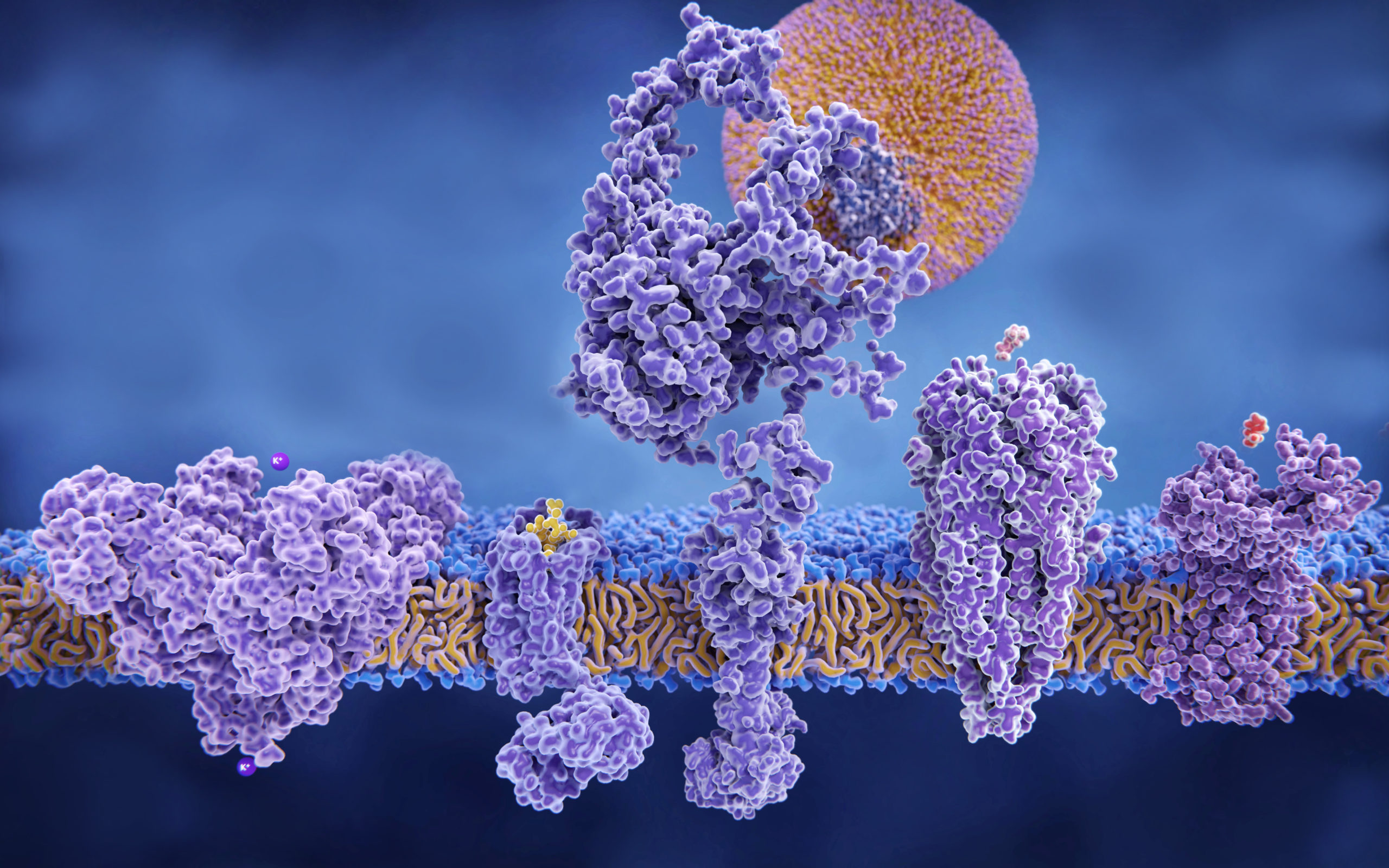
Exploring the Molecular Mechanisms of Ion Channels and Kidney Disease
Northwestern Medicine scientists have discovered the molecular mechanism by which voltage-dependent gates regulate the flow of ions in a unique sub-class of proteins called polycystic receptor potential channels.
-

PT Students Help Get Kids On the Move for Go Baby Go
With help from students in the Department of Physical Therapy and Human Movement Sciences (PTHMS), and support from McCormick School of Engineering, a group of toddlers took electric cars for a spin at Northwestern as part of the Go Baby Go program.