Author: kwm107
-

Weight Loss Drug May Help Patients with Heart Failure
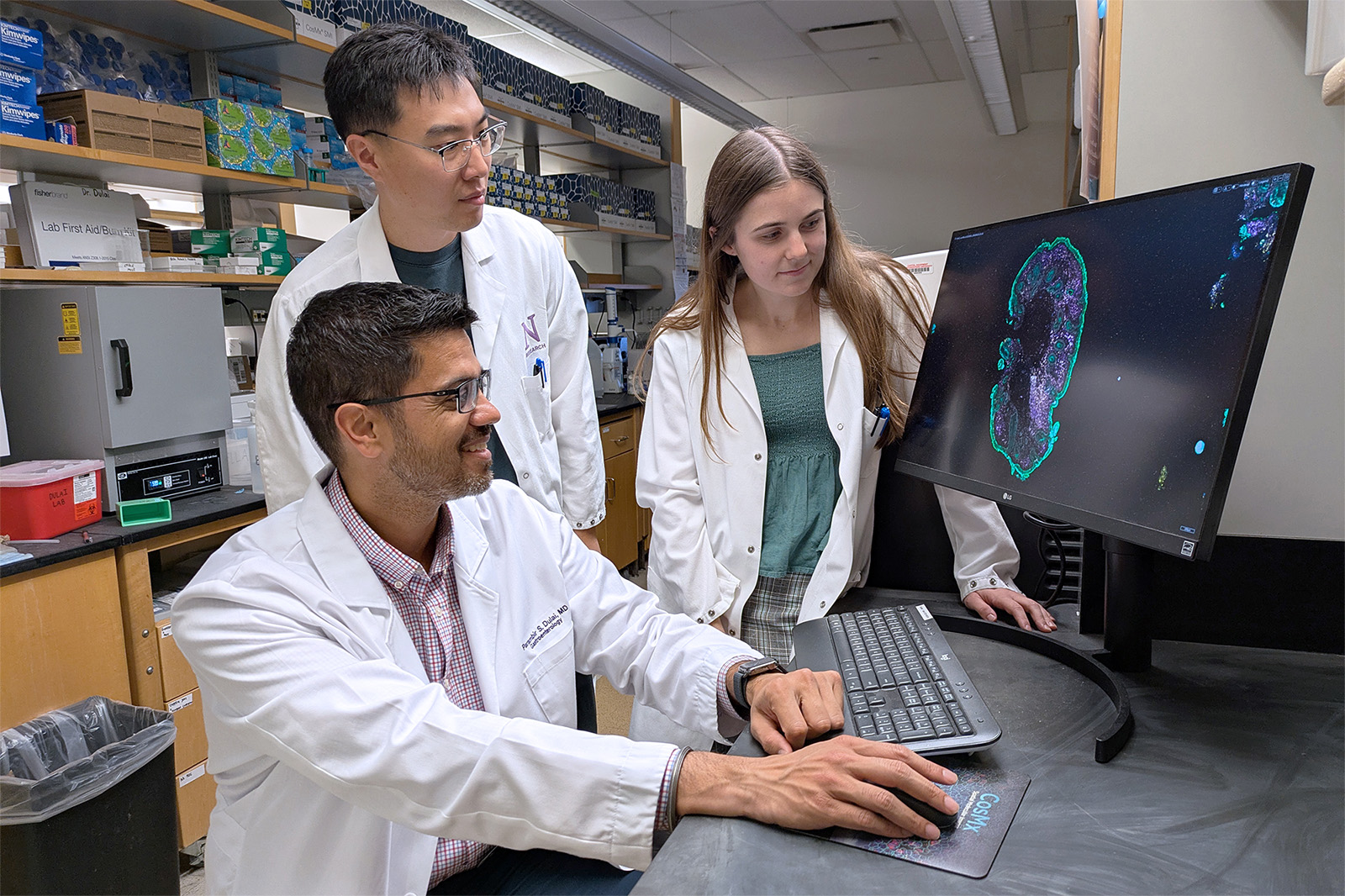
The antidiabetic and weight loss drug semaglutide, sold under the brand names Ozempic and Wegovy, can also help patients with heart failure and obesity lose weight while also improving symptoms and increasing exercise capacity, according to a clinical trial published in the New England Journal of Medicine.
-

Surmeier Recognized with Annemarie Opprecht Parkinson Award
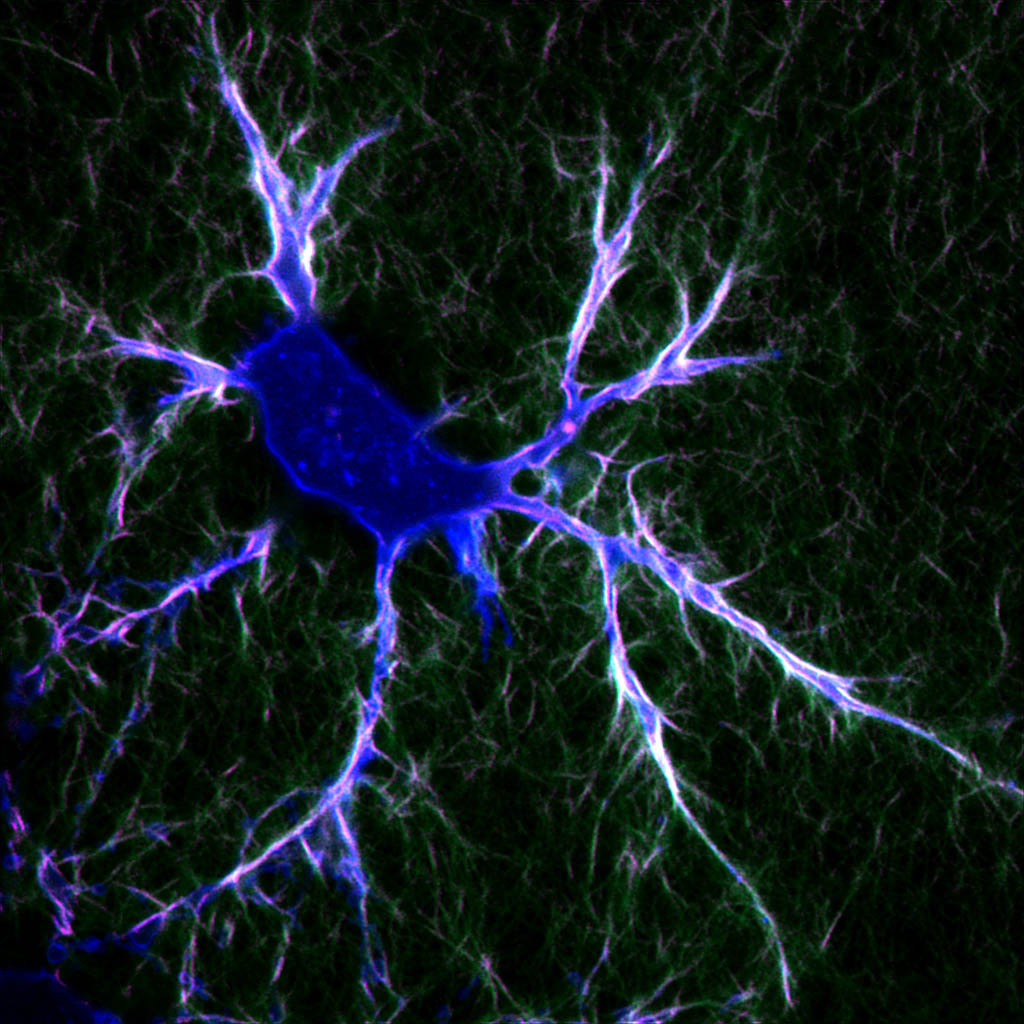
D. James Surmeier, PhD, the Nathan Smith Davis Professor and chair of Neuroscience, has been named the recipient of the 2023 Annemarie Opprecht Parkinson Award, an international award recognizing significant contributions to the field of Parkinson’s disease research.
-

Medical Education Day Celebrates Mentorship and Equity
Faculty, staff, trainees and students gathered to share knowledge and participate in workshops examining the future of medical education during Feinberg’s 13th annual Medical Education Day, held September 27.
-

Lloyd-Jones Announces He is Stepping Down as Chair of Preventive Medicine
Donald Lloyd-Jones, MD, ScM, the Eileen M. Foell Professor, has announced that he will be stepping down as chair of the Department of Preventive Medicine at the end of this academic year, after 15 years of service in the role.
-

Small, Implantable Device Could Sense and Treat Cancer
A multi-institutional team of investigators including Northwestern University scientists has received $45 million to fast-track the development of a first-of-its-kind implant to sense and treat cancer.
-
Gene Linked to Glioblastoma Stem Cell Self-Renewal and Immunosuppression
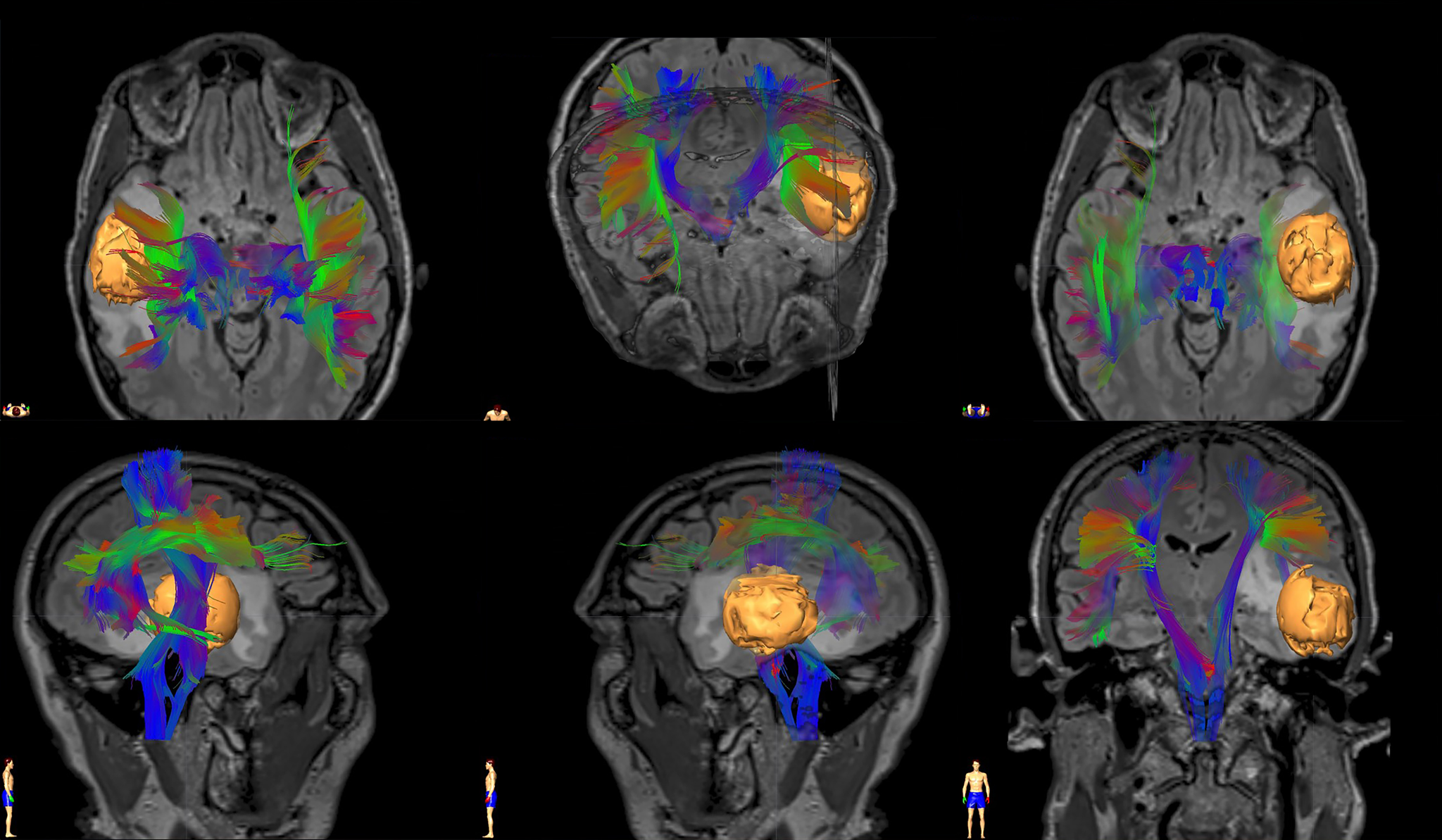
Northwestern Medicine scientists have identified how one gene connects glioblastoma stem cell self-renewal to microglia immunosuppression in glioblastoma, according to a new study published in Nature Immunology.
-
Northwestern Simulation’s In Situ Training Tests Cardiac Arrest Response Teams
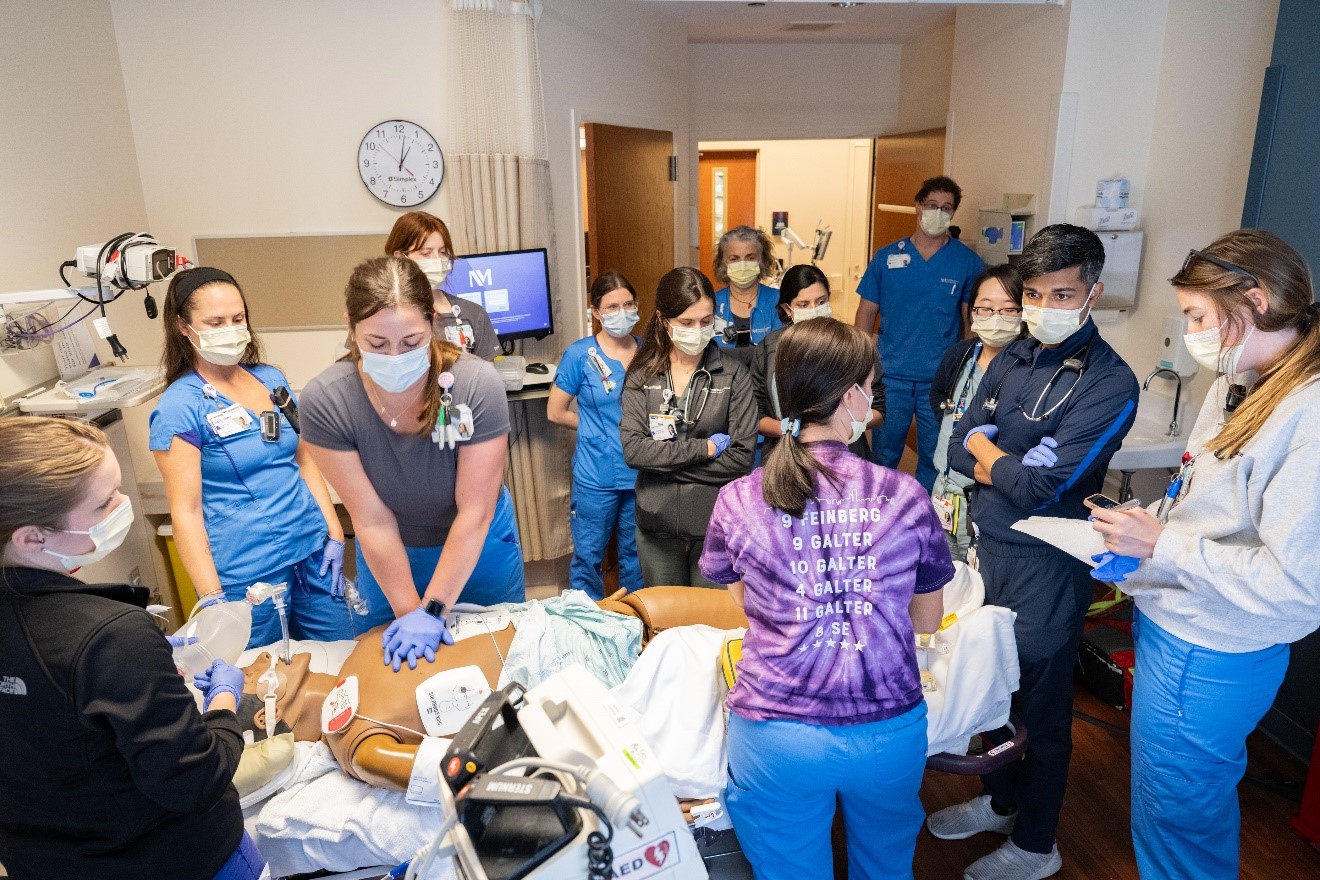
Northwestern Simulation has introduced a new curricular experience to help internal medicine residents improve skills needed for the high-acuity, high-intensity scenario of leading and managing cardiac arrests in the hospital.
-

Robert Lamb, Renowned Expert on Influenza Virus, Dies at 72
Robert A. Lamb, PhD, professor emeritus of Microbiology-Immunology and of Molecular Biosciences and an internationally recognized authority on influenza, died September 2. He was 72.
-

Feinberg Receives Record-Breaking Research Funding in 2023
Feinberg principal investigators secured $706 million in research funding and awards during the 2022-23 fiscal year, which is a nearly nine percent increase over the previous year, and the largest amount in the school’s history.
-

Newly Discovered Trigger of Parkinson’s Upends Common Beliefs
A new study suggests that a dysfunction in neurons’ synapses leads to deficits in dopamine and precedes the neurodegeneration previously thought to cause Parkinson’s disease.