Year: 2026
-
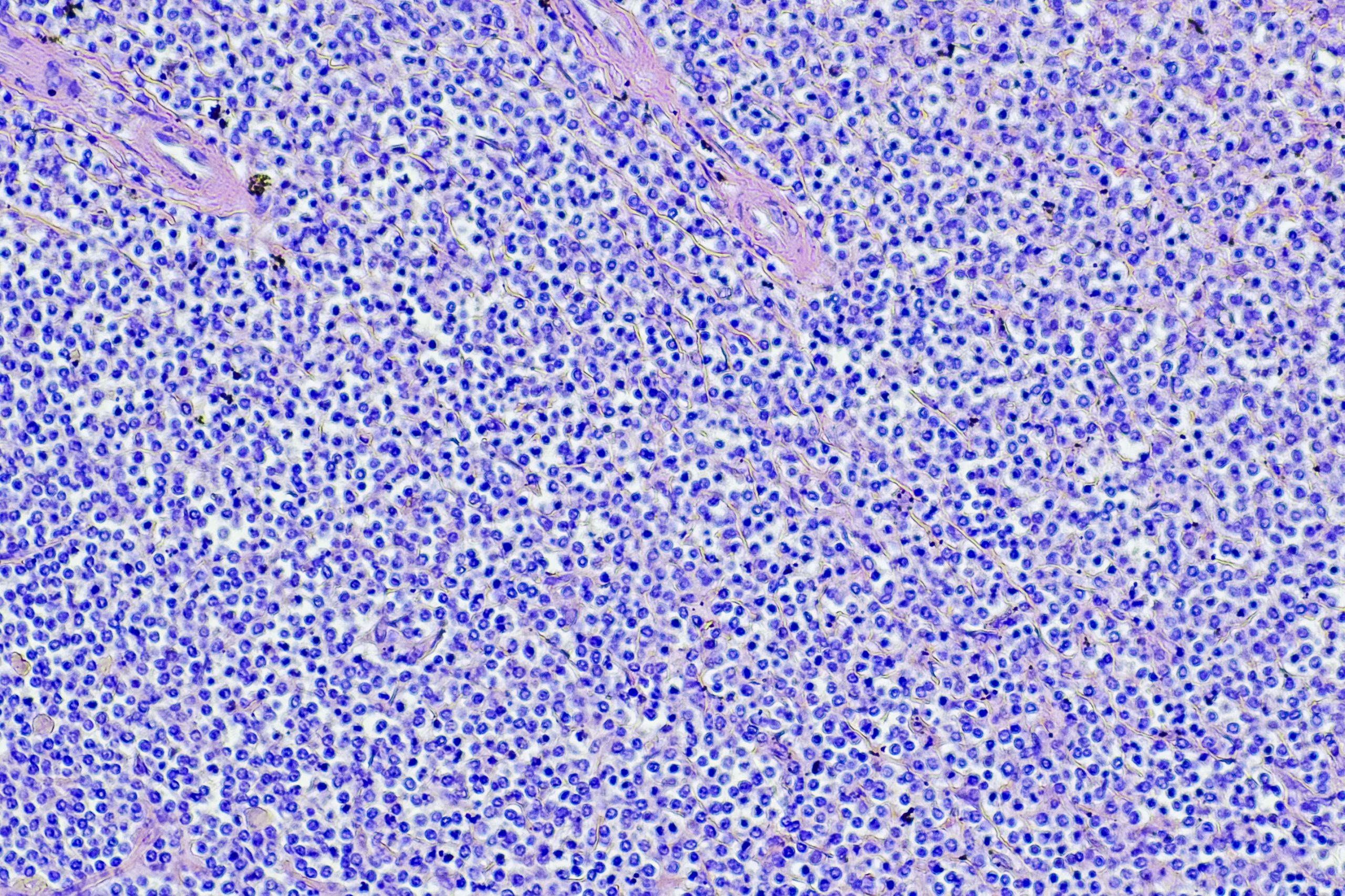
Immunotherapy Shows Long-Term Promise in Aggressive Lymphoma
A leading-edge immunotherapy may extend survival for patients with one of the most aggressive forms of blood cancer, according to newly published five-year results from a major clinical trial in the journal Blood.
-
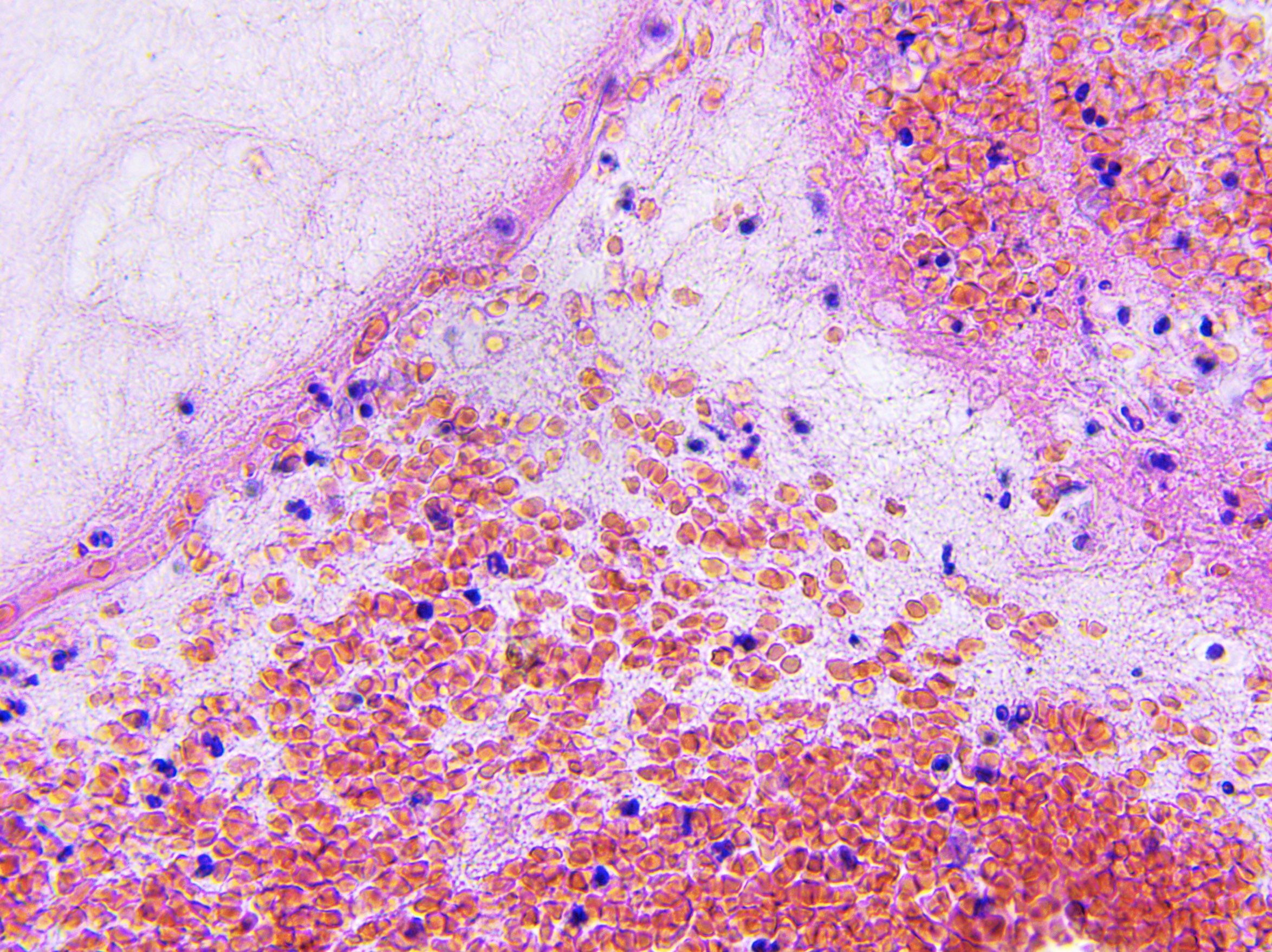
Signaling Pathway May Help Predict Immunotherapy Response in Glioblastoma
Northwestern Medicine scientists have uncovered a biological mechanism that helps explain why most patients with glioblastoma fail to respond to immunotherapy, according to a study published in Nature Communications.
-
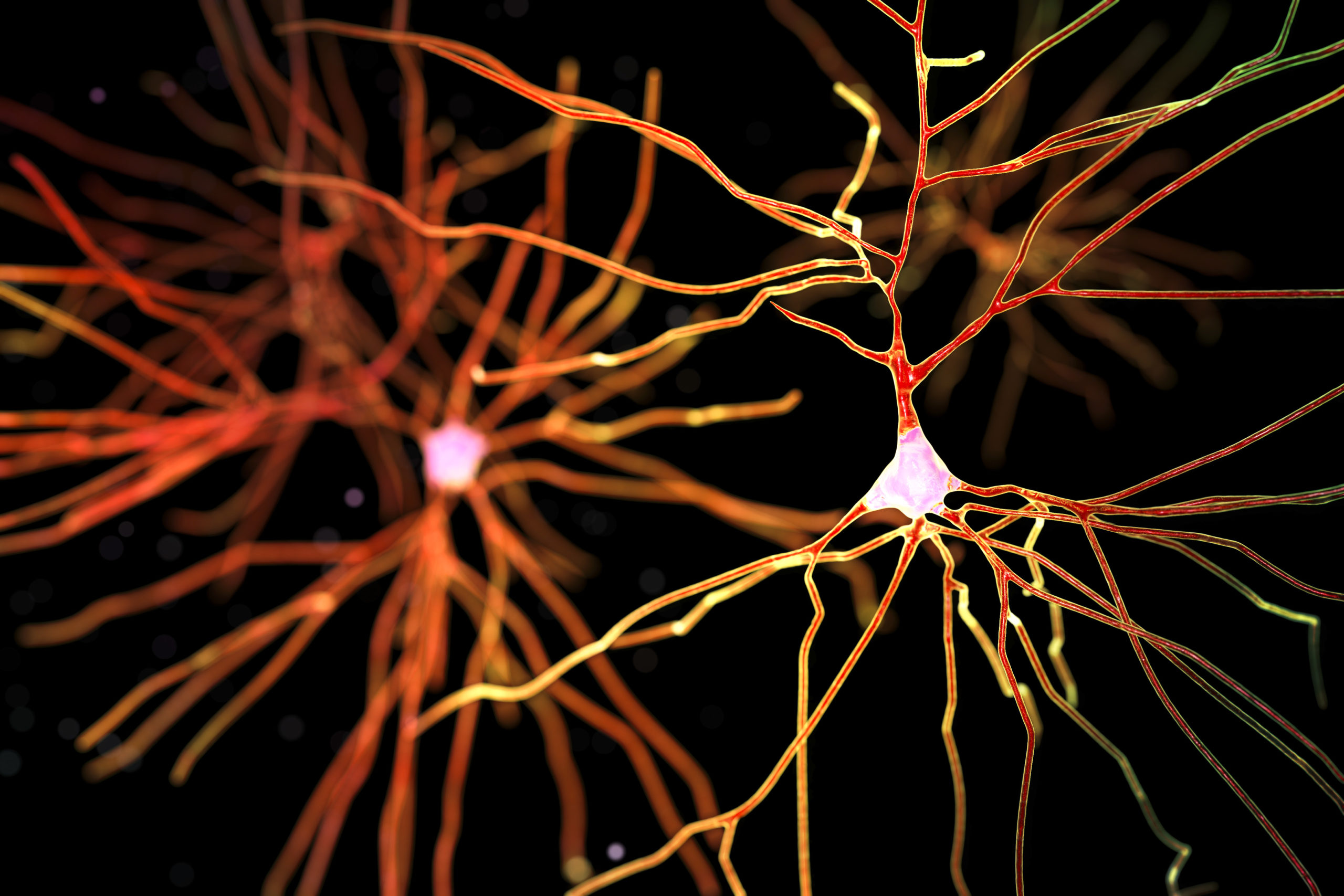
New Analytic Method Reveals ‘Building Blocks’ of Brain Activity
A new Northwestern Medicine study has introduced a novel machine learning method for understanding how the brain organizes complex behaviors, offering fresh evidence that neural activity is built from reusable “building blocks,” according to the study published in Neuron.
-

Examining the Impact of Aging on Critical Cellular Processes
A new Northwestern Medicine study published in the Proceedings of the National Academy of Sciences has explored the impacts of aging on essential cellular processes, findings that could shape the development of future anti-aging therapeutic strategies.
-

Northwestern Medicine Study Finds Lung Transplant Dramatically Improves Survival for Patients With Terminal Lung Cancer
A landmark study from the Northwestern Medicine Canning Thoracic Institute, published in JAMA, suggests lung transplantation can significantly extend survival in select patients with advanced lung cancer.
-
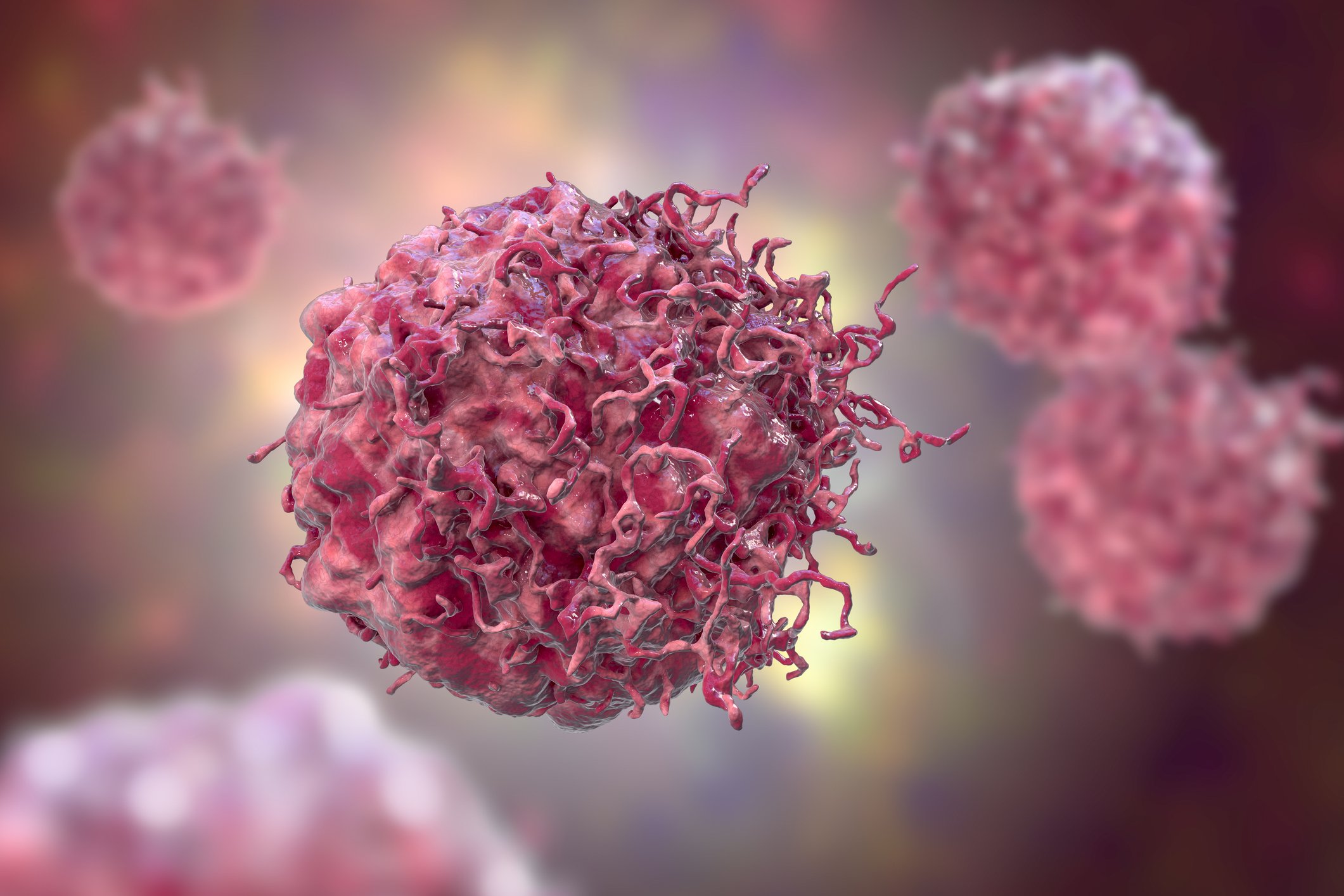
Radiotherapy Reprograms Immune Response in Rare Skin Cancer
A new Northwestern Medicine study has discovered how radiotherapy alters the immune environment within cutaneous T-cell lymphoma tumors, revealing new molecular signatures associated with long-term treatment response and tumor recurrence.
-
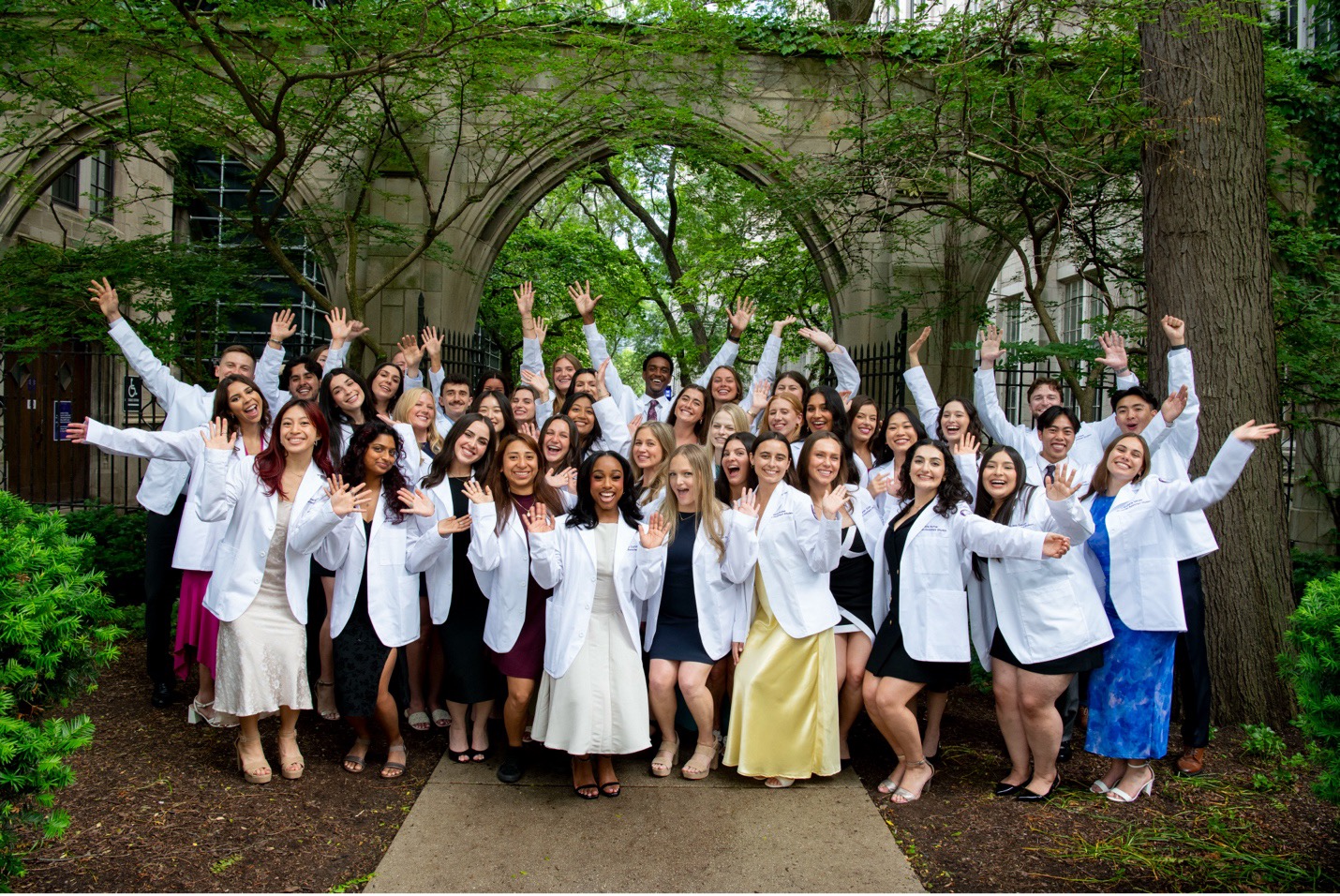
PA Program Celebrates White Coat Ceremony
On Friday, June 5, the Physician Assistant Program Class of 2028 celebrated the beginning of their medical journey with a white coat ceremony.
-
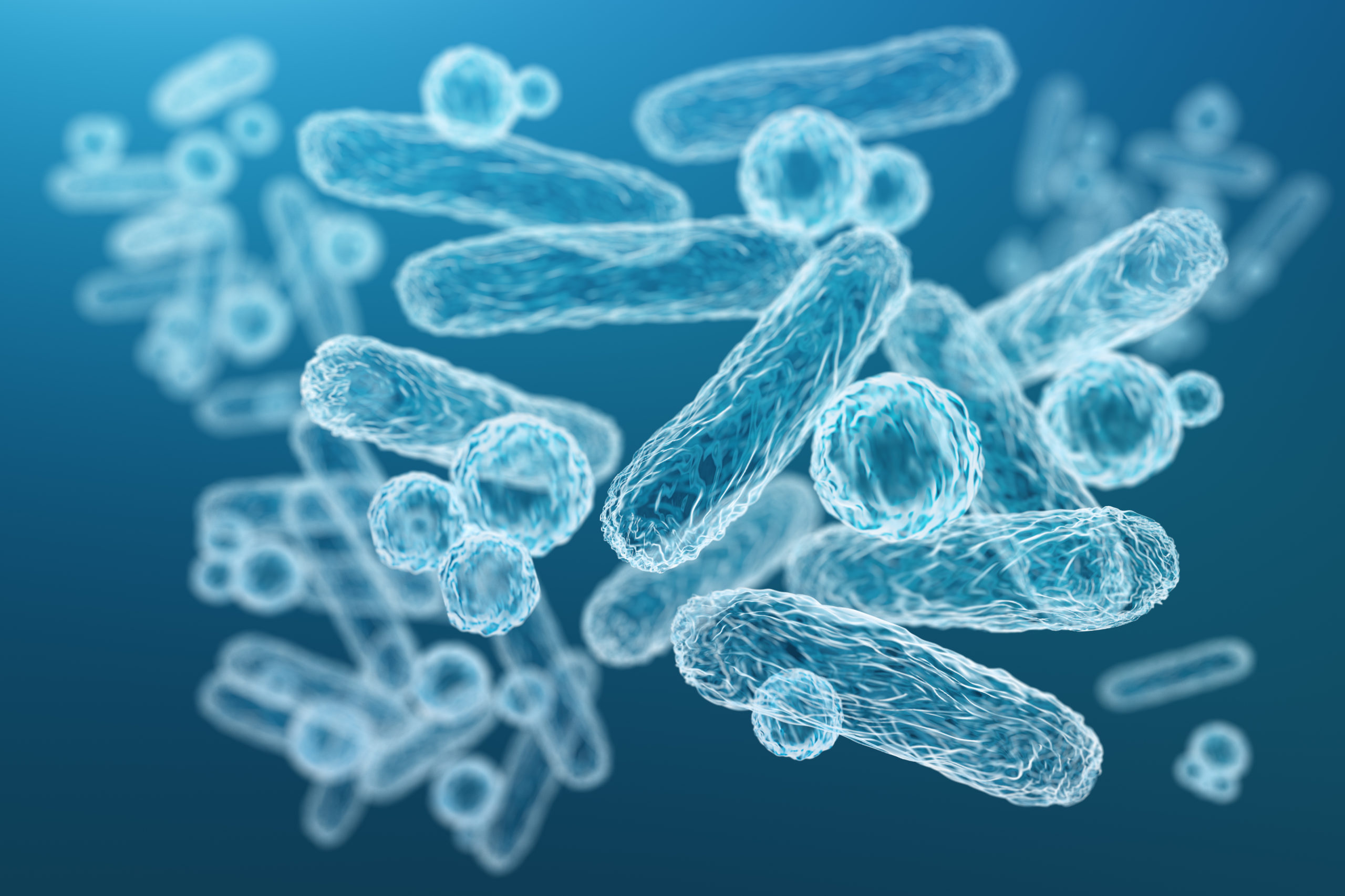
Intricate Molecular Mechanisms Help Bacteria Evade Immune Detection
Northwestern scientists have identified a novel mechanism utilized by the bacteria responsible for gonorrhea to evade immune detection and achieve widespread infection, according to a recent study published in the Proceedings of the National Academy of Sciences.
-
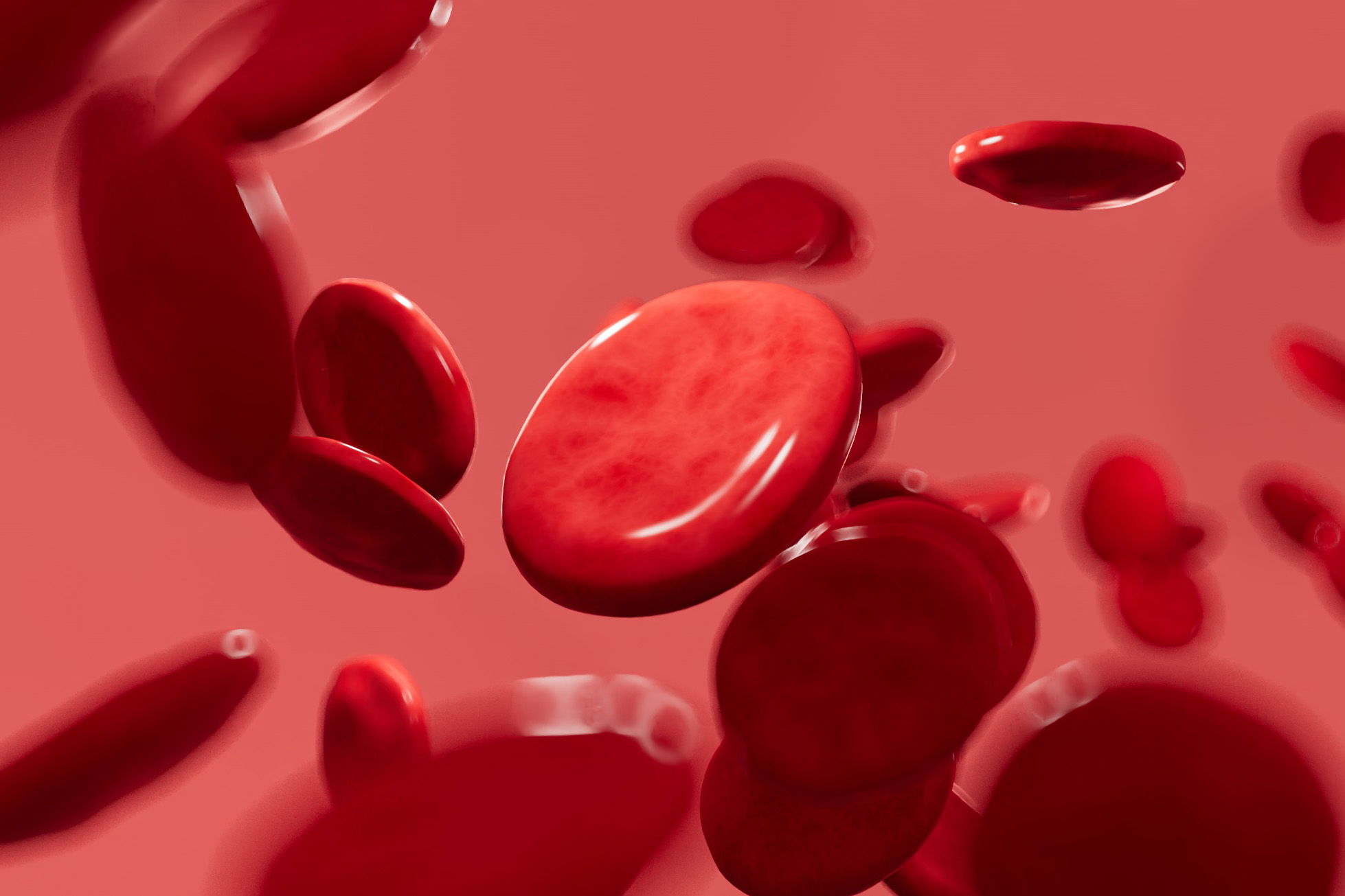
Blood Cell ‘Nurseries’ Upend Understanding of Human Physiology
Northwestern Medicine scientists have discovered that one of the body’s most fundamental biological processes — how red blood cells are made — works differently in humans than previously thought, according to a new study published in Nature Genetics.
-

Immunotherapy Strategy Shows Promise for Deadly Brain Cancer
A new immunotherapy strategy has shown promise in targeting one of the most aggressive and deadly forms of brain cancer, according to a new study published in Nature.