Year: 2026
-
Improving Stroke Care and Innovation
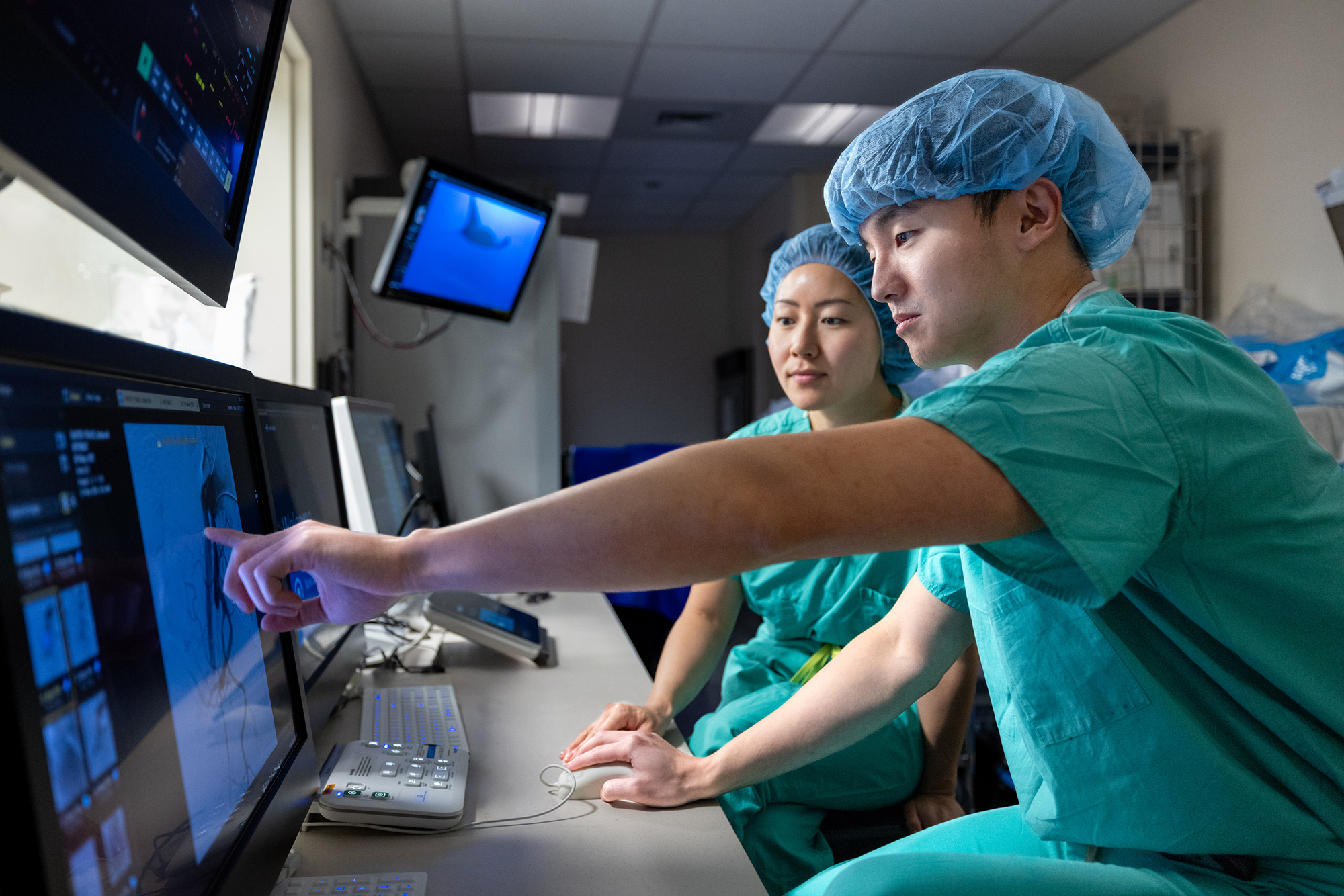
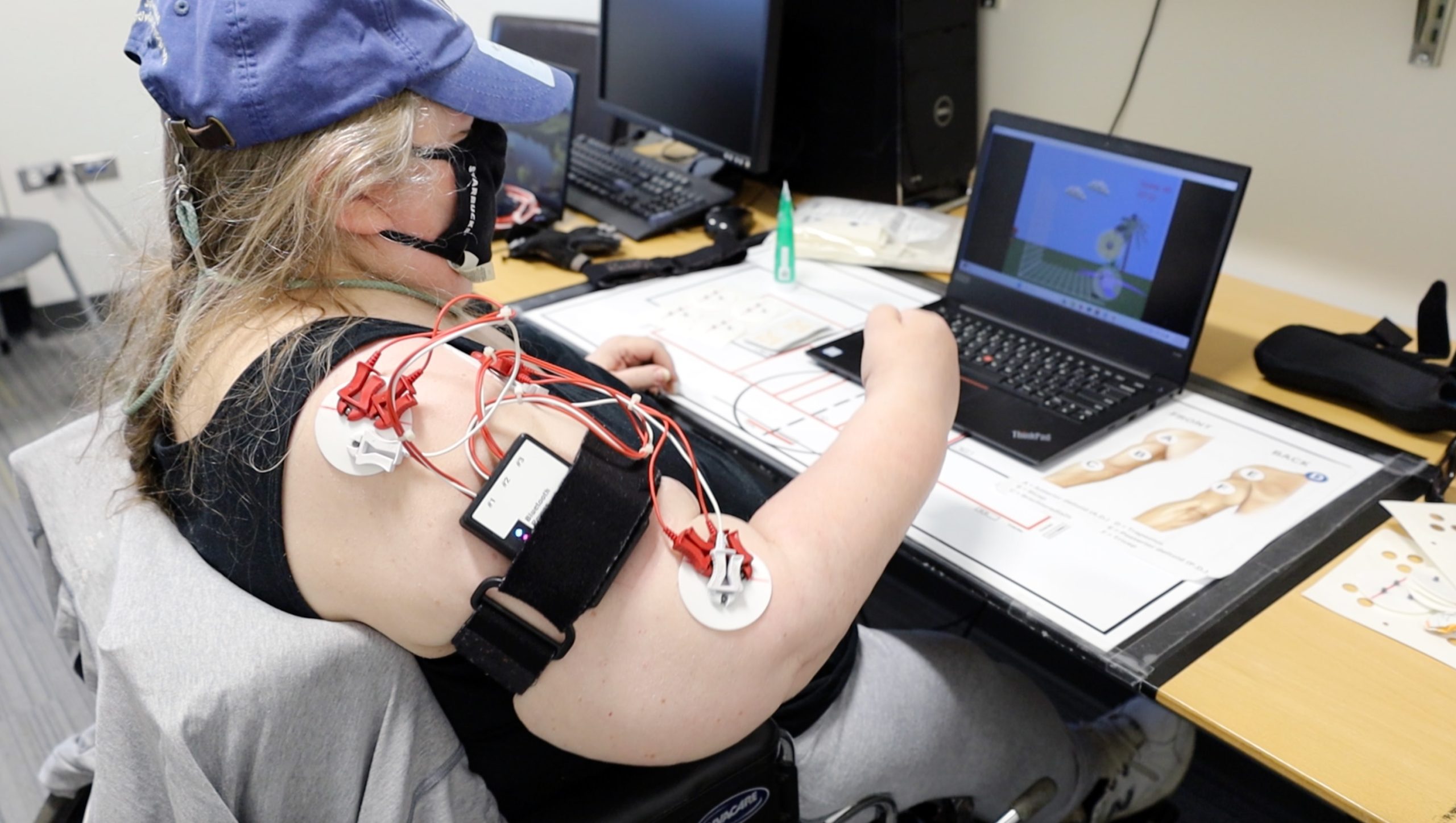
Every 40 seconds, someone in the U.S. has a stroke, according to the Centers for Disease Control and Prevention. Investigators at Feinberg are working from multiple angles of the stroke care pathway, leading to research that may improve recovery after a stroke occurs.
-
Noncoding DNA Regions Drive Development of Neurodevelopmental Disorders
A new study from the laboratory of Gemma Carvill, PhD, has uncovered variants in noncoding regulatory regions of the genome that contribute to the development of neurodevelopmental disorders, findings that could help spearhead the development of more effective precision therapeutic strategies.
-

Nominations Now Open for Northwestern’s 2027 Kimberly Prize
Northwestern University is accepting nominations for its $250,000 Kimberly Prize in Biochemistry and Molecular Genetics. The annual prize will be awarded in 2027. The Prize is the largest biochemistry award offered in the U.S.
-

As urban tree shade shrinks, mortality rises
-

Northwestern Memorial Hospital Earns U.S. News Honor Roll Recognition for 15th Consecutive Year
For the 15th consecutive year, Northwestern Memorial Hospital has once again been recognized among the nation’s elite hospitals, retaining its prestigious Honor Roll designation in the 2026-2027 U.S. News & World Report Best Hospitals rankings.
-
Exploring Genetic Differences in Parkinson’s Disease by Ancestry
A landmark international study has found that the genetic drivers of Parkinson’s disease can vary dramatically between populations, underscoring the need to include people of various ancestries in genetic research and clinical trials.
-
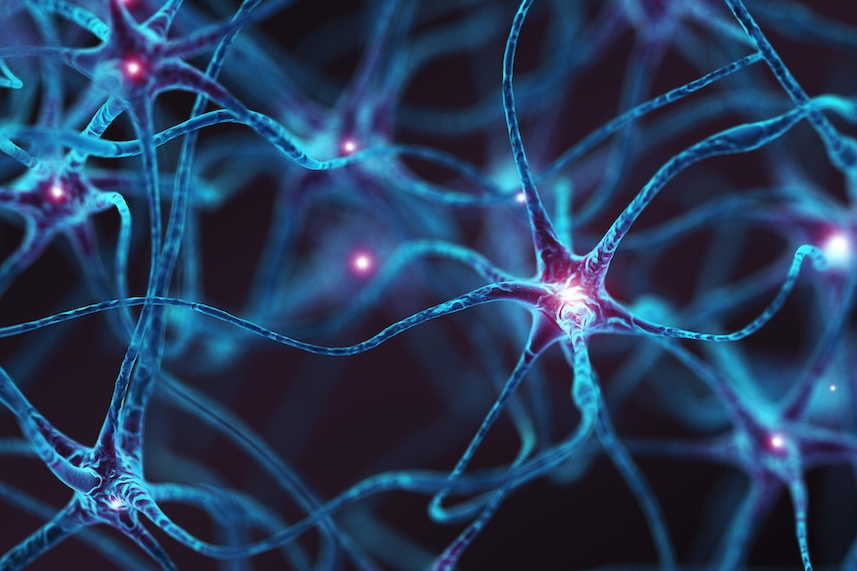
Parkinson’s Gene Linked to Early Dysfunction in Brain Cells
Northwestern Medicine scientists have uncovered how a major Parkinson’s disease gene disrupts the brain’s most vulnerable dopamine-producing neurons before detectable neuronal loss, according to findings published in Nature Communications.
-
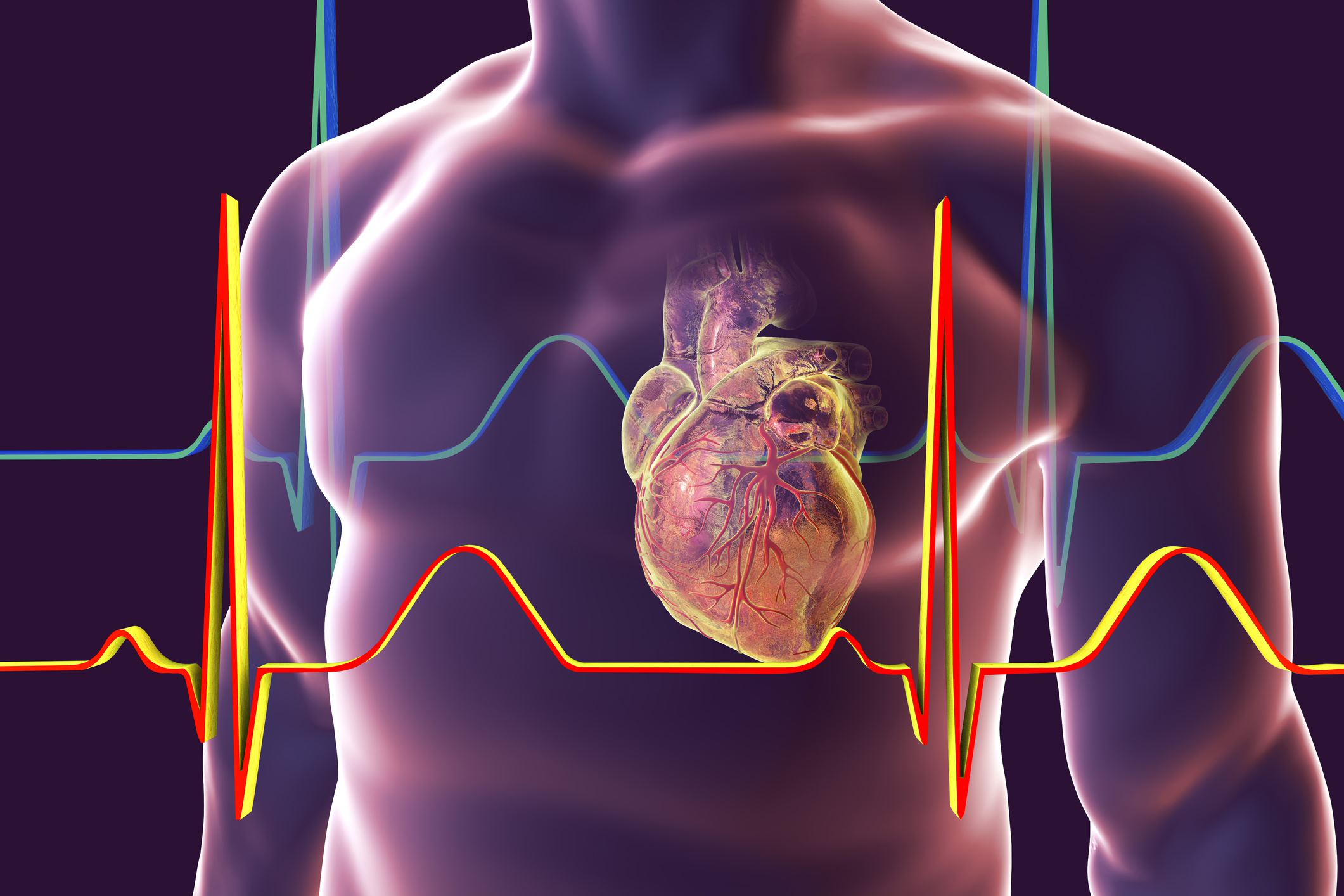
Implementing Simulation-Based Learning to Improve Self-Care for Chronic Heart Disease
Northwestern Medicine investigators have received an R01 research grant from the National Heart, Lung, and Blood Institute to evaluate a new simulation-based mastery learning curriculum to help patients and their caregivers improve self-care for chronic heart disease.
-
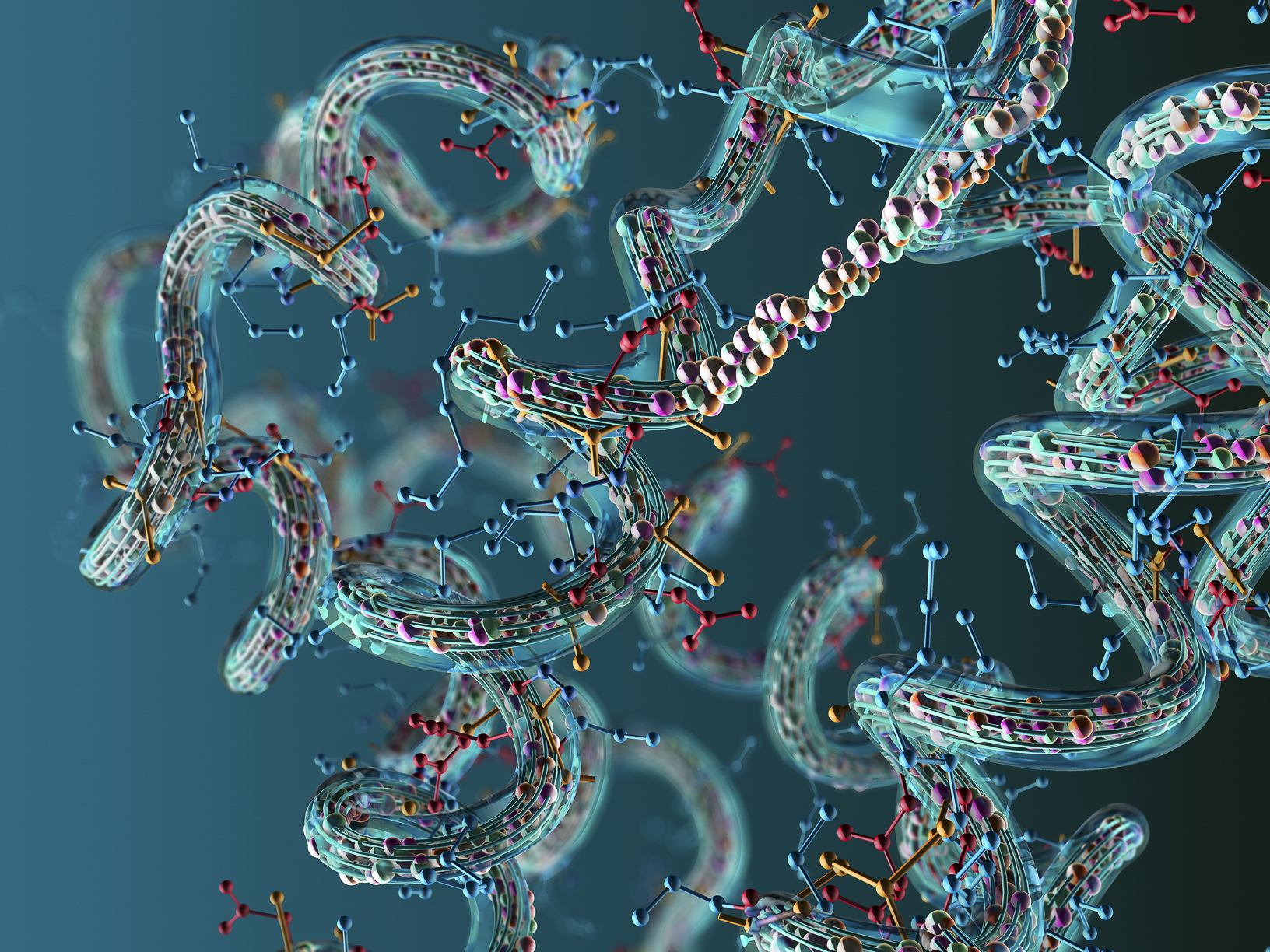
Flexible DNA Transforms Protein Crystallization
Northwestern scientists have developed a DNA-driven process to induce protein crystallization that can help reveal protein structures and enable the development of new flexible biomaterials.
-

Photos from Feinberg Commencement 2026
View photo highlights from Feinberg’s celebration of the Class of 2026 during spring commencement ceremonies recognizing graduates from its medical, health professions and graduate education programs.