
Year: 2026
-
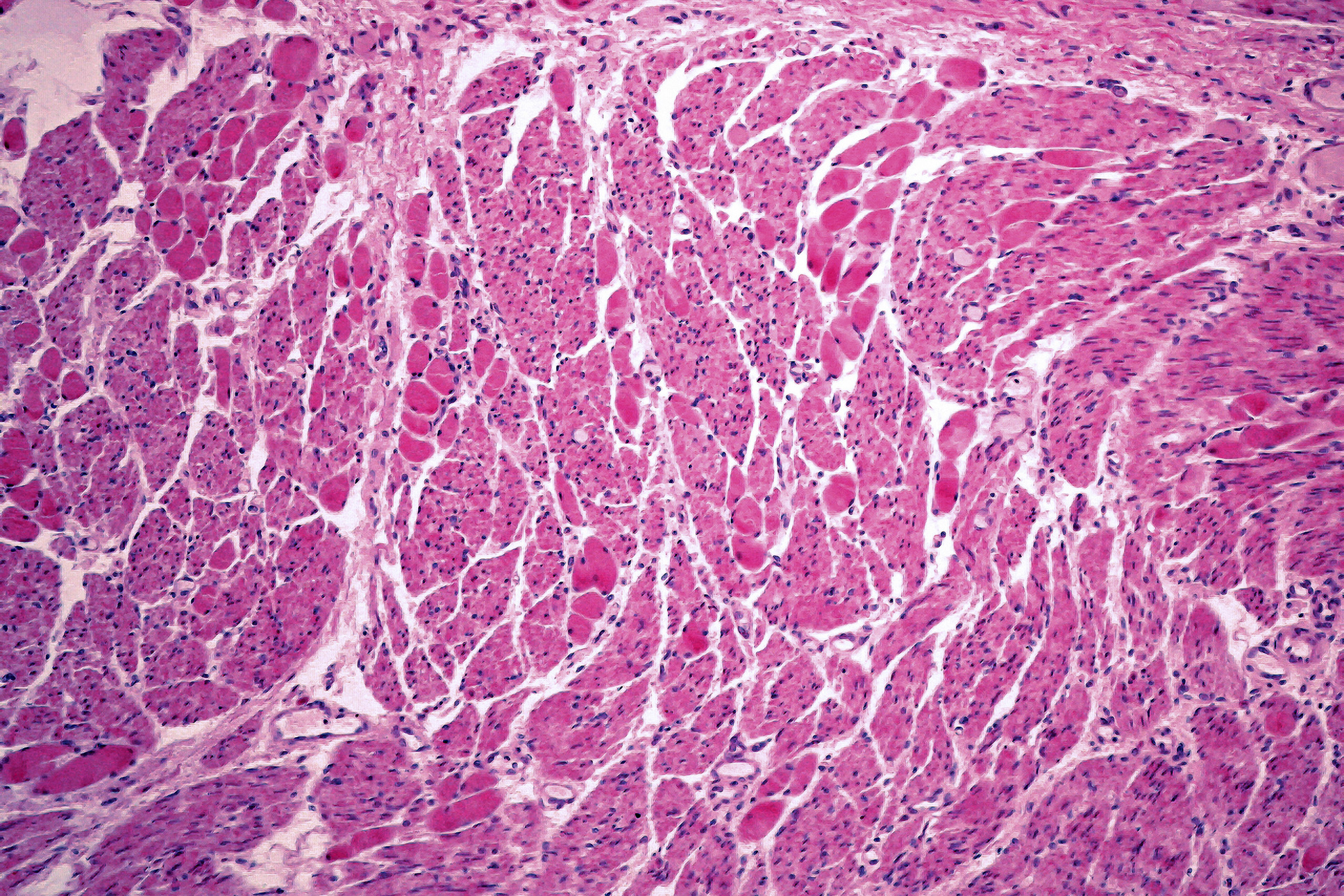
New Cellular Clues to Complications of Scleroderma
A recent Northwestern Medicine study published in JCI Insight has uncovered new clues about why people with systemic sclerosis, also known as scleroderma, frequently develop debilitating esophageal complications.
-
Oxidative Stress Drives Rare Disease Flare-ups, Study Finds
Northwestern Medicine scientists have uncovered a mechanism that may explain why people with Darier disease, a rare genetic skin disorder, often develop symptoms years after birth and experience painful flare-ups triggered by heat, sunlight and psychological stress.
-

Documenting Curbside Consultations to Improve Patient Safety
Implementing a hospital-wide program for documenting informal clinician consultations improved patient safety through better communication and multi-disciplinary care in a pediatric healthcare system, according to a recent study published in JAMA Pediatrics.
-
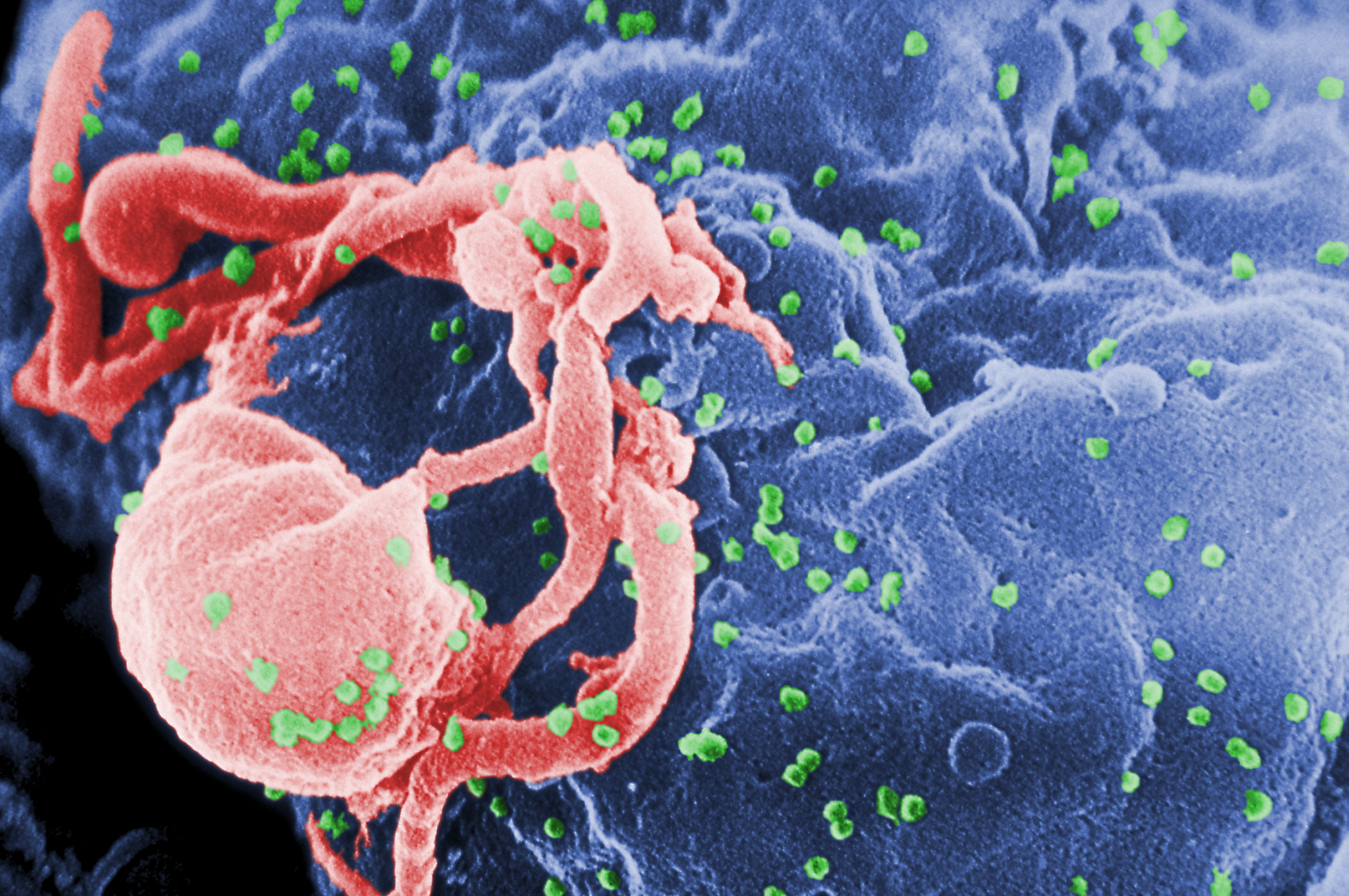
Tumor-Like Tissue Environments Could Hold Clues to Curing HIV
The tissue microenvironments surrounding HIV-infected immune cells look a lot like those surrounding cancerous tumors, according to a new Northwestern study.
-
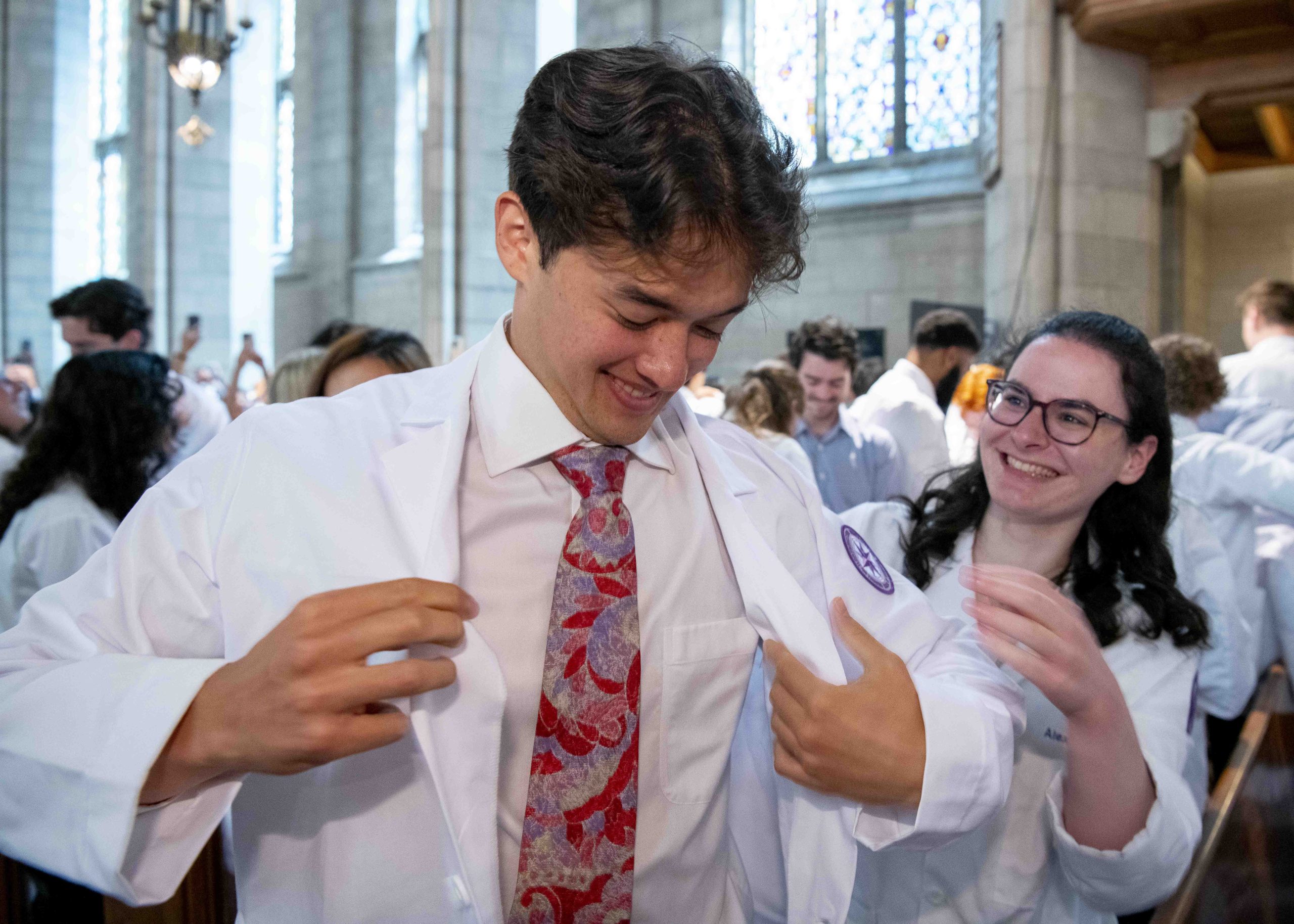
Founders’ Day Welcomes Feinberg Incoming Class of 2026
The incoming class of 2026 was officially welcomed to Feinberg during Founders’ Day on August 7 at Fourth Presbyterian Church in Chicago.
-
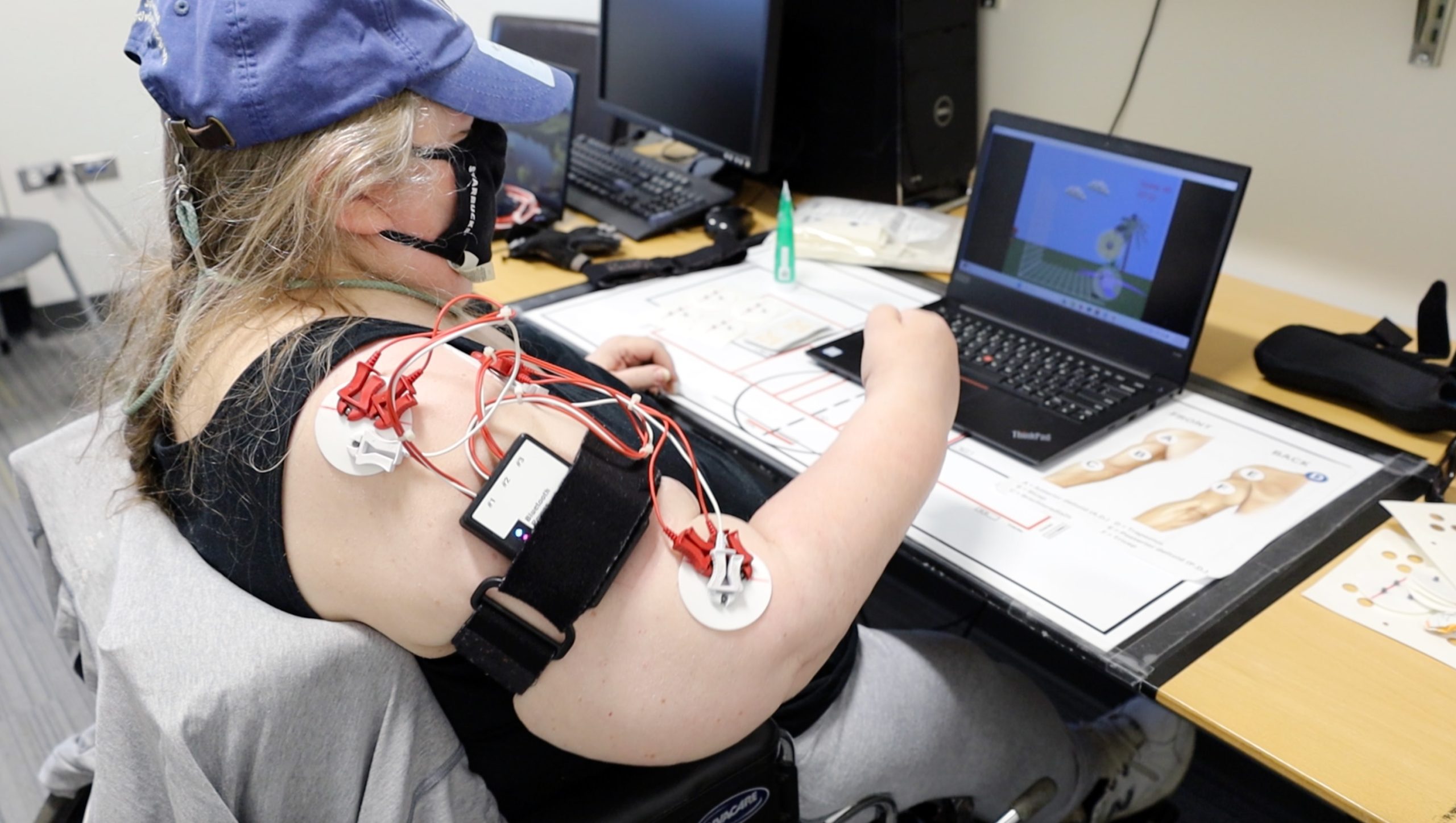
Improving Stroke Care and Innovation
Every 40 seconds, someone in the U.S. has a stroke, according to the Centers for Disease Control and Prevention. Investigators at Feinberg are working from multiple angles of the stroke care pathway, leading to research that may improve recovery after a stroke occurs.
-
Noncoding DNA Regions Drive Development of Neurodevelopmental Disorders
A new study from the laboratory of Gemma Carvill, PhD, has uncovered variants in noncoding regulatory regions of the genome that contribute to the development of neurodevelopmental disorders, findings that could help spearhead the development of more effective precision therapeutic strategies.
-

Nominations Now Open for Northwestern’s 2027 Kimberly Prize
Northwestern University is accepting nominations for its $250,000 Kimberly Prize in Biochemistry and Molecular Genetics. The annual prize will be awarded in 2027. The Prize is the largest biochemistry award offered in the U.S.
-

Northwestern Memorial Hospital Earns U.S. News Honor Roll Recognition for 15th Consecutive Year
For the 15th consecutive year, Northwestern Memorial Hospital has once again been recognized among the nation’s elite hospitals, retaining its prestigious Honor Roll designation in the 2026-2027 U.S. News & World Report Best Hospitals rankings.
-
Exploring Genetic Differences in Parkinson’s Disease by Ancestry
A landmark international study has found that the genetic drivers of Parkinson’s disease can vary dramatically between populations, underscoring the need to include people of various ancestries in genetic research and clinical trials.