Year: 2026
-
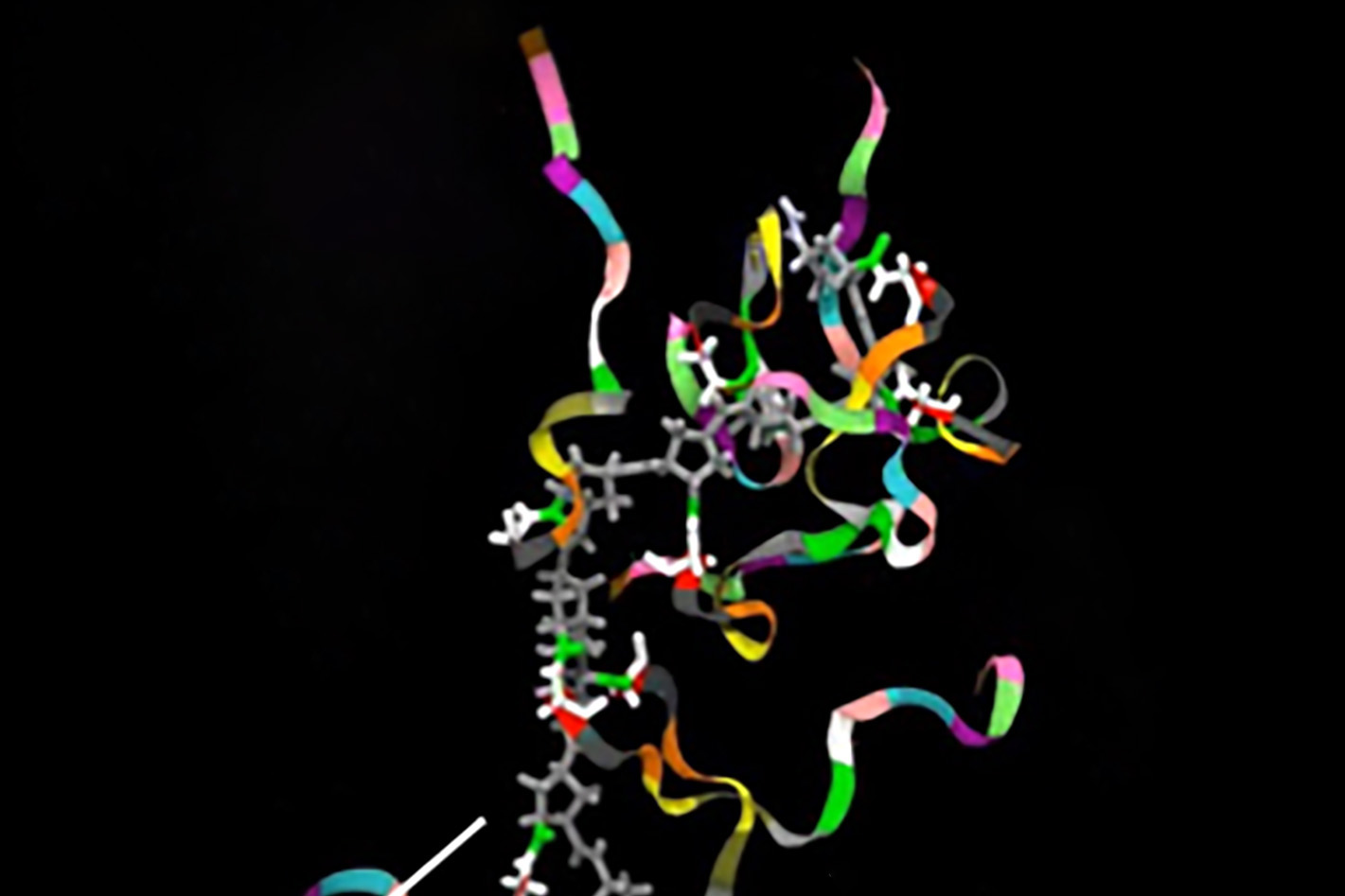
Trashing Cancer’s ‘Undruggable’ Proteins
Northwestern scientists have developed polymers capable of grabbing proteins and directing them to the cell’s waste-disposal machinery, potentially triggering cancer cell death.
-

AI Model Predicts Language Development in Children with Hearing Loss
An advanced machine learning model predicted spoken language outcomes in children who received cochlear implants more accurately than traditional machine learning approaches, according to a recent Northwestern Medicine-led international multi-center study.
-
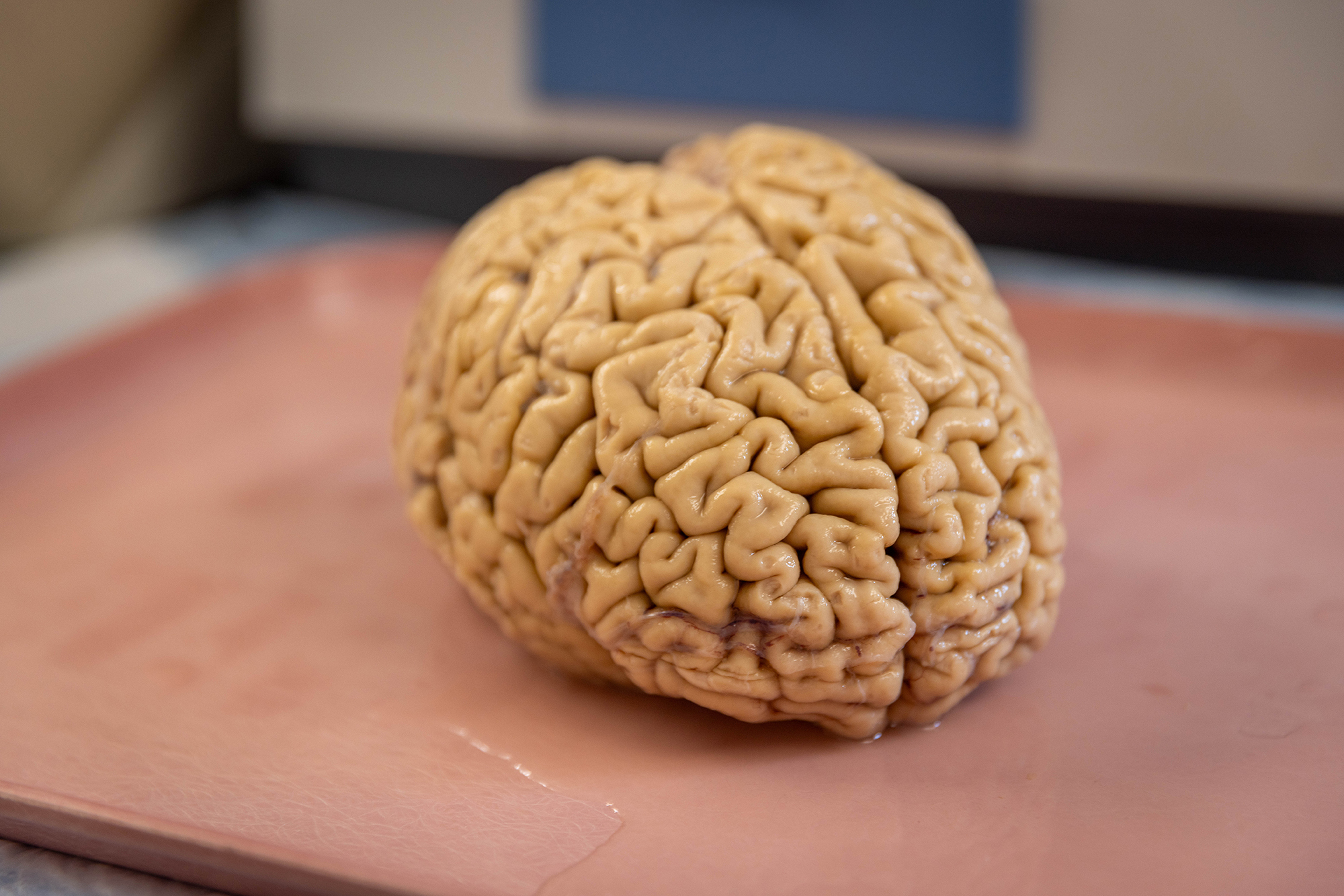
As Superagers Age, They Make at Least Twice as Many New Neurons as Their Peers
New research shows that the brains of “SuperAgers” continue to generate new neurons in the hippocampus at levels far higher than typical older adults, and even much younger individuals.
-
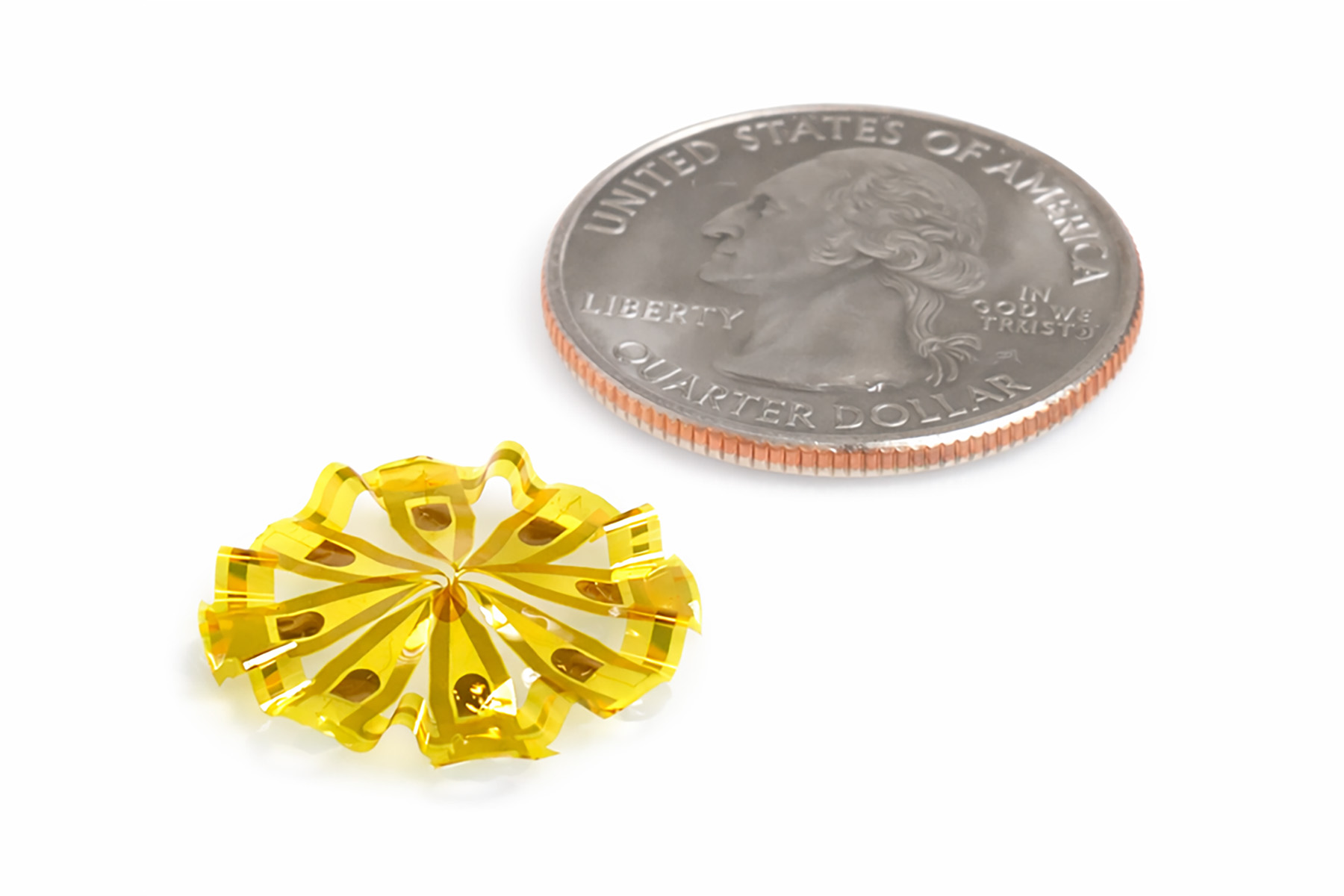
Living ‘Mini Brains’ Meet Next-Generation Bioelectronics
A team led by Northwestern University and Shirley Ryan AbilityLab scientists have developed a new technology that can eavesdrop on the hidden electrical dialogues unfolding inside miniature, lab-grown human brain-like tissues.
-

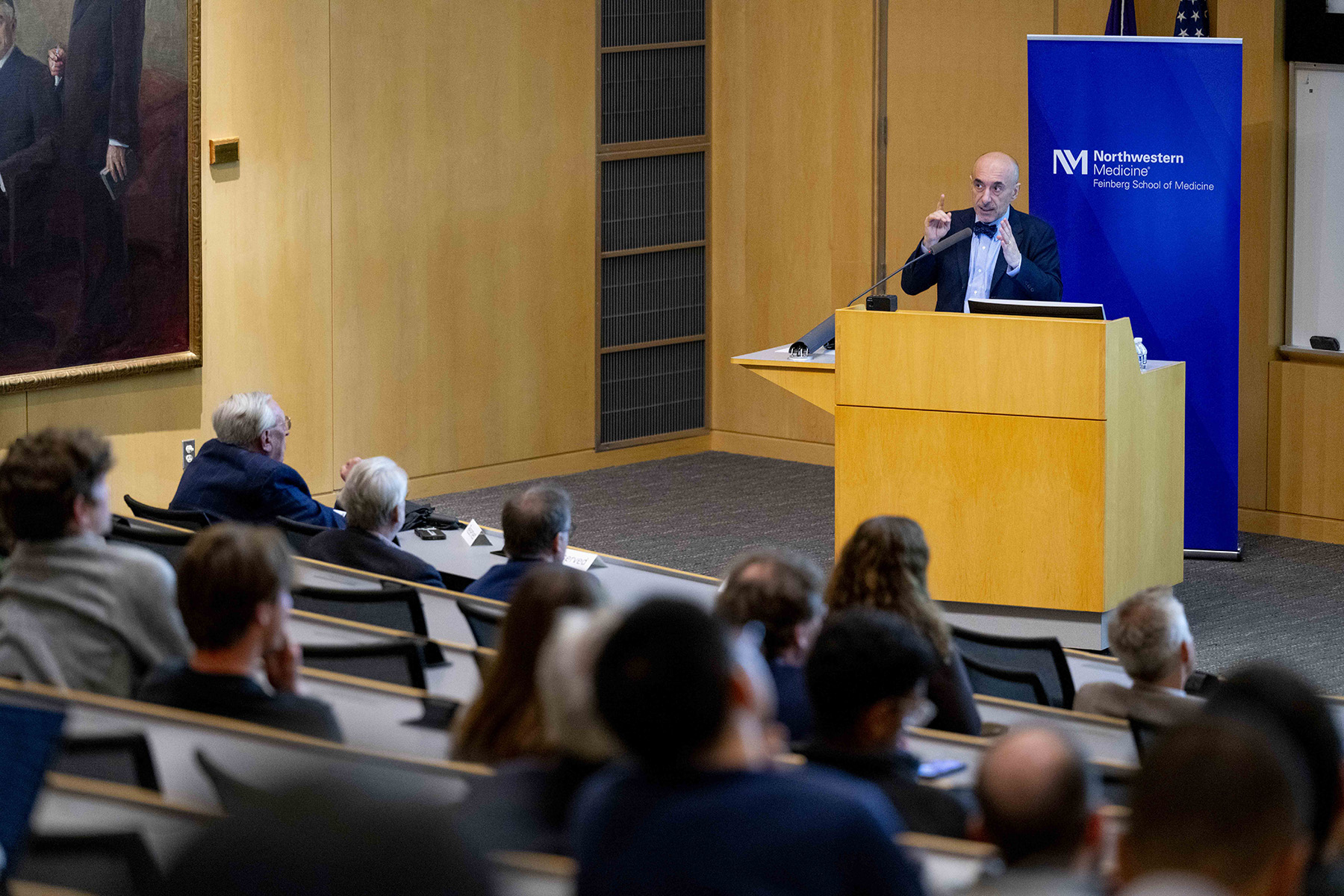
Nobel Laureate and Distinguished Scientist to Speak at 2026 Commencement
Robert J. Lefkowitz, MD, the Chancellor’s Distinguished Professor of Medicine and professor of Biochemistry and Chemistry at Duke University School of Medicine, will address graduates and their guests as the commencement speaker at Feinberg’s 2026 commencement.
-

Study Reveals Why Some Immune Disorders Trigger Severe Food Allergies — and Others Don’t
A new study has shed light on why patients with certain rare immune disorders develop severe, food‑triggered allergic reactions while others with similar diagnoses do not.
-

Inside the Feinberg Curriculum: The MD Program
A new video explores how Feinberg’s approach connects scientific discovery with clinical practice, preparing future physician leaders to advance patient-centered care and improve human health.
-

Targeting STING Pathway Triggers Cytotoxic and Immune Responses Against Meningioma
Northwestern Medicine scientists have discovered a potent immunotherapy approach for treating meningiomas, the most common type of primary brain tumor, according to a recent study published in Nature Communications.
-
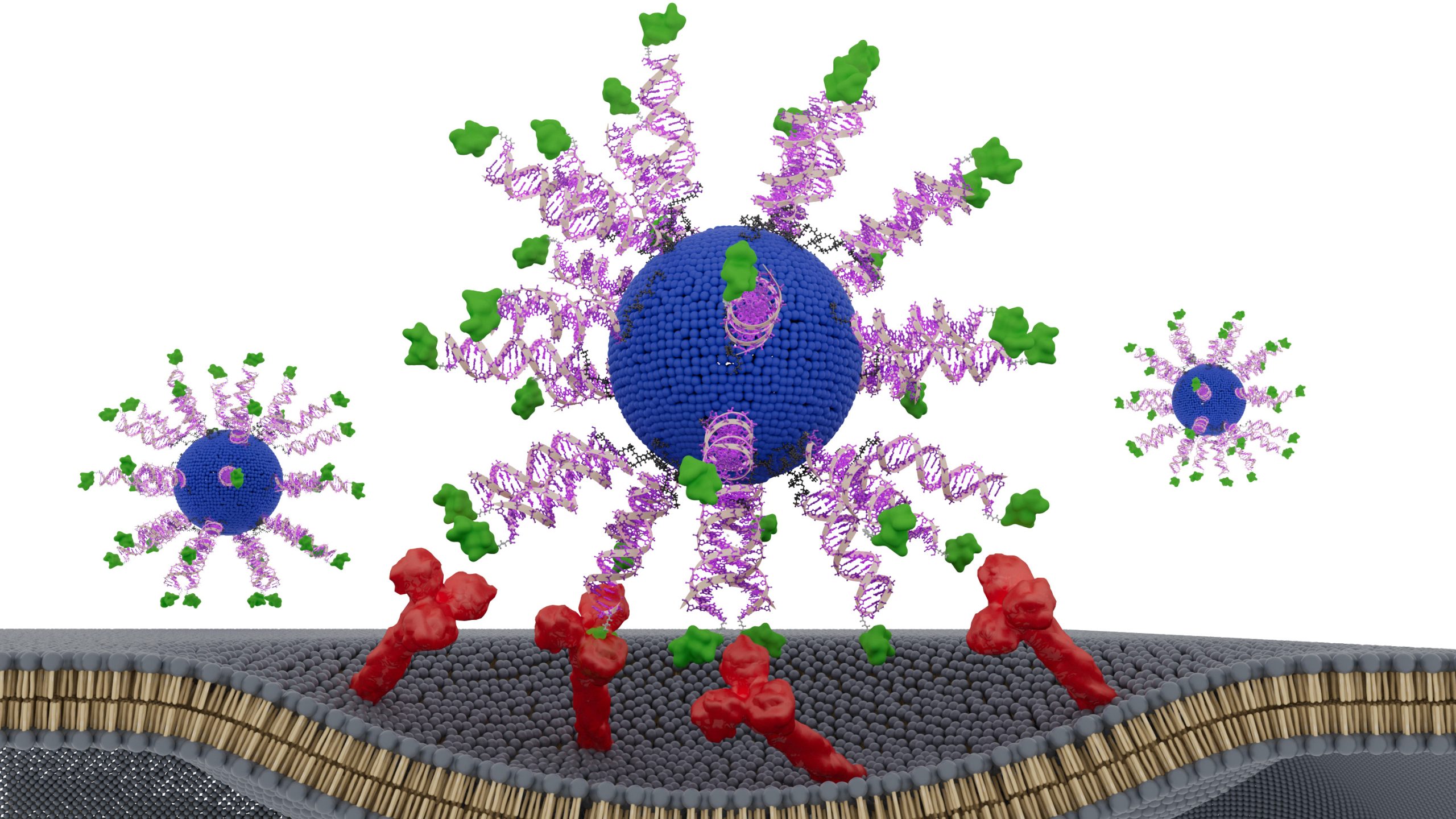
HPV Cancer Vaccine Slows Tumor Growth, Extends Survival in Preclinical Model
Northwestern scientists have discovered that systematically changing the orientation and placement of a single cancer-targeting peptide can lead to drug formulations that supercharge the immune system’s ability to attack tumors.
-

Experimental Stroke Drug Slows Bleeding but Doesn’t Improve Recovery
A global clinical trial has found that recombinant factor VIIa, a drug designed to rapidly slow bleeding in the brain after a hemorrhagic stroke, does not improve long‑term recovery for patients, according to a study published in The Lancet