Tag: Women’s Health
-

Symposium Spotlights Sex Inclusion in Autoimmunity Research
The 2nd Annual Symposium on Sex Inclusion in Biomedical Research, held on the anniversary of the National Institutes of Health’s landmark sex-inclusion policy, highlighted research on sex bias in autoimmune diseases.
-
Drug Regimen Boosts Outcomes for Some Breast Cancer Patients
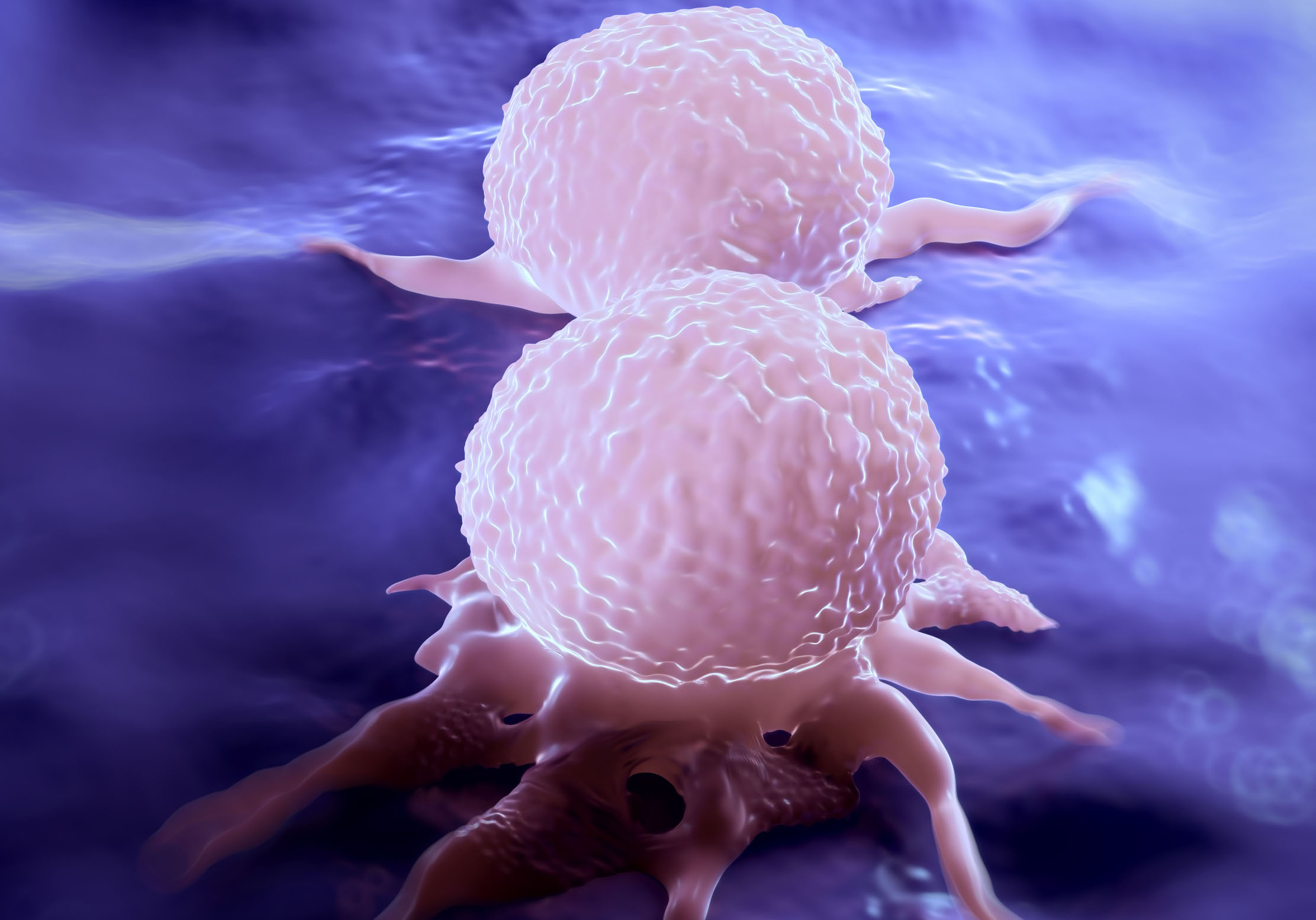
A combination of three therapies was found to provide the greatest benefit to patients with metastatic breast cancer classified as HER2- and hormone receptor-positive, who aren’t candidates for chemotherapy, according to a Northwestern Medicine clinical trial.
-

New Insights Into Protein Reveal Potential Therapy for Breast Cancer
Northwestern Medicine scientists have uncovered new findings about a protein called SET1B, which could offer a novel approach to treating triple-negative breast cancer.
-
Trial Finds No Survival Benefit to Aggressive Breast Cancer Procedure
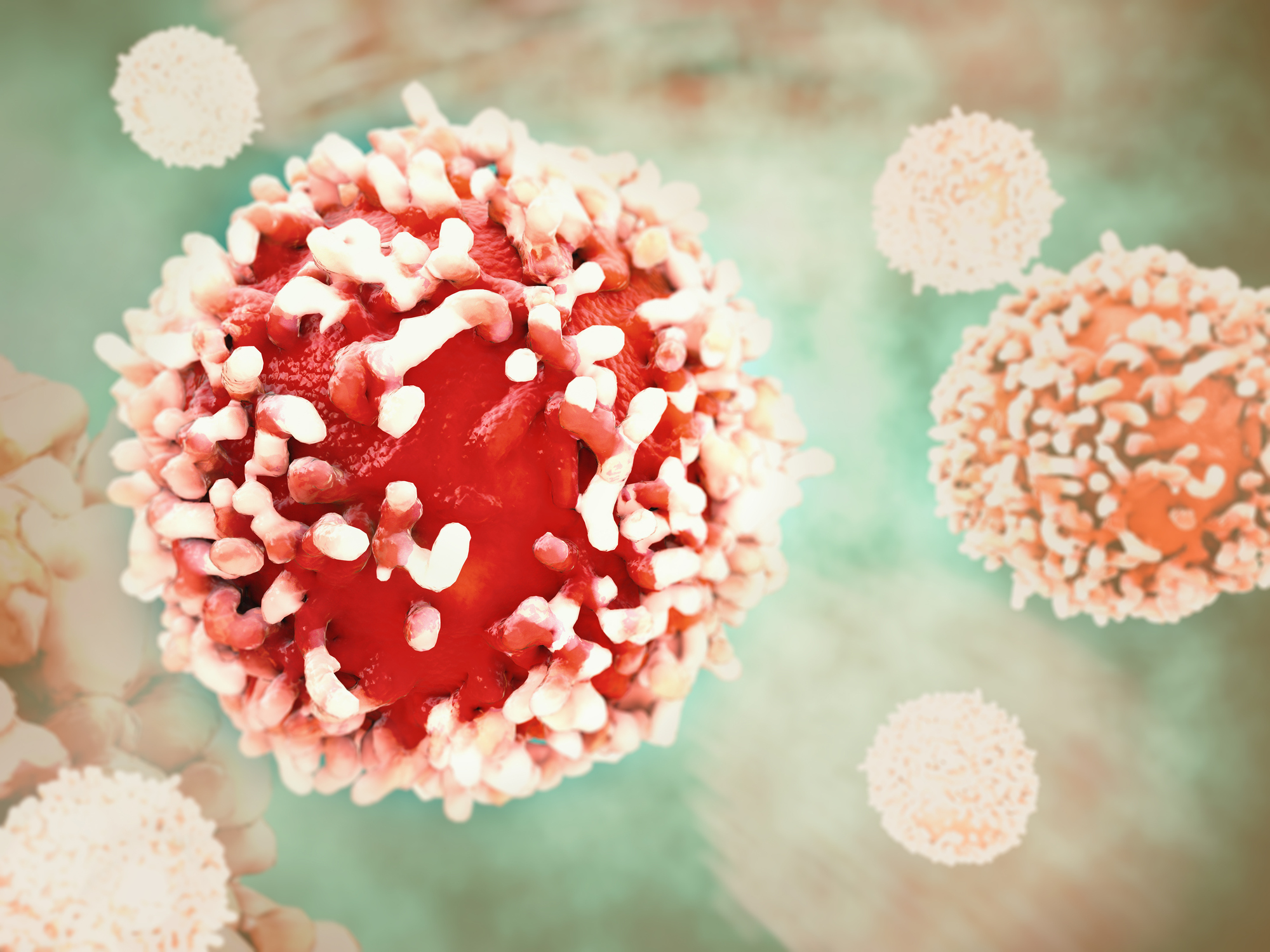
Women with invasive breast cancer who were treated with an aggressive lymph node removal saw no survival benefit compared to those who received a less invasive procedure, according to a new clinical trial.
-

Simon Honored for Contributions to Health Equity, Policy
Melissa Simon, MD, MPH, ’06 GME, the George H. Gardner Professor of Clinical Gynecology, will receive the 2017 Marion Spencer Fay Award in recognition of her contributions to women’s health, health equity and national health policy.
-
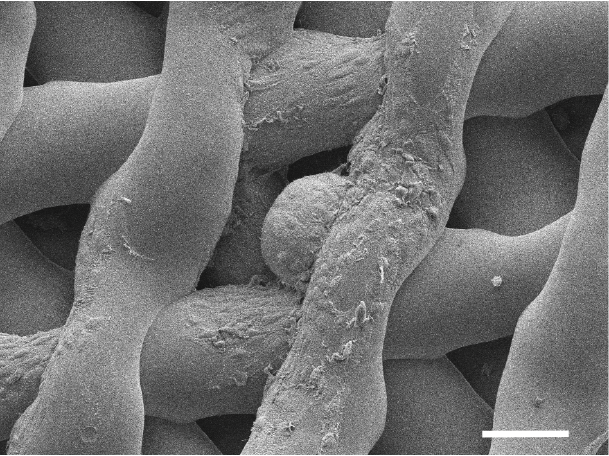
3-D Printed Ovaries Produce Healthy Offspring
Bioprosthetic ovaries produced using 3-D printing allowed otherwise infertile mice to successfully give birth to healthy mouse pups.
-

Woodruff Receives Guggenheim Fellowship
Teresa Woodruff, ’89 PhD, chief of Reproductive Science in Medicine in the Department of Obstetrics and Gynecology, has been named a 2017 Guggenheim Fellow in support of her research into reproductive health.
-

Investigating Quality of Life After Breast Reconstruction
Women who underwent autologous breast reconstruction following a mastectomy reported greater psychosocial and sexual well-being than those who chose implant-based reconstruction, according to a study published in the Journal of Clinical Oncology.
-
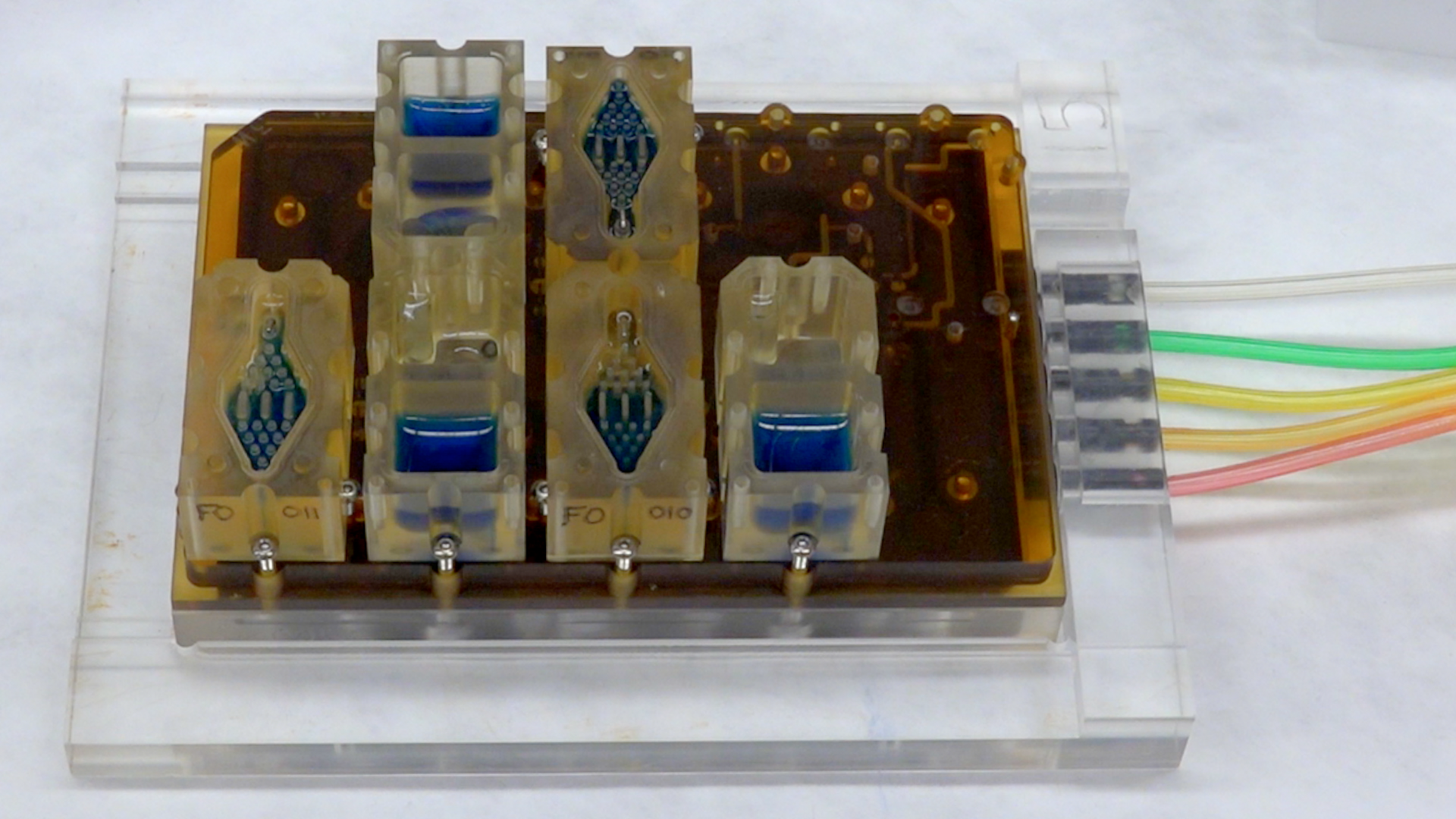
Female Menstrual Cycle in a Dish
Northwestern Medicine scientists have developed a miniature female reproductive tract that could eventually change the future of research and treatment of diseases in women’s reproductive organs.
-

Thyroid Treatment in Pregnancy Does Not Improve Children’s IQ
Treating mild hypothyroidism during pregnancy does not lead to improved cognitive functioning in children through five years of age, according to a recent study in the New England Journal of Medicine.