Tag: Research
-

NUCATS and NICO Symposium Sparks Interdisciplinary Collaboration
Recently, the Symposium to Empower High-Priority Research Collaborations, organized by the Northwestern University Clinical and Translational Sciences Institute and the Northwestern Institute on Complex Systems, focused on addressing critical challenges in human health and disease through team-based approaches.
-

Study Uncovers Potential Gene Therapy for Late-Stage Parkinson’s Side-Effects
Northwestern Medicine scientists have discovered that suppressing excitatory synaptic transmission in a small group of neurons in the brain may reverse levodopa-induced dyskinesia in patients with late-stage Parkinson’s disease without reducing the symptomatic benefits of levodopa treatment, according to a recent study published in Neuron.
-
Alzheimer Day Highlights Research Advances and Community Engagement
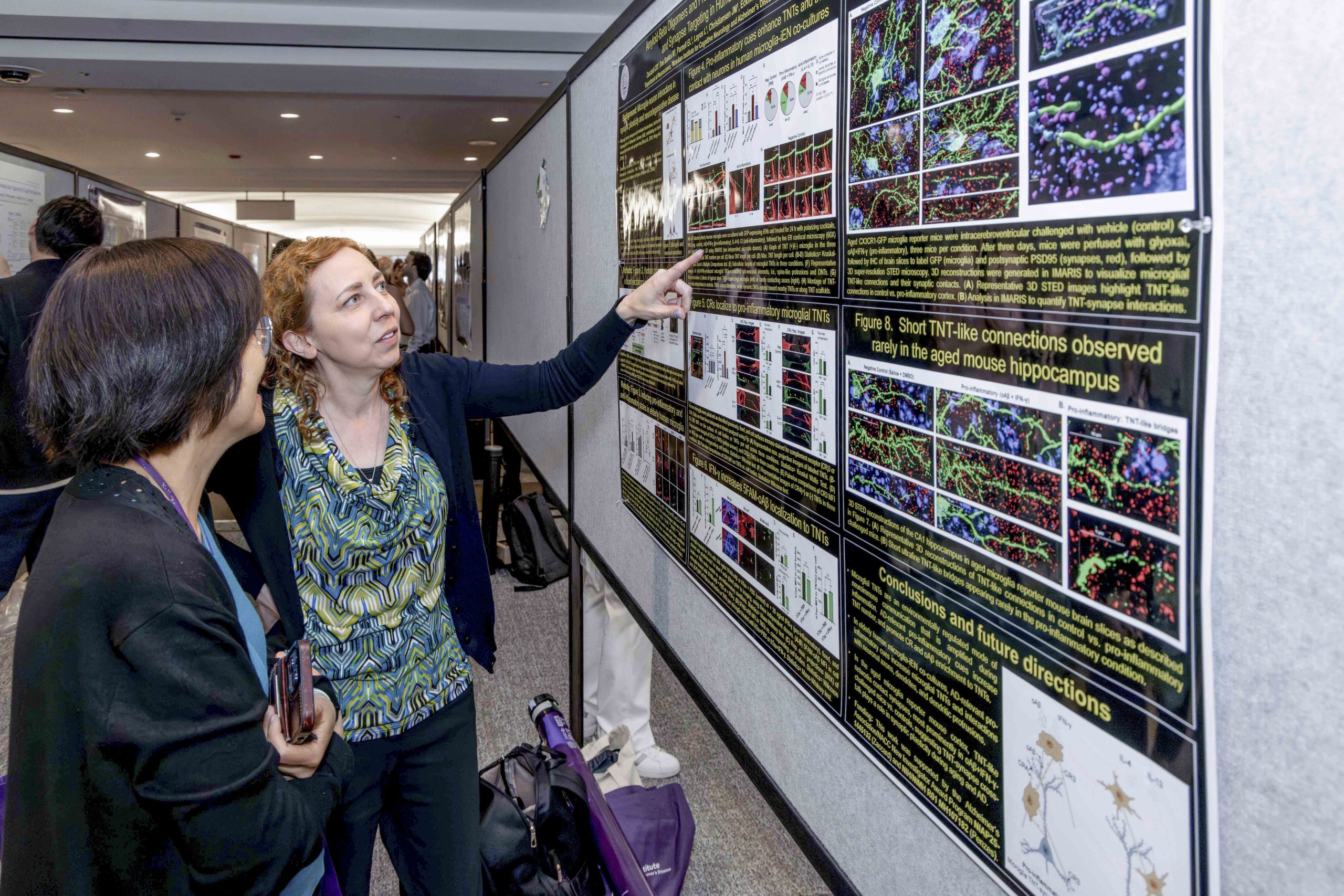
Faculty, clinicians, investigators and community members gathered on May 19 for Alzheimer Day, an annual conference dedicated to advancing understanding of dementia and connecting cutting-edge research with patients and families.
-

Asthma Drug Improves Treatment of Aggressive Cancers in Preclinical Studies
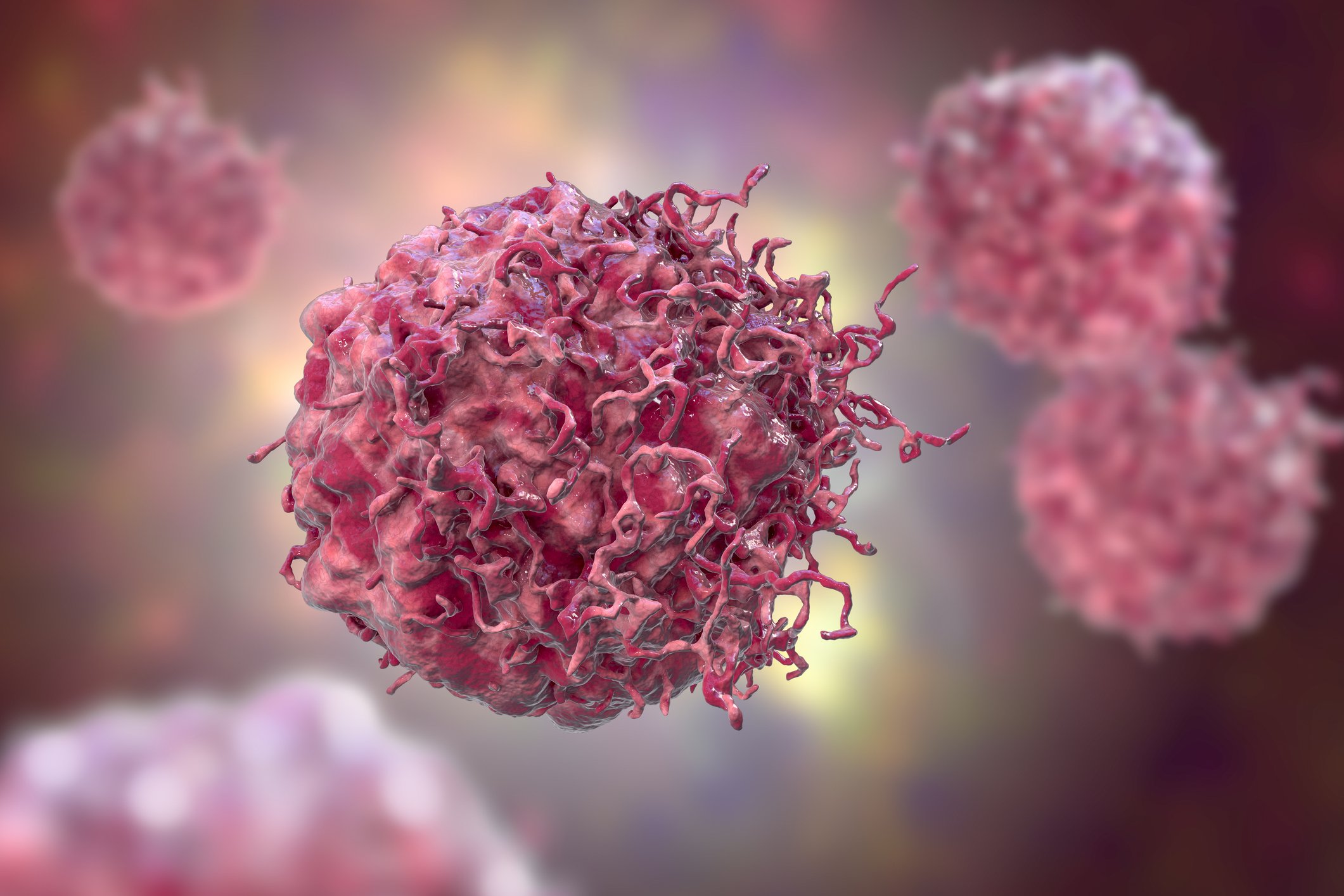
A drug widely used to treat asthma and allergies may also help fight aggressive cancers, reports a new Northwestern Medicine study that uncovered how tumors hijack common white blood cells to evade immunotherapy.
-

Wearable Polygraph Detects Hidden Stress
Northwestern University engineers have developed a small, wireless polygraph system you can wear, designed to sense underlying stress hidden deep within the body.
-

‘Toxic’ Molecule Plays Vital Role in Gene Regulation and Development
A molecule once thought to be a harmful metabolic byproduct may play a crucial role in early development and gene regulation, according to a new study published in Nature that challenges decades of biochemical assumptions.
-

Policing Plagiarism of Ideas in Generative AI-Assisted Research Writing
A new publication argues that AI-assisted plagiarism in manuscript writing harms the research environment by eroding trust among scientists, misrepresenting the origin and authenticity of scholarly work, and discouraging innovation and original inquiry.
-
Linking Lysosomal Dysfunction to Severe Neurological Disorders
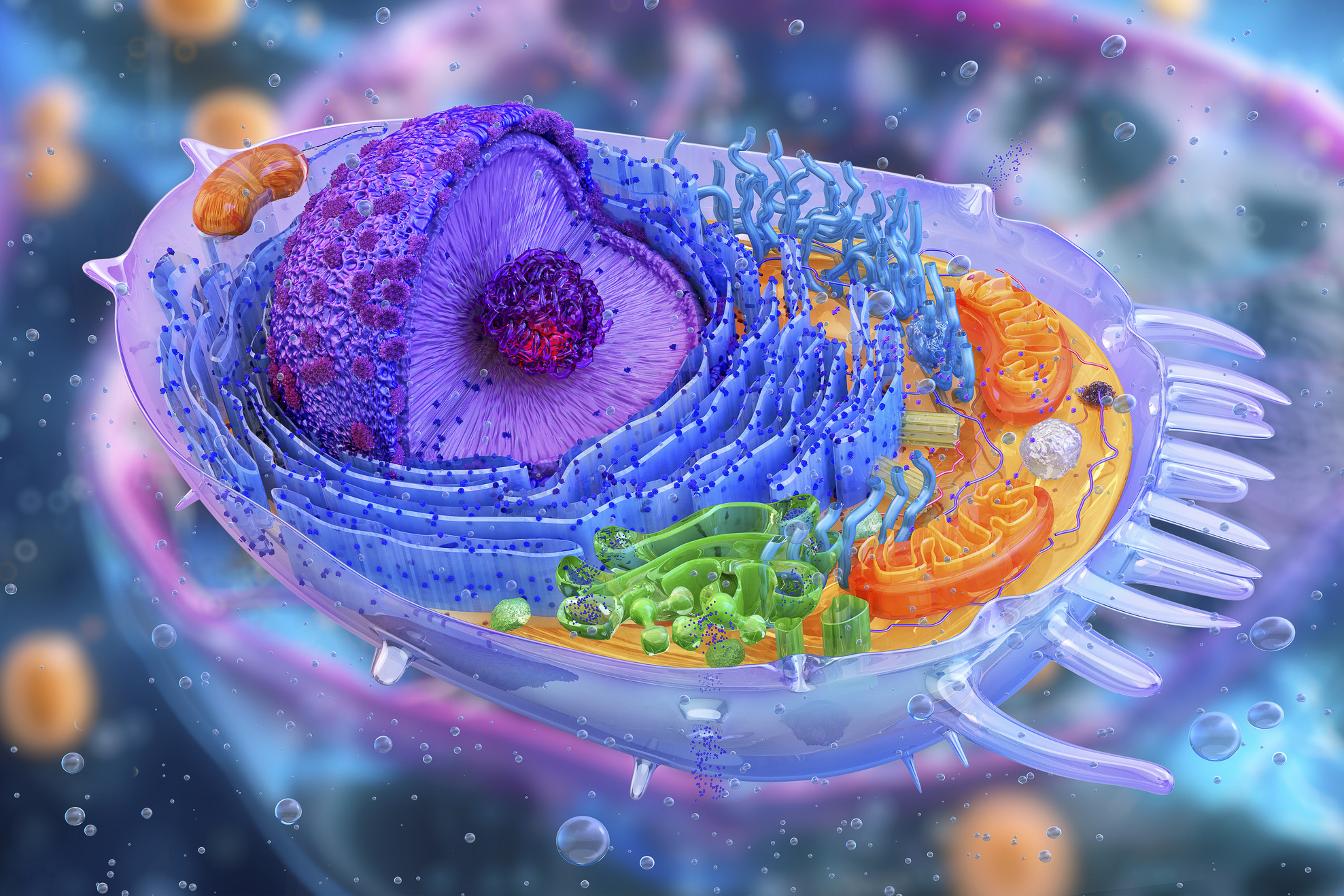
A new study has identified mutations in a single gene as the cause of a previously unrecognized spectrum of severe neurological disorders, according to a study published in the Journal of Clinical Investigation.
-

New Experimental Method Reveals Protein Energy Landscapes on Larger Scale
Northwestern Medicine scientists have developed a new experimental method to analyze conformational fluctuations in protein domains on a uniquely large scale, which may improve data-driven modeling, biology and protein engineering, as detailed in a recent study published in Nature.
-
Spatial Transcriptomics Guides Inflammatory Bowel Disease Research
A novel spatial transcriptomics atlas developed by Northwestern Medicine scientists may improve the understanding of niche cellular interactions in the gastrointestinal tract that promote the development of inflammatory bowel diseases, as detailed in a recent study published in Nature Communications.