Tag: Research
-

Immune Cell Circuit Restores Barrier Function in IBD
Scientists have discovered a new communication circuit between immune cells in the intestines, a potential therapeutic target to improve inflammatory bowel disease outcomes, according to a recent study published in the Proceedings of the National Academy of Sciences.
-

Expanding the Evidence for Behavioral Interventions in Gastroenterology
The Division of Gastroenterology and Hepatology at Feinberg has a distinct strength in understanding how behavior and lifestyle influence gastrointestinal (GI) health. The Division conducts research aimed at improving treatments for disorders of the digestive tract and related organs.
-
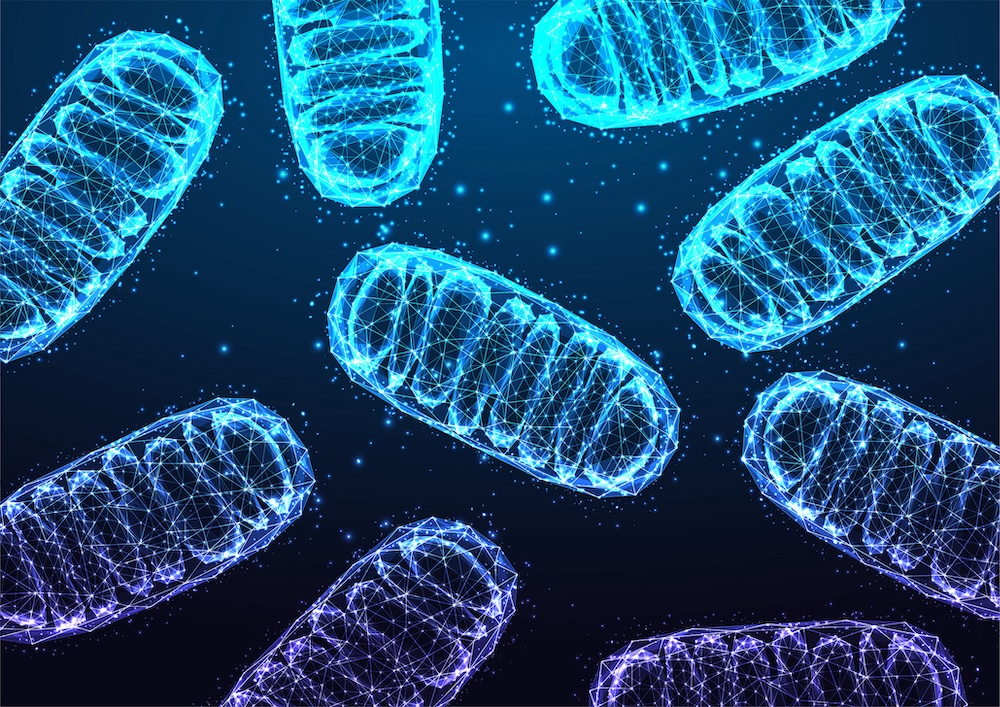
Exploring Intracellular Communication to Understand Neurodegeneration
Investigators have uncovered a new communication pathway between mitochondria and RNA granules that may improve the understanding of how the toxic buildup of the TDP-43 protein leads to the development of certain neurodegenerative diseases, according to a recent study published in Nature Communications.
-
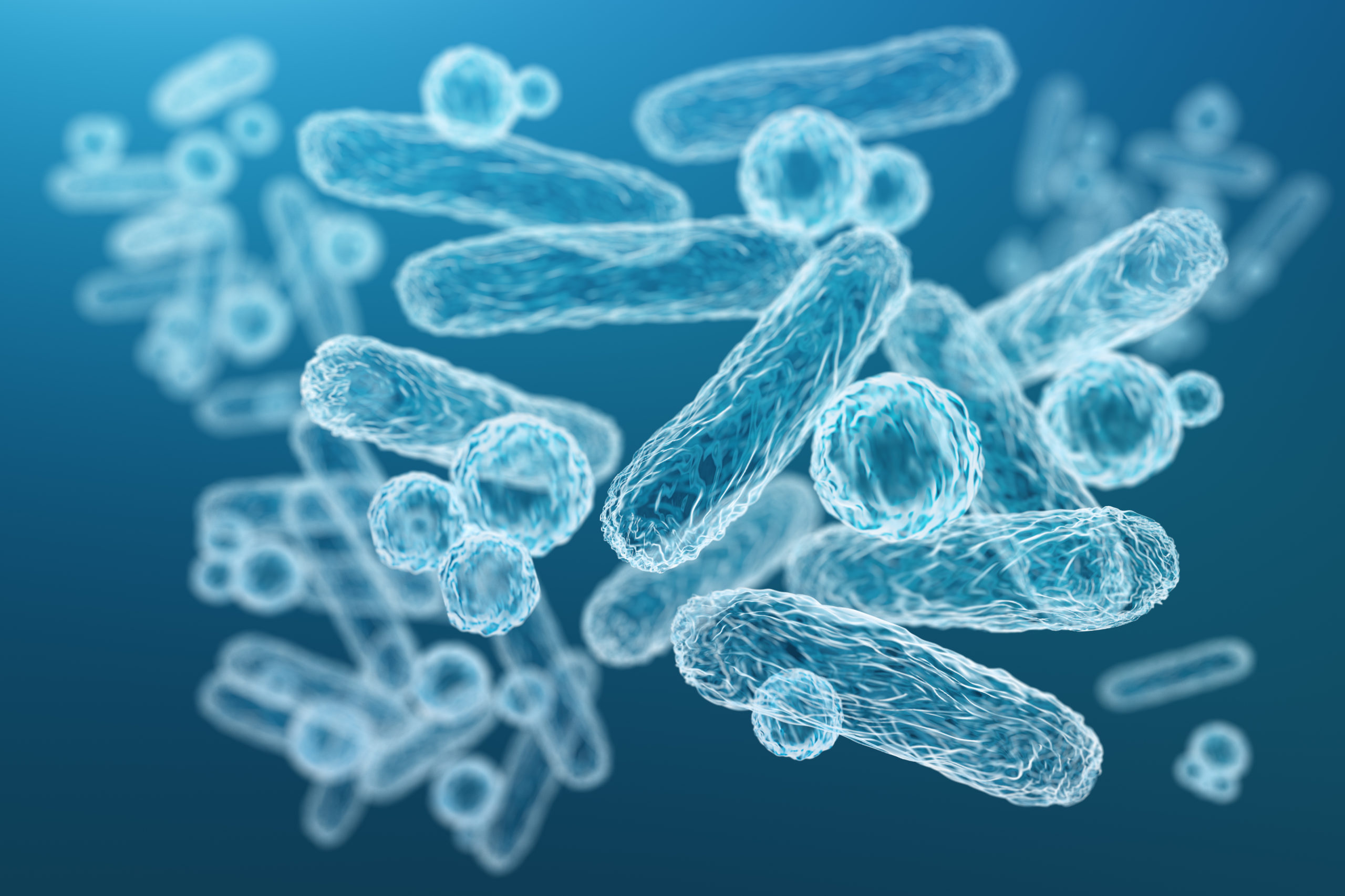
Bacteria ‘Rewire’ Epithelial Cells and Drive Disease in the Gut
A bacterial pathogen that causes colitis and colorectal cancer creates a nutrient-rich niche and “rewires” epithelial cell signaling in the inflamed gut, which promotes bacterial colonization and disease, mechanisms that may be promising therapeutic targets, according to a recent study published in the journal Cell.
-
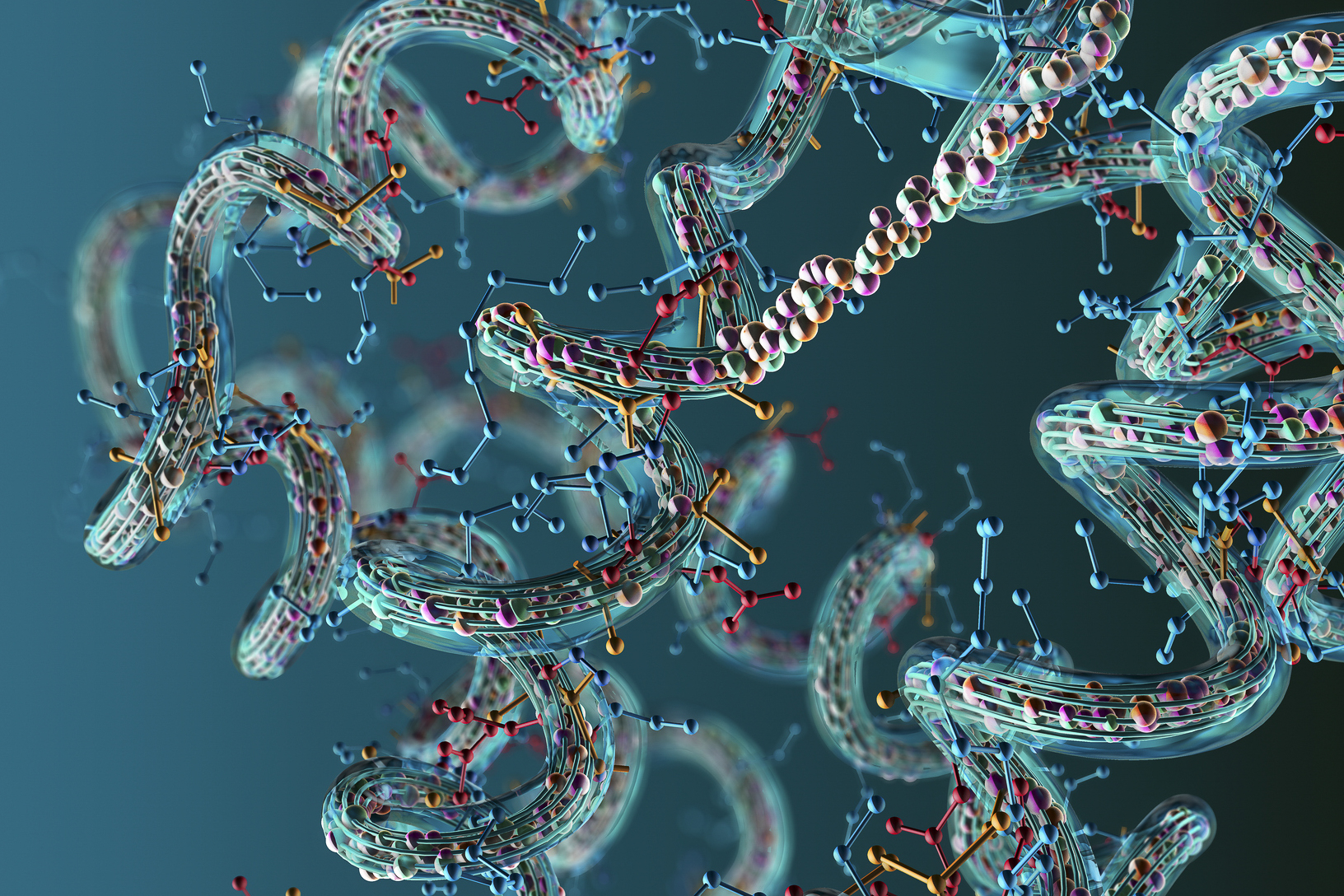
Physiological Factors Reshape How Drugs and Proteins Interact
A new Northwestern Medicine study has demonstrated that proteins studied in simplified laboratory conditions don’t behave the same way in the human body, according to the study published in Nature Structural and Molecular Biology.
-
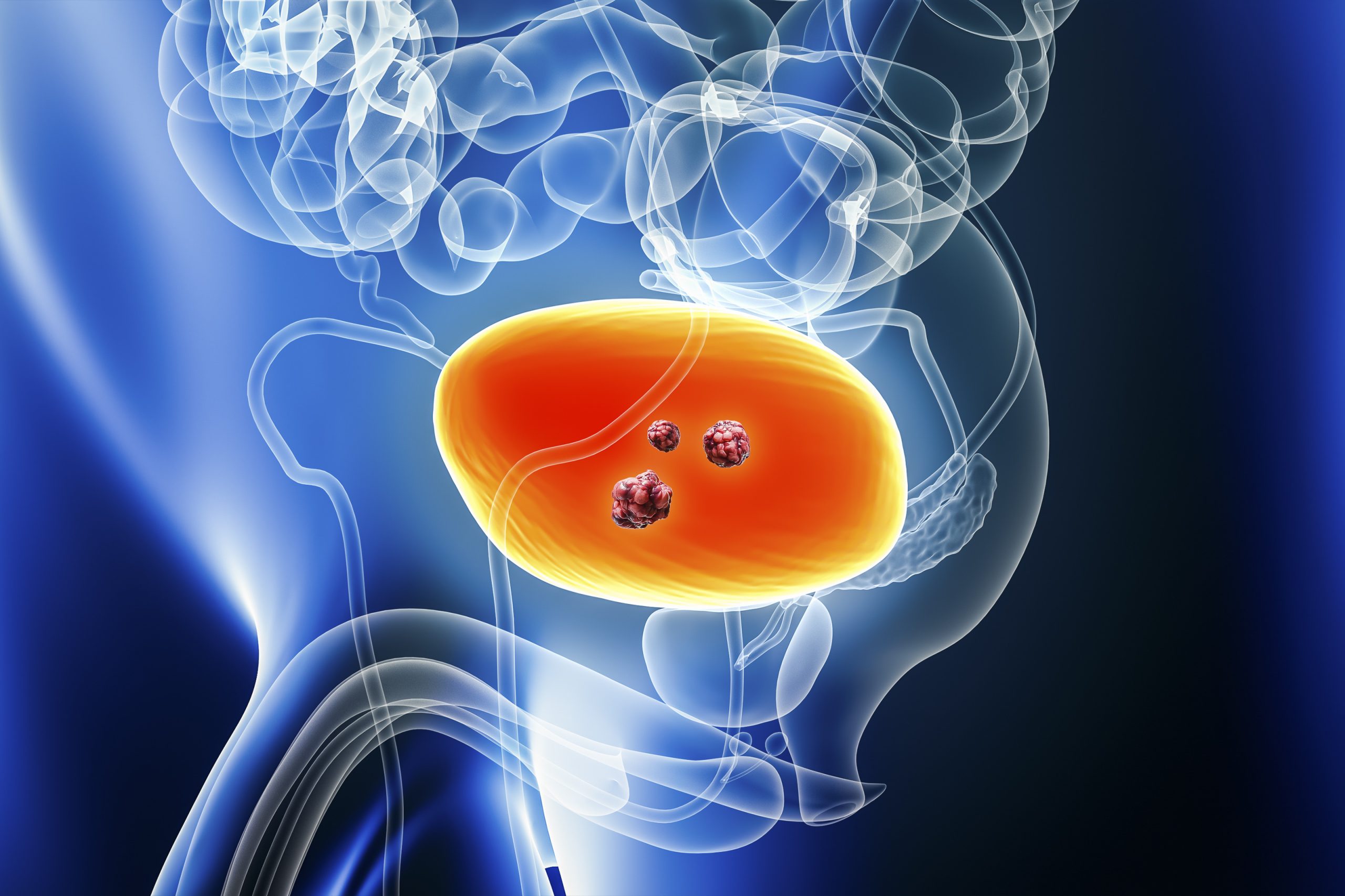
Immune Biomarkers May Predict Response to Bladder Cancer Treatment
A Northwestern Medicine study has offered new clues as to why immunotherapy works well for some bladder cancer patients but fails for others, according to a study published in the Journal of Clinical Investigation.
-
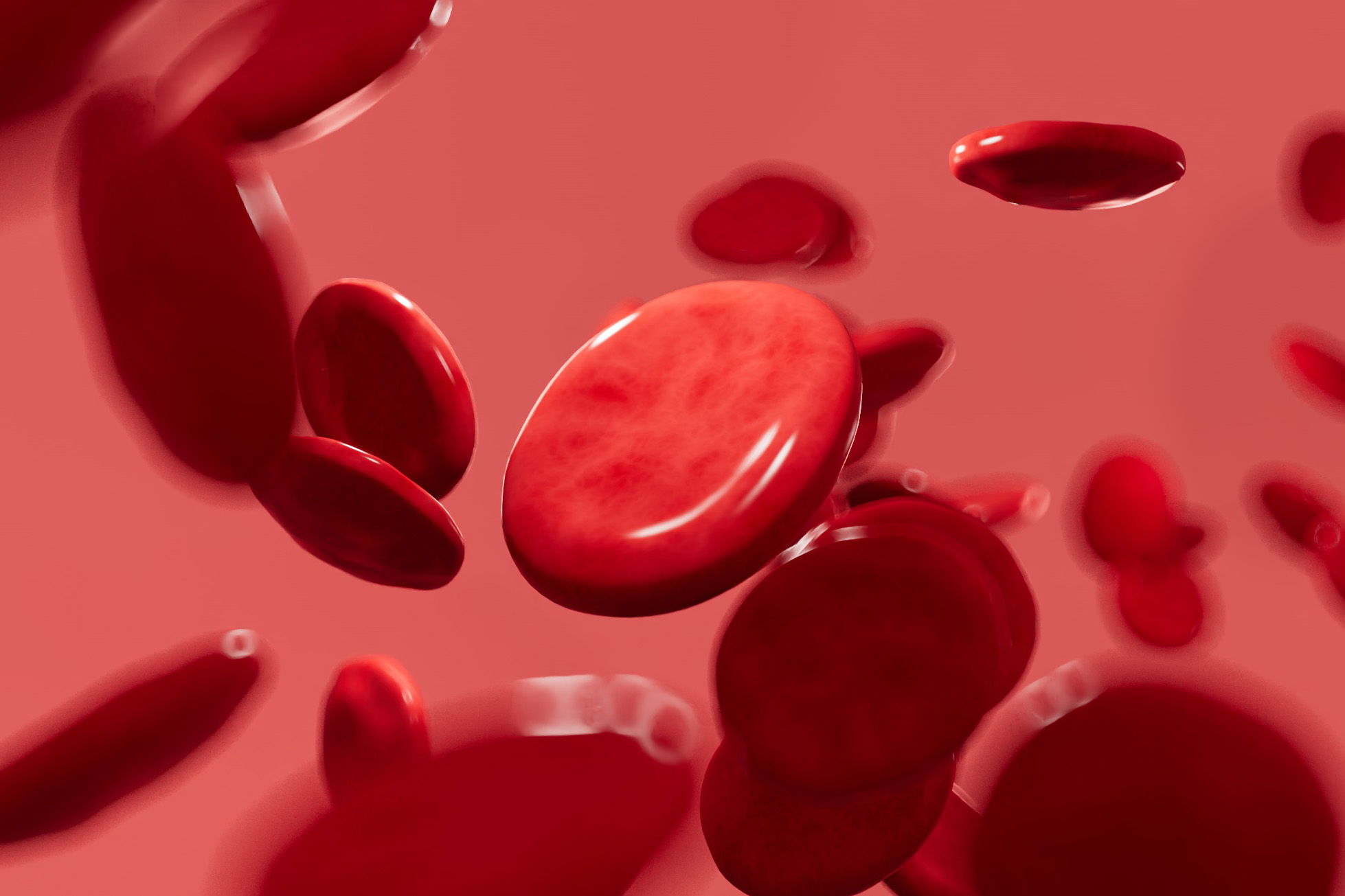
Hormone Impacts Red Blood Cell Production in Anemia
Northwestern Medicine scientists have discovered that the hormone FGF23 reduces the production of red blood cells and may contribute to the development of anemia of chronic kidney disease, according to a recent study published in Blood.
-

Blood Test May Predict Immunotherapy Response in Head and Neck Cancer
A new Northwestern Medicine study suggests that a simple blood test could help identify which patients with head and neck cancer are most likely to benefit from immunotherapy, according to a study published in the Journal of Clinical Investigation.
-
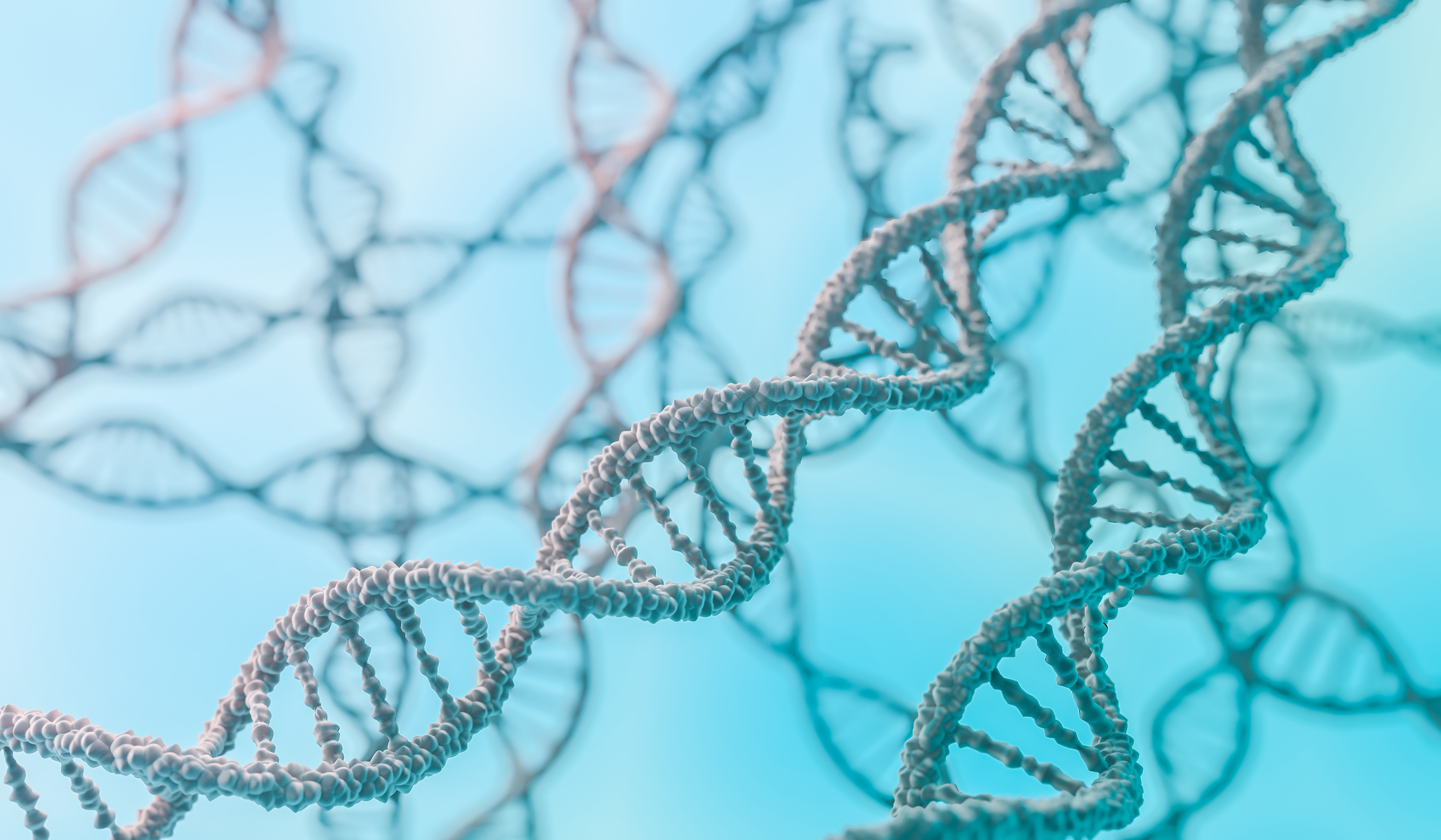
Overlooked DNA Structures Help Organize the Genome
Northwestern Medicine scientists have discovered that little-studied DNA structures play a central role in organizing the human genome and controlling gene activity, according to a new study published in the Proceedings of the National Academy of Sciences.
-
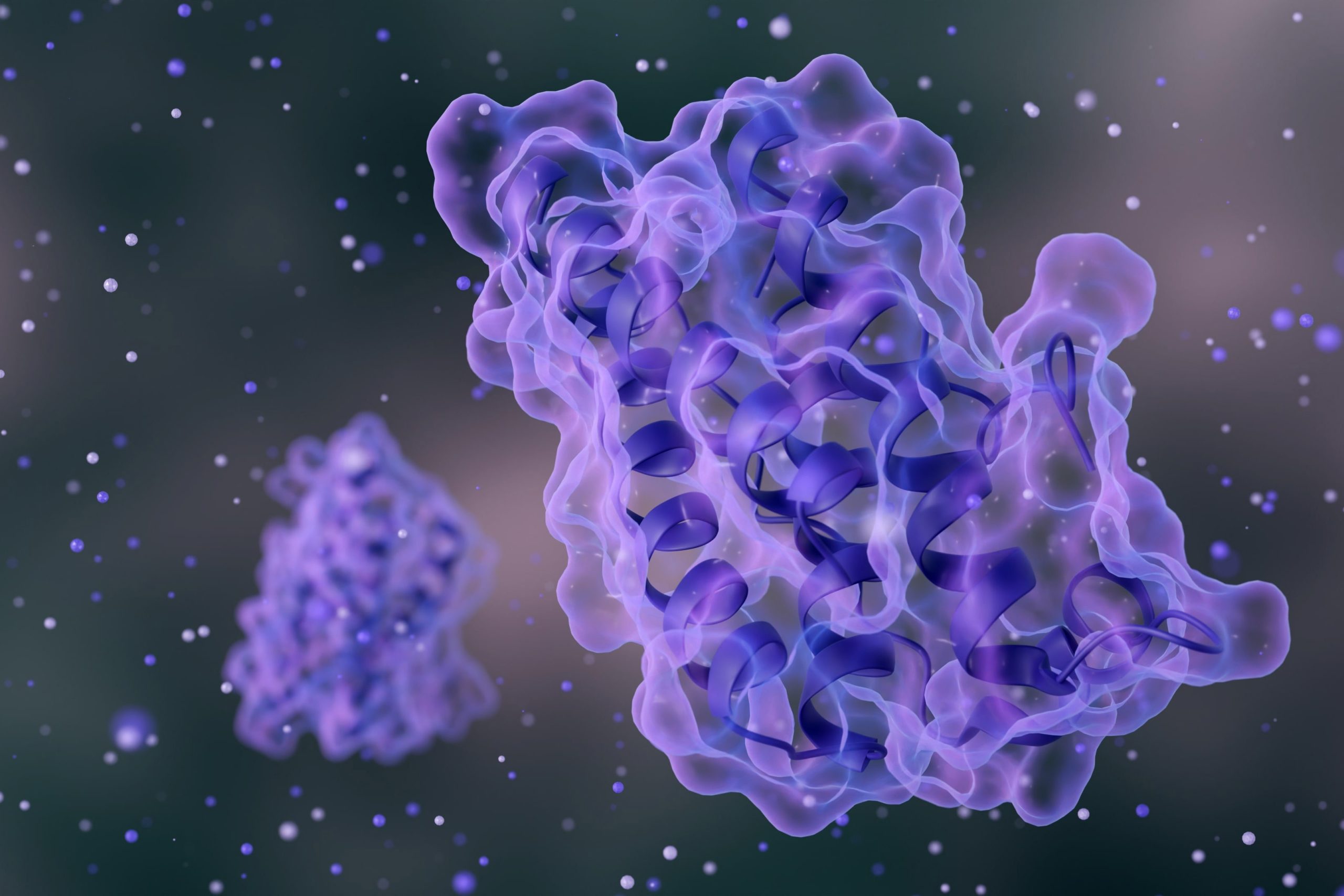
Novel Synthetic Biomolecule Degrades Disease-Related Proteins
Northwestern Medicine scientists have developed a novel synthetic biomolecular condensate that can target and degrade intracellular disease-causing proteins, providing a framework for new therapeutic approaches for a wide range of diseases, as detailed in a recent study.