Tag: Preventive Medicine
-

Student Investigates Childhood Trauma’s Effect on Cardiovascular Risk
Jacob Pierce, a third-year student in Northwestern’s MD/MPH Combined Degree Program, is the first author of a study that found adverse childhood experiences significantly increase the risk for heart attack and stroke later in life.
-

$13.5 Million Grant Supports the Creation of App-Based Cognitive Assessments
Northwestern was recently awarded a five-year, $13.5 million grant from the National Institutes of Health to create a platform of app-based tools, called the MobileToolbox, to remotely assess cognitive function.
-

High Blood Pressure Before Age 40 Linked to Heart Disease
Adults who develop high blood pressure before the age of 40 are at a significantly higher risk for cardiovascular events later in life, according to a Northwestern Medicine study.
-

Genetic Variants in Caffeine Perception
The more sensitive a person is to the bitter taste of caffeine, the more coffee they tend to drink, according to a new study.
-
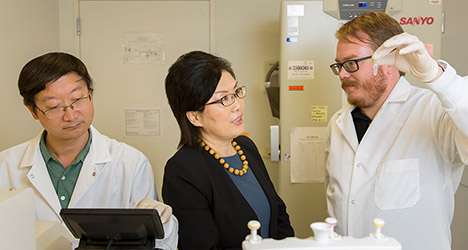
Clues in Our Chromosomes
Understanding environmental factors helps scientists like cancer epidemiologist Lifang Hou, MD, PhD, chief of Cancer Epidemiology and Prevention in the Department of Preventive Medicine, detect the disease earlier.
-

Coffee Consumption Linked to Lower Risk of Death
Drinking coffee is associated with a lower risk of death, according to a large study published in JAMA Internal Medicine.
-

Smoke-Free Policies Linked to Lower Heart Disease Risk
Laws banning smoking at workplaces and other public places are associated with a significantly lower risk of cardiovascular disease, according to a new study.
-
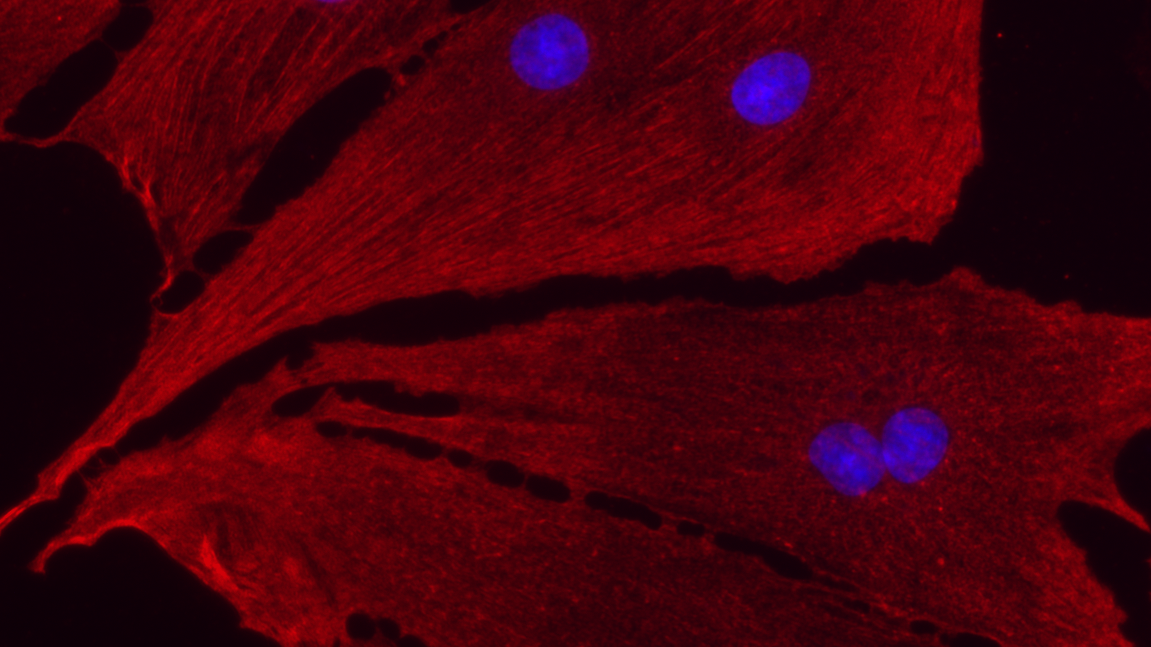
Taking the Lead in Cardiovascular Disease Research
Northwestern Medicine investigators are developing better treatments and care for patients with the most prevalent of diseases. Read the feature in Northwestern Medicine magazine.
-

Feinberg’s Home for Public Health
Within the Institute for Public Health and Medicine (IPHAM), investigators collaborate at the intersection of public health and medicine — connecting clinics to communities and accelerating innovations that impact the health of both patients and populations.
-
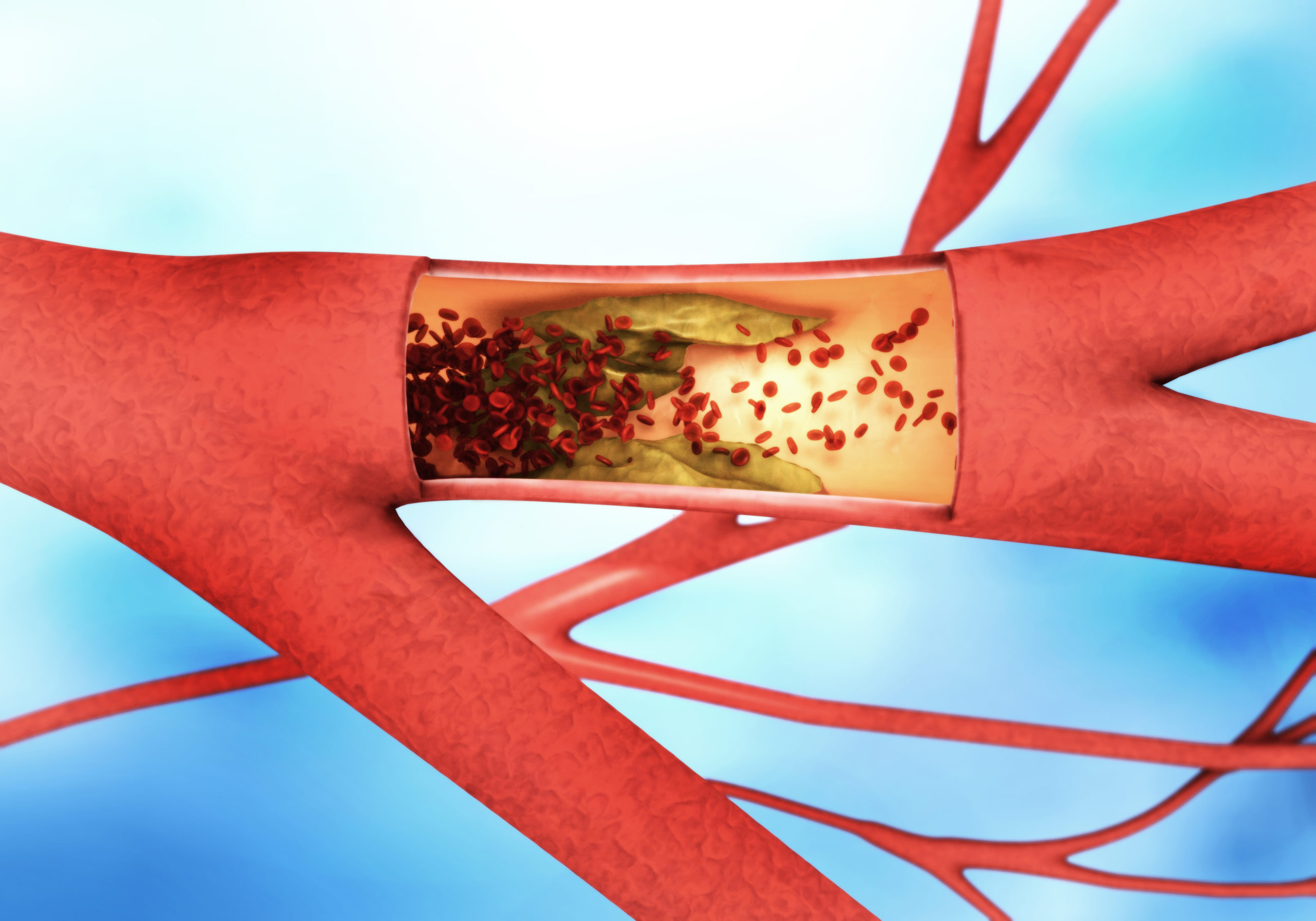
A Wearable Device Intervention to Increase Exercise in Peripheral Artery Disease
A home-based exercise program, consisting of wearables and telephone coaching, did not improve walking endurance for patients with peripheral artery disease, according to a study published in JAMA.