Tag: Cancer
-
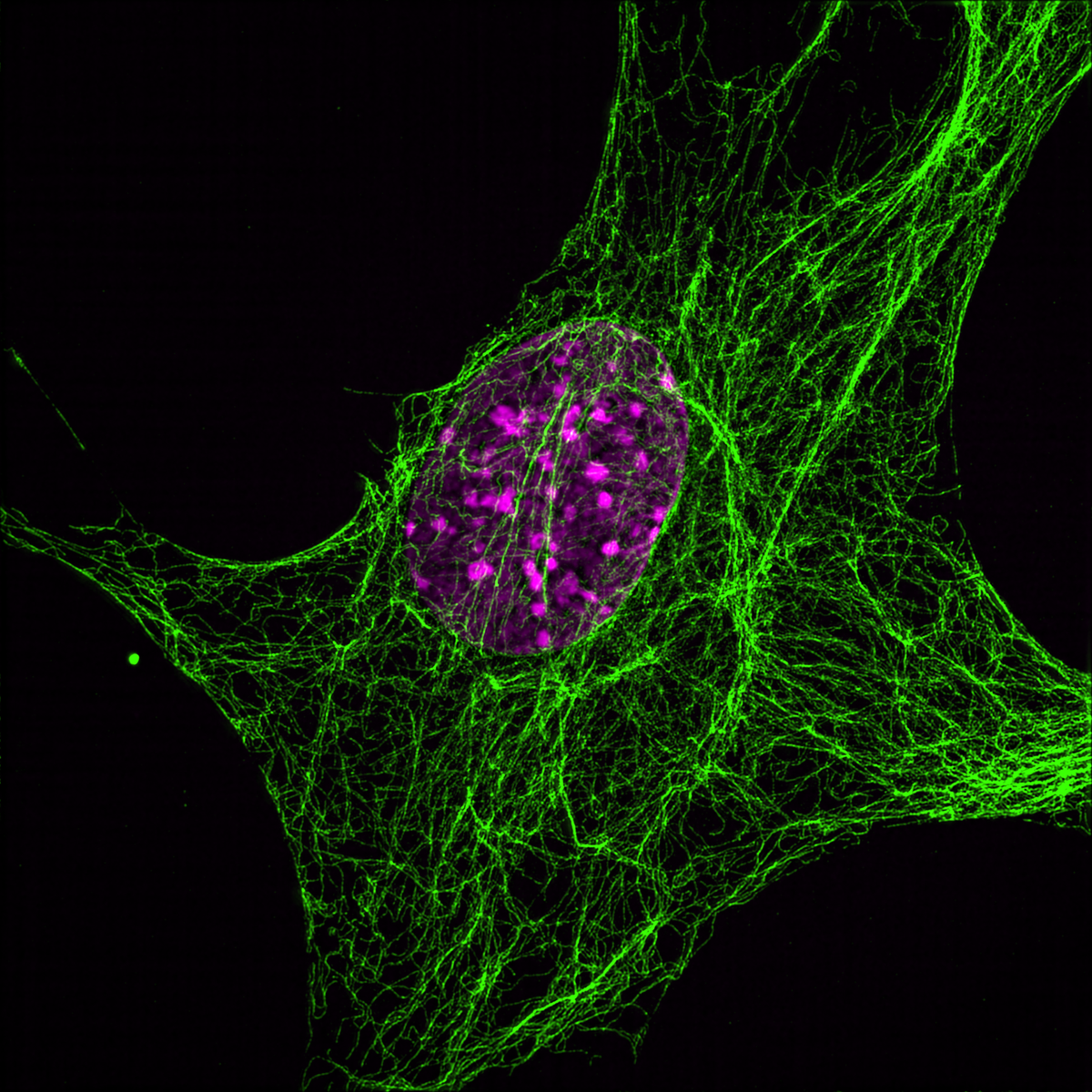
Protein Protects Nucleus from Rupture
A cytoskeletal protein called vimentin helps prevent the nuclei of cells that must navigate through tight spaces in the body from rupturing, according to a recent study.
-

Dangerous Skin Tumor Now Has Treatment Guidelines
A Northwestern Medicine study reports the first guidelines for treating sebaceous carcinoma, a cancer of the oil glands diagnosed in thousands of patients every year.
-

Hidden Data in ‘Junk DNA’ May Predict Cancer
A new machine-learning tool demonstrates the clinical potential of ‘junk DNA’ methylation in hepatitis C-associated liver cancer patients without the need for expensive testing.
-

Combination Treatment Beats Chemotherapy in Breast Cancer
A new review has found that a combination of endocrine inhibitors and hormone therapy is more effective in prolonging progression-free survival for advanced breast cancer patients, as compared to chemotherapy.
-

New Molecule Blocks ‘Undruggable’ Cancer Protein
Northwestern Medicine scientists have created a small molecule that reduces expression of MYC, a cancer-causing protein involved in a wide variety of cancers.
-
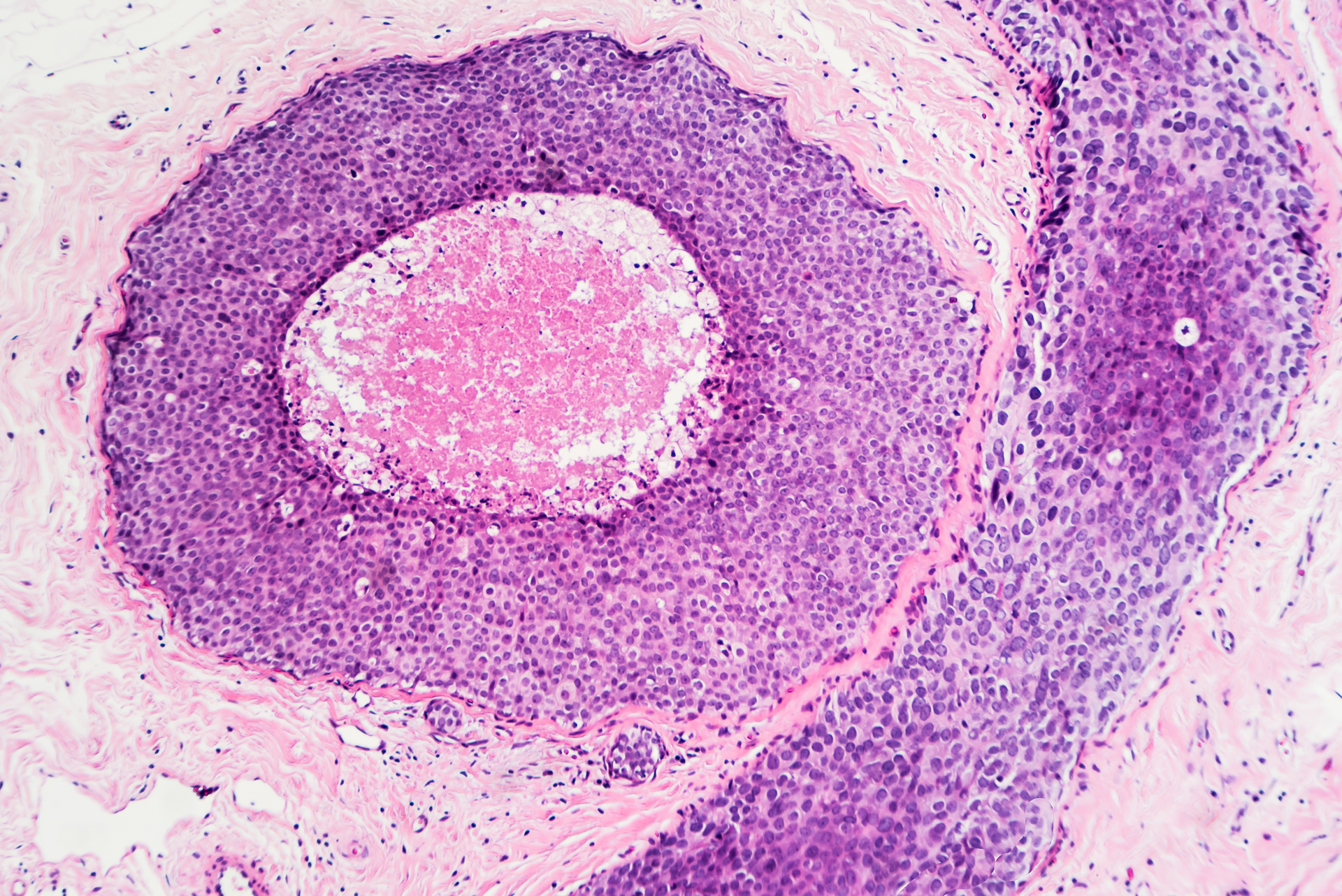
Overexpression of Enzyme Increases Risk of Treatment Failure in Breast Cancer
The overexpression of mitochondrial superoxide dismutase, commonly found in late-stage tumors, may drive cancer stem cell formation and contribute to the failure of chemotherapy treatment in breast cancer patients.
-

Experimental Drug May Reduce Cancer Growth and Progression
Scientists co-led by Sui Huang, MD, PhD, found an experimental drug called metarrestin significantly reduced metastasis and cancer progression in mouse models.
-

Northwestern and Cell Press Symposium Highlights Transcriptional Regulation
Northwestern and Cell Press hosted a symposium on transcriptional regulation, welcoming more than 350 attendees from around the world.
-

Excess Folate Returns Glial Cells to their Stem Cell Roots
High levels of folate, a B vitamin, can force glial nerve cells to transform back into undifferentiated stem cells, according to a new study published in the journal Stem Cells.
-
Revolutionary Simple Blood Tests for Diabetic Complications, Cancer
A revolutionary new approach that analyzes a tiny sample of blood, can detect life-threatening vascular complications in diabetic patients earlier and more accurately than traditional tests.