Tag: Cancer
-
Revising Theory of Cancer-Induced Immune Suppression
Many cancers produce an enzyme called IDO that suppresses immune system activity, but the long-held hypothesis of how this mechanism operates requires revision, according to a Northwestern Medicine study.
-

Some Chemotherapy Side Effects Could Be Prevented
Harmful side effects from a common chemotherapy drug could be prevented in patients with a specific mutation by targeting retinoic acid receptors, according to a recent study.
-
Surface Protein Helps Tumor Cells Form Clusters
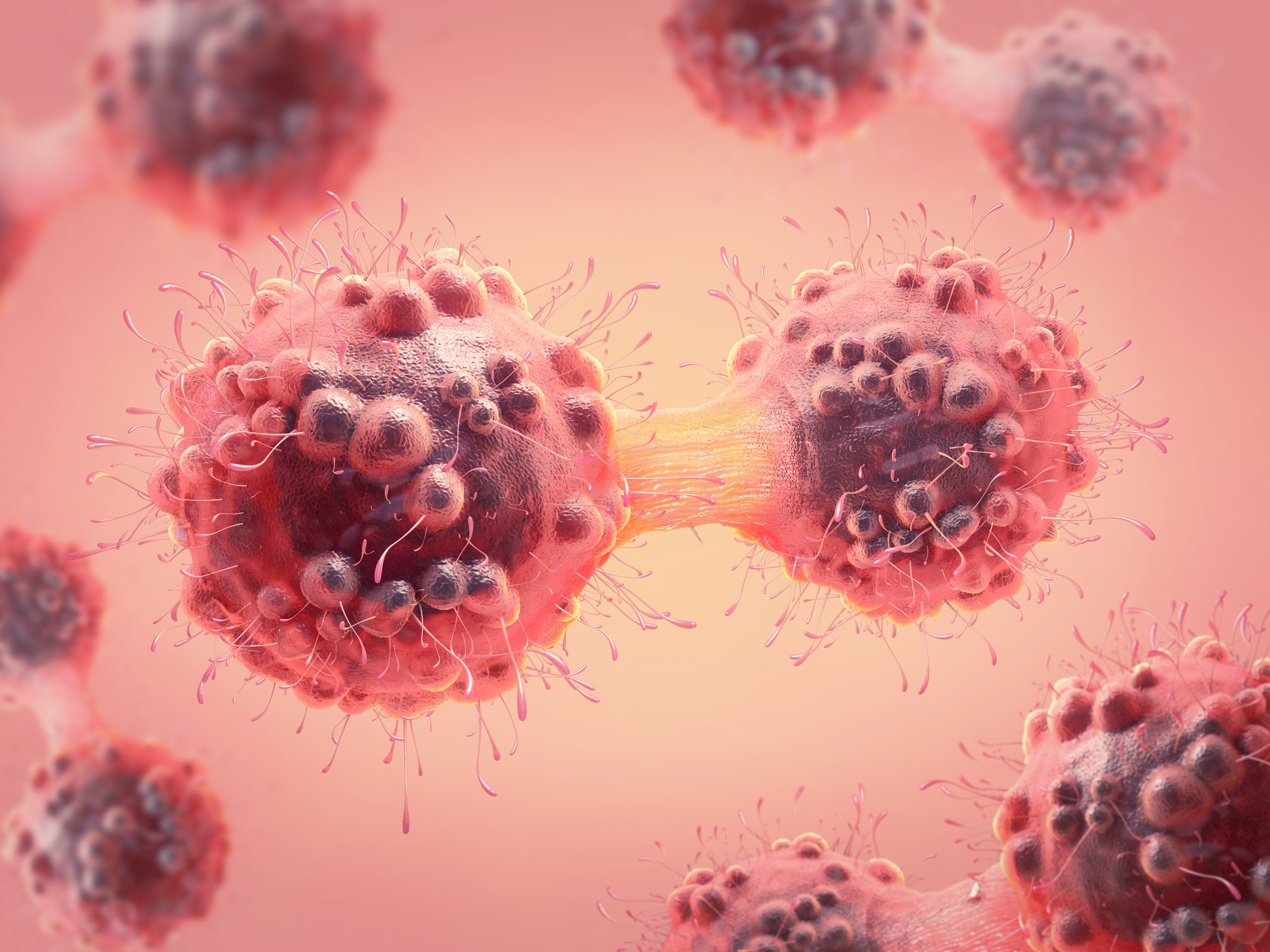
Circulating tumor cells use the surface protein ICAM1 to strengthen stem cell programs and facilitate formation of tumor cell clusters, which can travel from primary tumors to other organs in the body.
-
Northwestern Physician-Scientist Named to National Cancer Advisory Board
Northwestern Medicine physician-scientist Amy Heimberger, MD, has been named by President Biden to the National Cancer Advisory Board, which plays an important role in setting the course for the nation’s cancer research programs.
-

Lurie Cancer Center Receives Renewal of Prostate Cancer SPORE Grant
The Robert H. Lurie Comprehensive Cancer Center of Northwestern University has been awarded a five-year, $9.2 million grant renewal from the National Cancer Institute to continue a Specialized Program of Research Excellence (SPORE) in prostate cancer.
-

Evaluating Colonoscopy Retroflexion in Practice
A colonoscopy maneuver to better detect polyps in the right colon is often poorly preformed in practice, according to a Northwestern Medicine study.
-

Uncovering Epigenetic Mechanisms Regulating Glioma Growth
Northwestern Medicine investigators have discovered the epigenetic mechanisms involved in the regulation of two oncogenes in glioma cells, which may improve personalized approaches to treat these cancers.
-
Fluorescent Label Passes Through Blood-Brain Barrier
Fluorescent indocarbocyanine lipid labels show improved distribution within glioblastoma brain tumors, according to a Northwestern Medicine study.
-
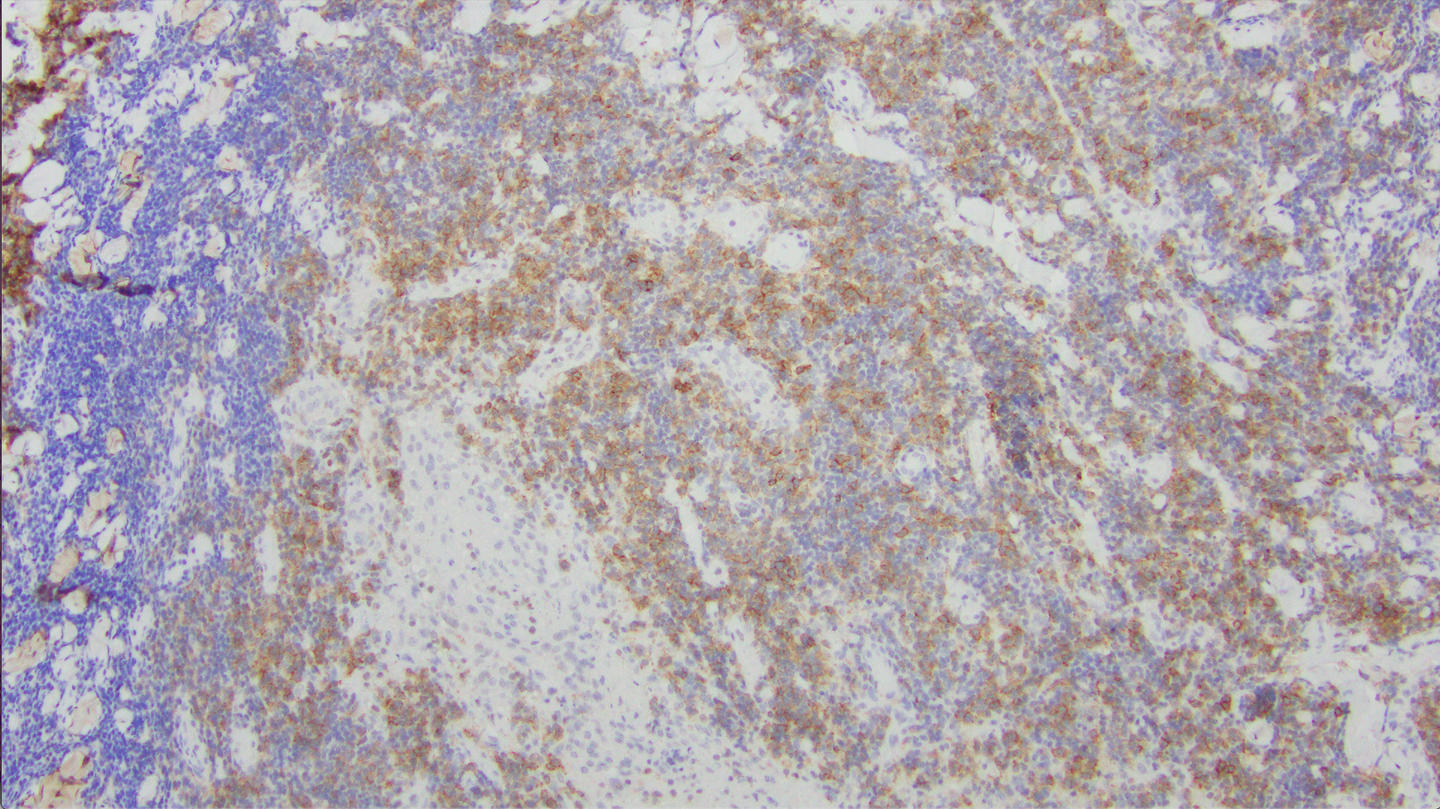
Gene Implicated in Poor Skin Cancer Therapy Outcomes
Losing a check on T-cell activation in cutaneous T-cell lymphoma cells is associated with poor outcomes, according to a study published in Blood.
-
Using Circulating Tumor DNA to Target Immunotherapy
Using circulating tumor DNA to identify patients at risk for urothelial cancer relapse after surgical resection could help improve post-surgery treatment, according to a new study.