Author: kwm107
-

New Therapy Harnesses Patients’ Blood Cells to Fight Tumors
Northwestern University scientists have discovered it is possible to isolate a tumor’s attack cells non-invasively from blood, rather than from tumors.
-
Hauser Named New Director of Medical Scientist Training Program
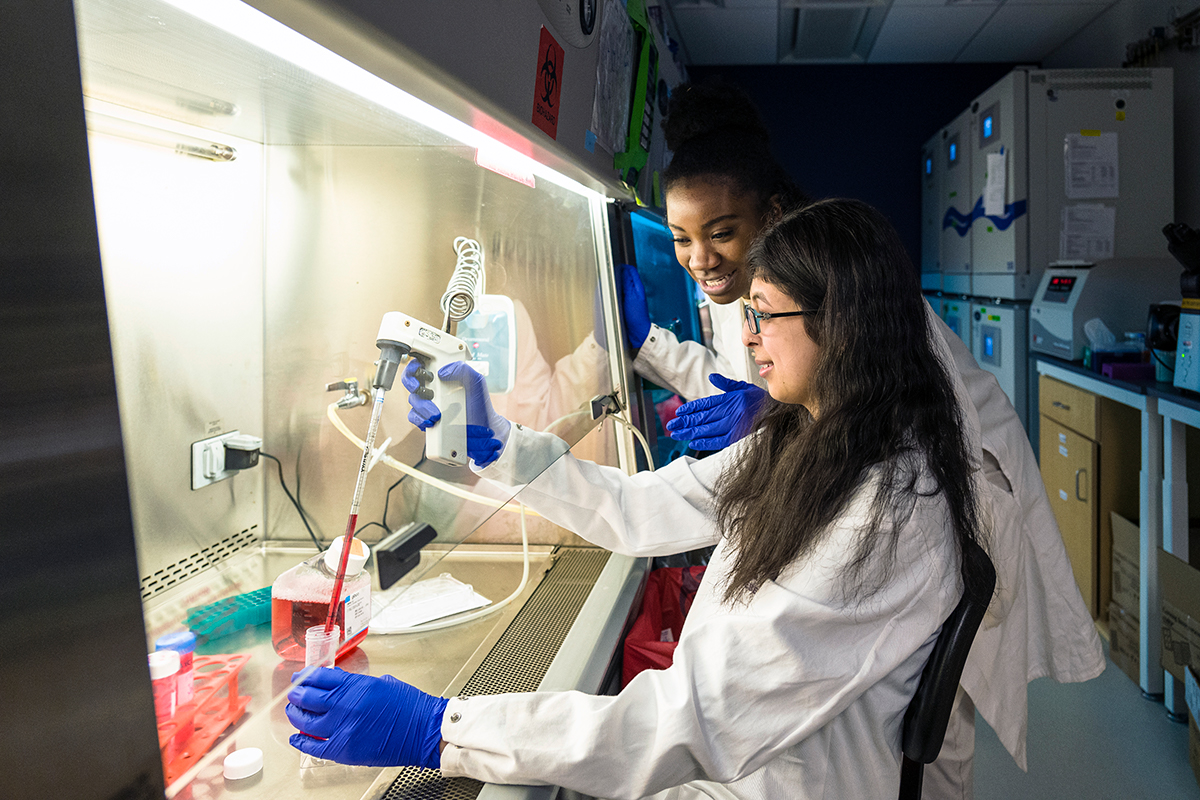
Alan Hauser, MD, PhD, vice chair of Microbiology-Immunology, has been named the new director of Feinberg’s Medical Scientist Training Program (MSTP), effective April 15.
-

Use Age, not Weight, to Screen for Diabetes
Focus on age, not weight, to capture the greatest number of people in all racial and ethnic groups with prediabetes and diabetes, reports a new Northwestern Medicine study published in the American Journal of Preventive Medicine.
-
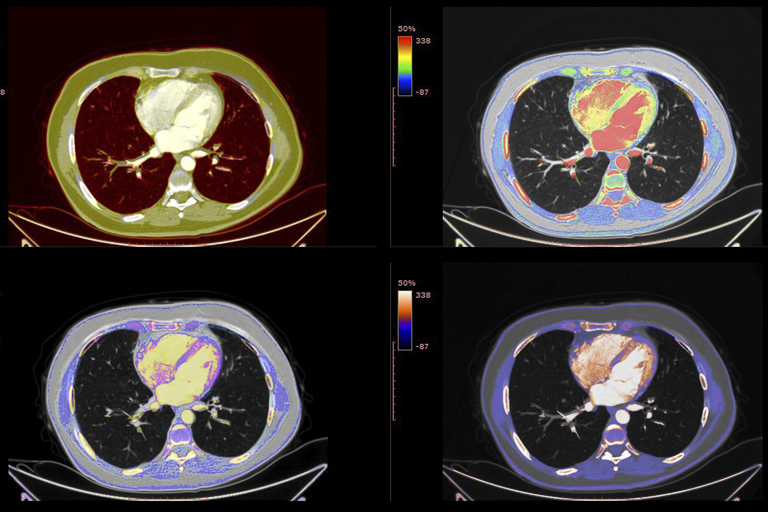
New Combination of Drugs Works Together to Reduce Lung Tumors in Mice
Two therapeutic drugs benefited mice with non-small cell lung cancer, potentially paving the way for clinical trials in humans.
-

NUDOCS Program Inspires the Next Generation of Physicians
Northwestern recently hosted a cohort of 16 undergraduate students from historically underrepresented groups for an immersive week-long introduction to careers in medicine.
-

Adolescent Sexual Health Program Receives Funding for Social Marketing Campaign
The PrEP4Teens initiative received over $300,000 from from the Chicago Department of Public Health, Alphawood Foundation, Northwestern University Clinical and Translational Sciences Institute, and the Third Coast Center for AIDS Research.
-
Humans are Not Just Big Mice: Identifying Science’s Muscle-Scaling Problem
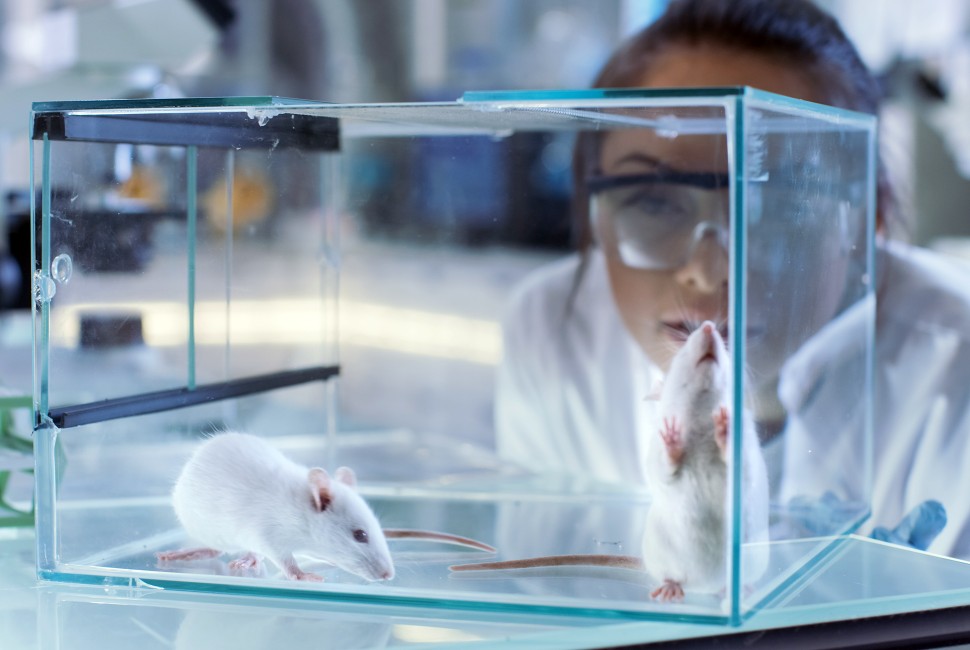
A new study is the first to show that extrapolating physiological findings from small animals can produce incorrect predictions in humans.
-
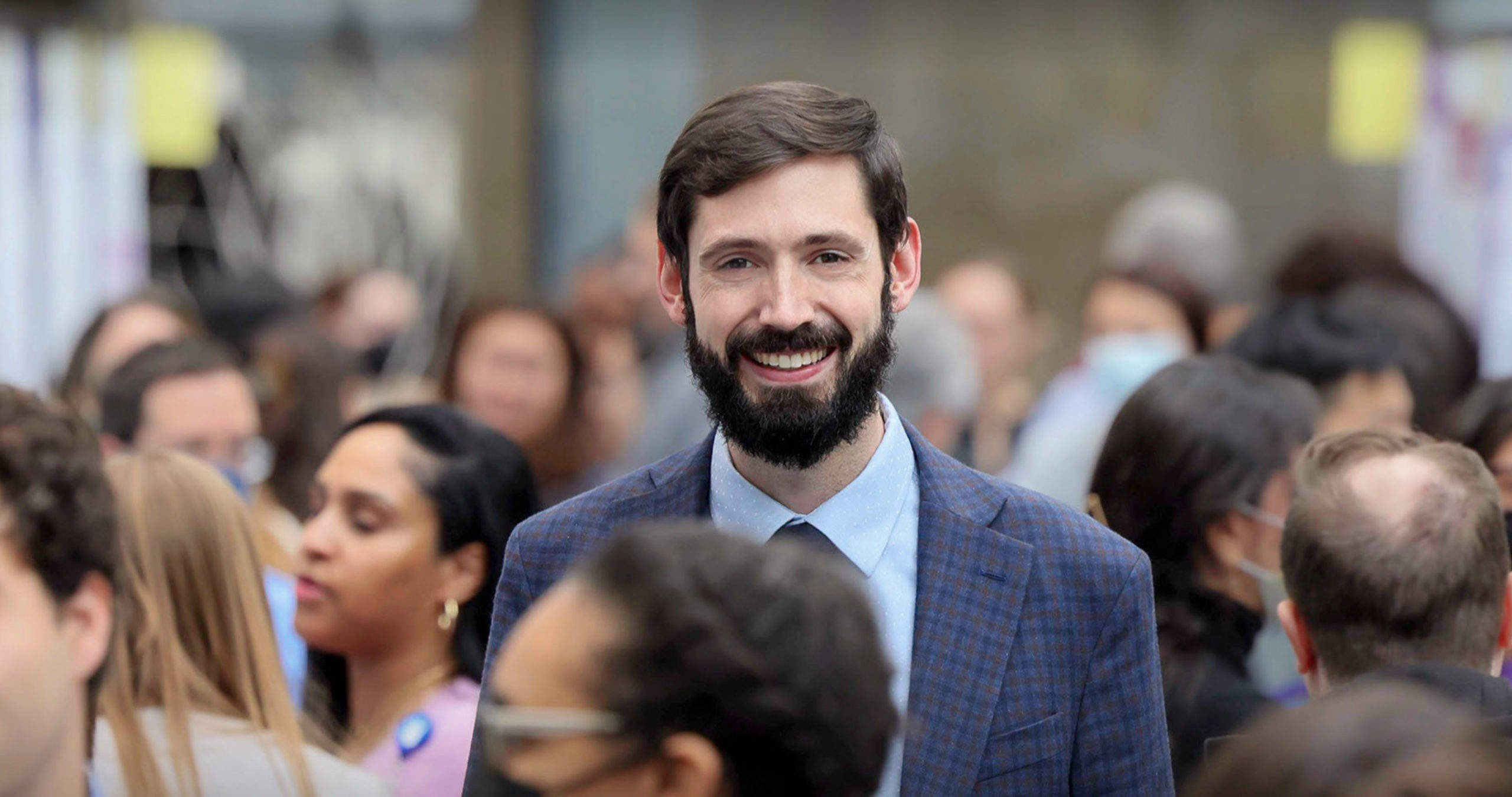
A Day in the Life: Evan Edwards
Meet Evan Edwards, a third-year MD student at Feinberg School of Medicine and join him for “a day in the life” on the surgery clerkship.
-
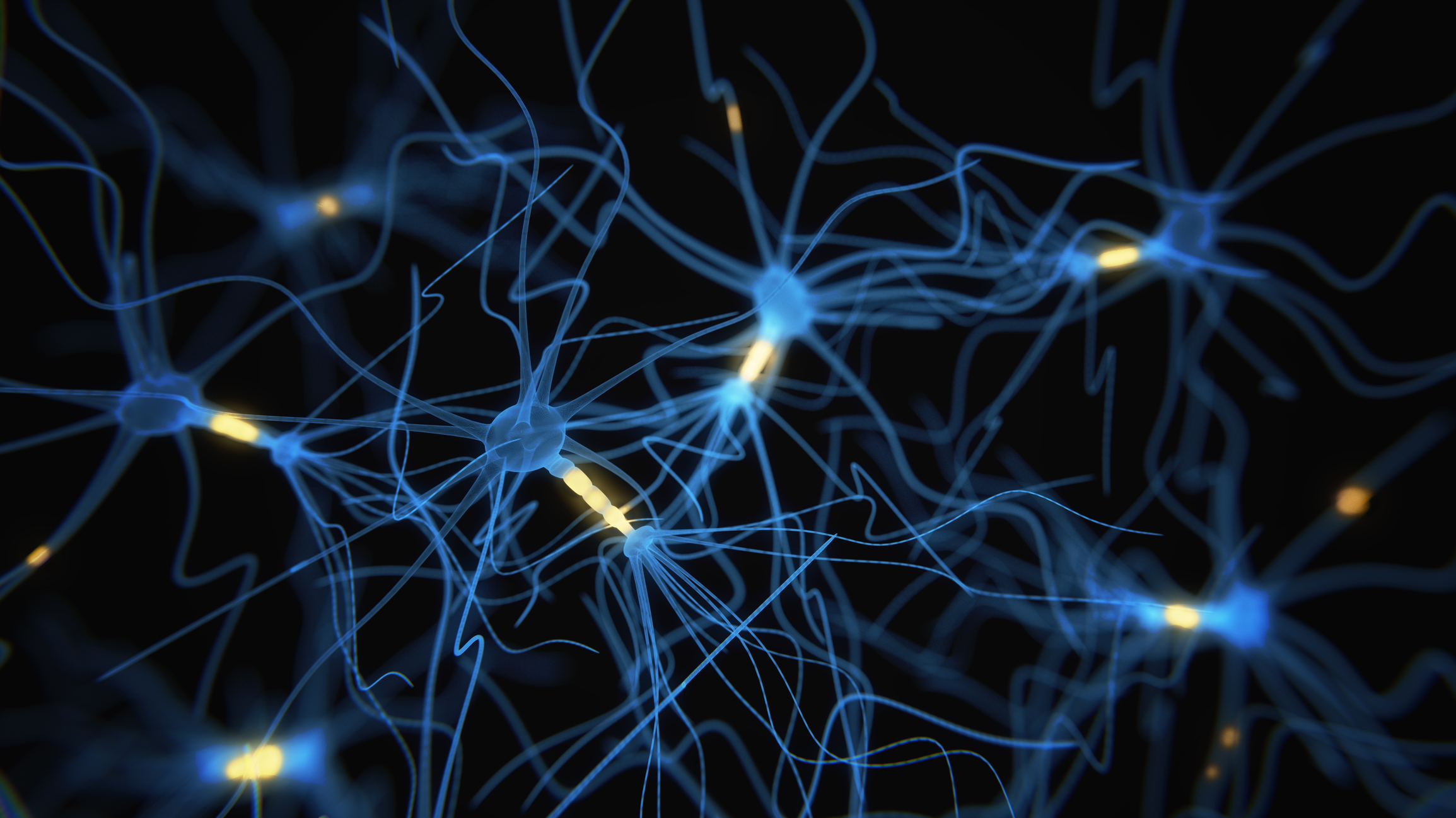
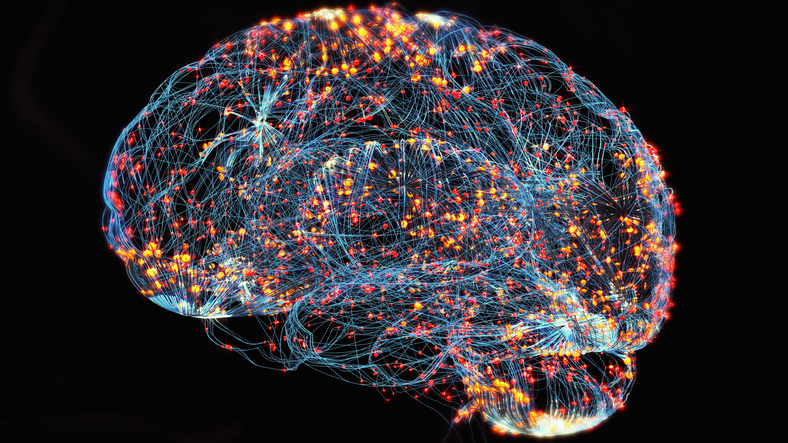
Social Deficits and Seizures in Autism Type Tied to Overexcited Brain Circuits
Northwestern Medicine scientists have identified the cause of a genetic subtype of autism and schizophrenia that results in social deficits and seizures in mice and humans.
-
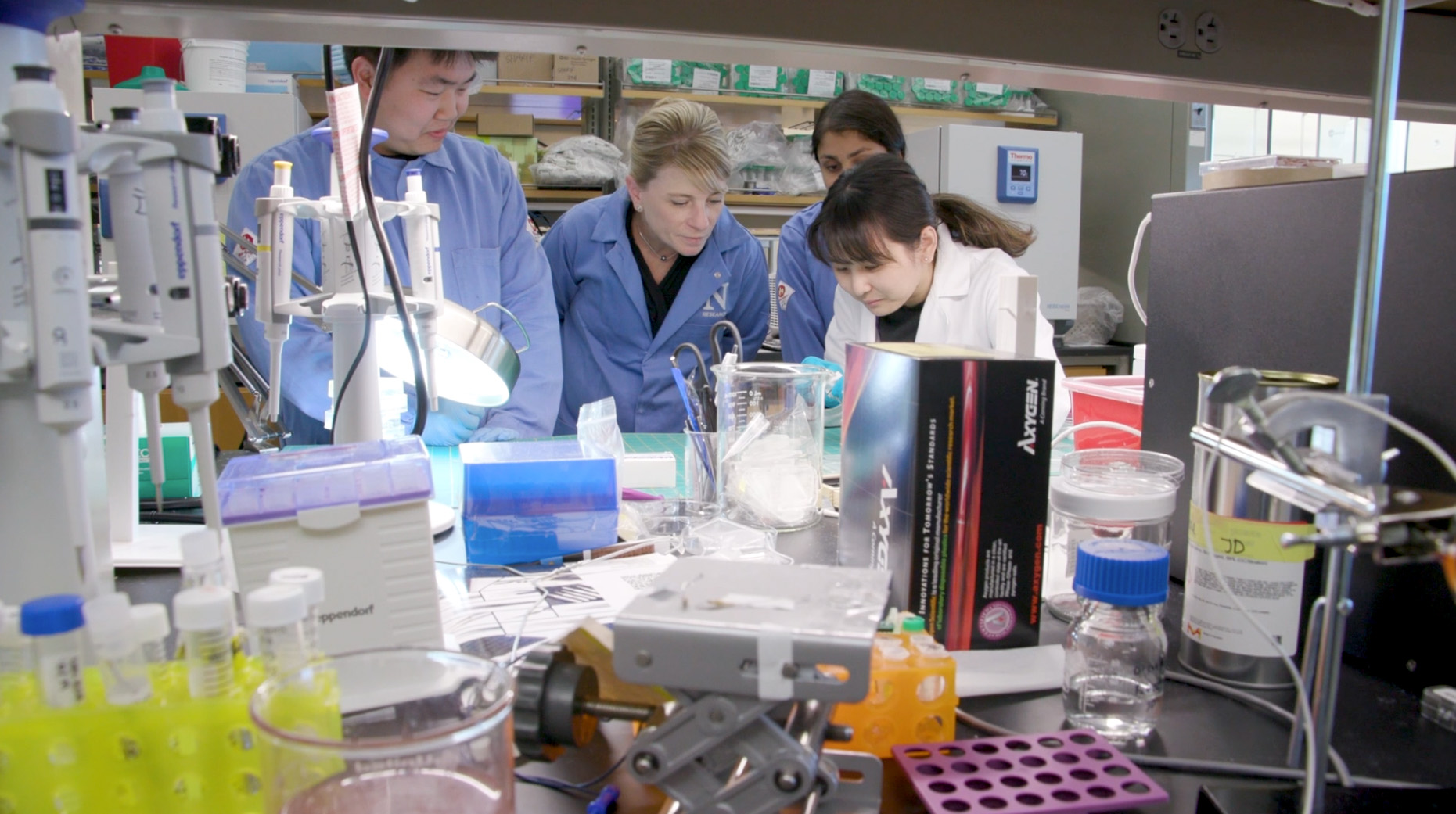
Northwestern to Co-Lead New CZ Biohub Chicago
The Chan Zuckerberg Initiative has selected Northwestern University to co-lead its new biomedical research hub in Chicago, which will develop new technologies for studying human tissues with unprecedented resolution.