Author: kwm107
-

Pre-Pregnancy Obesity Predicts Future Heart Health
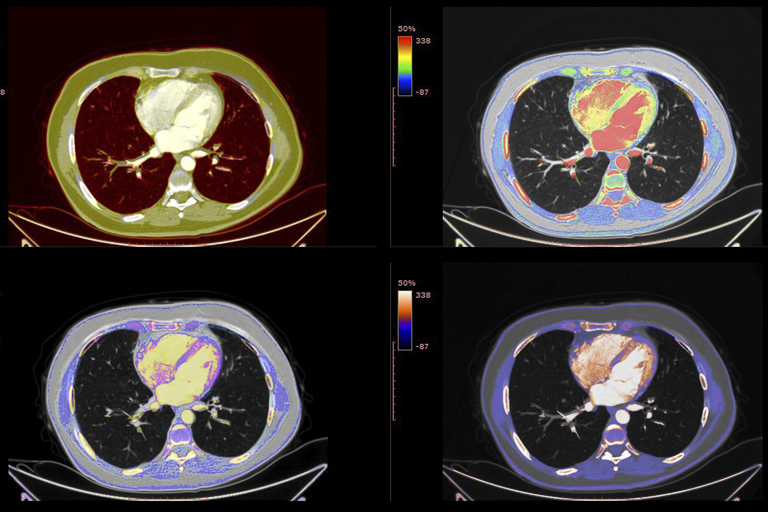
A new Northwestern Medicine study has found obesity before pregnancy is the root cause of future cardiovascular disease, rather than pregnancy complications.
-

Being A Vegetarian May Be Partly in Your Genes
A person’s genetic makeup plays a role in determining whether they can stick to a strict vegetarian diet, a new Northwestern Medicine study has found.
-

Lloyd-Jones Announces He is Stepping Down as Chair of Preventive Medicine
Donald Lloyd-Jones, MD, ScM, the Eileen M. Foell Professor, has announced that he will be stepping down as chair of the Department of Preventive Medicine at the end of this academic year, after 15 years of service in the role.
-
Small, Implantable Device Could Sense and Treat Cancer
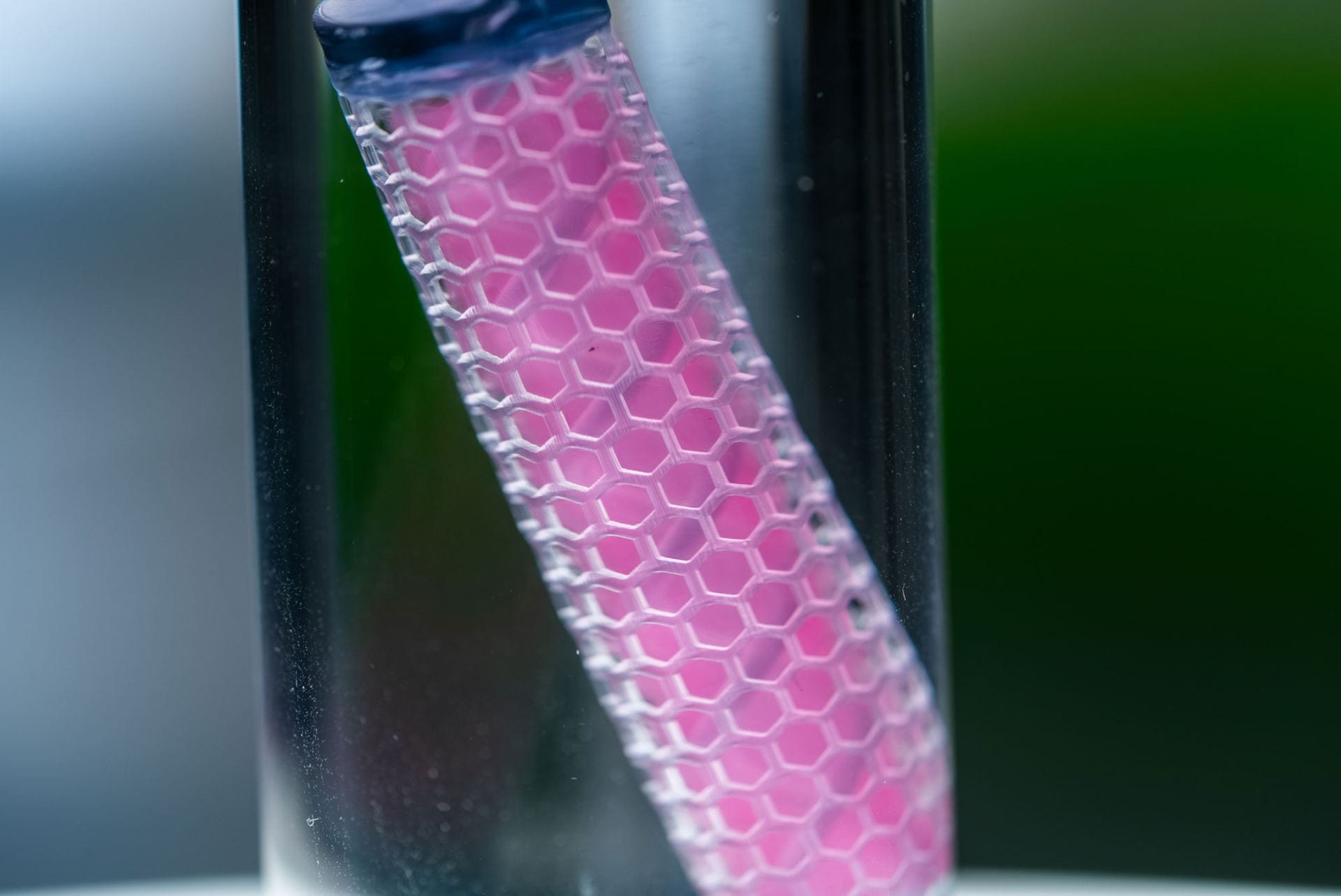
A multi-institutional team of investigators including Northwestern University scientists has received $45 million to fast-track the development of a first-of-its-kind implant to sense and treat cancer.
-
Northwestern Simulation’s In Situ Training Tests Cardiac Arrest Response Teams
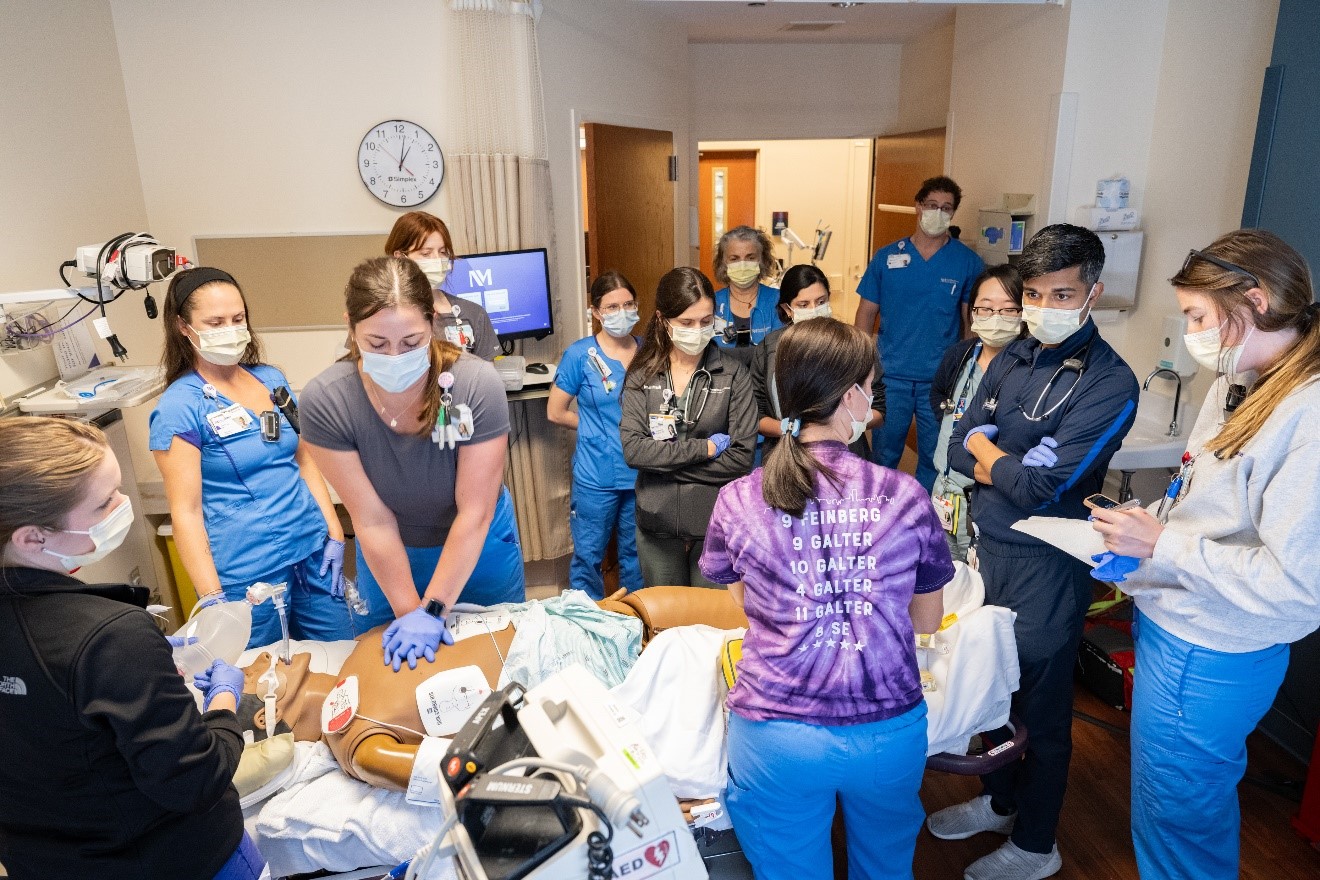
Northwestern Simulation has introduced a new curricular experience to help internal medicine residents improve skills needed for the high-acuity, high-intensity scenario of leading and managing cardiac arrests in the hospital.
-

Robert Lamb, Renowned Expert on Influenza Virus, Dies at 72
Robert A. Lamb, PhD, professor emeritus of Microbiology-Immunology and of Molecular Biosciences and an internationally recognized authority on influenza, died September 2. He was 72.
-

Feinberg Receives Record-Breaking Research Funding in 2023
Feinberg principal investigators secured $706 million in research funding and awards during the 2022-23 fiscal year, which is a nearly nine percent increase over the previous year, and the largest amount in the school’s history.
-
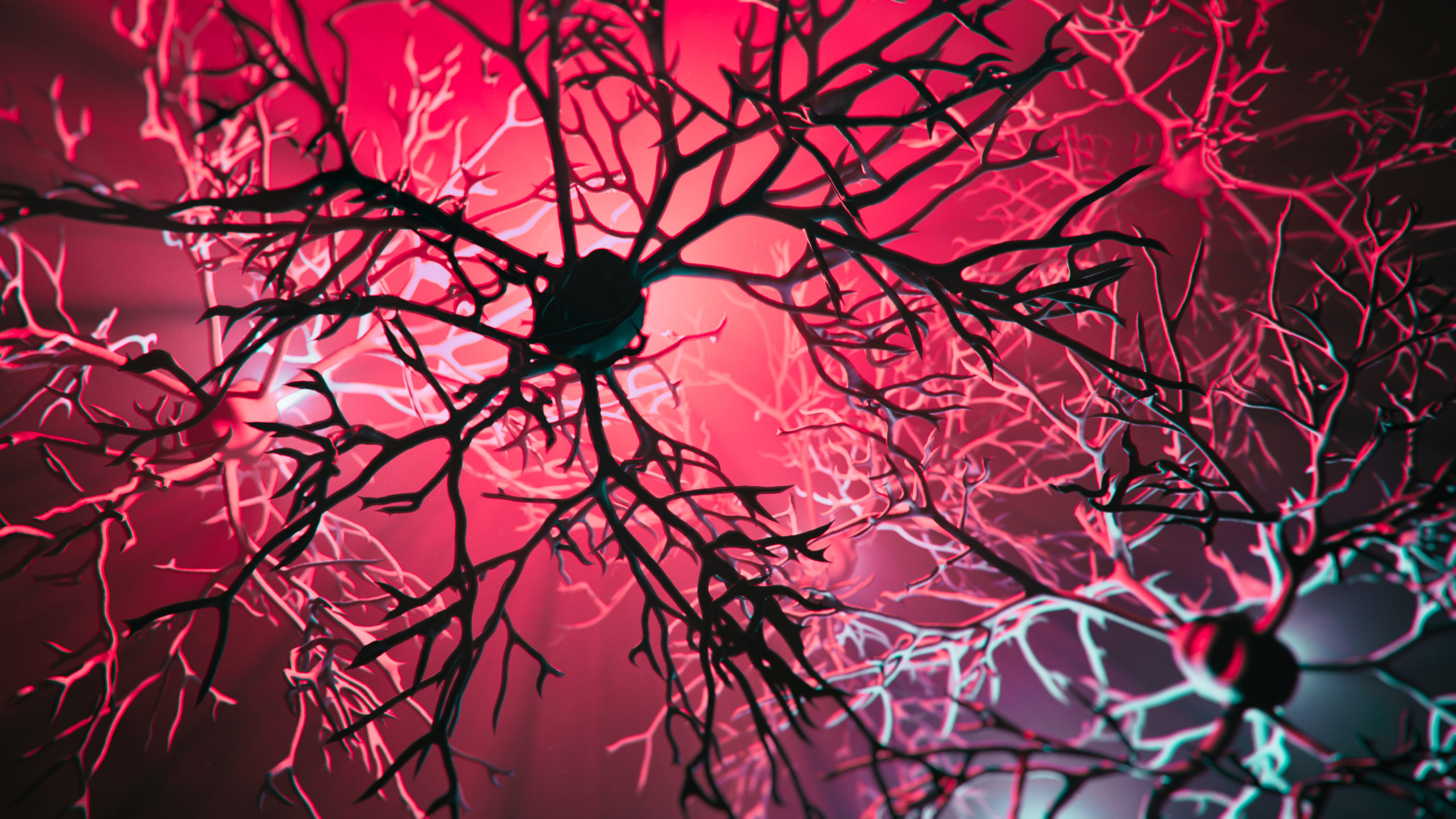
Newly Discovered Trigger of Parkinson’s Upends Common Beliefs
A new study suggests that a dysfunction in neurons’ synapses leads to deficits in dopamine and precedes the neurodegeneration previously thought to cause Parkinson’s disease.
-

Your Body’s Own Cannabinoid Molecules Calm You During Stress
A new Northwestern Medicine study has discovered that a key emotional brain center, the amygdala, releases endogenous cannabinoid molecules under stress, and these molecules dampen the incoming stress alarm from the hippocampus, a memory and emotion center in the brain.
-
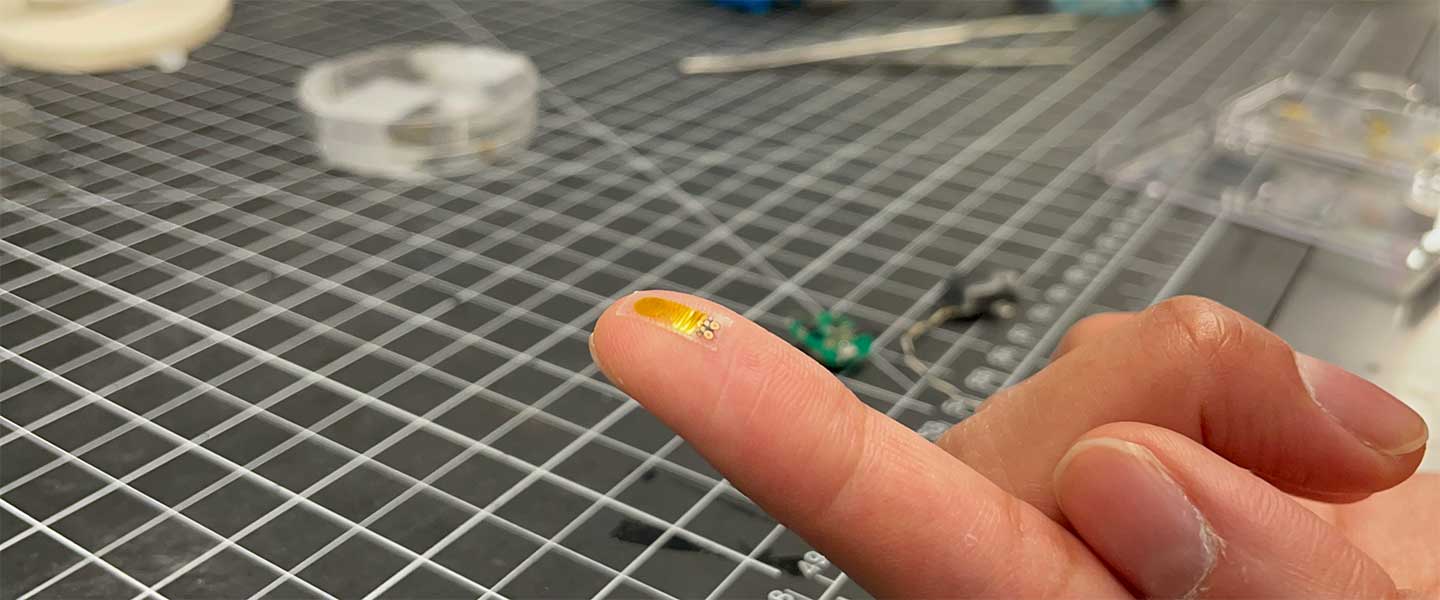
First Device to Monitor Transplanted Organs, Detect Early Signs of Rejection
Northwestern University investigators have developed the first electronic device for continuously monitoring the health of transplanted organs in real time.