Author: kwm107
-
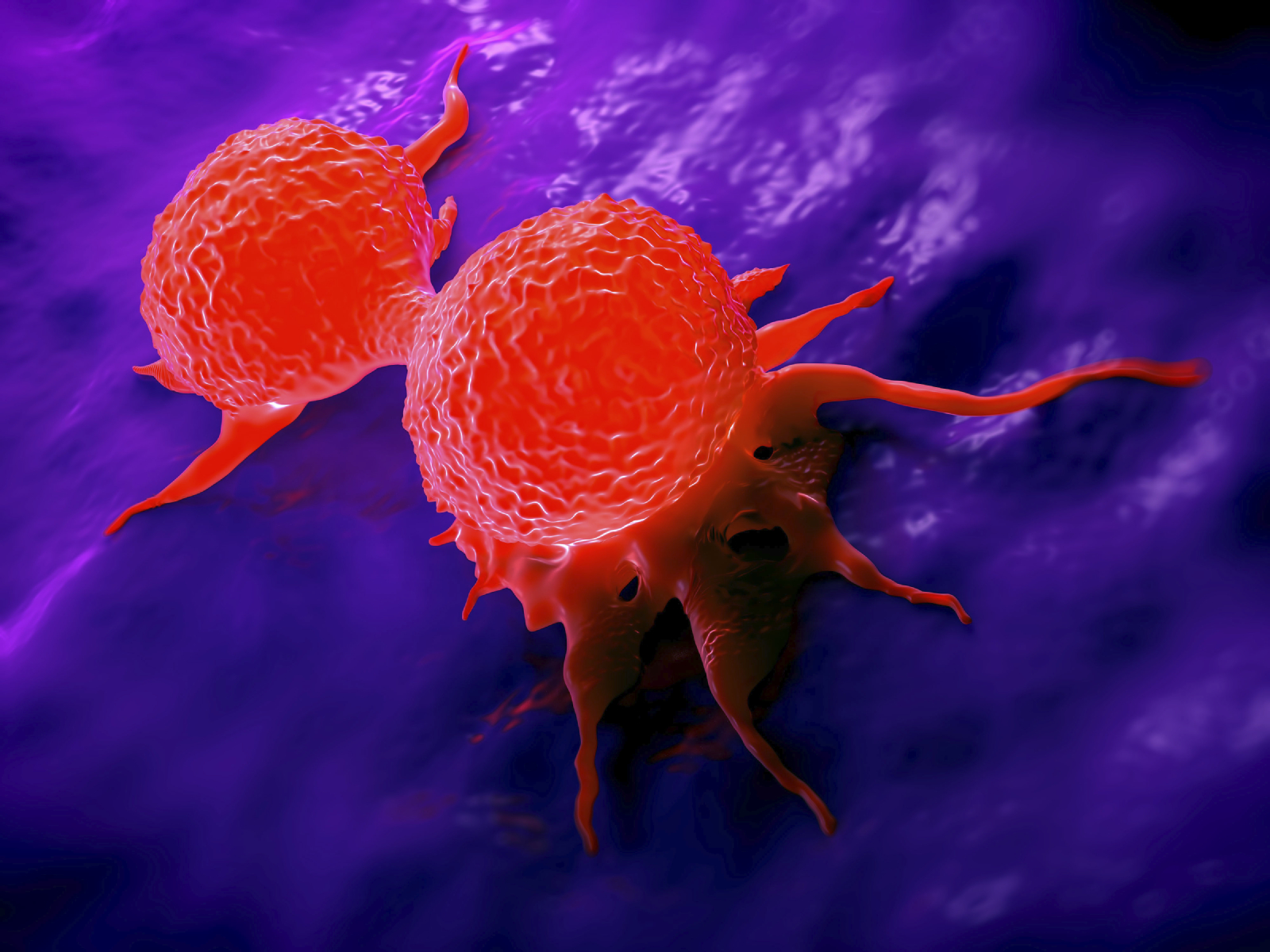
Using Cancer’s Strength to Fight Against It
In findings published in Nature, scientists may have found a way around the limitations of engineered T-cells by borrowing a few tricks from cancer itself.
-
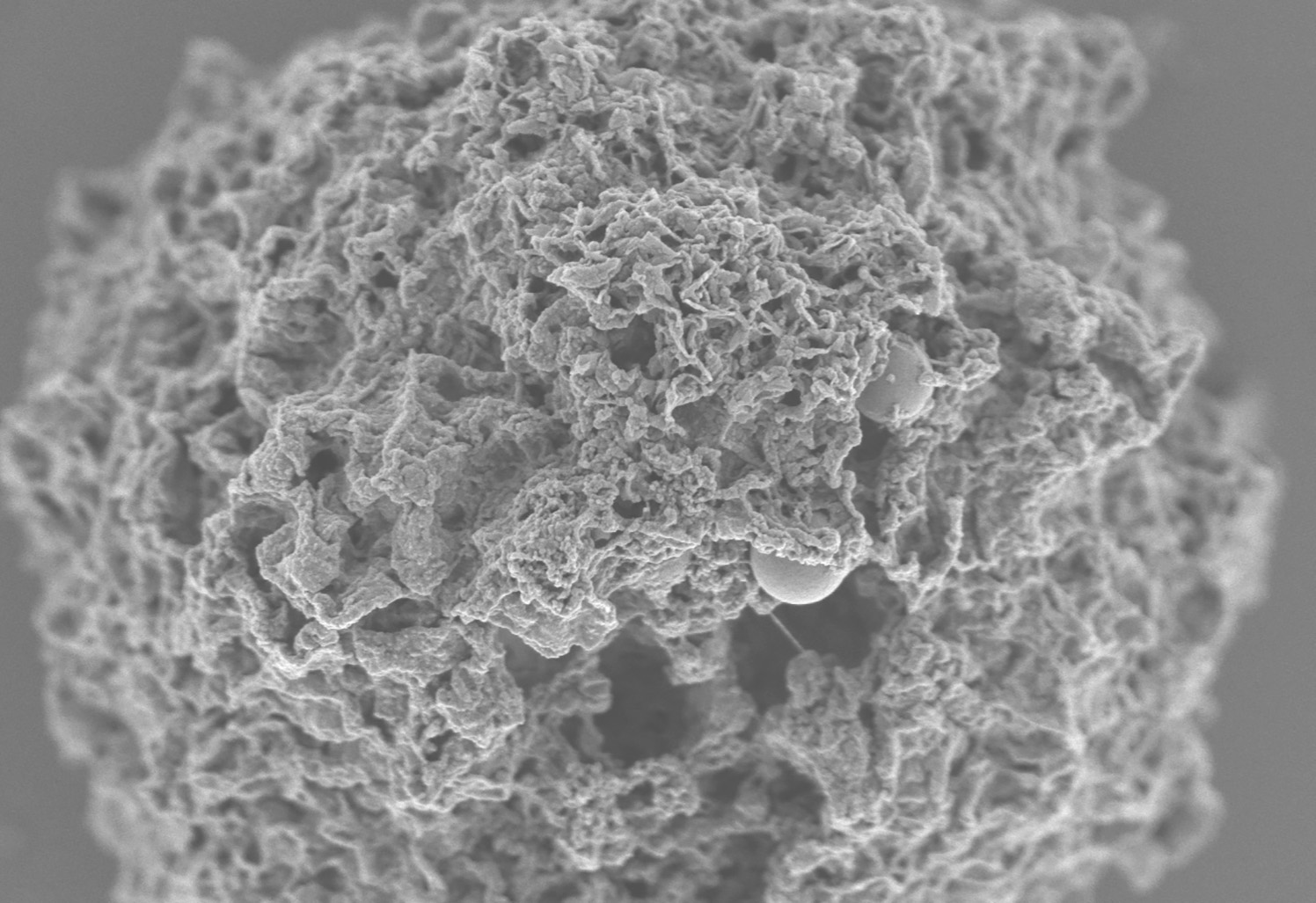
Decorated Nanoparticles Prevent Allergic Reactions
Northwestern University scientists have developed the first selective nanoparticle therapy to prevent allergic reactions, which can range in severity from itchy hives and watery eyes to trouble breathing and even death.
-
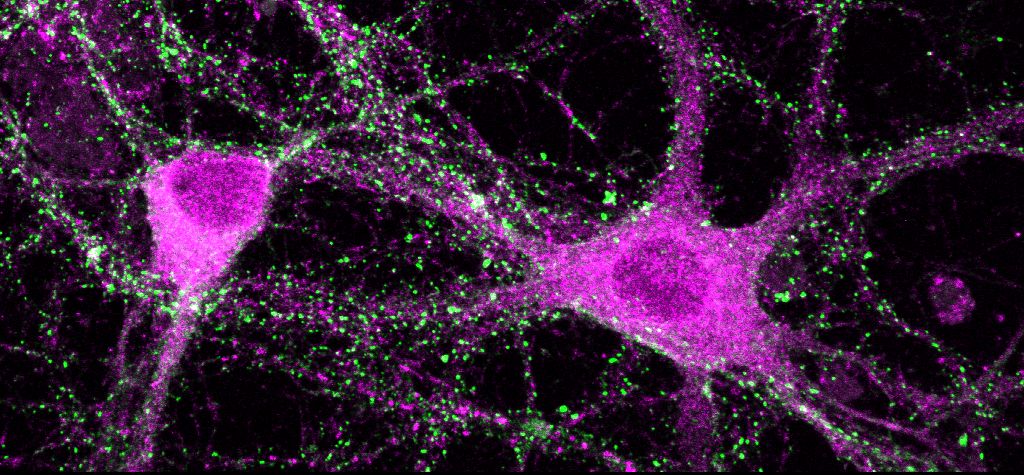
New Cause of Neuron Death in Alzheimer’s Discovered
A new Northwestern Medicine study has identified short strands of toxic RNAs that contribute to brain cell death and DNA damage in Alzheimer’s and aged brains.
-
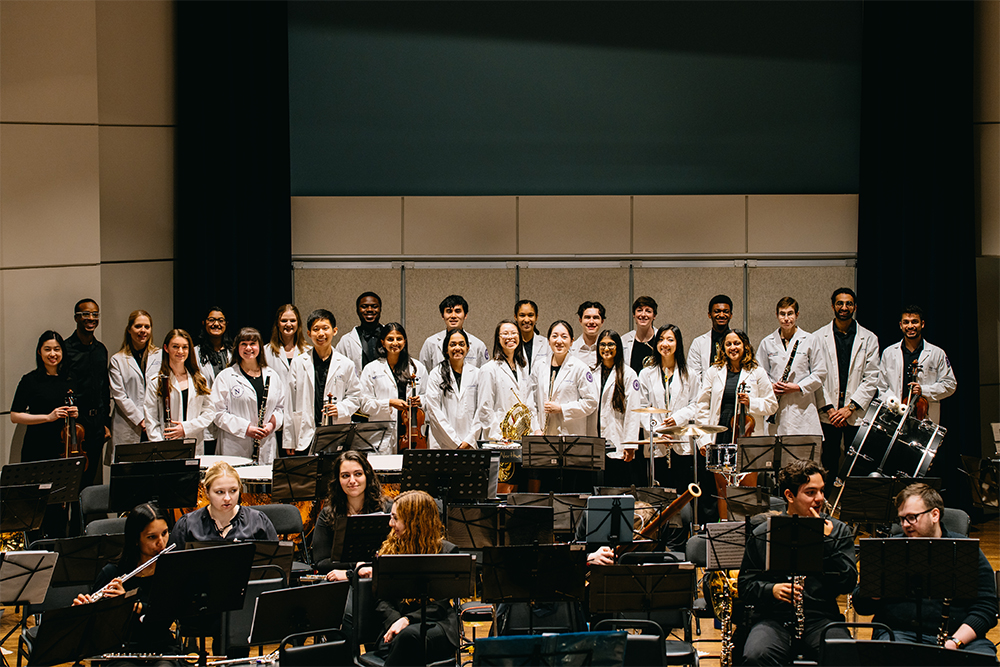
Northwestern Medical Orchestra Sees Strong Growth, Unites Feinberg and Bienen
The Northwestern Medical Orchestra entered its seventh year with growth in participants and audience alike, and a performance of a composition by Bienen School of Music’s new dean, Jonathan Bailey Holland.
-

Nearly 40% of Type 2 Diabetes Patients Stop Taking Their Second-Line Medication
Nearly two-thirds of patients with diabetes either discontinued their second-line medication, switched to a different medication class or intensified their treatment, according to a recent study.
-

Mustanski Appointed as Advisor to NIH Director
Brian Mustanski, PhD, director of the Institute for Sexual and Gender Minority Health and Wellbeing, has been appointed to the Advisory Committee to the Director of National Institutes of Health.
-

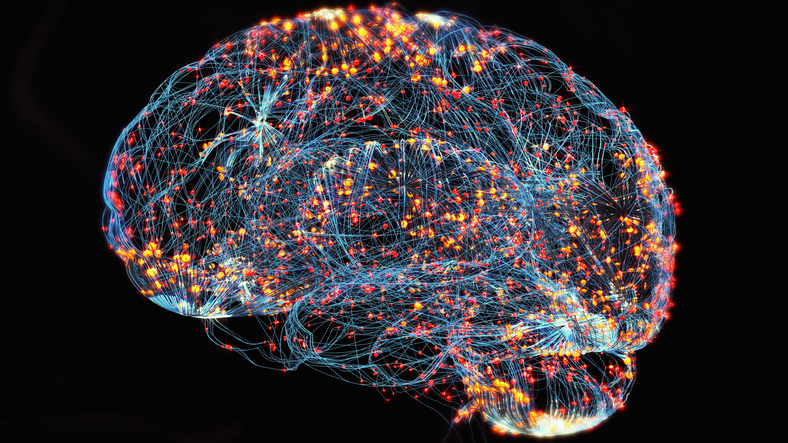
New Brain-Like Transistor Mimics Human Intelligence
Taking inspiration from the human brain, scientists have developed a new synaptic transistor capable of higher-level thinking, according to results published in the journal Nature.
-

2023 Year in Review
Feinberg experienced a year of outstanding growth, scientific achievement, and collaboration in 2023, from honors and awards to unprecedented research discoveries.
-

AI May Spare Breast Cancer Patients Unnecessary Treatments
A new AI tool may make it possible to spare breast cancer patients unnecessary chemotherapy treatments by using a more precise method of predicting their outcomes, reports a new Northwestern Medicine study published in Nature Medicine.
-
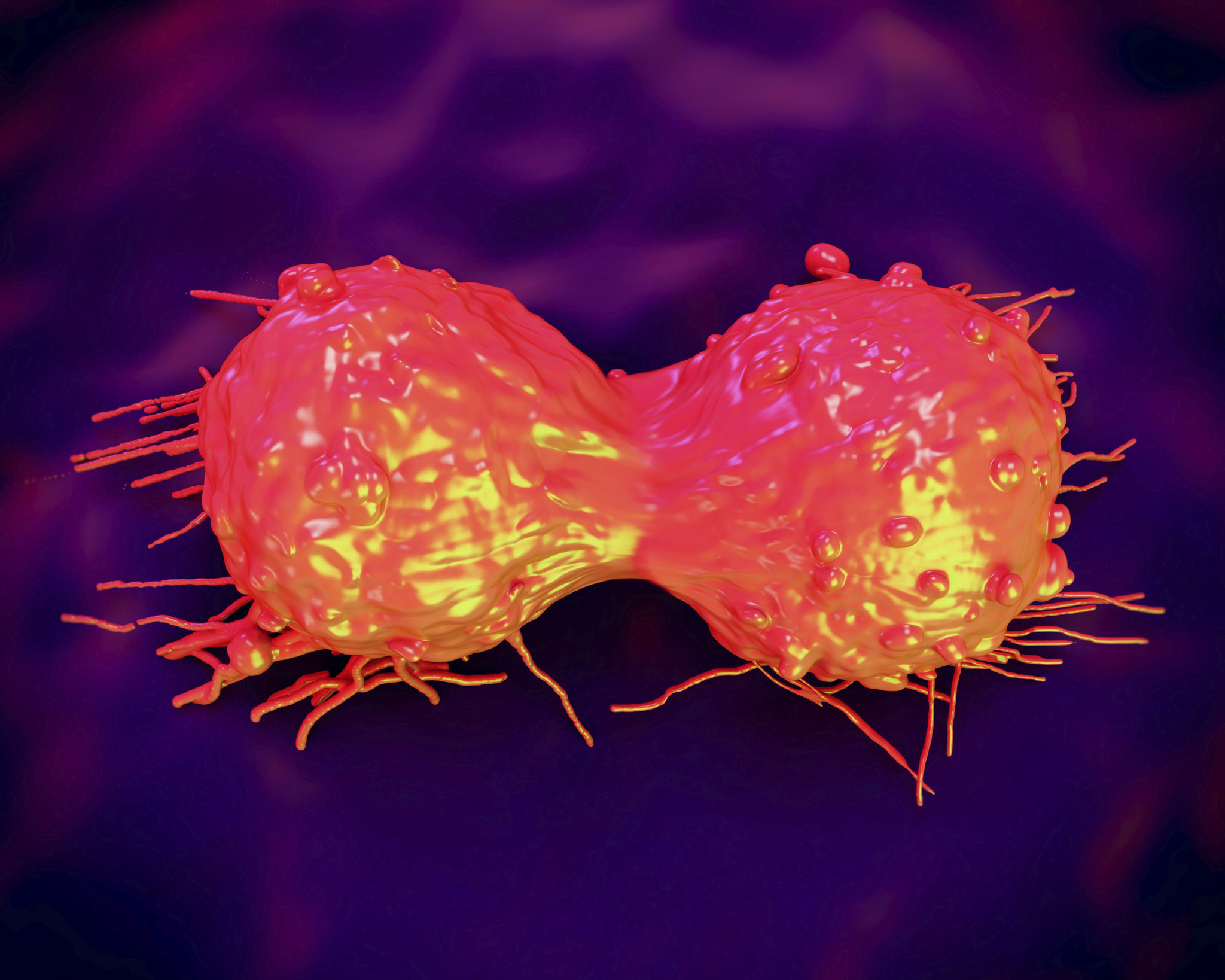
Using Gene Expression to Predict if a Brain Tumor is Likely to Grow Back
Scientists have found a highly accurate way to predict the best cancer treatment for patients based on patterns of gene expression in their tumors.