Author: kwm107
-

People-Driven, Data Powered: Feinberg Launches New Institute for Artificial Intelligence in Medicine
Northwestern University Feinberg School of Medicine has established a new Institute for Artificial Intelligence in Medicine, with the goal of augmenting human expertise with computational methods to advance the science of human health.
-

Celebrating 10 Years of Collaborative Research with the South Asian American Community
Attendees recently celebrated the 10 year anniversary of the Mediators of Atherosclerosis in South Asians Living in America (MASALA) Study, the first longitudinal cohort study to investigate heart disease and diabetes risk factors that contribute to disparities in South Asian Americans.
-
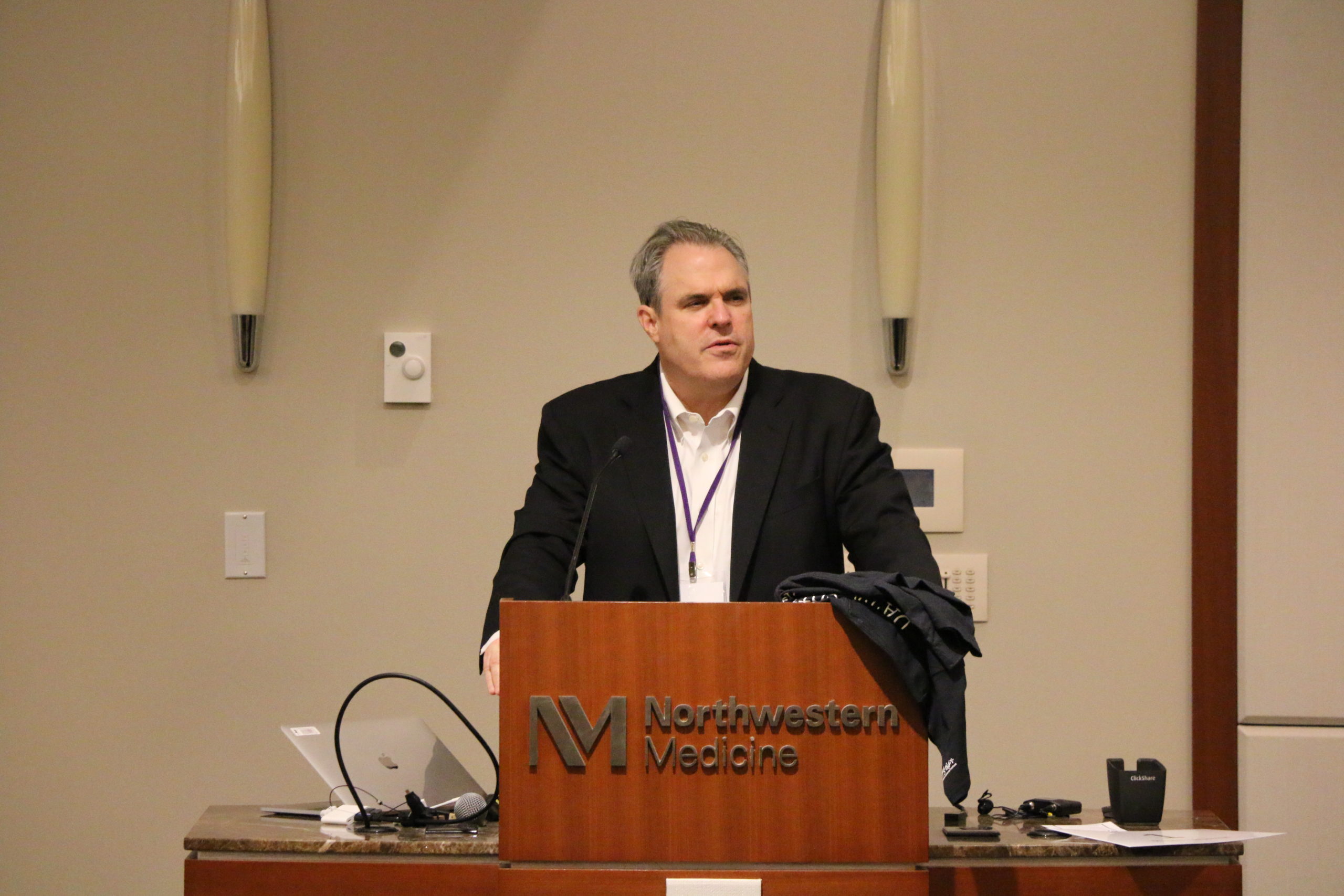
Record Turnout for Northwestern’s Biomedical Data Science Day
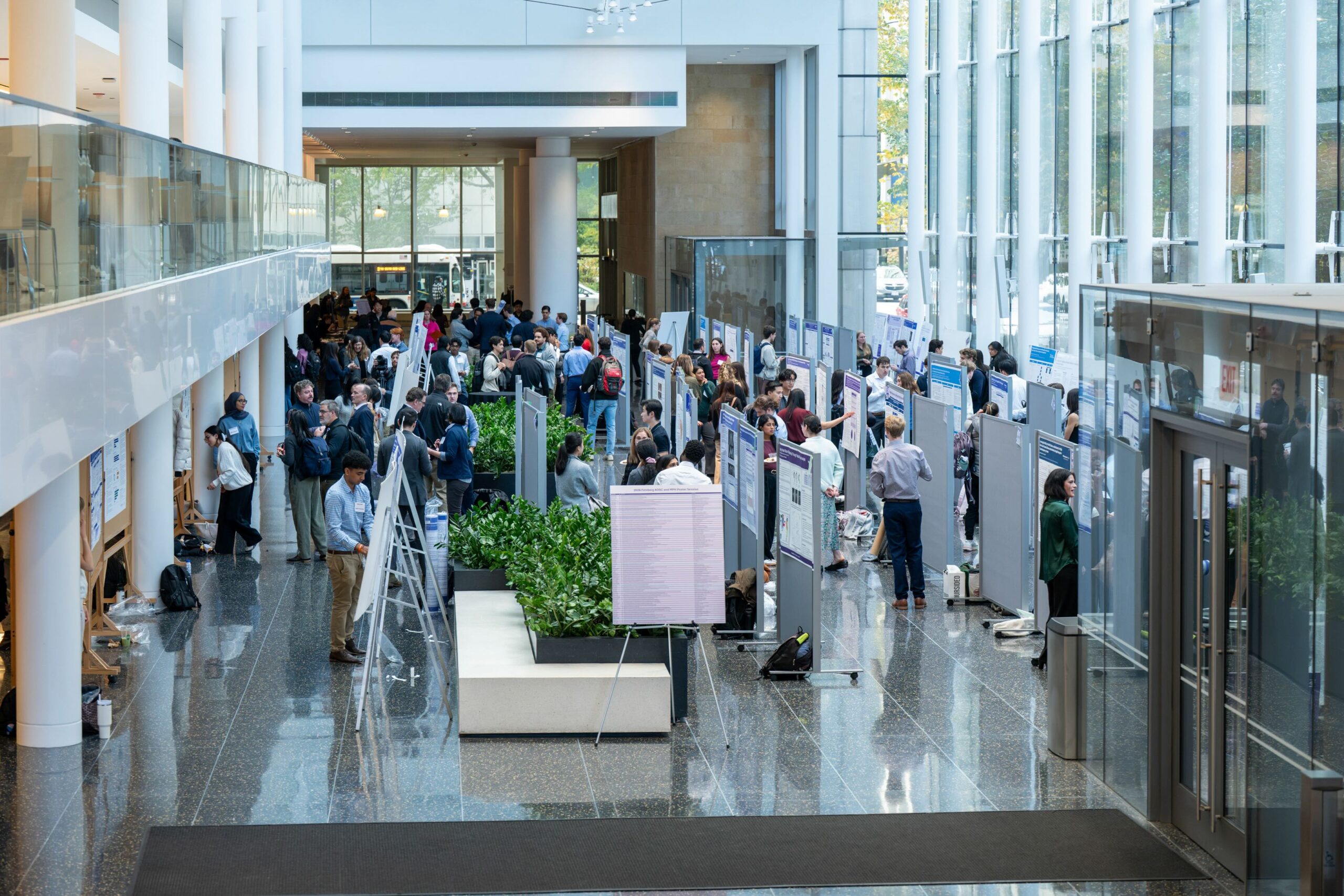
Nearly 300 people attended Northwestern’s Biomedical Data Science Day, which included dozens of immersive and interactive workshops and talks on the current state of biomedical data research.
-
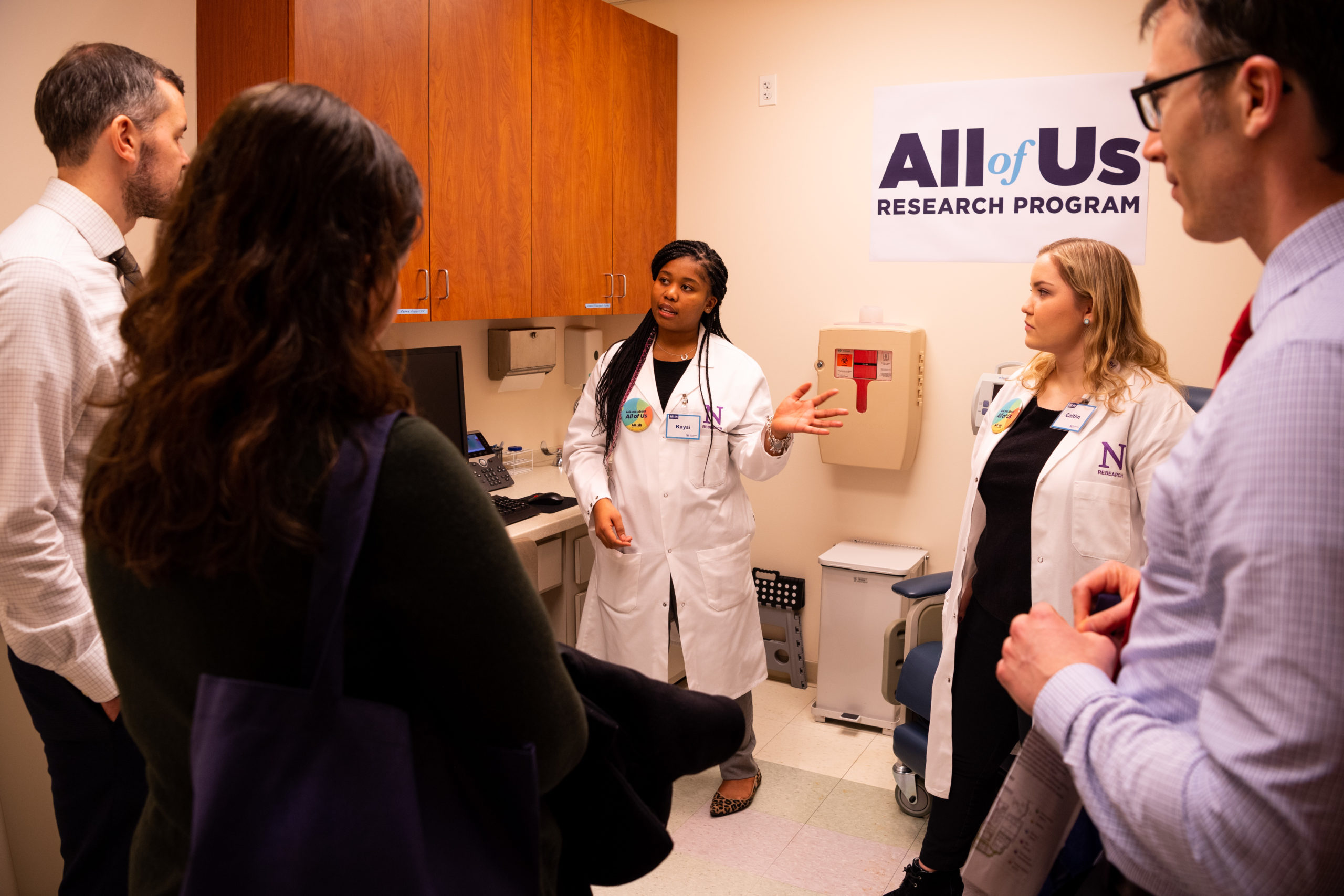
New Space a Boon for Clinical, Translational Investigation at Northwestern
Northwestern Medicine has opened a new 10,000 square foot Clinical Research Hub to enhance the investigative scope and infrastructure for clinical research and to improving participant experiences.
-

Hot Cocoa Aids Walking in Peripheral Artery Disease
Drinking flavanol-rich cocoa three times a day improved walking distance in individuals with peripheral artery disease, reports a new Northwestern Medicine pilot study published in Circulation Research.
-

LCME Accreditation Self-Study Process Kicks Off at Feinberg
The medical school’s 18-month-long self-study process, part of the Liaison Committee on Medical Education’s accreditation process, kicked off last week.
-
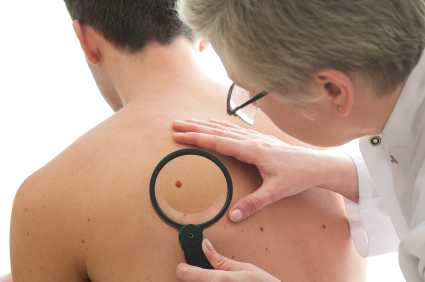
Skin Deep: The Skin Biology and Diseases Resource-Based Center
The Skin Biology and Diseases Resource-Based Center enables people to share their skills, develop expertise and facilitate research.
-

Meat Consumption Raises Risk of Heart Disease and Death
A new study has linked the consumption of red and processed meat with a higher risk of heart disease and death.
-

‘Cluster Bomb’ Toxin from Cholera Shuts Down Inflammatory Response While Attacking Cells
Northwestern scientists have determined that a toxin secreted by Vibrio cholerae bacteria, the pathogen responsible for cholera, suppresses the body’s normal immune response.
-
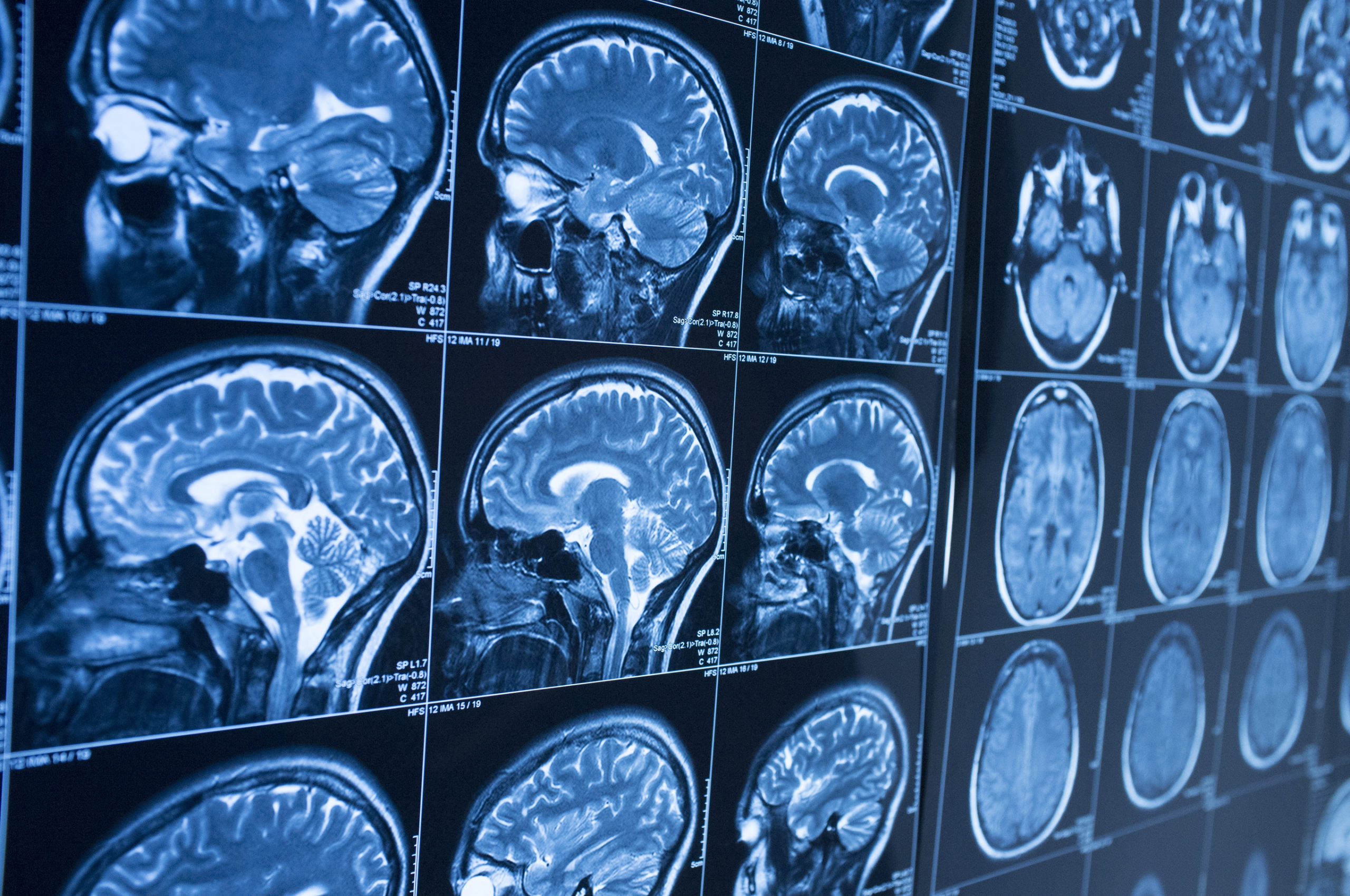
Reducing Dangerous Swelling in Traumatic Brain Injury
Northwestern Medicine scientists were able to significantly reduce brain swelling and damage after a traumatic brain injury by injecting nanoparticles into the bloodstream.