Year: 2026
-

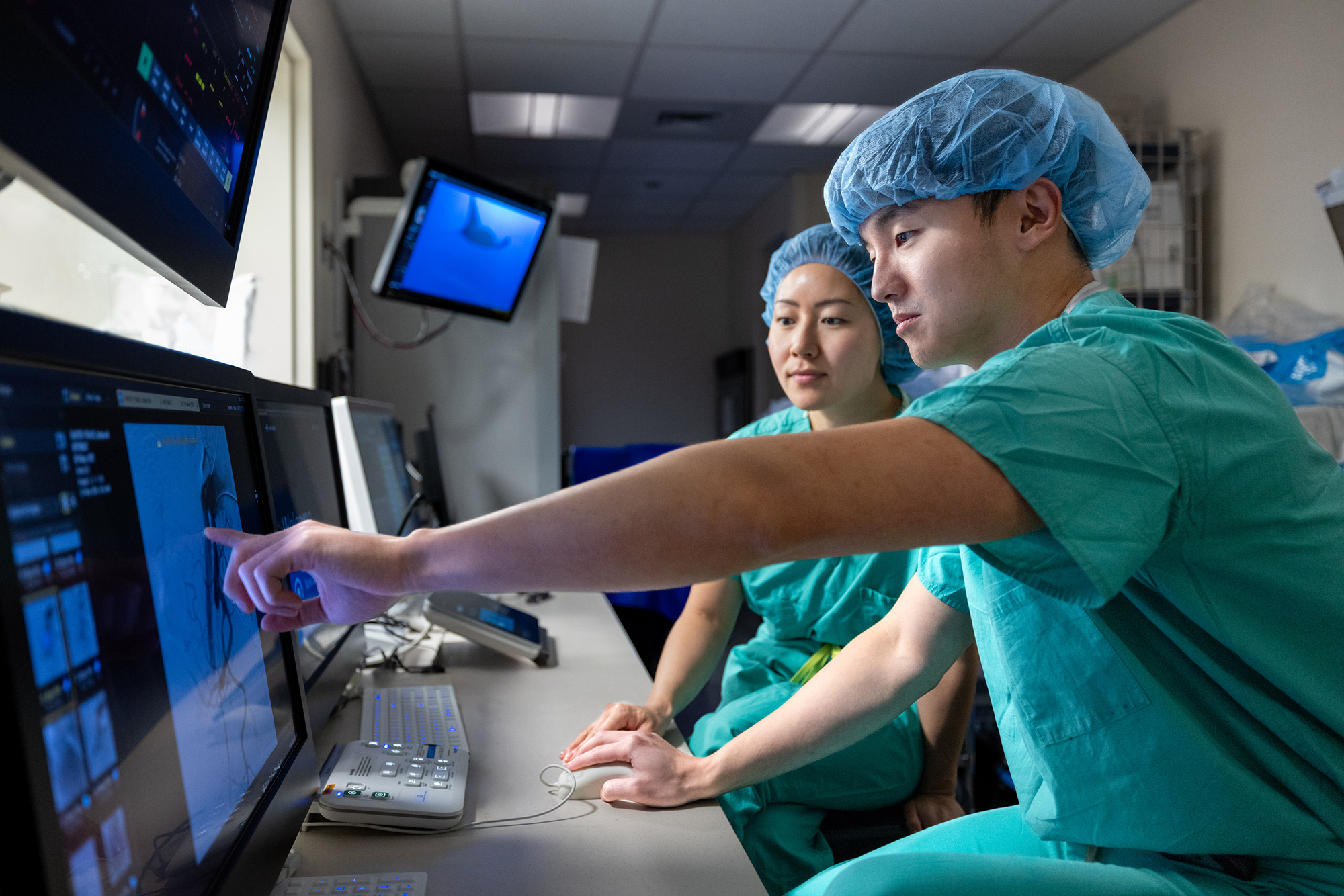
Study Finds Long-Term Benefits of Stroke Thrombectomy
A one-year follow-up analysis of a landmark clinical trial suggests that patients with severe strokes experienced better long-term outcomes after undergoing endovascular thrombectomy compared with medical management alone.
-
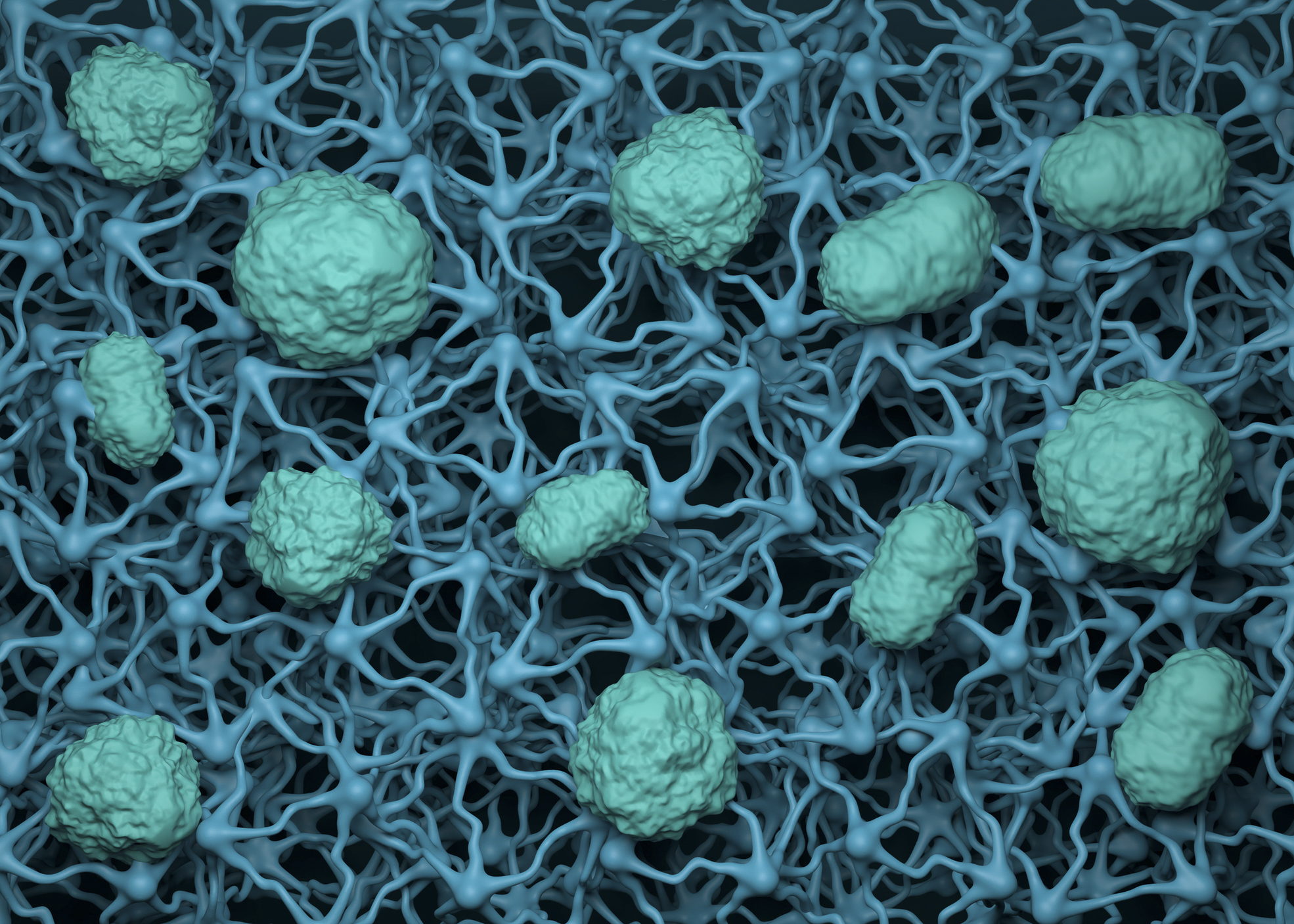
Designing Supramolecular Therapies to Cross the Blood-Brain Barrier
A new Northwestern Medicine study has uncovered key molecular design principles that could help supramolecular therapeutics cross the blood-brain barrier, a major challenge for the novel approach to treating neurological disorders.
-
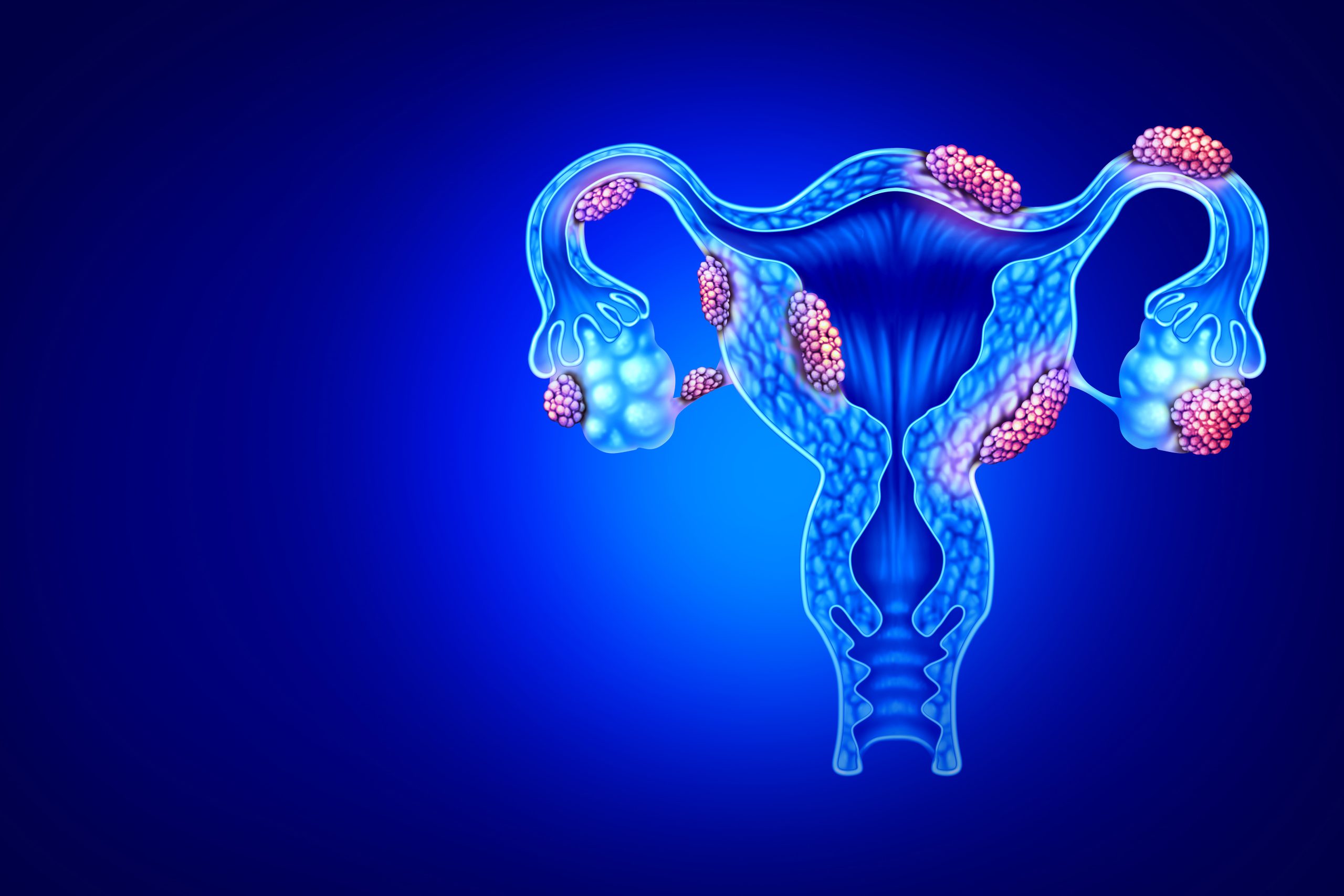
Novel Stem Cell Platform Improves Study of Endometriosis
Scientists led by Julie Kim, PhD, have developed a novel stem cell platform that provides a new way to study the biology of endometriosis in humans more accurately than current model systems, as detailed in a recent study published in Science Advances.
-

Empowering Health Professions Education in Africa
Through a longstanding collaboration with the University of Global Health Equity in Rwanda, Feinberg medical educators support and train educators who will go on to teach thousands of future physicians, nurses and other health professionals.
-

Northwestern Medicine Study Reveals Hidden Immune Environment in Myasthenia Gravis Patients
In a study published in Science Advances, Northwestern Medicine scientists uncovered a previously hidden immune environment in the thymus that may help drive myasthenia gravis, a chronic autoimmune disease that causes muscle weakness and fatigue.
-
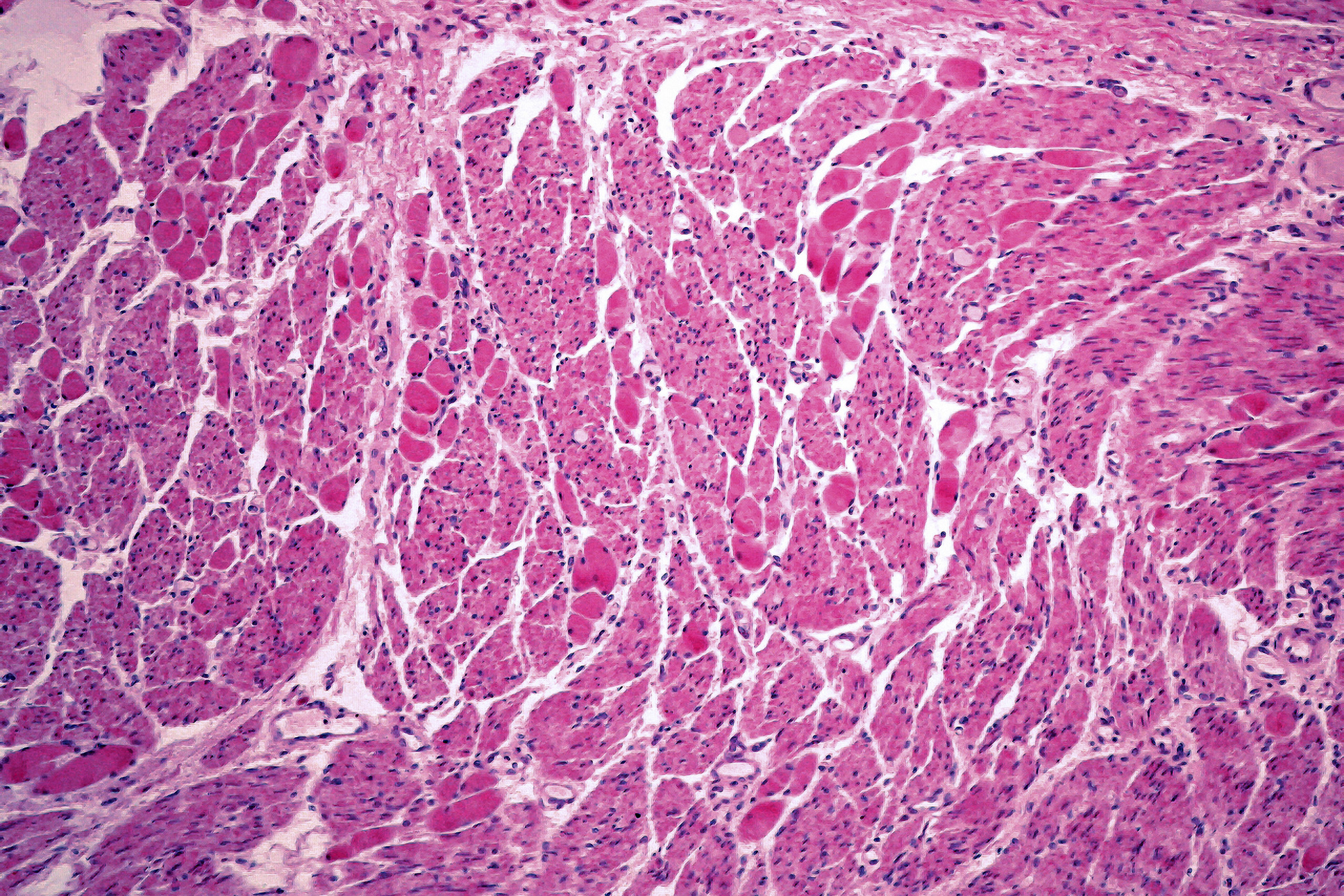
New Cellular Clues to Complications of Scleroderma
A recent Northwestern Medicine study published in JCI Insight has uncovered new clues about why people with systemic sclerosis, also known as scleroderma, frequently develop debilitating esophageal complications.
-
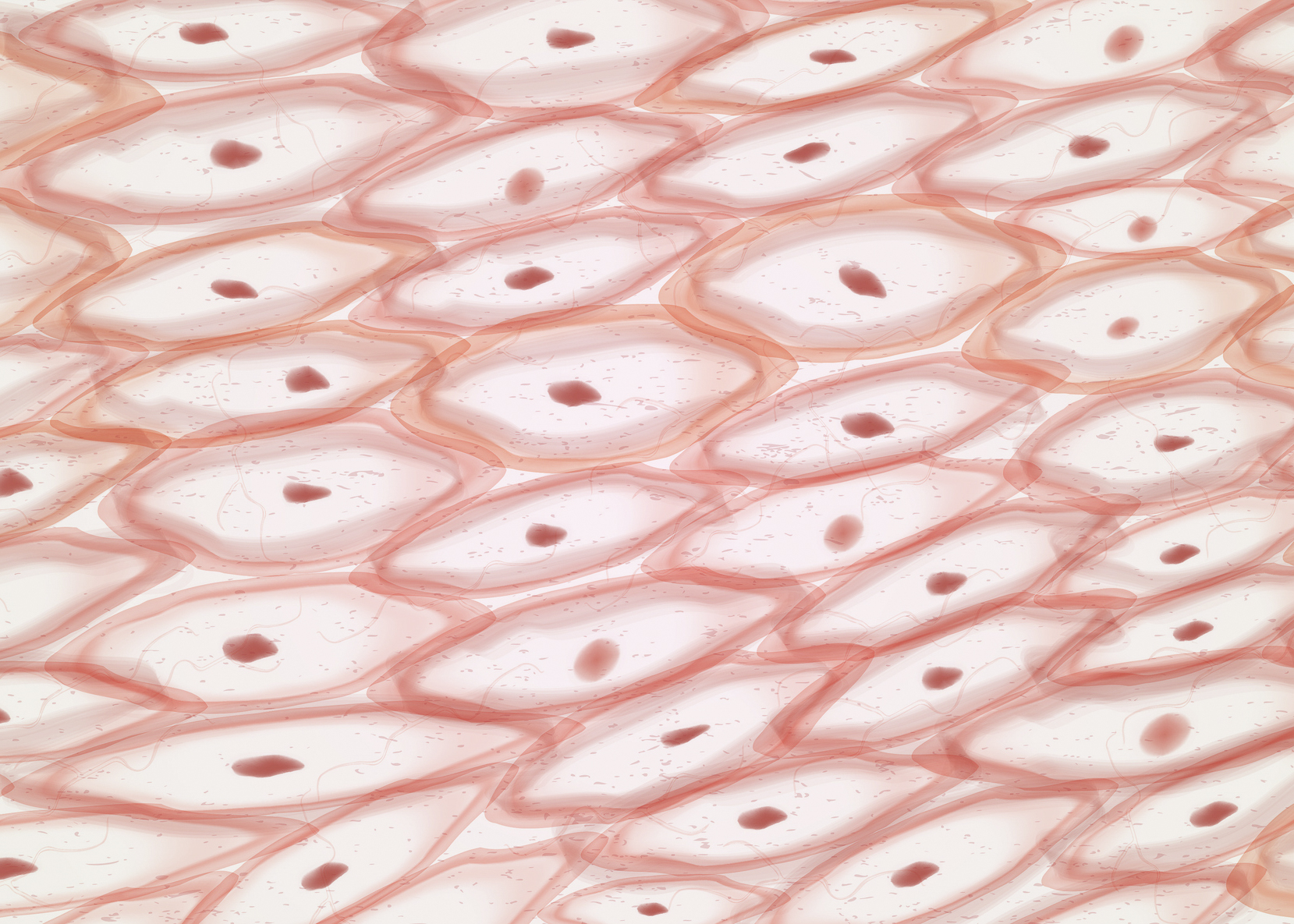
Oxidative Stress Drives Rare Disease Flare-ups, Study Finds
Northwestern Medicine scientists have uncovered a mechanism that may explain why people with Darier disease, a rare genetic skin disorder, often develop symptoms years after birth and experience painful flare-ups triggered by heat, sunlight and psychological stress.
-

Documenting Curbside Consultations to Improve Patient Safety
Implementing a hospital-wide program for documenting informal clinician consultations improved patient safety through better communication and multi-disciplinary care in a pediatric healthcare system, according to a recent study published in JAMA Pediatrics.
-
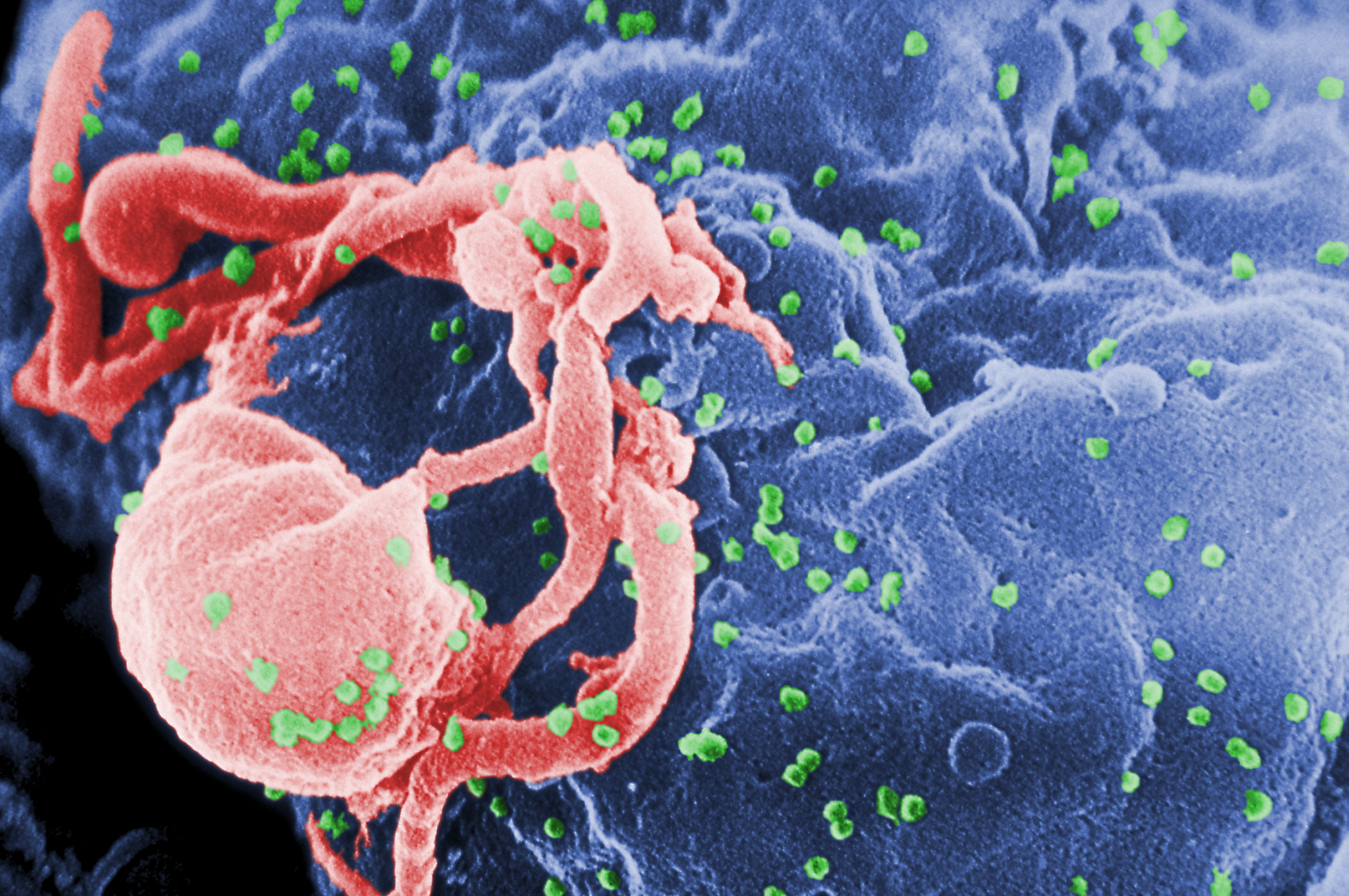
Tumor-Like Tissue Environments Could Hold Clues to Curing HIV
The tissue microenvironments surrounding HIV-infected immune cells look a lot like those surrounding cancerous tumors, according to a new Northwestern study.
-

Founders’ Day Welcomes Feinberg Incoming Class of 2026
The incoming class of 2026 was officially welcomed to Feinberg during Founders’ Day on August 7 at Fourth Presbyterian Church in Chicago.