Tag: Students
-

Medical Student Investigates Racial and Ethnic Disparities in Medicaid Disenrollment
Kranti Rumalla, a second-year medical student at Feinberg, was the lead author of a study that found racial disparities among patients who were disenrolled from Medicaid coverage after the end of the COVID-19 Public Health Emergency.
-

First-Year Student Awarded for Human Brain-Computer Interface Research
Dillan Prasad, a first-year medical student at Feinberg, was recently recognized for outstanding research by the American Association of Neurological Surgeons.
-

Celebrating the MD Class of 2024
Feinberg honored the MD Class of 2024 during the medical school’s 165th commencement ceremony held in the Aon Grand Ballroom at Navy Pier on May 13.
-

Honors Day Recognizes Student and Faculty Excellence
Faculty members and fourth-year medical students were recognized for academic and clinical excellence during Feinberg’s Honors Day, held on May 10 in the Hughes auditorium.
-
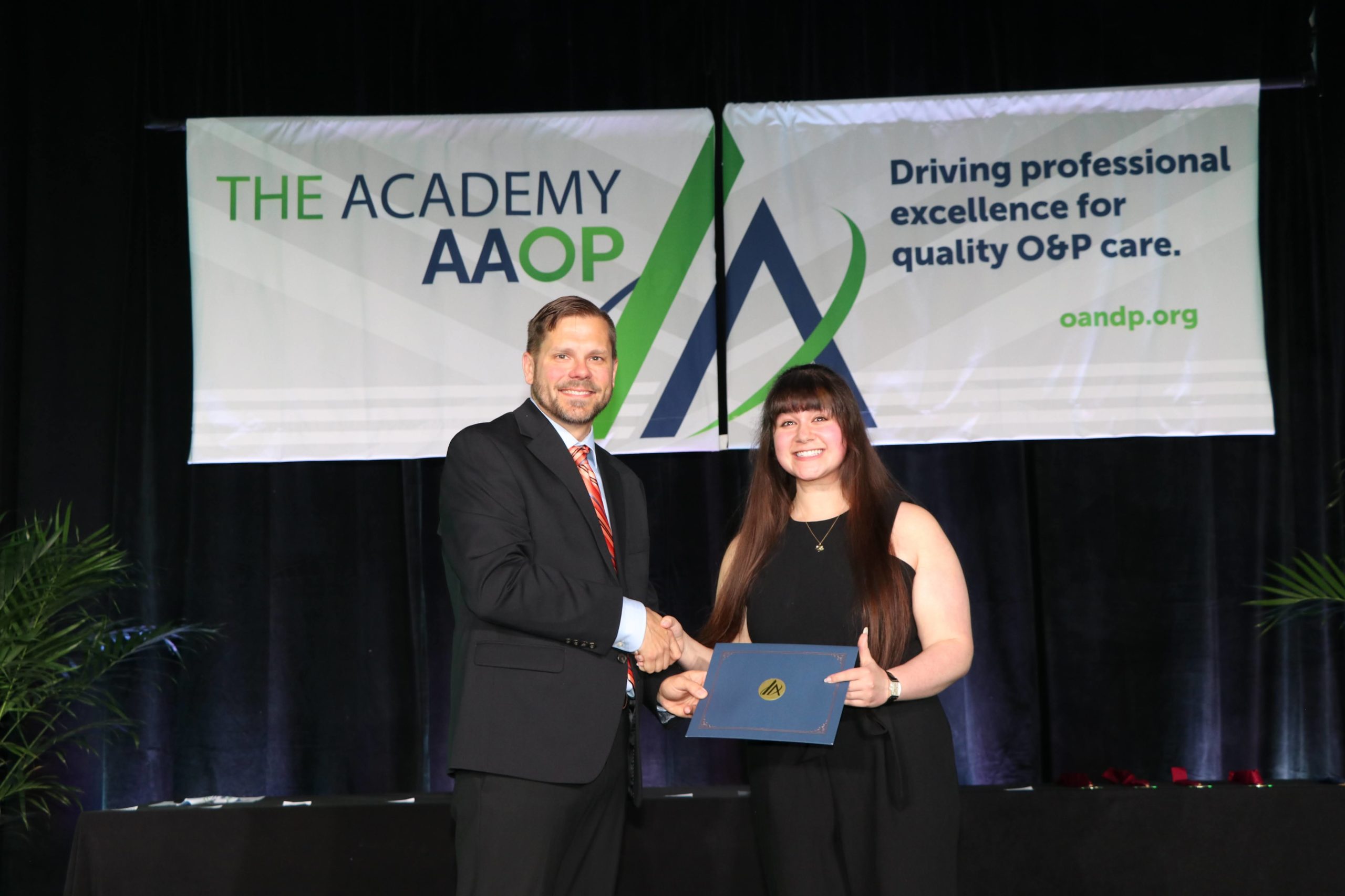
Recent Prosthetics and Orthotics Student Receives AAOP Women in Research Award
Abby Citterman, ’24 MPO, a recent graduate of Northwestern’s Master of Prosthetics & Orthotics program, was awarded the American Academy of Orthotists and Prosthetists Women in O&P Research Award at their 50th annual meeting in Chicago.
-
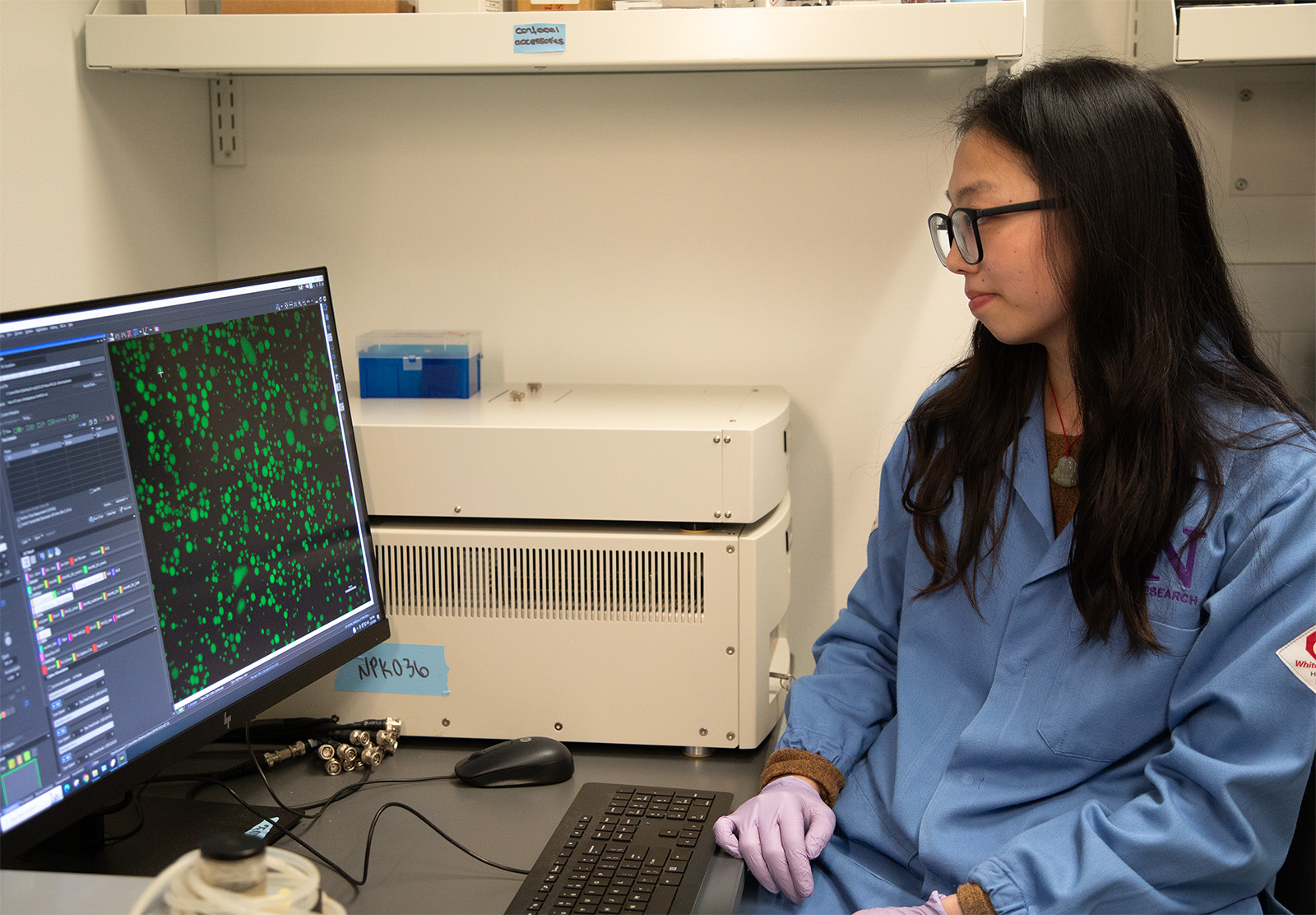
A Day in the Life: MSTP Student Juliana Feng
Meet Juliana Feng, a student at Feinberg School of Medicine in the first year of her PhD program. She’s a student in the Medical Scientist Training Program (MSTP). She has completed two years of medical school and is now in the graduate school portion of her program.
-

Medical Honor Society Inducts New Feinberg Members
Feinberg’s chapter of the Alpha Omega Alpha medical honor society welcomed 40 new members during a ceremony on March 12, recognizing the inductees’ outstanding educational achievement and significant contributions to medicine.
-
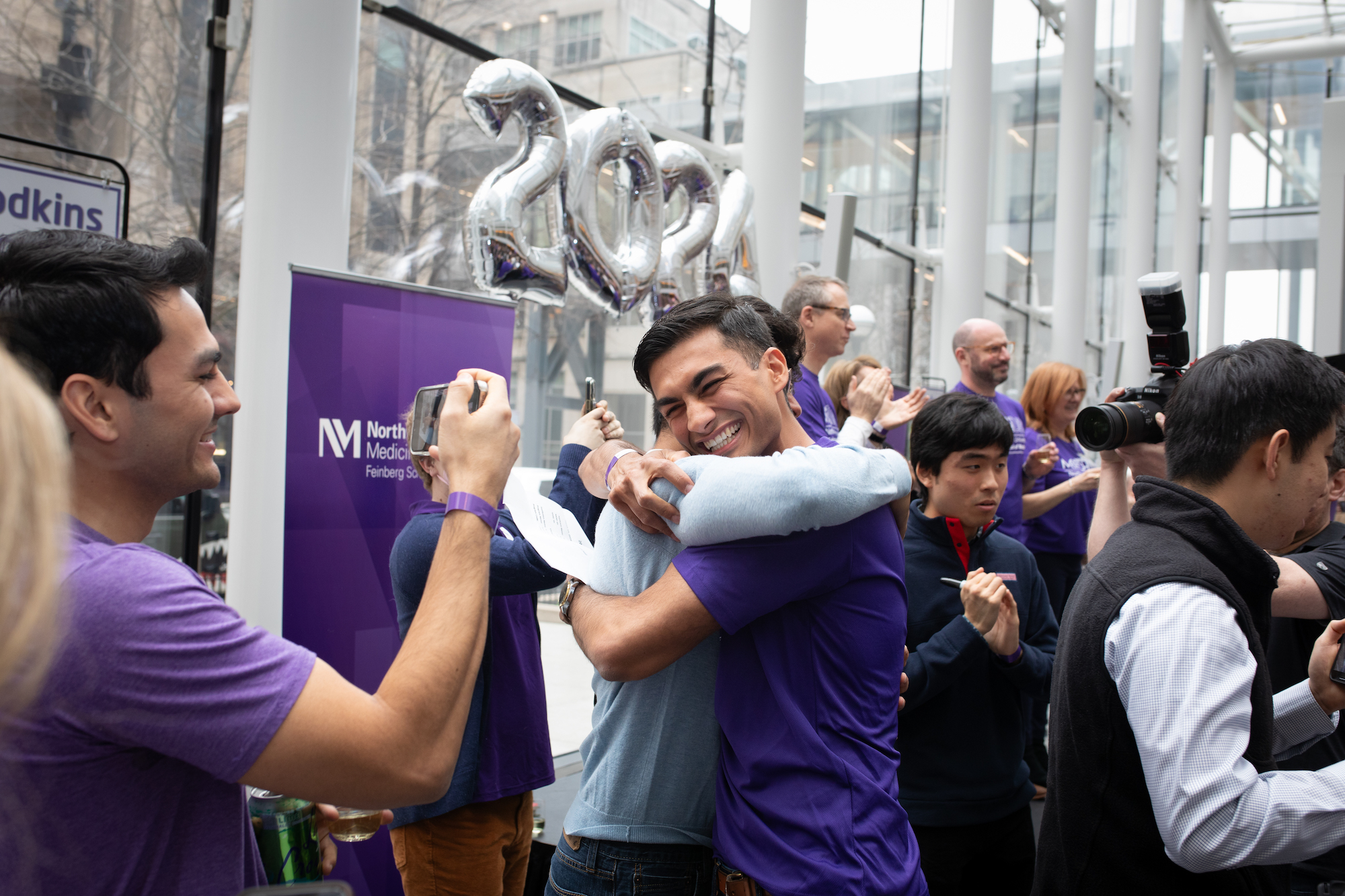
Celebrating Match Day 2024
Fourth-year Feinberg students excitedly tore open envelopes to reveal their residency matches at this year’s Match Day celebration on March 15.
-

First-year PA Student Awarded National Health Service Corps Scholarship
Lisa Namatame, a first-year Physician Assistant (PA) student, was recently awarded a scholarship from the National Health Service Corps Scholarship Program supported by the U.S. Department of Health and Human Services’ Health Resources and Services Administration.
-
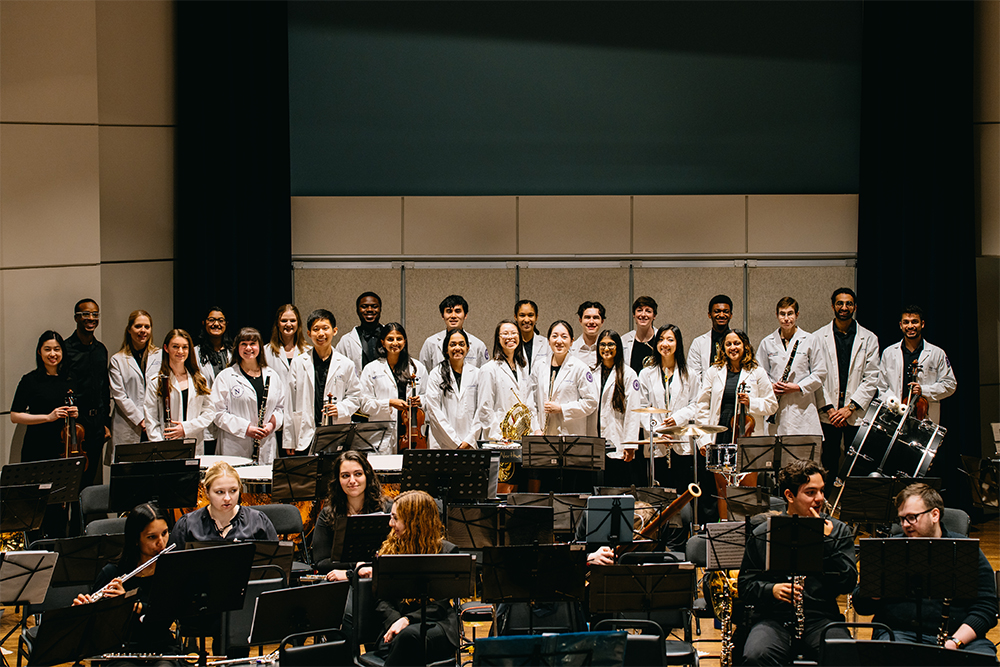
Northwestern Medical Orchestra Sees Strong Growth, Unites Feinberg and Bienen
The Northwestern Medical Orchestra entered its seventh year with growth in participants and audience alike, and a performance of a composition by Bienen School of Music’s new dean, Jonathan Bailey Holland.