Tag: Research
-
Exploring How Arsenic Combats Leukemia
A Northwestern Medicine study unearthed the mechanisms behind arsenic’s anti-cancer effects to show how the chemical compound could combat multiple types of leukemia.
-
Departments Rank High in List of NIH Funding
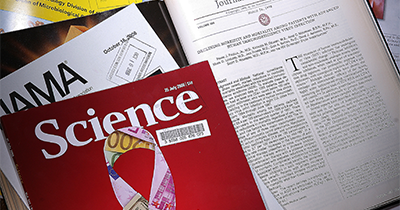
Eight departments at Northwestern University Feinberg School of Medicine rank in the top 10 in their discipline in a list of National Institutes of Health (NIH) funding to medical schools, with an additional three departments in the top 20.
-

Poster Presentations Showcase Student Research
Medical students presented their Area of Scholarly Concentration projects at a poster session on November 21.
-
Deconstructing How the Brain Processes Odors
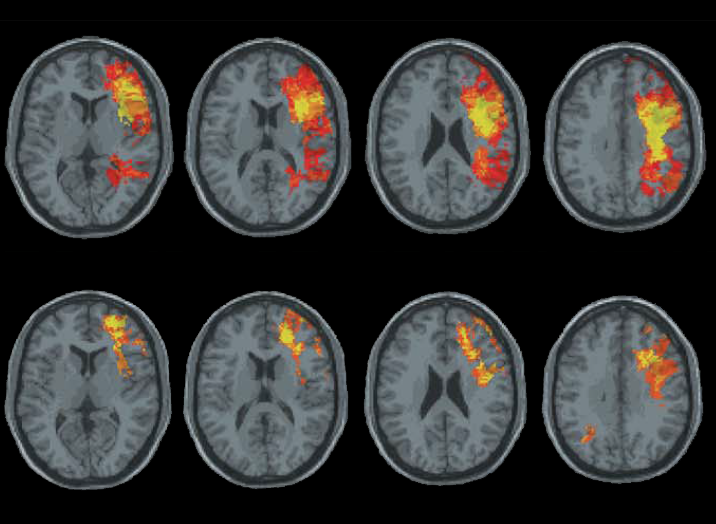
Distinct regions of the human brain encode dozens of molecules within a natural odor individually and as a whole, helping guide odor-related behavior, according to a new Northwestern Medicine study.
-

Children’s Relentless Seizures Halted By New Drug
A recent publication documents the first clinical application for pediatric patients with refractory status epilepticus, a life-threatening form of seizure disorder, providing hope for treatment.
-
Uncovering the Mechanisms Behind Recovery from Childhood Egg Allergies
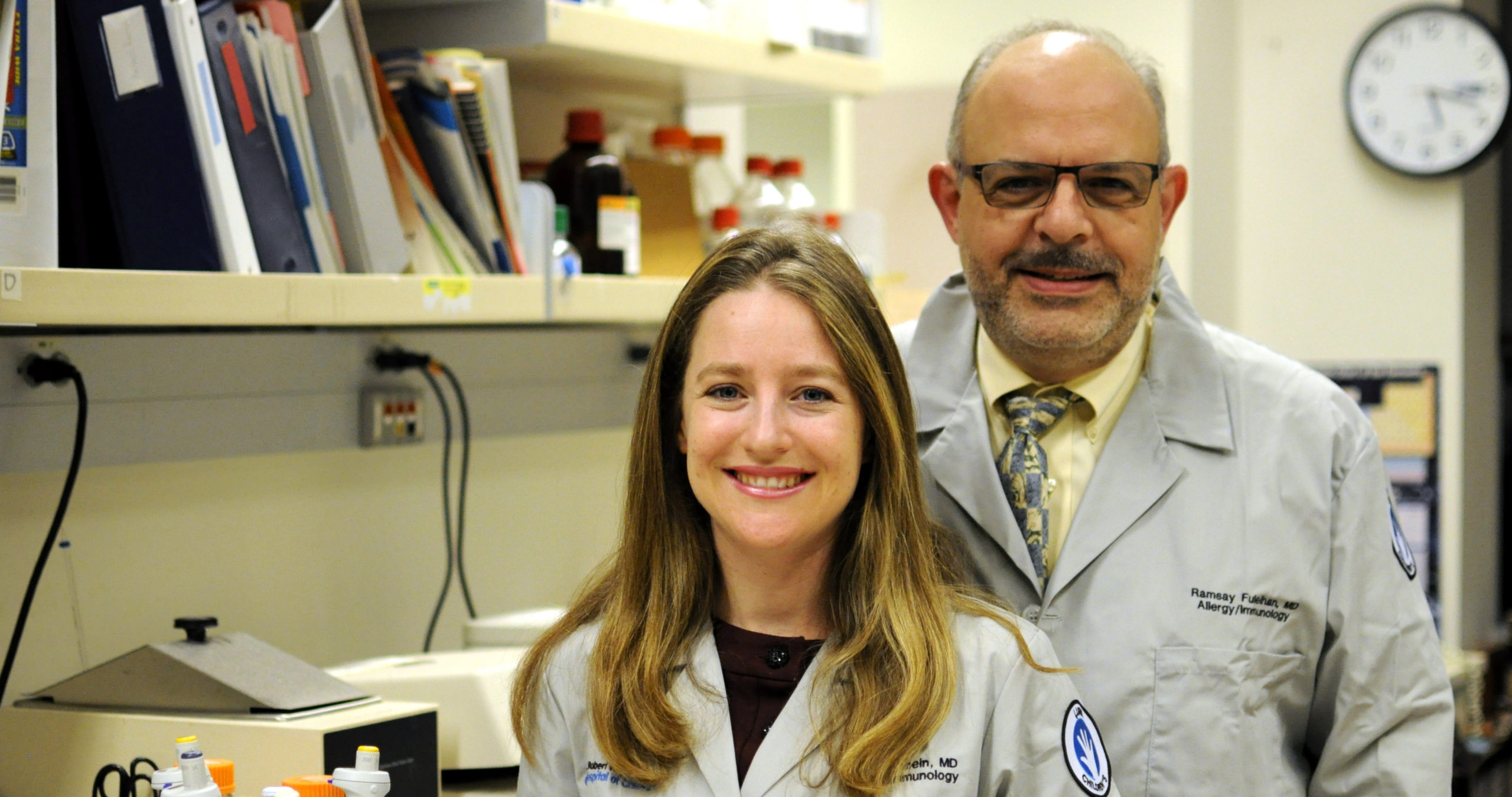
Northwestern Medicine scientists uncovered that allergic children who develop a natural tolerance to egg protein produce more of an anti-inflammatory protein, providing a potential biomarker to differentiate previously-allergic patients from children who still have the allergy.
-
A Step Toward Feasible Organ Engineering
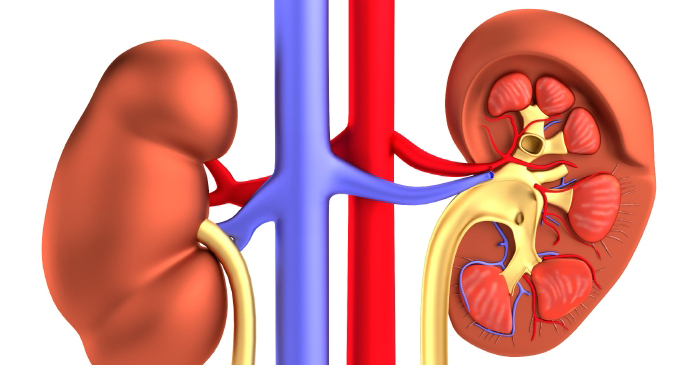
Northwestern Medicine scientists have identified a strategy to begin reengineering part of the kidney’s network of blood vessels.
-

Genes Revealed that May Impact the Colonization of Beneficial Bacteria
Northwestern Medicine scientists identified bacteria genes and key factors that are required for host colonization in squid, which may lead to better understanding how humans develop symbiotic relationships with beneficial bacteria.
-
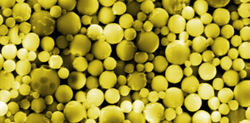
Fourth Annual Nano Boot Camp Gives Clinicians Insight on New Advances in Nanotechnology
The fourth annual Nano Boot Camp for Clinicians provided an overview on current research in the field.
-
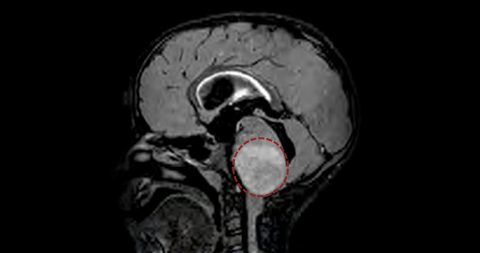
Potential Therapy Found for Incurable Pediatric Brain Tumor
Northwestern Medicine scientists have discovered a new potential drug therapy for pediatric brainstem glioma by targeting a genetic mutation found in patients with the rare, incurable cancer.